


Ever wondered why some eCommerce brands deliver faster, cheaper, and more accurately than others? The secret often lies in multi channel order fulfillment software.
As online selling expands across marketplaces, websites, and social platforms, managing orders manually becomes overwhelming. Businesses today require smart systems to coordinate inventory, shipping, and customer expectations seamlessly.
In this guide, you’ll learn how multi channel fulfillment order systems work, why they matter, and which solutions lead the market in 2026. Moreover, we’ll break down features, costs, and real-world applications to help you make an informed decision.
Table of Contents
What is Multi Channel Order Fulfillment Software?
Multi channel order fulfillment software is a system that automates and manages orders from multiple sales channels in one centralized platform.
Key Capabilities
- Sync inventory across platforms
- Automate shipping workflows
- Track orders in real time
- Manage returns efficiently
In short, it simplifies order fulfillment operations while improving accuracy and speed.
Why It Matters in 2026
With global eCommerce expected to exceed $7 trillion by 2026 (Statista), businesses must adopt multi-channel fulfillment solutions to stay competitive.
Benefits of Multi Channel Fulfillment Solutions
1. Centralized Control
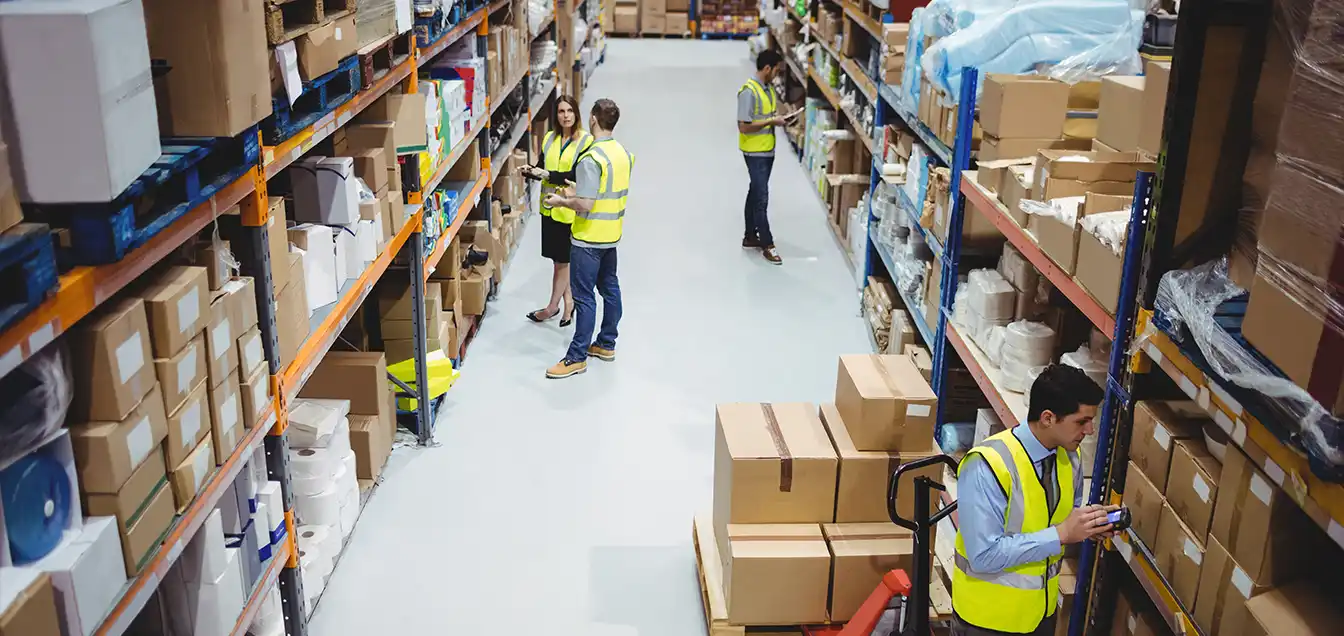
Managing orders from Shopify, Amazon, and eBay separately can be chaotic. A multichannel fulfillment solution brings everything into one dashboard.
2. Faster Delivery Times
Automation enables fast order fulfillment, reducing delays and improving customer satisfaction.
3. Reduced Errors
Manual processing leads to mistakes. Software minimizes errors in picking, packing, and shipping.
4. Cost Optimization
Understanding multi-channel fulfillment order fees helps businesses reduce logistics expenses.
5. Scalability
As order volume grows, systems scale effortlessly without increasing operational complexity.
Top 8 Multi Channel Order Fulfillment Software Solutions
1. ShipBob
A powerful platform offering global warehousing and seamless integrations.
Best for: Growing eCommerce brands
Key Feature: Distributed inventory system
2. NetSuite Order Management
An enterprise-grade solution with advanced analytics.
Best for: Large businesses
Key Feature: Real-time visibility into order fulfillment performance
3. Cin7 Omni
Combines inventory, POS, and fulfillment.
Best for: Retailers needing Retail fulfillment integration
4. ShipStation
A user-friendly platform ideal for startups.
Best for: Small businesses
Key Feature: Easy multi-channel shipping automation
5. DelGate (Best in Canada)
DelGate stands out as the best pick and pack fulfillment center in Canada.
Why DelGate?
- Strong presence in ecommerce fulfillment Toronto
- Advanced fulfillment technology solutions
- Access to fulfillment center Vancouver
Moreover, it supports Shopify fulfillment Canada, making it ideal for local and international sellers.
6. Easyship
Focuses on international shipping with cost transparency.
Best for: Cross-border sellers
Key Feature: Duty and tax automation
7. Red Stag Fulfillment
Specializes in heavy and high-value items.
Best for: Niche product fulfillment
Key Feature: Guaranteed accuracy
8. Rakuten Super Logistics
Offers nationwide fulfillment coverage.
Best for: U.S.-based scaling brands
Key Feature: Smart inventory distribution
How Multi Channel Order Fulfillment Works
Step-by-Step Process
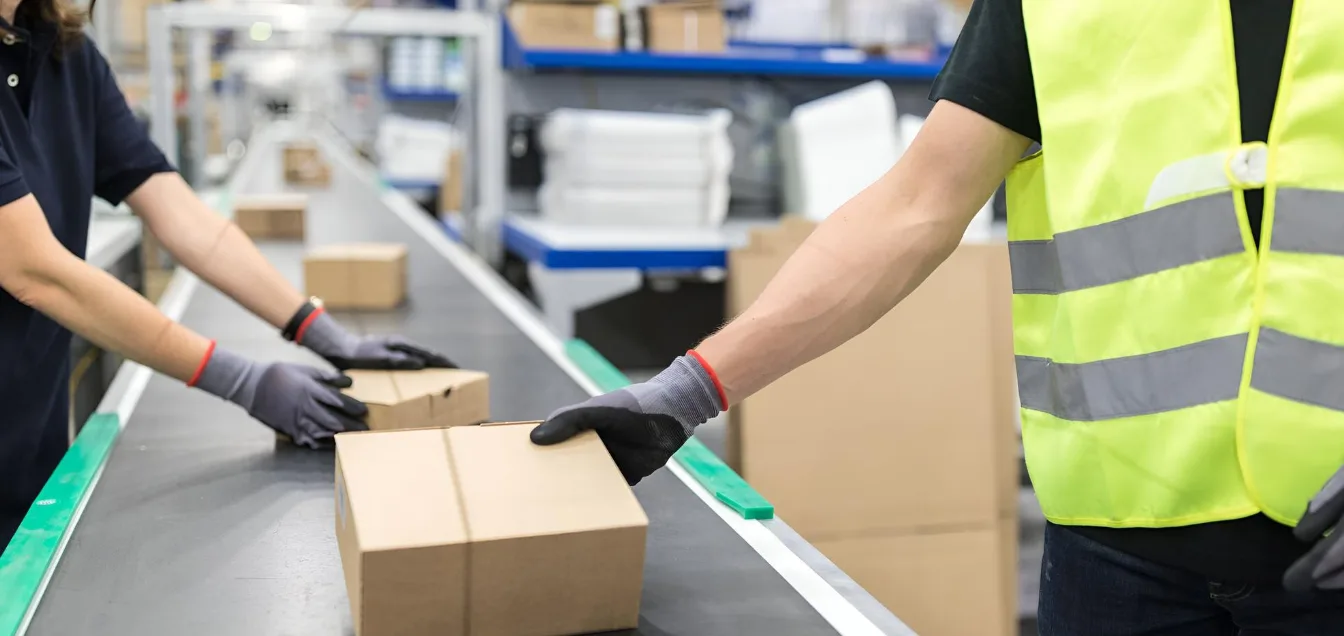
- Order received from multiple channels
- System consolidates into one dashboard
- Inventory is automatically updated
- Warehouse picks and packs items
- Shipping labels generated
- Order shipped and tracked
This workflow improves order fulfillment logistics and ensures consistency across channels.
Types of Order Fulfillment
Understanding order fulfillment types helps businesses choose the right strategy.
Common Models
- In-house fulfillment
- Third-party logistics (3PL Logistics)
- Dropshipping
Comparison: Drop Shipping vs Order Fulfillment
| Feature | Dropshipping | Order Fulfillment |
| Inventory | Supplier-managed | Business-managed |
| Speed | Slower | Faster |
| Control | Low | High |
The debate around drop shipping vs order fulfillment depends on business goals and scale.
Key Features to Look For
When choosing the best multi channel order fulfillment software, consider:
1. Integration Capabilities
Supports platforms like Shopify, Amazon, and WooCommerce.
2. Automation
Automates repetitive tasks to streamline order fulfillment.
3. Analytics Dashboard
Provides insights into order fulfillment performance.
4. Multi-Warehouse Support
Enables multi-logistics order fulfillment across regions.
5. Cost Transparency
Clear breakdown of multi-channel fulfillment order fees.
Real-World Case Study
Example: Mid-Sized eCommerce Brand
A Canadian fashion retailer implemented a multichannel order fulfillment system.
Before Implementation:
- 3-day processing time
- 8% order error rate
After Implementation:
- 1-day processing time
- 1.5% error rate
This was achieved by partnering with a Canadian fulfillment center and adopting advanced automation.
Industry Statistics (2026)
| Metric | Value |
| Global eCommerce Sales | $7.2 Trillion |
| Average Delivery Expectation | 2 Days |
| Automation Adoption Rate | 68% |
| Multi-channel Sellers Growth | 35% YoY |
These numbers highlight the importance of adopting product fulfillment solutions early.
Challenges and Solutions

Common Challenges
- Inventory mismanagement
- High shipping costs
- Delayed deliveries
Solutions
- Use AI-driven forecasting
- Optimize warehouse locations
- Partner with a reliable online order fulfillment provider
Future Trends in Multi Channel Fulfillment
1. AI and Predictive Analytics
Helps forecast demand and reduce stockouts.
2. Robotics in Warehousing
Improves picking efficiency.
3. Hyperlocal Fulfillment
Enables faster delivery through localized centers.
4. Sustainability
Eco-friendly packaging and optimized routes.
Businesses aiming to optimize order fulfillment in 2026 must embrace these innovations.
How to Choose the Right Solution
Checklist
- Business size and scale
- Budget constraints
- Required integrations
- Geographic reach
Moreover, consider whether your operations need regional support like ecommerce fulfillment Toronto or global scalability.
Conclusion
The future of eCommerce depends heavily on efficient fulfillment systems. Multi channel order fulfillment software is no longer optional—it’s essential.
From improving delivery speed to reducing operational errors, these tools transform how businesses manage logistics. Moreover, solutions like DelGate offer localized expertise combined with advanced technology.
In short, investing in the right system today ensures long-term growth, better customer satisfaction, and a competitive edge in 2026 and beyond.