

Have you ever wondered why some online stores deliver orders almost instantly while others struggle with delays? The answer often lies in product fulfillment solutions.
In today’s fast-paced digital economy, customers expect speed, accuracy, and transparency. Businesses that fail to meet these expectations risk losing both sales and trust. Moreover, with global eCommerce projected to surpass $7 trillion by 2026, efficient fulfillment is no longer optional—it’s essential.
This article will walk you through everything you need to know about product order fulfillment, from technologies and trends to real-world case studies. Whether you’re a startup or scaling enterprise, you’ll discover actionable insights to optimize your logistics.
Table of Contents
What Are Product Fulfillment Solutions?
At its core, a product fulfillment solution refers to the complete process of storing, packing, and shipping products to customers.
Key Components of Fulfillment
- Inventory Management: Tracking stock levels in real time
- Order Processing: Receiving and verifying customer orders
- Pick and Pack: Selecting and packaging items
- Shipping & Delivery: Transporting goods to customers
- Returns Management: Handling refunds and exchanges
In short, effective order product fulfillment solutions ensure that every step—from warehouse to doorstep—is seamless.
Why Businesses Need Modern Fulfillment Systems
Rising Customer Expectations
Consumers now expect:
- Same-day or next-day delivery
- Real-time tracking updates
- Hassle-free returns
However, meeting these demands manually is nearly impossible.
Cost Efficiency
Outsourcing to a 3PL Logistics provider can reduce operational costs by up to 30%, according to industry reports.
Scalability
As your business grows, your fulfillment system must adapt. A flexible system ensures you don’t hit operational bottlenecks during peak seasons.
Types of Order Fulfillment Models
Understanding different order fulfillment types helps you choose the right approach.
1. In-House Fulfillment
Handled internally by your team.
Best for: Small businesses with low order volumes
Limitation: Hard to scale
2. Third-Party Fulfillment (3PL)
Outsourced to logistics providers.
Best for: Growing eCommerce brands
Advantage: Cost savings and expertise
3. Dropshipping
Suppliers ship products directly to customers.
Best for: Low inventory risk
Challenge: Less control over quality
The Role of Technology in Fulfillment
Modern businesses rely heavily on fulfillment technology solutions to stay competitive.
Automation & AI
- Automated picking systems reduce errors by 70%
- AI forecasting improves inventory accuracy
Real-Time Tracking
Customers can monitor their orders from dispatch to delivery.
Integration with Platforms
For example, Shopify fulfillment Canada integrations allow seamless order syncing.
The Online Order Fulfillment Process Explained
The online order fulfillment process typically follows these steps:
- Order placement
- Inventory confirmation
- Picking items
- Packing products
- Shipping
- Delivery confirmation
Moreover, automation ensures each step is completed faster and with fewer errors.
Case Study: Scaling with DelGate
One standout example in Canada is DelGate, widely recognized as the best pick and pack fulfillment center.
Results Achieved:
| Metric | Before DelGate | After DelGate |
| Delivery Time | 5–7 days | 2–3 days |
| Order Accuracy | 92% | 99.8% |
| Operational Costs | High | Reduced by 25% |
This case highlights how logistics solutions provides order fulfillment can significantly improve efficiency.
Regional Fulfillment Trends in Canada
Canadian Fulfillment Growth
The demand for a Canadian fulfillment center has surged due to cross-border eCommerce growth.
Key Locations
- fulfillment center Vancouver for West Coast distribution
- ecommerce fulfillment Toronto for central logistics
These hubs reduce shipping time across North America.
Retail vs eCommerce Fulfillment
Retail Fulfillment
Traditional Retail fulfillment focuses on bulk shipments to stores.
eCommerce Fulfillment
- Smaller, individual orders
- Higher demand for speed and accuracy
However, many businesses now use hybrid models to serve both channels.
Advanced Services That Add Value

Kitting and Custom Packaging
kitting services combine multiple items into a single package, enhancing customer experience.
Fast Shipping Options
Businesses offering fast order fulfillment gain a competitive edge.
Returns Optimization
Efficient returns handling boosts customer satisfaction and retention.
Benefits of Outsourcing Fulfillment
Outsourcing product order fulfillment offers several advantages:
- Reduced overhead costs
- Access to advanced technology
- Faster delivery times
- Improved customer satisfaction
Moreover, it allows businesses to focus on growth rather than logistics.
Challenges in Fulfillment and How to Overcome Them
Common Issues
- Inventory mismanagement
- Shipping delays
- High operational costs
Solutions
- Implement automation tools
- Partner with reliable providers like DelGate
- Use predictive analytics
Industry Statistics You Should Know
- 67% of consumers expect 2-day delivery
- 45% abandon carts due to slow shipping
- Automated warehouses increase efficiency by up to 50%
For more insights, refer to industry data on Statista (external link suggestion).
Future Trends in Product Fulfillment Solutions
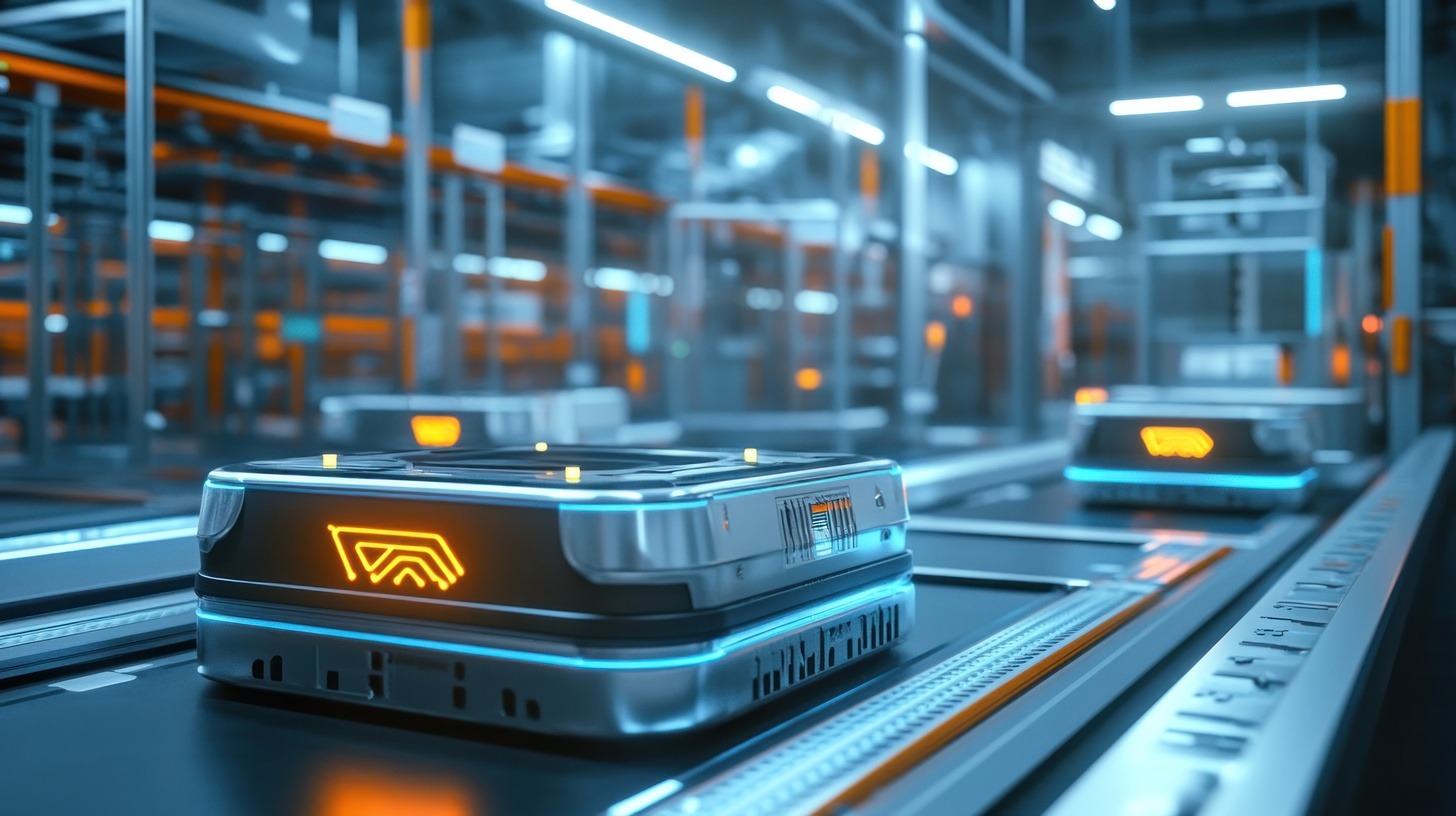
1. AI-Driven Warehousing
Smart warehouses will dominate logistics.
2. Sustainable Packaging
Eco-friendly materials are becoming standard.
3. Hyperlocal Fulfillment Centers
Reducing delivery times to hours instead of days.
4. Robotics and Automation
Warehouses increasingly rely on robotics for picking and packing.
Choosing the Right Fulfillment Partner
When selecting a provider, consider:
- Technology capabilities
- Geographic coverage
- Scalability
- Customer support
DelGate stands out due to its advanced systems and proven results in Canada.
Conclusion
In today’s competitive landscape, product fulfillment solutions are the backbone of successful eCommerce operations. From improving delivery speed to reducing costs, the right fulfillment strategy can transform your business.
Moreover, with the rise of automation and AI, fulfillment systems are becoming smarter and more efficient. Businesses that invest in modern solutions today will lead the market tomorrow.
Takeaway: Choose a reliable partner, leverage technology, and continuously optimize your fulfillment process to stay ahead.