


Have you ever clicked “Buy Now” and wondered how your order magically arrives at your door in just a few days?
That’s the power of online order fulfillment—the invisible engine behind every successful ecommerce business.
In today’s fast-moving digital economy, customers expect speed, accuracy, and transparency. If a brand fails to deliver quickly, they often lose the sale forever.
In this guide, you’ll discover how fulfillment works, why it matters more than ever in 2026, and how businesses—especially in Canada—are transforming their logistics strategies to stay competitive. You’ll also explore processes, services, technologies, and real-world examples that shape modern ecommerce success.
Table of Contents
What is online order fulfillment
Online order fulfillment refers to the entire process of receiving, processing, packing, and delivering customer orders placed through digital platforms.
Basically, it encompasses all the processes that take place once a customer presses the “checkout” button.
It includes:
- Inventory storage
- Order processing
- Packaging
- Shipping
- Returns management
A smooth fulfillment system ensures customers receive the right product at the right time without delays or errors. In short, it directly impacts customer satisfaction and brand reputation.
Why online order fulfillment matters in modern ecommerce

The ecommerce landscape has changed dramatically. Fast delivery has shifted from a bonus to a standard demand.
Studies show that over 70% of online shoppers expect delivery within 3–5 days. If that expectation is not met, cart abandonment increases significantly.
Here’s why online order fulfillment plays a critical role:
- Improves customer satisfaction
- Reduces operational errors
- Supports business scalability
- Enhances brand trust
- Increases repeat purchases
Moreover, companies that invest in strong fulfillment systems often outperform competitors in long-term revenue growth.
online order fulfillment process
The online order fulfillment process follows a structured flow designed to ensure accuracy and speed:
1. Order Placement
Customers place orders through an ecommerce website or marketplace.
2. Inventory Management
The system checks product availability in real time.
3. Picking
Warehouse staff locate and collect the ordered items.
4. Packing
Items are securely packed with proper labeling and documentation.
5. Shipping
Orders are handed over to carriers for delivery.
6. Returns Processing
Returned items are inspected, restocked, or replaced.
This cycle repeats thousands of times daily in large ecommerce operations.
Types of order fulfillment in ecommerce
Understanding order fulfillment types helps businesses choose the right model:
- In-house fulfillment
- Third-party fulfillment
- Dropshipping
- Hybrid models
Each type has advantages depending on business size, product type, and shipping requirements.
For example, startups often prefer dropshipping, while large brands rely on hybrid or third-party logistics.
online order fulfillment services and solutions
Modern online order fulfillment services are designed to simplify logistics for businesses of all sizes.
These services typically include:
- Warehousing
- Inventory tracking
- Packaging
- Shipping integration
- Returns handling
A strong online order fulfillment service helps brands focus on marketing and growth instead of logistics complexity.
Many businesses now use order fulfillment online platforms to automate operations and reduce manual errors.
Canada’s growing fulfillment ecosystem
Canada has become a major hub for ecommerce logistics due to its strategic location and advanced infrastructure.
A strong online order fulfillment service Canada network supports both local and cross-border ecommerce.
One of the standout providers in this space is DelGate, widely recognized as the best pick and pack fulfillment center in Canada. It helps businesses scale efficiently with reliable warehousing and fast shipping solutions.
3PL and modern fulfillment infrastructure
Many ecommerce brands now rely on 3PL Logistics to handle storage, packing, and shipping operations efficiently.
A trusted order fulfillment provider allows businesses to outsource logistics while focusing on growth and customer experience.
In Canada, a Canadian fulfillment center model is especially useful for companies targeting North American markets due to faster distribution networks.
Regional fulfillment hubs in Canada
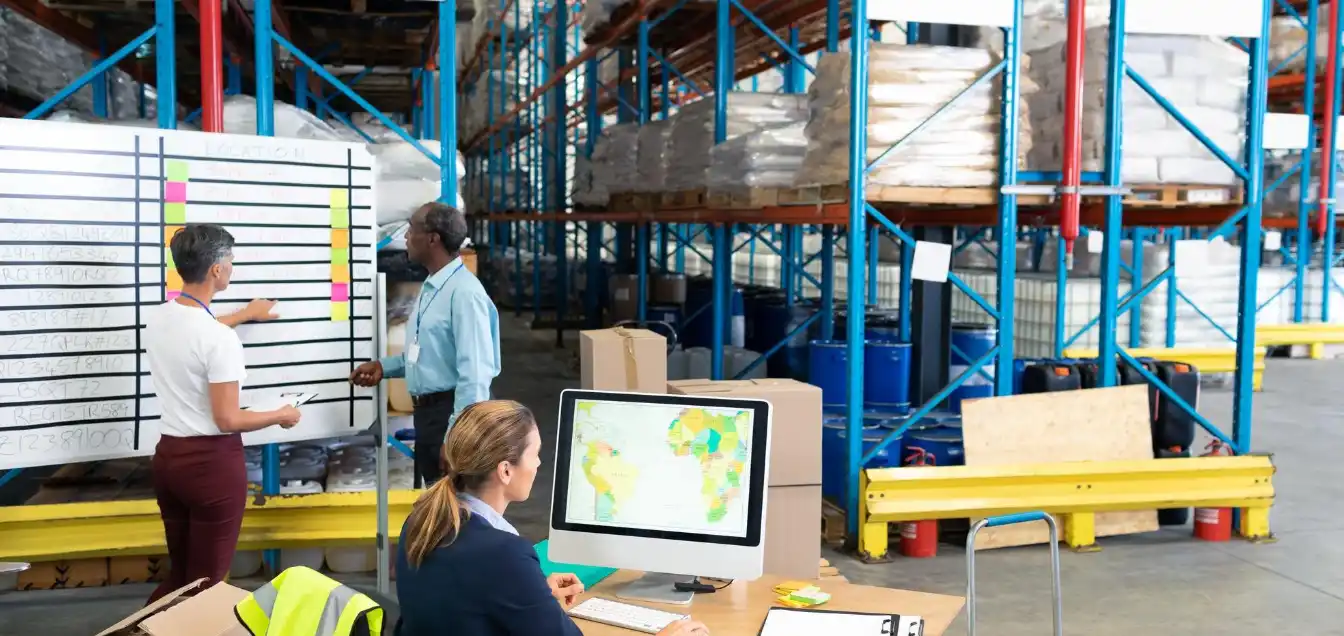
Canada’s logistics ecosystem is expanding rapidly with key regional centers:
West Coast Hub
- fulfillment center Vancouver plays a vital role in serving Pacific trade routes and fast shipping to western regions.
Central Canada Hub
- ecommerce fulfillment Toronto supports the country’s largest consumer base and international shipping corridors.
Ecommerce Platforms
- Many sellers now rely on Shopify fulfillment Canada integrations to automate orders directly from their stores.
Technology driving modern fulfillment
Technology is reshaping logistics more than ever before.
Advanced systems known as fulfillment technology solutions help businesses track inventory in real time, automate shipping labels, and optimize warehouse operations.
Key innovations include:
- AI-powered forecasting
- Barcode scanning systems
- Robotics in warehouses
- Cloud-based inventory platforms
These tools improve accuracy and reduce human error dramatically.
Retail and specialized fulfillment services
The rise of ecommerce has also transformed Retail fulfillment, blending offline and online operations seamlessly.
Many fulfillment providers now offer advanced services like:
- kitting services (bundling products for promotions or subscriptions)
- Custom packaging
- Subscription box fulfillment
- Same-day shipping
These product fulfillment solutions help businesses create unique customer experiences.
How fulfillment impacts business performance
Strong logistics systems directly improve:
- Delivery speed
- Customer satisfaction
- Return rates
- Operational costs
Businesses focusing on order fulfillment operations often see higher efficiency and fewer shipping delays.
Moreover, tracking order fulfillment performance helps identify bottlenecks and improve service quality over time.
Optimizing fulfillment for the future
The ecommerce world is evolving quickly, and companies must adapt.
To optimize order fulfillment in 2026, businesses are focusing on automation, regional warehousing, and AI-driven logistics planning.
Strategies include:
- Using predictive inventory systems
- Expanding warehouse networks
- Partnering with 3PL providers
- Enhancing delivery tracking systems
These improvements help businesses stay competitive in a fast-changing market.
Streamlining operations for efficiency
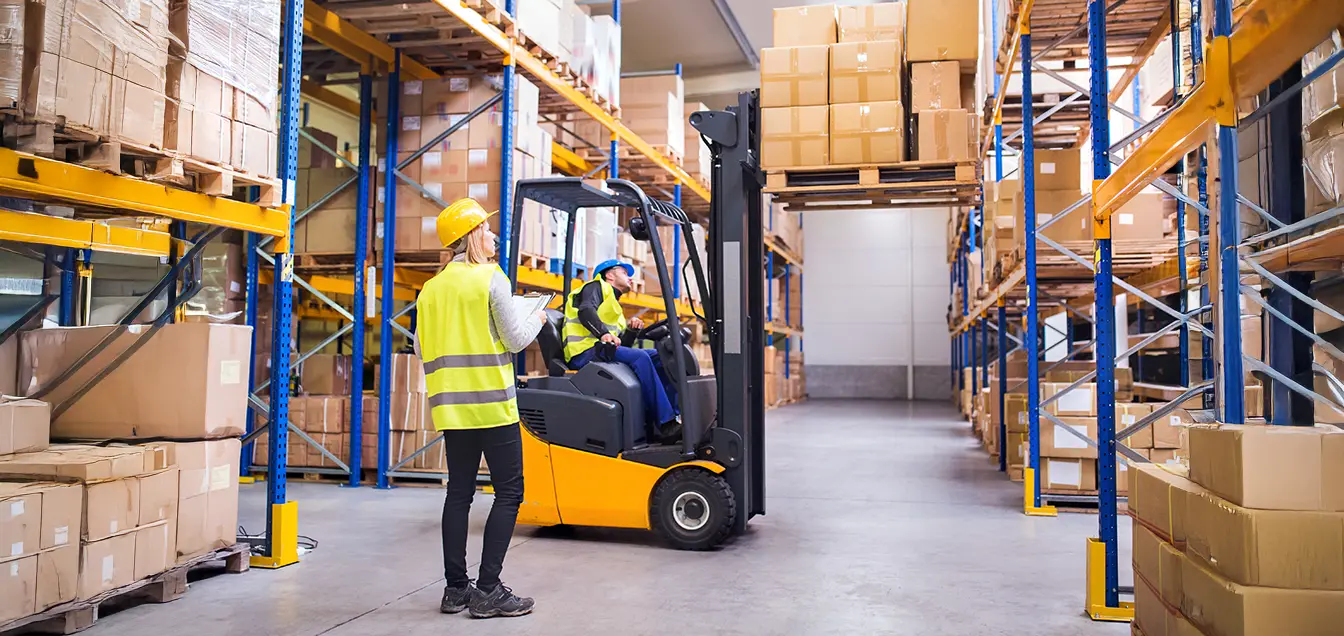
To streamline order fulfillment, companies are integrating automation tools and centralized dashboards.
This reduces manual errors and improves communication between warehouses and shipping carriers.
A smoother system means faster deliveries and happier customers.
Table: Fulfillment Performance Comparison
| Model | Average Delivery Time | Cost Efficiency | Scalability |
| In-house | 4–7 days | Medium | Low |
| 3PL | 2–4 days | High | High |
| Hybrid | 2–5 days | Medium | High |
This comparison shows why outsourcing is becoming the preferred choice for growing businesses.
Industry insights and statistics
- Global ecommerce sales continue to grow annually by over 8%
- Fast shipping increases conversion rates by up to 30%
- 85% of customers say delivery experience impacts repeat purchase decisions
For deeper insights, you can explore trusted research platforms like Statista or business insights from Forbes.
Conclusion
Online order fulfillment is no longer just a backend operation—it’s a strategic advantage.
From inventory management to last-mile delivery, every step influences customer satisfaction and brand growth.
Businesses that invest in automation, regional fulfillment centers, and expert partners like DelGate are already gaining a competitive edge.
In short, the future of ecommerce belongs to companies that can deliver faster, smarter, and more reliably.