

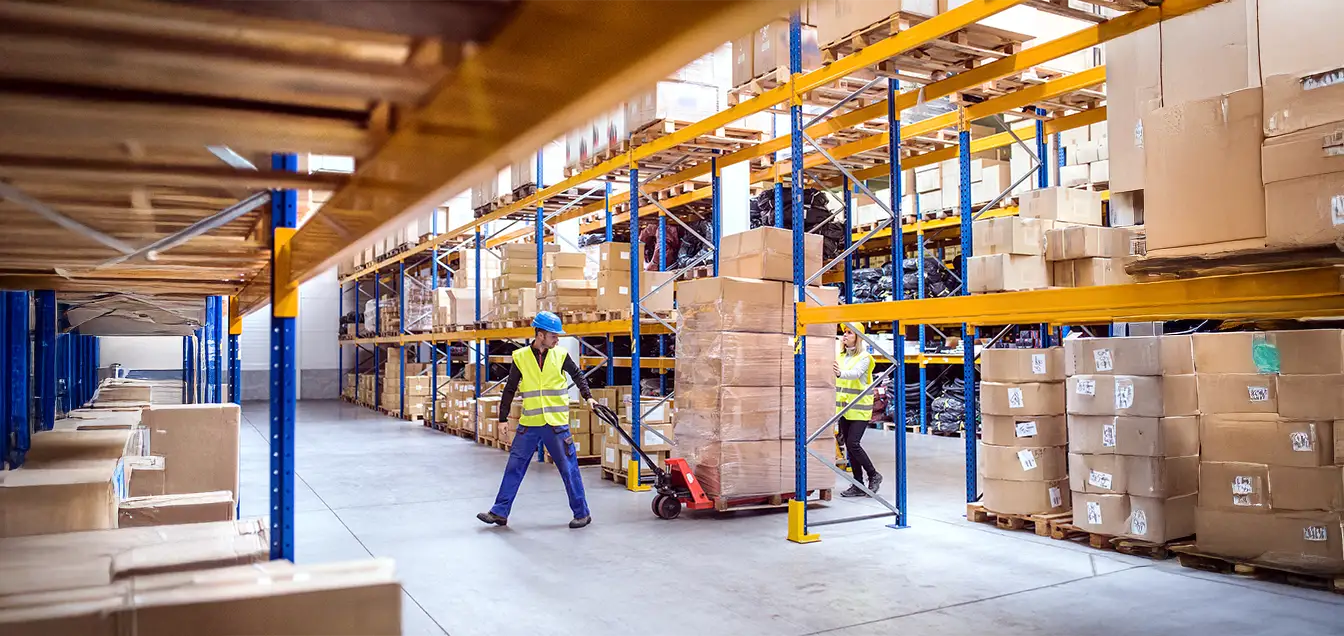
Have you ever lost a customer simply because an order arrived late?
In today’s digital marketplace, speed is no longer a luxury—it’s an expectation. Customers compare shipping experiences as much as they compare prices. That’s why companies across Canada are focusing on one critical operational goal: streamline order fulfillment.
From startup Shopify stores to established enterprise retailers, efficient fulfillment has become a growth driver. Faster picking, smarter inventory systems, and better logistics partnerships can directly impact profit margins, retention, and reviews.
In this guide, you’ll discover how leading businesses are streamlining order fulfillment, improving operational visibility, and preparing for the future of eCommerce in 2026.
Table of Contents
Why Fulfillment Speed Matters More Than Ever
According to Shopify’s 2025 commerce data, global eCommerce sales reached approximately $6.42 trillion in 2025, and projections show $6.88 trillion in 2026. That means more competition, higher customer expectations, and thinner margins for inefficient retailers.
Moreover, delayed shipping often leads to:
- Higher cart abandonment
- Negative product reviews
- Increased refund requests
- Lower repeat purchases
In short, businesses that streamline order fulfillment often outperform competitors in both customer satisfaction and profitability.
Quick Industry Snapshot
| Metric | 2025 | 2026 Forecast |
| Global eCommerce Sales | $6.42T | $6.88T |
| Online Retail Share | 20.5% | 21.1% |
| Online Shoppers | 3+ Billion | Growing |
Source suggestion: Statista – Global eCommerce Market Data
Understand Your Current Fulfillment Workflow
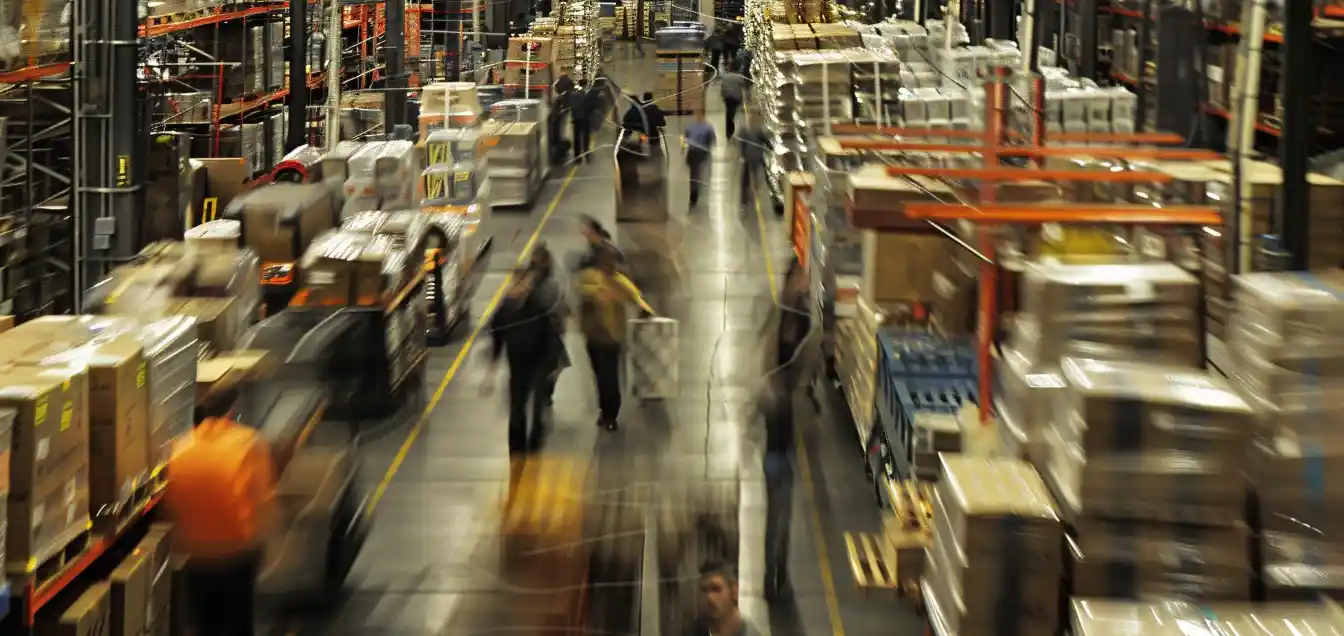
Before improving operations, you need visibility.
Map every stage of your process:
- Order received
- Inventory checked
- Picking completed
- Packing completed
- Shipment created
- Delivery confirmed
Many businesses discover hidden bottlenecks during this audit.
Identify Cost Leaks
Look for:
- Duplicate handling
- Manual data entry
- Packaging delays
- Inventory mismatches
For example, one Toronto apparel brand reduced fulfillment costs by 19% simply by removing duplicate barcode scans.
This is often the first step in learning how to improve order fulfillment.
Choose the Right Fulfillment Model
Not every business should fulfill orders the same way.
There are different types of order fulfillment, including:
In-House Fulfillment
Ideal for startups with lower order volume.
Pros:
- Full control
- Lower initial outsourcing costs
Cons:
- Labor-intensive
- Hard to scale
Outsourced Fulfillment
Many Canadian brands partner with 3rd party logistics 3PL providers.
Pros:
- Faster shipping
- Scalable operations
- Better warehouse coverage
Cons:
- Less direct control
Choosing the right model depends on SKU count, sales volume, and customer geography.
Use Automation to Reduce Human Error
Manual operations create expensive mistakes.
Today’s businesses invest in fulfillment technology such as:
- Barcode scanning
- AI route optimization
- Warehouse robotics
- Automated shipping labels
- Inventory forecasting systems
According to logistics case studies, automated picking systems can reduce warehouse error rates by up to 70%.
Real Example
A Vancouver beauty retailer implemented automated order batching and improved daily processing from 450 to 1,200 packages.
That’s what smart automation can do.
Work With the Right Canadian Fulfillment Partner

If outsourcing is part of your strategy, choosing the right partner matters.
Our top recommendation in Canada is DelGate, recognized as one of the best pick and pack fulfillment centers for growing online brands.
A trusted order fulfillment provider should offer:
- Same-day processing
- Inventory sync
- Returns management
- Multi-carrier shipping
- Real-time reporting
Moreover, premium 3PL fulfillment services often include packaging customization and marketplace integrations.
Optimize Warehouse Layout and Inventory Positioning
Even small warehouse improvements create major gains.
A modern fulfillment center should use:
ABC Inventory Classification
Separate inventory into:
| Category | Example | Picking Frequency |
| A | Best sellers | High |
| B | Seasonal products | Medium |
| C | Slow movers | Low |
This reduces picker travel time significantly.
Strategic Product Placement
High-demand SKUs should stay close to packing stations.
In one Canadian electronics warehouse, optimized SKU placement reduced pick time by 32%.
Improve Regional Delivery Coverage
Shipping speed often depends on warehouse geography.
For example, brands focused on order fulfillment in Vancouver often use Western Canada distribution hubs to reduce transit times.
Likewise:
- Ontario supports Eastern Canada delivery
- Alberta supports Prairie fulfillment
- British Columbia supports Pacific logistics
Regional distribution creates lower shipping costs and better customer satisfaction.
Integrate Marketplace Fulfillment Systems
Multi-channel selling requires integration.
If you sell on Amazon, Shopify, Walmart, or direct-to-consumer channels, inventory synchronization becomes essential.
For example, many sellers combine internal operations with Amazon Canada Fulfillment Services for marketplace expansion.
Why Integration Matters
Without connected systems:
- Overselling occurs
- Inventory discrepancies rise
- Delivery promises fail
Connected systems help increase order fulfillment capacity without increasing staffing proportionally.
Focus on Accuracy Before Speed
Fast shipping means nothing if customers receive the wrong product.
The best fulfillment teams target:
- 99.5%+ pick accuracy
- Less than 2% return errors
- Same-day dispatch consistency
KPI Dashboard Example
| KPI | Target |
| Pick Accuracy | 99.5% |
| Packing Accuracy | 99.8% |
| Order Cycle Time | Under 4 Hours |
| Shipping SLA | Same Day |
Brands that deliver reliable order fulfillment for online retailers usually obsess over these metrics.
Build for Future Growth in 2026
Canadian eCommerce is evolving fast.
Businesses preparing to optimize order fulfillment in 2026 are investing in:
AI Demand Forecasting
AI predicts SKU demand based on:
- Seasonality
- Promotions
- Geography
- Historical trends
Predictive Labor Planning
Smart forecasting helps schedule staff only when needed.
This keeps overhead under control while maintaining speed.
Companies that scale efficiently always plan capacity before demand spikes.
Case Study: Canadian Brand Growth Story
A mid-sized supplement company in Ontario faced rising order delays during Black Friday.
Challenge:
- 850 orders/day
- 7% error rate
- 2-day shipping backlog
Solution:
They partnered with DelGate and redesigned warehouse flow.
Results After 90 Days:
| Metric | Before | After |
| Orders Per Day | 850 | 2,300 |
| Error Rate | 7% | 1.1% |
| Average Dispatch | 48 hrs | 8 hrs |
This is what happens when businesses truly streamline order fulfillment.
The Technology Trends Defining 2026
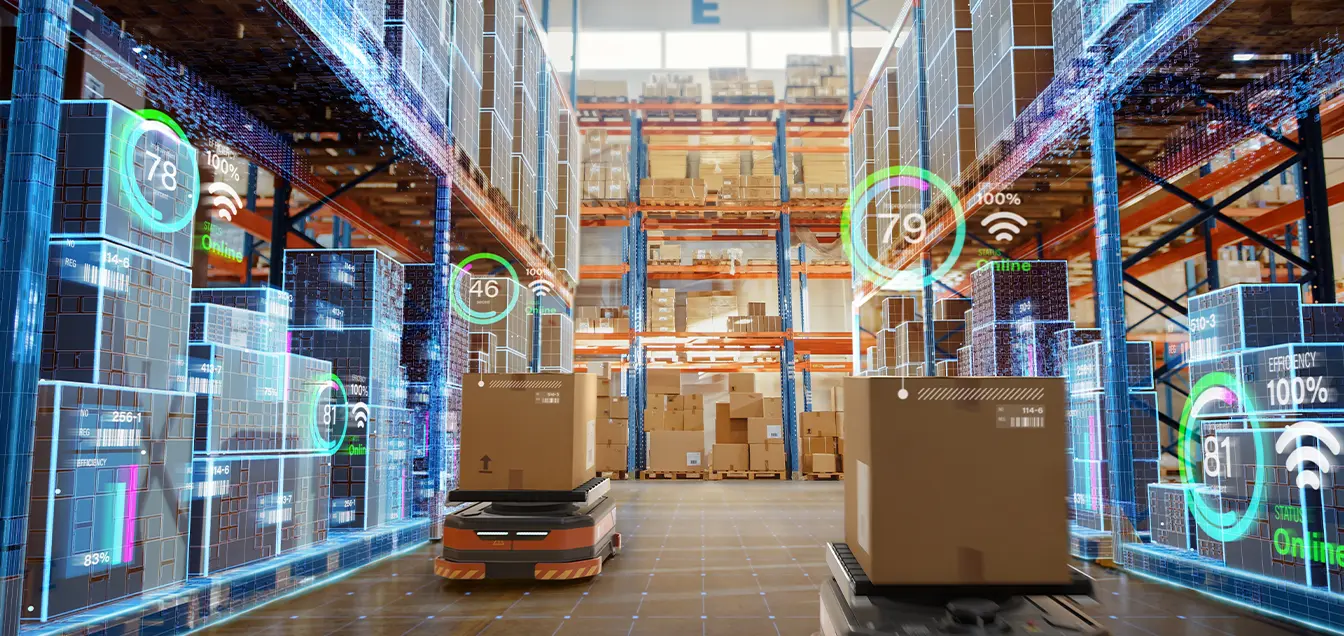
Emerging fulfillment trends include:
- Autonomous mobile robots
- Smart packaging systems
- Voice-directed picking
- RFID inventory tracking
- Predictive analytics
Moreover, machine learning is helping businesses predict stockouts before they happen.
Companies embracing these tools gain stronger margins and faster delivery windows.
Expert Checklist for Better Fulfillment
Use this checklist monthly:
✅ Inventory accuracy above 98%
✅ Packaging errors below 2%
✅ Carrier performance reviewed
✅ Warehouse productivity tracked
✅ Customer delivery complaints monitored
Consistent optimization keeps operations lean.
External Research Recommendation
For deeper industry data, review Statista’s eCommerce market reports:
Statista provides current global retail, logistics, and consumer shipping trend analysis.
Conclusion
The brands winning in modern commerce are not always the ones with the largest marketing budgets—they’re often the ones that streamline order fulfillment better than everyone else.
By choosing the right logistics model, investing in automation, partnering with experts like DelGate, and tracking performance relentlessly, businesses can reduce errors, ship faster, and build stronger customer loyalty.
However competitive the market becomes, operational excellence remains your strongest advantage.