


Have you ever wondered why some online stores in Canada can deliver products in one or two days while others struggle with delays, returns, and customer complaints?
The answer often comes down to order fulfillment optimization. In today’s competitive eCommerce environment, fulfillment is no longer just an operational task—it has become a strategic growth engine. Customer expectations are rising, shipping costs continue to fluctuate, and inventory complexity has increased across provinces.
Moreover, according to industry reports from Statista, global eCommerce sales are expected to continue growing aggressively through 2026, putting additional pressure on supply chains.
This article explains how Canadian businesses can optimize fulfillment operations using modern logistics, automation, data analytics, and strategic partnerships. You’ll discover actionable techniques, real examples, technical insights, and expert recommendations designed to improve speed, accuracy, and profitability.
Table of Contents
Why Order Fulfillment Matters More Than Ever in 2026
Canadian consumers now expect:
- Same-day or next-day shipping
- Real-time tracking updates
- Accurate deliveries
- Flexible return policies
However, businesses often struggle with:
- Rising labor costs
- Warehouse inefficiencies
- Inventory mismatches
- Shipping carrier disruptions
That is why optimize order fulfillment in 2026 is becoming a major business priority.
A strong fulfillment operation can directly impact:
| Metric | Poor Fulfillment | Optimized Fulfillment |
| Order Accuracy | 88% | 99.5% |
| Shipping Speed | 4–6 Days | 1–2 Days |
| Customer Retention | 42% | 71% |
| Return Rate | High | Reduced |
Canadian Market Snapshot (2026)
| Industry | Average Delivery Demand |
| Fashion | 24–48 Hours |
| Electronics | Same Day–48 Hours |
| Health Products | Same Day |
| Food & Grocery | Under 12 Hours |
1. Build a Data-Driven Fulfillment Strategy

Data is now the backbone of operational excellence.
Businesses should track:
- Order cycle time
- Picking accuracy
- Inventory turnover
- Carrier performance
- Return percentages
For example, one Canadian apparel brand reduced warehouse delays by 28% simply by analyzing order bottlenecks during peak holiday periods.
Key KPIs to Monitor
Inventory Accuracy
Accurate inventory prevents overselling and backorders.
Picking Efficiency
Measure how many orders are picked per labor hour.
Delivery SLA Performance
Track whether carriers meet promised delivery windows.
Without measurement, order fulfillment improvement becomes guesswork.
2. Invest in Smart Warehouse Automation
Automation can dramatically reduce human error and increase speed.
Modern businesses use:
- Barcode scanning
- Robotics
- Conveyor systems
- AI demand forecasting
This is where fulfillment technology creates competitive advantages.
According to recent warehouse automation studies, businesses adopting automation report:
- 35% faster order processing
- 25% lower labor costs
- 40% fewer inventory mistakes
Example
A Toronto electronics retailer implemented automated pick-path optimization and reduced average order processing from 17 minutes to 8 minutes.
3. Partner with the Right 3PL Provider
For many growing brands, outsourcing logistics is the smartest move.
This is why optimizing order fulfillment with a 3PL has become increasingly popular across Canada.
A professional 3rd party logistics 3PL provider can manage:
- Inventory storage
- Picking and packing
- Returns processing
- Carrier management
Benefits of Outsourcing
Lower Operational Costs
No need to build your own warehouse network.
Faster National Reach
Ship efficiently to Ontario, British Columbia, Alberta, and Quebec.
Scalability
Handle peak sales periods without hiring temporary teams.
Businesses using 3PL fulfillment services often achieve faster delivery times and lower operating costs.
4. Choose Strategic Warehouse Locations
Location can make or break delivery speed.
Your fulfillment center should be positioned close to your highest customer concentrations.
For Canadian sellers, strategic hubs often include:
- Toronto
- Vancouver
- Calgary
- Montreal
For example, businesses focused on order fulfillment in Vancouver can reduce west coast delivery times significantly.
DelGate: Canada’s Best Pick and Pack Solution
Among fulfillment providers, DelGate stands out as one of the best pick and pack fulfillment centers in Canada.
Why businesses choose DelGate:
- Nationwide shipping network
- Real-time inventory visibility
- Fast same-day dispatch
- Scalable warehousing
- Multi-channel integration
For brands entering competitive Canadian markets, DelGate offers strong operational reliability.
5. Optimize Inventory Allocation
The way inventory is positioned is just as crucial as how much inventory is held.
Smart inventory allocation means:
- Fast-moving SKUs stay near shipping zones
- Seasonal products rotate efficiently
- Safety stock is adjusted dynamically
ABC Inventory Model
| Category | Sales Volume | Storage Priority |
| A | High | Front Zone |
| B | Medium | Mid Zone |
| C | Low | Rear Zone |
This approach helps streamlining order fulfillment across multiple product categories.
6. Improve Multi-Channel Integration
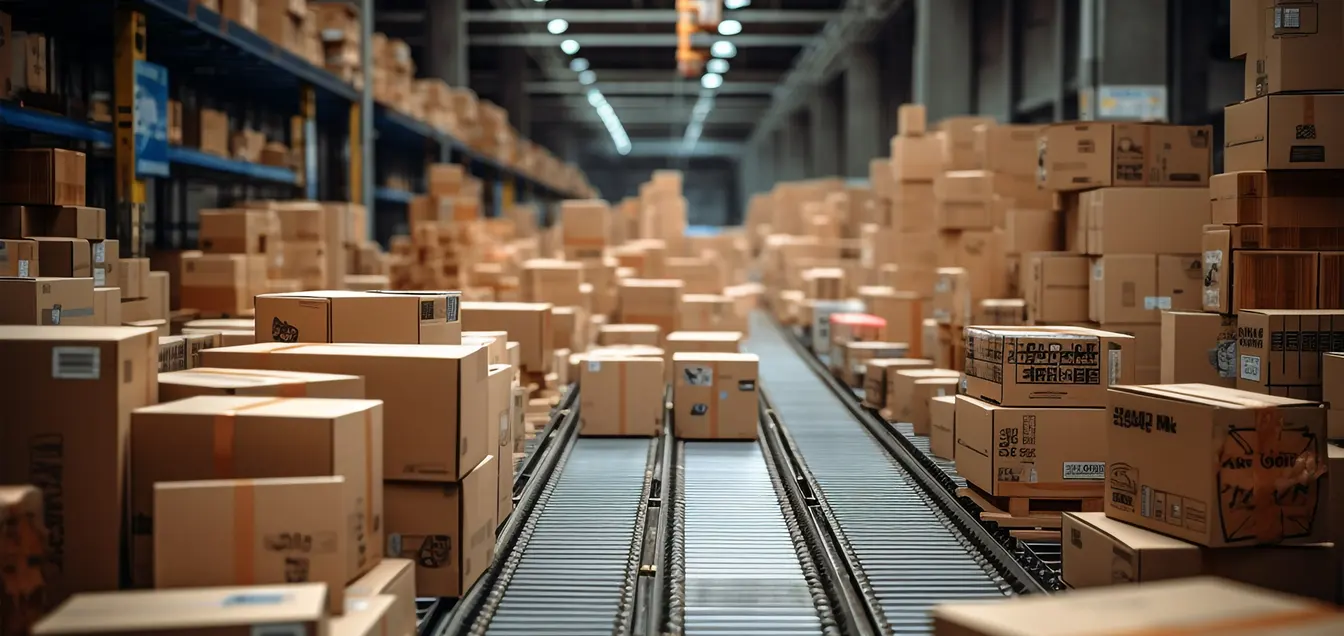
Today’s customers shop everywhere:
- Shopify
- Amazon
- Walmart Marketplace
- TikTok Shop
- Retail stores
Therefore, your retail order fulfillment system must connect all sales channels.
Disconnected systems often create:
- Duplicate orders
- Stock mismatches
- Delayed shipping
Case Study
A beauty brand selling across Shopify and Amazon improved inventory accuracy from 87% to 98% after integrating all sales channels into one dashboard.
For sellers using Amazon Canada Fulfillment Services, integrated systems can also reduce marketplace penalties.
7. Prepare for Seasonal Demand Surges
Holiday spikes can destroy poorly planned operations.
Canadian businesses must prepare for:
- Black Friday
- Boxing Day
- Holiday shopping seasons
The goal is to increase order fulfillment capacity before demand surges.
Preparation Checklist
Labor Planning
Schedule temporary workers early.
Carrier Contracts
Secure backup shipping providers.
Inventory Forecasting
Increase stock for top-performing SKUs.
Preparing in advance allows businesses to prevent stock shortages and ensure timely deliveries.
8. Improve Picking and Packing Accuracy
Picking mistakes directly impact customer trust.
Common issues include:
- Wrong product shipped
- Missing items
- Damaged packaging
Best Practices
Use Zone Picking
Assign workers specific warehouse zones.
Barcode Validation
Verify each product before packing.
Quality Control Checkpoints
Inspect every outgoing package.
An experienced order fulfillment partner can reduce these risks significantly.
9. Design Flexible Fulfillment Models

Different businesses require different strategies.
Understanding the types of order fulfillment helps brands choose wisely.
Common Models
In-House Fulfillment
Best for startups with low volume.
Dropshipping
Low inventory risk but lower control.
Hybrid Fulfillment
Combines warehouse control with outsourcing.
Outsourced Logistics
Best for fast-growing brands.
Many Canadian brands are now optimizing order fulfillment with a 3PL while maintaining strategic in-house control for premium products.
Advanced Technology Trends in 2026
AI Demand Forecasting
Machine learning models now predict:
- Regional buying patterns
- Seasonal demand
- Carrier congestion
Digital Twins
Warehouses are using virtual simulations to improve operational flow.
Autonomous Mobile Robots
Robots can increase pick efficiency by up to 50%.
These innovations help businesses optimize order fulfillment in 2026 with greater precision.
Real Case Study: Canadian Brand Success
A mid-sized supplement company operating in Ontario faced:
- Late deliveries
- 14% return rates
- Inventory errors
After implementing:
- Warehouse automation
- Multi-node inventory
- DelGate fulfillment support
Results after 6 months:
| KPI | Before | After |
| Delivery Time | 4.8 Days | 1.9 Days |
| Order Accuracy | 89% | 99.3% |
| Return Rate | 14% | 6% |
| Operating Cost | 100% | 76% |
This demonstrates how order fulfillment optimization can directly improve profitability.
Expert Recommendations for Canadian Brands
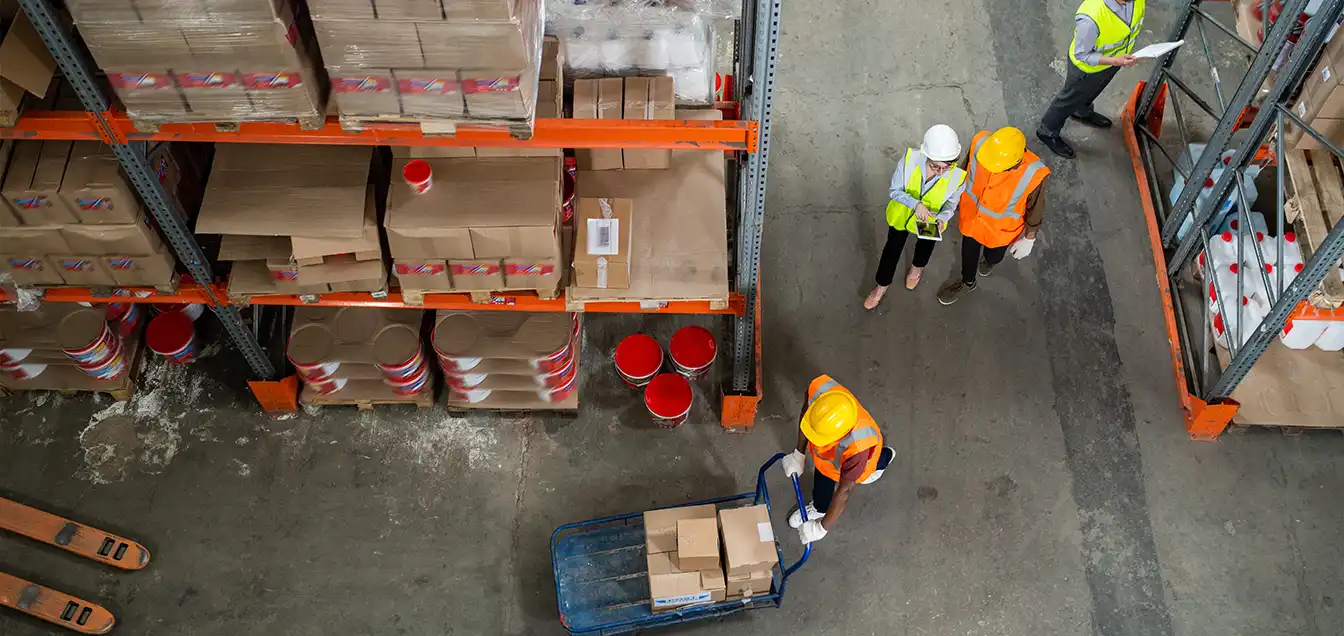
To stay competitive, prioritize:
- Automation
- Inventory visibility
- Carrier diversification
- Regional warehousing
- Customer communication
Moreover, industry leaders suggest auditing fulfillment systems every quarter.
For additional industry data, consider reviewing trusted sources such as Statista or Forbes for updated logistics trends.
Technical Infrastructure Checklist
Before scaling, ensure your business has:
| System | Purpose |
| WMS | Warehouse management |
| OMS | Order management |
| ERP | Business planning |
| TMS | Transportation control |
Without this digital stack, scaling becomes expensive and unpredictable.
Conclusion
In 2026, order fulfillment optimization is no longer optional—it is essential for survival in Canadian eCommerce.
From automation and strategic warehouse placement to data analytics and 3PL partnerships, every improvement creates measurable business impact.
Businesses that invest early in smarter fulfillment systems will reduce costs, improve customer loyalty, and scale faster.
In short, fulfillment is no longer just about shipping products—it is about building customer trust, protecting margins, and creating long-term competitive advantage.
If your business is ready to scale, choosing the right systems, locations, and partners—especially trusted providers like DelGate—can transform your logistics performance.