


Ever felt overwhelmed when orders suddenly spike and your system just can’t keep up? You’re not alone. Many businesses hit a breaking point where demand outpaces their ability to deliver efficiently.
Learning how to increase order fulfillment capacity is no longer optional—it’s essential for growth, customer satisfaction, and long-term success.
In this guide, you’ll discover practical, real-world strategies to scale your fulfillment operations in just 30 days. From optimizing workflows to leveraging advanced logistics models, everything here is designed to deliver results—fast.
Table of Contents
Why Increasing Order Fulfillment Capacity Matters
Growing businesses often face a paradox: more sales but more operational stress. Without the ability to scale fulfillment, success can quickly turn into chaos.
Key Impacts of Limited Capacity
- Delayed shipments leading to poor customer experience
- Increased operational costs due to inefficiencies
- Higher return rates from incorrect orders
- Lost revenue opportunities
According to a recent Statista report, global eCommerce sales surpassed $6.3 trillion in 2025, pushing logistics systems to their limits. Businesses that adapt quickly outperform competitors by up to 40% in delivery efficiency.
Step 1: Audit Your Current Fulfillment Process
Before scaling, you need clarity.
What to Analyze
- Order processing time
- Picking and packing accuracy
- Inventory turnover rate
- Shipping delays
Example Insight
A mid-sized retailer reduced fulfillment delays by 22% simply by identifying bottlenecks in manual picking processes.
Quick Audit Checklist
- Where are delays happening?
- Are employees overloaded?
- Is inventory data accurate?
Understanding these gaps is the first step toward how to improve order fulfillment effectively.
Step 2: Optimize Warehouse Layout
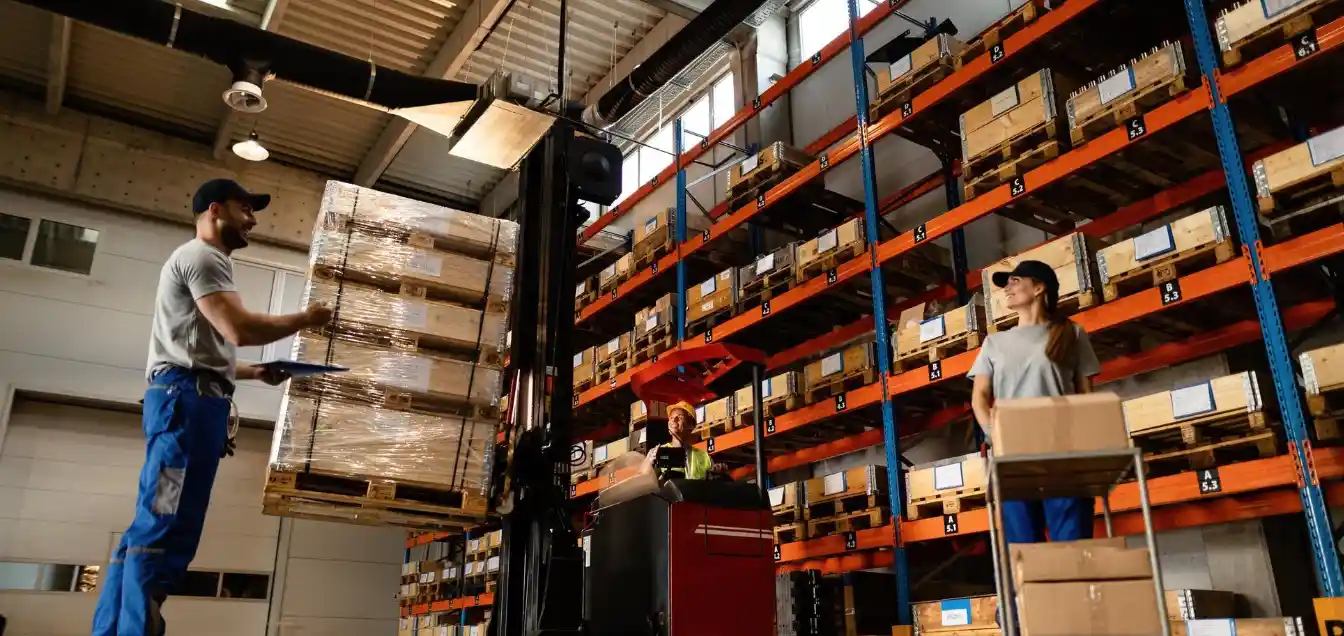
Your warehouse layout directly impacts speed and efficiency.
Smart Layout Strategies
- Place fast-moving items near packing stations
- Use vertical storage systems
- Implement zone-based picking
Case Study Snapshot
| Strategy Implemented | Result |
| Zone picking | +30% efficiency |
| Barcode scanning | -25% errors |
| Layout redesign | -18% walking time |
A well-organized fulfillment center can dramatically improve throughput without adding staff.
Step 3: Leverage Automation and Technology
Manual processes slow growth. Automation accelerates it.
Essential Tools
- Warehouse Management Systems (WMS)
- Automated picking systems
- AI-driven demand forecasting
Using advanced fulfillment technology helps reduce human error and speeds up processing.
Example
Companies adopting automation report:
- 50% faster order processing
- 99.9% accuracy rates
Moreover, automation allows teams to focus on strategic tasks rather than repetitive work.
Step 4: Partner with a 3PL Provider
Sometimes scaling internally isn’t enough.
What is 3PL?
3rd party logistics 3PL providers handle storage, packing, and shipping for businesses.
Benefits of Outsourcing
- Faster delivery networks
- Reduced operational costs
- Scalable infrastructure
For example, DelGate, recognized as the best pick and pack fulfillment center in Canada, helps businesses scale quickly without heavy investment.
Why It Works
By optimizing order fulfillment with a 3PL, companies can focus on growth while logistics experts handle operations.
Step 5: Improve Inventory Management
Inventory issues are one of the biggest barriers to scaling.
Common Problems
- Overstocking
- Stockouts
- Inaccurate tracking
Solutions
- Real-time inventory tracking
- Demand forecasting tools
- Automated stock alerts
Example
A fashion retailer improved stock accuracy from 85% to 98% after implementing real-time tracking systems.
Step 6: Streamline Order Processing Workflows
Efficiency comes from simplicity.
Key Workflow Improvements
- Standardize packing procedures
- Use batch processing for orders
- Reduce manual data entry
This approach to streamlining order fulfillment ensures faster turnaround times.
Step 7: Expand Shipping Capabilities
Shipping delays can ruin even the best operations.
How to Scale Shipping
- Partner with multiple carriers
- Offer regional fulfillment hubs
- Use predictive shipping analytics
Real Example
Businesses using multi-carrier systems reduce shipping costs by up to 15%.
Step 8: Train and Empower Your Team
Technology alone isn’t enough—your team matters.
Training Focus Areas
- Picking accuracy
- Packing standards
- Technology usage
Insight
Companies investing in staff training see 20–25% productivity gains within weeks.
Step 9: Implement Data-Driven Decision Making
Data is your most powerful tool.
Metrics to Track
- Order fulfillment rate
- Order accuracy
- Average processing time
Example Dashboard
| Metric | Ideal Benchmark |
| Order Accuracy | 99%+ |
| Fulfillment Time | <24 hours |
| Return Rate | <5% |
Using data helps identify trends and improve continuously.
Step 10: Diversify Fulfillment Models

Understanding different types of order fulfillment can help you scale smarter.
Common Models
- In-house fulfillment
- Dropshipping
- Hybrid models
Advanced Strategy
Using multiple models ensures flexibility during demand spikes.
Step 11: Localize Fulfillment for Faster Delivery
Location matters more than ever.
For example, businesses targeting Canadian markets benefit from order fulfillment in Vancouver, which reduces shipping times across western regions.
Benefits
- Faster delivery
- Lower shipping costs
- Improved customer satisfaction
Step 12: Choose the Right Fulfillment Partner
Selecting the right order fulfillment provider is crucial.
What to Look For
- Proven track record
- Advanced technology
- Scalable infrastructure
Providers like DelGate offer tailored order retail fulfillment solutions that adapt to business needs.
Step 13: Explore Marketplace Fulfillment Options
Large platforms offer built-in logistics support.
Example
Amazon Canada Fulfillment Services allow businesses to leverage Amazon’s vast network for faster deliveries.
When to Use
- High-volume sellers
- Businesses targeting Prime customers
Step 14: Scale with Specialized 3PL Services
Advanced logistics requires specialized solutions.
Benefits of 3PL Fulfillment Services
- Custom packaging
- International shipping
- Returns management
Using 3PL fulfillment services ensures your operations grow without complexity.
Step 15: Build a 30-Day Action Plan

Here’s a simple roadmap to increase order fulfillment capacity quickly:
Week 1: Assessment
- Audit processes
- Identify bottlenecks
Week 2: Optimization
- Improve layout
- Implement workflow changes
Week 3: Technology & Partnerships
- Add automation tools
- Partner with a 3PL
Week 4: Scaling
- Expand shipping
- Train staff
- Monitor performance
External Resource
For deeper insights into logistics trends, check this resource:
https://www.statista.com/topics/871/online-shopping/
Conclusion
Scaling your operations doesn’t have to take months or years. With the right strategy, tools, and partnerships, you can increase order fulfillment capacity in just 30 days.
From optimizing workflows to leveraging experts like DelGate, every step you take brings you closer to faster deliveries, happier customers, and higher profits.
In short, the key is simple: analyze, optimize, automate, and scale.