

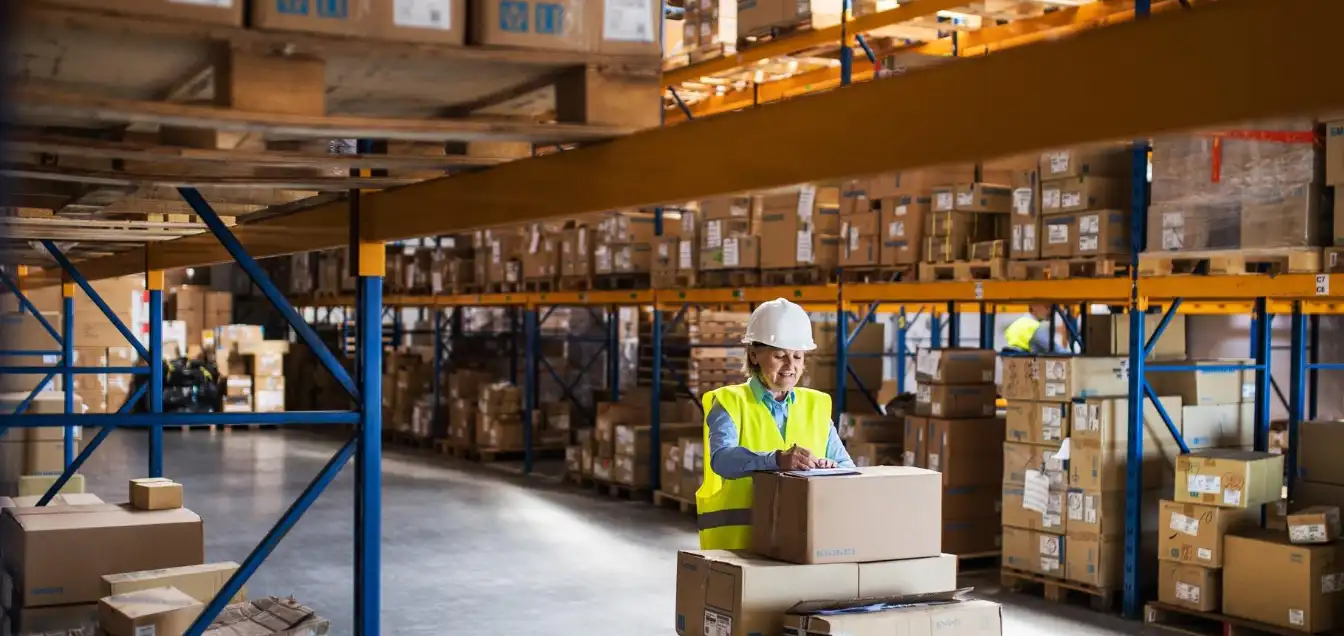
Ever wondered why some businesses deliver seamlessly while others struggle with delays and unhappy customers? The answer often lies in order fulfillment logistics.
In today’s fast-paced ecommerce environment, customers expect speed, accuracy, and transparency. However, even small inefficiencies in logistics and order fulfillment can lead to lost sales and damaged reputation.
This article explores the most common mistakes businesses make and how to avoid them. From inventory mismanagement to poor technology adoption, you’ll gain actionable insights to optimize your operations and stay competitive.
Table of Contents
Why Order Fulfillment Logistics Matters More Than Ever
The global ecommerce market is projected to surpass $7 trillion by 2027, according to Statista. This growth puts immense pressure on businesses to streamline their logistics order fulfillment processes.
Moreover, 84% of customers say they won’t return after a poor delivery experience. That’s a strong reminder that fulfillment isn’t just operational—it’s strategic.
In short, efficient order fulfillment logistics service directly impacts:
- Customer satisfaction
- Operational costs
- Brand reputation
- Business scalability
1. Poor Inventory Management
The Problem
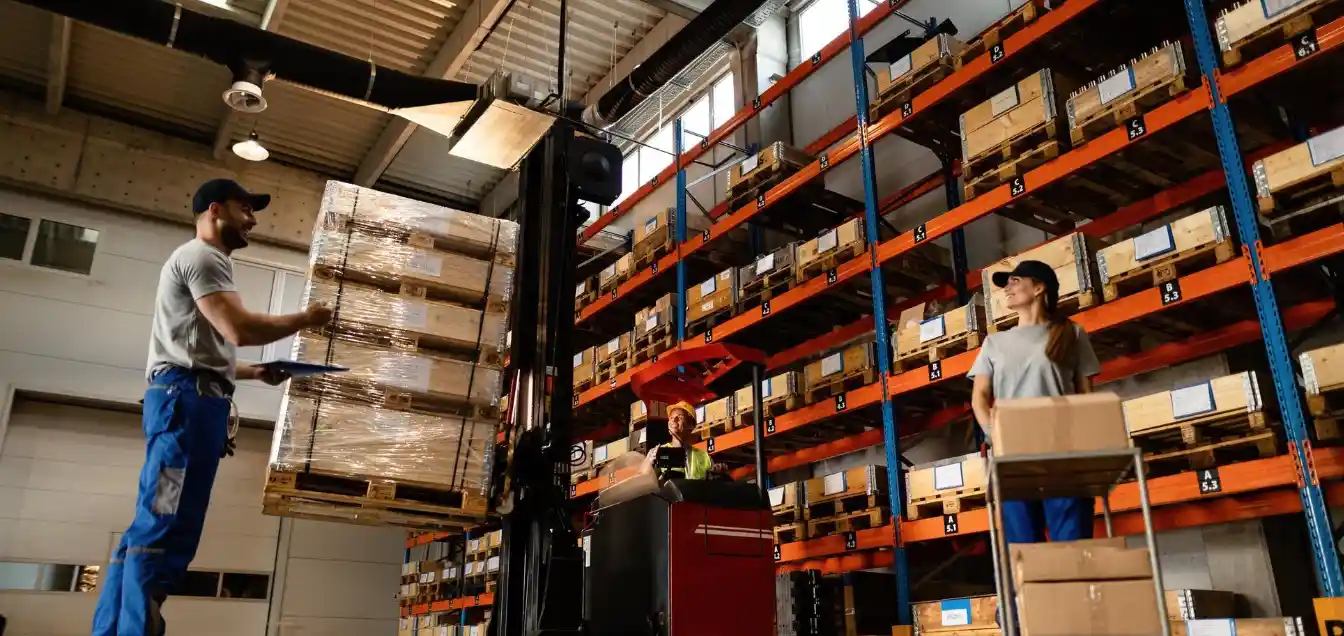
Inventory errors are one of the biggest challenges in logistics management role in order fulfillment.
Stockouts lead to missed sales, while overstocking increases storage costs.
Example
A mid-sized retailer lost 18% of revenue due to inaccurate stock tracking during peak season.
Solution
- Use real-time inventory tracking systems
- Implement demand forecasting tools
- Conduct regular audits
Moreover, integrating fulfillment technology solutions ensures better visibility across warehouses.
2. Lack of Automation in Fulfillment
The Problem
Manual processes slow down operations and increase human error.
Why It Matters
Businesses relying on spreadsheets often struggle with scaling their online order fulfillment process.
Solution
- Automate order processing and labeling
- Use warehouse management systems (WMS)
- Implement barcode scanning
For example, companies adopting automation report up to 30% faster processing times.
3. Choosing the Wrong Fulfillment Partner
The Problem
Not all providers offering logistics solutions provides order fulfillment are equal.
Case Insight
A Canadian brand improved delivery speed by 40% after switching to DelGate, recognized as the best pick and pack fulfillment center in Canada.
What to Look For
- Proven track record
- Scalable infrastructure
- Transparent pricing
- Multi-location support
Whether you’re working with a 3PL Logistics provider or in-house team, alignment is crucial.
4. Inefficient Warehouse Layout
The Problem
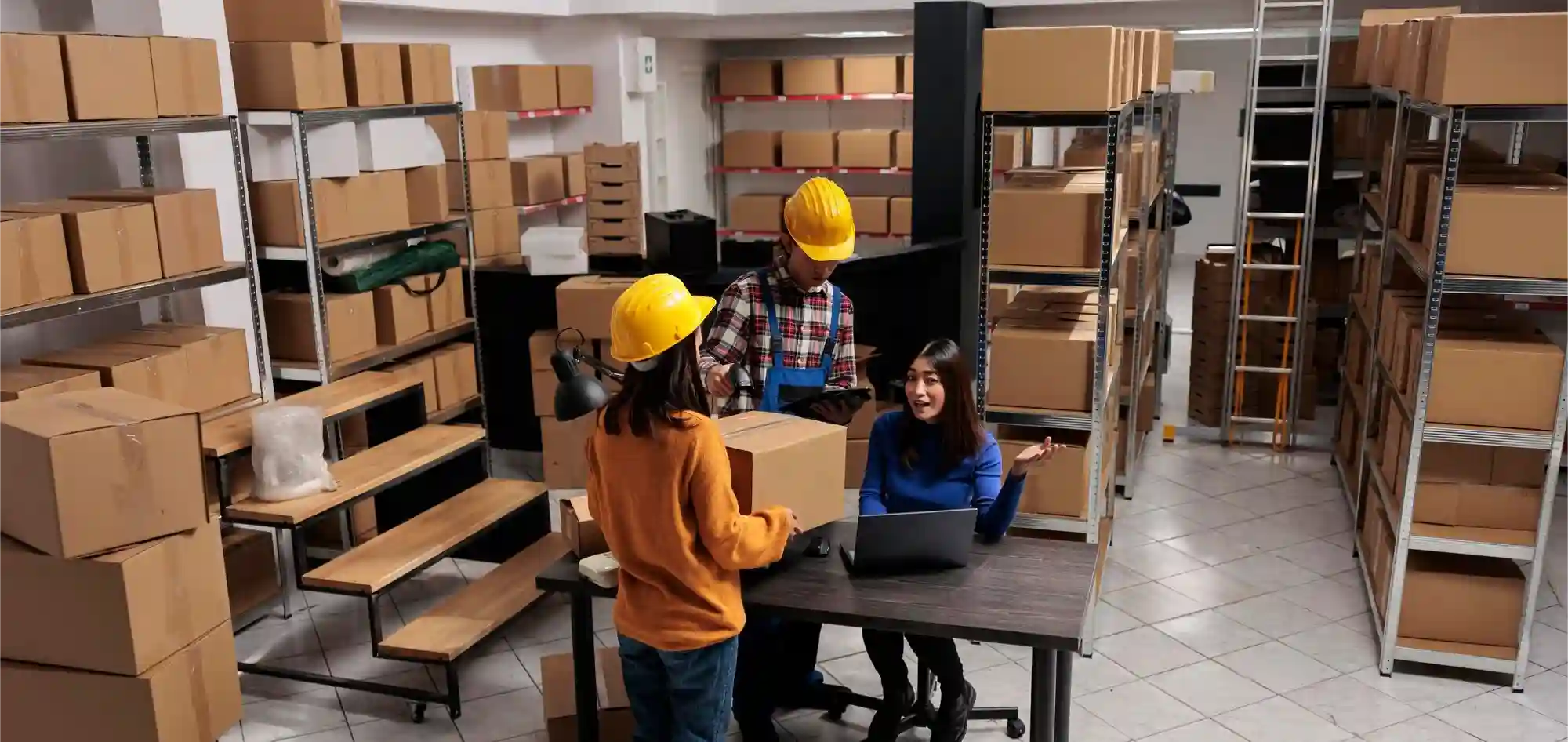
A poorly organized warehouse increases picking time and errors.
Example Table: Warehouse Efficiency Impact
| Layout Type | Picking Speed | Error Rate |
| Disorganized | Slow | High |
| Optimized Layout | Fast | Low |
Solution
- Group high-demand items together
- Optimize picking routes
- Use zone-based systems
For instance, a fulfillment center Vancouver improved efficiency by 25% after redesigning its layout.
5. Ignoring Multi-Channel Fulfillment Needs
The Problem
Modern businesses sell across multiple platforms—Amazon, Shopify, and more.
Handling a multi-channel fulfillment order without proper systems leads to confusion and delays.
Solution
- Centralize order management
- Sync inventory across platforms
- Use integrated software
For example, brands using Shopify fulfillment Canada solutions see better order accuracy and faster delivery.
6. Slow Shipping and Delivery Times
The Problem
Customers expect fast order fulfillment, often within 1–2 days.
Statistics
- 62% of shoppers expect delivery within 3 days
- 41% abandon carts due to slow shipping
Solution
- Use regional warehouses like an ecommerce fulfillment Toronto hub
- Partner with reliable carriers
- Offer expedited shipping options
Moreover, Retail fulfillment strategies like same-day delivery can boost conversions significantly.
7. Not Understanding Fulfillment Models
The Problem
Many businesses fail to evaluate different order fulfillment types.
Common Models
- In-house fulfillment
- Third-party logistics
- Dropshipping
Comparison: Drop Shipping vs Order Fulfillment
| Feature | Dropshipping | Order Fulfillment |
| Inventory Control | Low | High |
| Delivery Speed | Slower | Faster |
| Branding Options | Limited | Flexible |
Understanding drop shipping vs order fulfillment helps businesses choose the right model for growth.
Advanced Strategies for Better Logistics and Order Fulfillment
Leverage Data Analytics
Track KPIs like:
- Order accuracy rate
- Delivery time
- Return rate
Use Kitting Services
Bundling products using kitting services improves efficiency and customer experience.
Expand Geographically
Operating a Canadian fulfillment center helps reduce shipping times across regions.
Real-World Case Study
A growing ecommerce brand partnered with DelGate to optimize its order fulfillment logistics service.
Results:
- 35% reduction in shipping costs
- 50% faster delivery times
- 20% increase in customer retention
This highlights the importance of choosing the right fulfillment strategy.
External Resource
For deeper insights into logistics systems, explore this helpful guide:
https://en.wikipedia.org/wiki/Logistics
Conclusion
Mistakes in order fulfillment logistics can quietly drain profits and damage customer trust. However, with the right strategies, tools, and partners, these challenges can be transformed into competitive advantages.
To recap:
- Optimize inventory and warehouse layout
- Embrace automation and technology
- Choose reliable fulfillment partners like DelGate
- Adapt to multi-channel and fast delivery demands
In today’s competitive landscape, efficient fulfillment isn’t optional—it’s essential. Start refining your processes now to build a scalable and customer-focused operation.