

Have you ever wondered why some online stores grow rapidly while others struggle to survive despite great products? The answer often lies in how they handle drop shipping vs order fulfillment.
In today’s competitive eCommerce landscape, fulfillment strategy is no longer just a backend operation—it’s a growth engine. Whether you’re running a Shopify store or scaling a multi-channel brand, your fulfillment model impacts delivery speed, customer satisfaction, and profit margins.
In this guide, you’ll learn the key differences between dropshipping and traditional fulfillment, how each model works, real industry examples, and which option can help you scale faster in 2026.
Understanding Drop Shipping vs Order Fulfillment
The debate around dropshipping vs order fulfillment is not new, but it has become more relevant as customer expectations rise.
Dropshipping allows sellers to list products without holding inventory. Meanwhile, order fulfillment involves storing products in a warehouse and shipping them directly to customers.
Both models serve different business needs, but they impact operations very differently.
Table of Contents
What is Dropshipping?
Dropshipping is a retail model where the seller does not keep inventory in stock. Instead, orders are forwarded to a supplier who ships the product directly to the customer.
Key Characteristics:
- No inventory storage
- Low startup costs
- Minimal operational control
- Dependence on suppliers
A common dropshipping order fulfillment process involves:
- Customer places order
- Store forwards order to supplier
- Supplier ships product
- Customer receives order
While simple, this model often struggles with shipping delays and quality control issues.
What is Order Fulfillment?

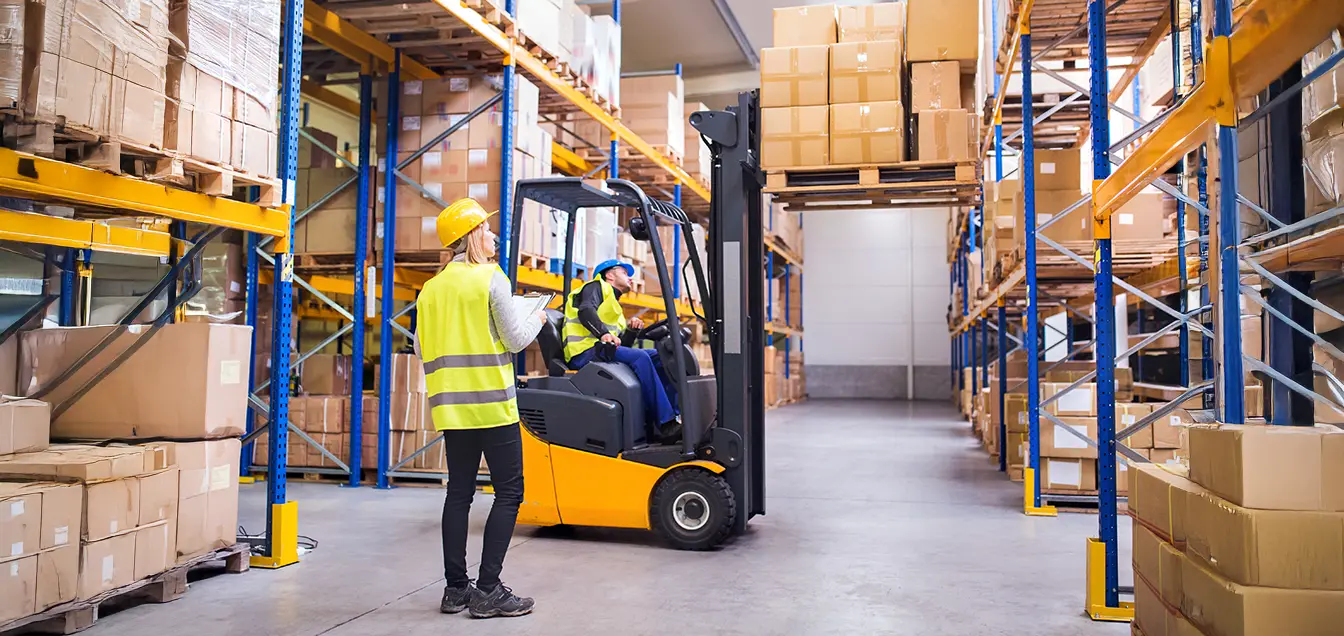
Order fulfillment is a logistics model where businesses store inventory in a warehouse and ship products directly to customers once an order is placed.
Unlike dropshipping, this method ensures better control over packaging, delivery speed, and branding.
The drop shipping order fulfillment alternative offers:
- Faster delivery times
- Better product quality control
- Higher customer satisfaction
- Scalable logistics systems
This model is widely used by established eCommerce brands.
Dropshipping Order Fulfillment Process Explained
To understand how both systems differ, let’s break down the dropshipping order fulfillment process versus traditional fulfillment.
Comparison Table:
| Feature | Dropshipping | Order Fulfillment |
| Inventory | Supplier-held | Business-held |
| Shipping Speed | Slow (5–20 days) | Fast (1–5 days) |
| Control | Low | High |
| Branding | Limited | Fully customizable |
| Profit Margin | Lower | Higher |
Moreover, businesses using fulfillment centers report up to 30–45% faster delivery times compared to dropshipping models.
Why Order Fulfillment Is Gaining Popularity in 2026
With rising customer expectations driven by Amazon-like delivery standards, fulfillment is becoming the backbone of eCommerce.
Recent industry reports show:
- 73% of shoppers expect delivery within 3 days
- 56% abandon carts due to slow shipping
- Fast fulfillment increases repeat purchase rates by 32%
This shift explains why businesses are moving away from pure dropshipping models.
Types of Order Fulfillment Systems
Understanding order fulfillment types helps businesses choose the right structure:
1. In-house fulfillment
Handled by the business itself.
2. Third-party fulfillment (3PL)
Outsourced to logistics providers.
3. Hybrid model
Combination of in-house and outsourced fulfillment.
Many growing brands rely on 3PL Logistics providers to scale efficiently.
Dropshipping vs Fulfillment: Cost & Profit Analysis
Let’s break down profitability differences:
Dropshipping:
- Profit margin: 10%–25%
- Low risk
- High competition
- Shipping delays reduce customer retention
Order Fulfillment:
- Profit margin: 30%–60%
- Higher upfront investment
- Better brand control
- Higher repeat purchase rates
In short, dropshipping is easier to start, but fulfillment is better for scaling profitably.
Real Case Study: eCommerce Growth with Fulfillment
A mid-sized fashion brand switched from dropshipping to fulfillment and saw dramatic results:
- Delivery time reduced from 12 days to 3 days
- Return rate dropped by 18%
- Revenue increased by 42% in 6 months
This shows how order fulfillment performance directly impacts business growth.
Role of Fulfillment Centers in Modern eCommerce
Modern fulfillment relies on automation, robotics, and smart tracking systems.
A Canadian fulfillment center can process thousands of orders daily with high accuracy, making it ideal for international sellers targeting North America.
For example, a fulfillment center Vancouver helps West Coast businesses reduce shipping delays significantly.
Similarly, ecommerce fulfillment Toronto plays a major role in handling high-volume urban demand.
Technology Driving Fulfillment Success
Modern logistics depends heavily on automation tools and software.
Advanced fulfillment technology solutions include:
- AI-powered inventory tracking
- Automated picking systems
- Real-time order dashboards
- Predictive shipping analytics
These systems improve order fulfillment operation efficiency by reducing human errors and delays.
Retail and Multi-Channel Fulfillment Growth
Today’s businesses sell across multiple platforms like Amazon, Shopify, and Walmart.
This requires Retail fulfillment systems that support integrated logistics.
A multi channel fulfillment order system ensures seamless delivery across all platforms without inventory conflicts.
Additionally, Shopify fulfillment Canada solutions are widely used by growing Shopify merchants for automated order handling.
Why Businesses Prefer 3PL and Professional Providers
Most growing brands now rely on online order fulfillment provider companies to scale faster.
Benefits include:
- Reduced shipping costs
- Access to global warehouses
- Faster delivery speeds
- Professional packaging
A trusted Canadian fulfillment center like DelGate is widely recognized as the best pick and pack fulfillment center in Canada, offering advanced logistics support for scaling eCommerce brands.
Kitting, Packaging, and Value-Added Services
Modern fulfillment is not just about shipping.
Services like kitting services allow businesses to bundle multiple products into a single package, improving customer experience and increasing order value.
Fast Shipping as a Competitive Advantage
Speed is now a deciding factor in online shopping.
Brands offering fast order fulfillment consistently outperform competitors in conversion rates and customer retention.
Studies show that even a 1-day reduction in delivery time can increase conversions by up to 17%.
Dropshipping Limitations in 2026
Despite its popularity, dropshipping faces challenges:
- Long shipping delays
- Low brand control
- Supplier dependency
- Quality inconsistency
These issues are pushing more entrepreneurs toward fulfillment-based models.
Future of Order Fulfillment
The future is clearly shifting toward automation, AI, and localized warehouses.
Experts predict that by 2030, over 80% of eCommerce businesses will use hybrid fulfillment systems combining local warehouses with global distribution networks.
Conclusion
The debate around drop shipping vs order fulfillment ultimately comes down to control versus convenience.
Dropshipping is ideal for beginners testing products with minimal investment. However, order fulfillment is the clear winner for businesses aiming for scalability, customer satisfaction, and long-term profitability.
With rising customer expectations, fast shipping, and automation, fulfillment-based models are becoming the backbone of modern eCommerce success.
If your goal is to build a sustainable brand in 2026, investing in professional fulfillment systems is no longer optional—it’s essential.
External Resource Suggestion
For deeper insights into global eCommerce logistics trends, visit:
https://www.statista.com/topics/871/online-shopping/