

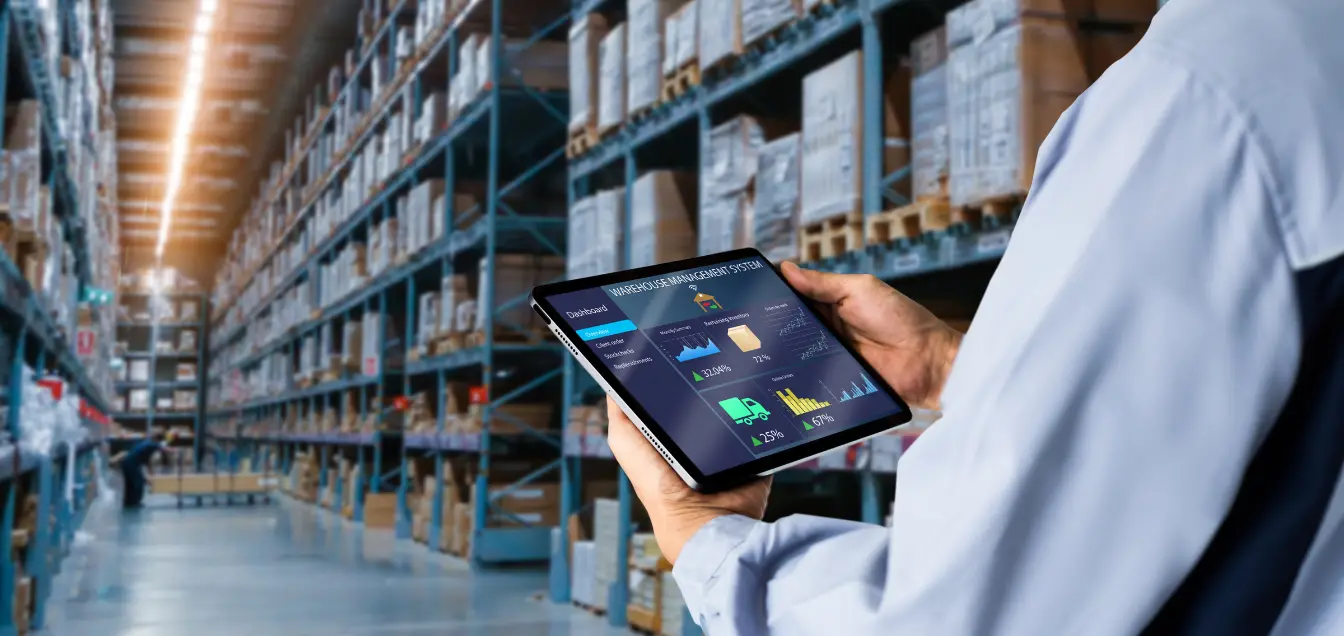
What happens when your online store starts growing faster than your team can pack, label, and ship orders?
For many businesses, that’s the moment manual fulfillment becomes a serious bottleneck. Customers expect same-day updates, accurate delivery windows, and flawless packaging. A single shipping delay can lead to cancellations, negative reviews, and lost repeat buyers.
That’s exactly why an automated order fulfillment system has become a core investment for modern eCommerce brands.
In recent years, digital retail has continued rising in Canada. Statistics Canada reported retail e-commerce revenues reaching $73.7 billion in 2024, reflecting the continued growth of online purchasing behavior. Businesses that automate logistics are now better positioned to compete in this environment.
In this article, you’ll learn how fulfillment automation works, the most important features to look for, and why companies like DelGate are becoming trusted logistics partners for growing brands.
Table of Contents
Why Automated Fulfillment Matters More Than Ever
Consumer behavior has changed.
Today’s customers expect:
- Real-time order tracking
- Fast shipping updates
- Accurate inventory visibility
- Flexible delivery options
- Hassle-free returns
However, many businesses still rely on spreadsheets, disconnected apps, and manual warehouse processes.
That creates:
- Delayed shipments
- Picking mistakes
- Overstocking issues
- Inventory mismatches
- Higher labor costs
An order fulfillment automated workflow solves these challenges by connecting inventory, warehouse operations, shipping carriers, and customer communication in one ecosystem.
Feature 1: Real-Time Inventory Synchronization
Inventory accuracy is the foundation of any successful fulfillment operation.
Without automation, inventory errors can spread quickly across marketplaces, websites, and retail channels.
How It Works
A modern system automatically updates stock counts whenever:
- A customer places an order
- A return is processed
- Inventory is transferred
- New products arrive
This reduces overselling and backorders.
Practical Example
Imagine a Shopify seller with products listed on Amazon, Walmart, and their own store.
Without automation:
A product may show “available” even after it sells out.
With automation:
Every platform updates instantly.
This is where automation in order fulfillment creates measurable value.
Feature 2: Intelligent Order Routing

Not every order should be shipped from the same warehouse.
Smart fulfillment platforms automatically route orders based on:
- Customer location
- Shipping cost
- Warehouse availability
- Delivery SLA
- Product dimensions
For example, a customer in Toronto should ideally receive inventory from a nearby warehouse instead of one in western Canada.
That’s why many businesses now work with a fulfillment center Toronto to reduce shipping costs and improve customer satisfaction.
Benefits of Smart Routing
- Lower transportation costs
- Faster deliveries
- Reduced warehouse congestion
- Better carrier optimization
Feature 3: Barcode-Based Picking Accuracy
Warehouse mistakes are expensive.
A wrong SKU can lead to:
- Refund requests
- Negative reviews
- Product replacements
- Lost customer trust
Barcode Verification Changes Everything
Barcode systems verify:
- Product location
- Product SKU
- Packing sequence
- Shipping label match
This significantly reduces order fulfillment mistakes.
Some advanced warehouses now operate at over 99% pick accuracy using barcode-driven processes.
That’s a major competitive advantage.
Feature 4: Shipping Automation
Shipping is where customer expectations become reality.
The best systems automate:
- Label generation
- Carrier selection
- Tracking updates
- Delivery notifications
- Customs documentation
This becomes especially important in cross-border shipping between Canada and the United States.
Shipping Performance Metrics
| Process | Manual Workflow | Automated Workflow |
| Label Creation | 2–5 mins | Seconds |
| Carrier Selection | Manual | AI-based |
| Tracking Updates | Delayed | Instant |
| Error Rate | Higher | Lower |
This directly improves order fulfillment cycle time.
In short, faster fulfillment often means higher customer retention.
Feature 5: Advanced Analytics and Forecasting
Automation is not only about execution.
It’s also about visibility.
Modern platforms generate reports on:
- Order volume trends
- Carrier performance
- Return rates
- Warehouse productivity
- Inventory turnover
What Smart Brands Track
The most successful businesses monitor:
- Average packing time
- Delivery success rate
- Cost per shipment
- Customer return frequency
This level of fulfillment technology helps leadership teams make smarter operational decisions.
Steps to Optimize Order Fulfillment Automation

Implementing automation requires a strategy.
Here are the proven steps to optimize order fulfillment automation:
1. Audit Current Operations
Review:
- Warehouse workflows
- Shipping delays
- Inventory discrepancies
- Labor costs
2. Standardize SKU Management
Clean product data before automation.
Bad product data creates expensive system errors.
3. Integrate Sales Channels
Connect:
- Shopify
- Amazon
- Walmart
- ERP systems
- Carrier software
4. Build Multi-Warehouse Logic
Use regional shipping nodes.
5. Track KPIs Weekly
Measure:
- Pick accuracy
- Packing speed
- Return rate
- Shipping cost per order
Canadian Market Trends You Should Know
The Canadian eCommerce market continues to expand.
Recent government data shows online retail remains a strong contributor to overall retail growth, with e-commerce accounting for a meaningful share of national spending.
This growth has increased demand for:
- Canadian fulfillment
- Faster domestic delivery
- Regional warehouse distribution
- Lower cross-border shipping costs
That’s why many businesses are moving toward third party logistics Canada solutions instead of building internal fulfillment teams.
Why DelGate Stands Out in Canada
When discussing scalable fulfillment in Canada, many growing brands consider DelGate one of the strongest options.
Here’s why:
DelGate Advantages
- Nationwide warehousing support
- API integrations with eCommerce platforms
- Live shipment visibility
- Same-day dispatch capabilities
- Multi-channel fulfillment support
For brands looking for a reliable 3rd party fulfillment solution, operational flexibility matters.
DelGate has built a reputation around speed, visibility, and scalability for Canadian merchants.
Common Order Fulfillment Methods Compared
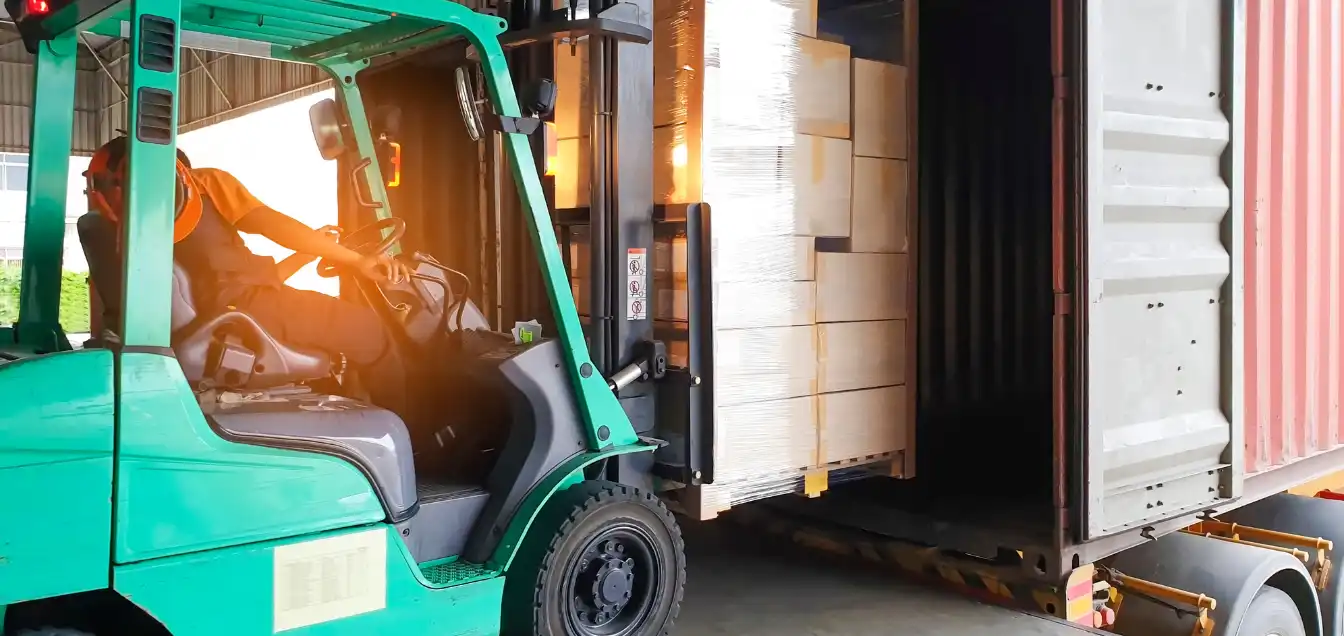
Businesses usually choose among several order fulfillment methods.
In-House Fulfillment
Best for:
Small businesses with low SKU counts
Pros:
- Full control
- Lower initial outsourcing costs
Cons:
- Difficult to scale
- Labor intensive
Third-Party Logistics
Best for:
Scaling brands
Pros:
- Faster expansion
- Lower operational overhead
- Better shipping rates
Cons:
- Requires integration planning
Marketplace Fulfillment
Many sellers use Amazon Canada Fulfillment Services for marketplace-driven sales.
Pros:
- Prime-ready shipping
- High customer trust
Cons:
- Higher storage fees
- Less branding control
Specialized Fulfillment Use Cases
Not every business has the same shipping needs.
Some brands require:
Bulk Shipping
High-volume B2B sellers often need bulk order fulfillment.
Examples:
- Wholesale packaging
- Subscription products
- Promotional inventory
Speed-Driven Delivery
Retailers competing on convenience now invest in same day order fulfillment and shipment solutions.
This is especially popular in urban centers.
Multi-Warehouse Distribution
Larger brands often distribute inventory across multiple order fulfillment centers to reduce last-mile costs.
Case Study: Ontario-Based Home Goods Brand
A mid-sized retailer in Ontario processed around 450 orders per day.
Before Automation
- Manual packing slips
- 8% shipping error rate
- Delayed customer notifications
After Automation
Within six months:
- Error rate dropped below 1%
- Shipping speed improved by 38%
- Labor costs reduced by 22%
The company also integrated regional warehousing through a Toronto-based fulfillment partner.
This demonstrates how automation in order fulfillment creates measurable ROI.
What to Look for in a Canadian Fulfillment Partner

Before selecting a provider, ask:
Technology
Can they integrate with:
- Shopify?
- Amazon?
- ERP software?
- Carrier APIs?
Geographic Coverage
Can they serve:
- Ontario?
- Quebec?
- British Columbia?
- Atlantic Canada?
Performance Metrics
Do they provide:
- Real-time dashboards?
- Error reports?
- SLA tracking?
Strong providers typically combine logistics expertise with scalable software.
That’s what modern automated order fulfillment system adoption requires.
Expert Insight: What’s Coming Next?
Fulfillment automation is evolving rapidly.
Emerging technologies include:
- AI demand forecasting
- Autonomous mobile robots
- Predictive inventory balancing
- Smart packaging systems
Moreover, as Canadian eCommerce expands, businesses that delay automation may face rising fulfillment costs and slower customer service.
Industry leaders are already investing.
For market research and retail data, businesses often monitor trusted sources like Statistics Canada.
Conclusion
A successful automated order fulfillment system is no longer a luxury.
It has become a competitive requirement.
From inventory synchronization to shipping intelligence and analytics, automation helps businesses scale with confidence.
Whether you’re a startup or an established retailer, the right technology—and the right fulfillment partner—can transform your customer experience.
For brands operating in Canada, partnering with experienced providers like DelGate can reduce costs, improve delivery performance, and unlock sustainable growth.
In the end, fulfillment isn’t just logistics.
It’s customer experience at scale.