


Have you ever wondered why customers abandon repeat purchases even when your product is great? Often, the answer lies hidden in order fulfillment mistakes.
In today’s fast-paced eCommerce world, even a small delay or shipping error can cost a business its reputation. Moreover, customer expectations in Canada are higher than ever, with studies showing that over 70% of shoppers expect fast and accurate delivery as a standard, not a bonus.
This article will help you identify the most common fulfillment errors, understand why they happen, and learn how to fix them using modern logistics strategies. You’ll also explore real-world Canadian examples, automation trends, and expert insights that can transform your operations.
Table of Contents
Understanding Order Fulfillment in Modern eCommerce
Before fixing problems, it’s important to understand how fulfillment works.
What is order fulfillment?
The entire order fulfillment process encompasses everything from the moment an order is received until it is delivered to the customer. It includes:
- Inventory storage
- Order processing
- Picking and packing
- Shipping and delivery
- Returns handling
There are several types of order fulfillment, including in-house, outsourced, hybrid, and dropshipping models.
However, even with advanced systems, businesses still face operational breakdowns that lead to delays and unhappy customers.
Mistake #1: Poor Inventory Management
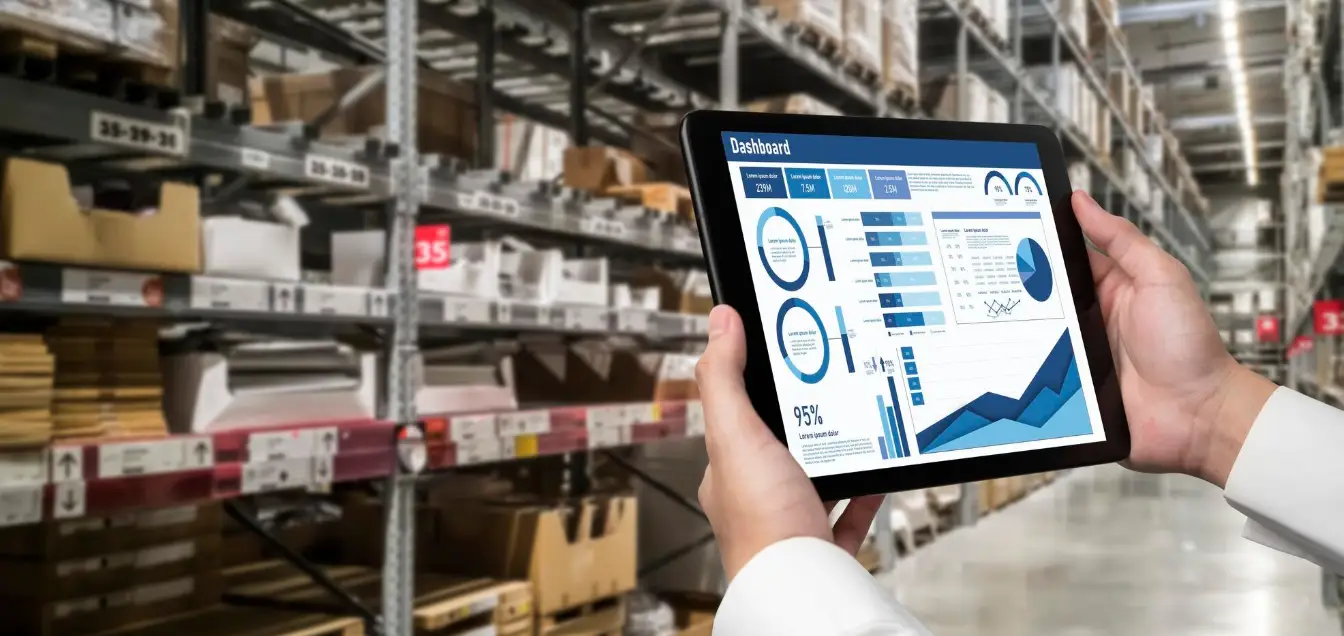
One of the most damaging order fulfillment mistakes is inaccurate inventory tracking.
When stock levels are wrong, businesses either oversell or underdeliver, leading to cancellations and refunds.
How to fix it:
- Use real-time inventory tracking tools
- Integrate warehouse systems with sales channels
- Conduct regular stock audits
Modern retailers in Canada increasingly rely on data-driven forecasting to reduce errors and improve accuracy.
Mistake #2: Slow Processing and Manual Systems
Many businesses still rely on manual order entry, which slows everything down.
A slow order fulfillment cycle time directly impacts customer satisfaction and increases return rates.
Solution:
Automating workflows reduces delays significantly. Companies adopting digital systems have reported up to 40% faster processing times.
A modern automated order fulfillment system helps streamline everything from order intake to dispatch, reducing human errors and increasing speed.
Mistake #3: Choosing the Wrong Logistics Partner
Logistics partnerships can make or break fulfillment success.
Many businesses struggle when they select low-cost providers without considering scalability or reliability.
For example, working with third party logistics Canada providers can significantly improve distribution efficiency when chosen correctly.
A leading name in this space is DelGate, widely recognized as the best Canadian fulfillment partner for growing eCommerce brands.
Mistake #4: Lack of Regional Fulfillment Strategy
Customers expect fast delivery, especially in major cities like Toronto.
Using a centralized warehouse often increases delivery time and shipping costs.
A well-placed fulfillment center Toronto can reduce transit time and improve customer satisfaction dramatically.
Adopting regional distribution models often results in benefits for businesses, including:
- 25–50% faster delivery speeds
- Lower shipping costs
- Improved customer retention
Mistake #5: Ignoring Technology Integration
Technology is the backbone of modern logistics.
Without proper fulfillment technology, businesses face inefficiencies in tracking, routing, and inventory control.
Key technologies include:
- AI-powered demand forecasting
- Barcode scanning systems
- Warehouse robotics
- Real-time analytics dashboards
Companies using advanced tech report fewer errors and better scalability.
Mistake #6: Weak Seasonal Planning

Holiday seasons can overwhelm even strong fulfillment systems.
Poor planning leads to delays, stockouts, and negative reviews.
Efficient planning for efficient holiday season order fulfillment includes:
- Pre-stocking high-demand items
- Hiring temporary warehouse staff
- Using predictive analytics
According to logistics reports, Canadian eCommerce volumes can spike by 60–80% during peak holiday periods.
Mistake #7: Overdependence on Single Platforms
Some businesses rely heavily on one marketplace for fulfillment.
For instance, Amazon Canada Fulfillment Services offers strong infrastructure, but relying solely on one provider can limit flexibility and increase dependency risks.
Diversifying fulfillment channels improves resilience and reduces bottlenecks during high demand periods.
Mistake #8: Ignoring Delivery Speed Expectations
Today’s customers expect speed as a standard.
Offering same day order fulfillment and shipment solutions can be a major competitive advantage, especially in urban Canadian markets.
Businesses that fail to meet speed expectations often experience higher cart abandonment rates.
The Role of Automation in Fixing Fulfillment Issues
Automation is reshaping how businesses handle logistics.
An automated order fulfillment system helps reduce human intervention, improve accuracy, and speed up order processing.
Benefits include:
- Reduced operational costs
- Faster shipping times
- Improved accuracy rates
- Better scalability
Comparing Fulfillment Efficiency (Canada Case Study)
Here’s a simplified comparison of fulfillment performance improvements:
| Model Type | Avg Delivery Time | Error Rate | Customer Satisfaction |
| Manual System | 4–7 days | High | Low |
| Semi-Automated | 2–4 days | Medium | Moderate |
| Fully Automated | 1–2 days | Low | High |
Businesses using advanced systems in Canada have reported up to 35% improvement in delivery efficiency.
Strategic Fulfillment Partnerships in Canada
Choosing the right partner is crucial for long-term success.
A strong Canadian fulfillment provider can help businesses scale without operational stress.
One effective 3rd party fulfillment solution approach is outsourcing warehousing and shipping to experts like DelGate, which specializes in optimized logistics networks across Canada.
Additionally, advanced providers offer integrated dashboards, real-time tracking, and predictive analytics.
Optimizing Fulfillment for Growth

To scale efficiently, businesses must continuously refine their logistics strategy.
Key optimization tips:
- Monitor performance KPIs regularly
- Reduce order fulfillment cycle time
- Improve warehouse layout efficiency
- Invest in workforce training
In high-demand markets, even a 1-day improvement in delivery time can significantly boost customer retention.
Real-World Insight: Canadian Logistics Trends
Canada’s eCommerce sector is experiencing rapid growth, as online retail sales continue to increase consistently each year.
Industry insights show:
- Over 80% of customers prefer fast shipping
- Returns processing efficiency impacts repeat purchases
- Urban fulfillment hubs improve delivery speed by up to 40%
Companies investing in smarter logistics systems consistently outperform competitors.
External Resource for Further Reading
For deeper insights into global supply chains and logistics trends, you can explore:
https://www.statista.com/topics/3718/e-commerce-in-canada/
Conclusion
Order fulfillment mistakes can silently drain profits, damage reputation, and slow down business growth. However, with the right strategies—automation, smart logistics partners, and regional fulfillment planning—these challenges can be transformed into competitive advantages.
Businesses that invest in modern systems, optimize workflows, and prioritize customer expectations will stay ahead in the evolving Canadian market. In short, efficient fulfillment is no longer optional—it is a growth necessity.