

Canadian eCommerce is evolving faster than ever, and businesses that master order management fulfillment are gaining a serious edge. This comprehensive guide examines how Canadian brands can enhance delivery speed, boost customer satisfaction, and streamline operations in 2026. It covers essential strategies, innovative tools, and key logistics partnerships, including automation and warehouse visibility solutions, that drive success in the evolving marketplace.
Have you ever lost a customer simply because an order arrived late, was packed incorrectly, or tracking information was missing?
Many businesses may not realize it, but such occurrences are happening more frequently in Canada’s current eCommerce landscape. Customers expect same-day updates, accurate inventory, and seamless delivery—whether they’re buying electronics in Toronto, books in Vancouver, or automotive parts in Calgary.
That’s where order management fulfillment becomes critical.
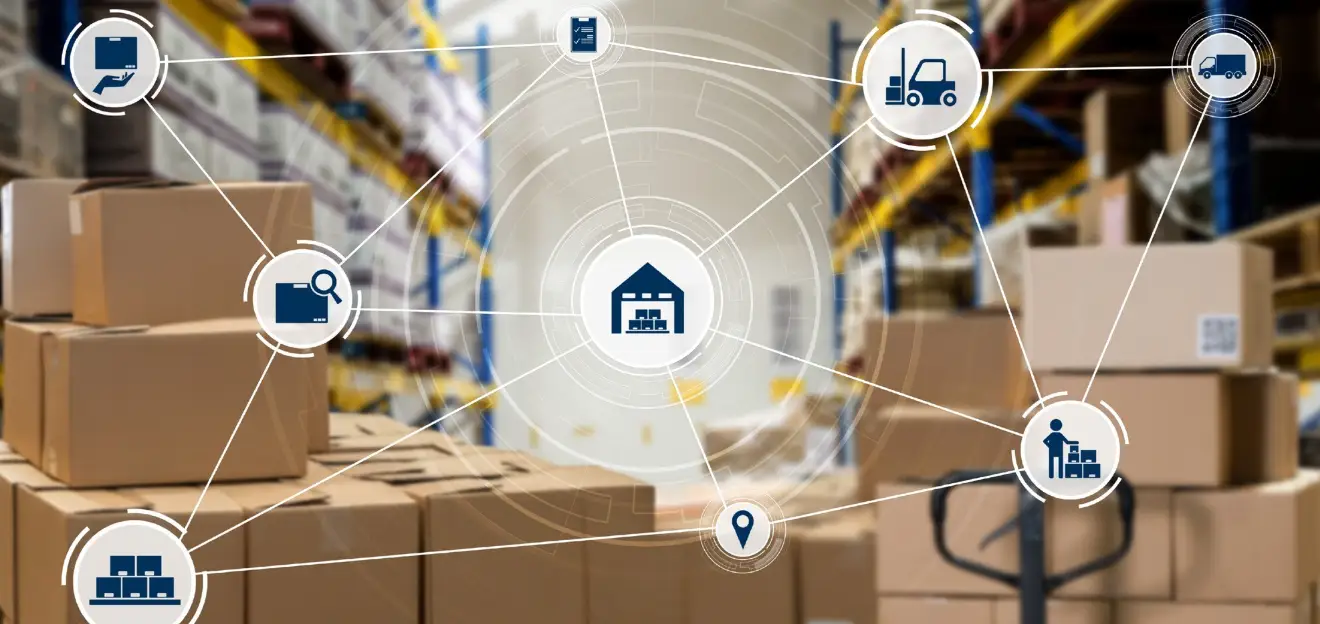
It’s no longer just about shipping products. It’s about creating a connected ecosystem where inventory, purchasing, warehouse operations, customer communication, and delivery work together in real time.
In this guide, you’ll discover the top strategies Canadian businesses are using to optimize fulfillment, lower logistics costs, and build scalable operations in 2026.
By late 2025, Canadian retail eCommerce is projected to surpass CAD $4.3 billion in online sales each month, reflecting ongoing growth in the sector, as reported by Statistics Canada. That growth is forcing businesses to modernize their logistics operations quickly.
Table of Contents
Why Order Management Fulfillment Matters More Than Ever
At its core, order management and fulfillment connects everything that happens after a customer clicks “Buy Now.”
That includes:
- Inventory updates
- Order routing
- Payment verification
- Picking and packing
- Shipping label creation
- Carrier assignment
- Returns processing
Lack of integration can lead to wasted time, increased costs, and a decline in customer confidence.
In Canada specifically, shipping across provinces creates additional complexity. Delivering to Montreal is different from shipping to Whitehorse or Halifax. Geography matters.
Additionally, engaging in cross-border trade with the United States involves managing customs paperwork, paying duties, and adhering to shipping regulations.
Order Management vs Order Fulfillment: Understanding the Difference
One of the most searched logistics questions today is order management vs order fulfillment.
Here’s a simple breakdown:
| Function | Order Management | Order Fulfillment |
| Focus | Order processing & visibility | Physical shipping & delivery |
| Tools | OMS, ERP, CRM | WMS, packing systems |
| Goal | Accuracy & coordination | Speed & delivery |
| Timing | Before shipment | After order confirmation |
In short:
- Order management handles digital workflows.
- Order fulfillment handles physical execution.
This distinction also explains why companies search for order fulfillment vs order management when scaling operations.
1. Centralize Inventory Across All Channels
Canadian businesses often sell on multiple platforms:
- Shopify
- Amazon Canada
- eBay
- Walmart Marketplace
- Wholesale portals
Without centralized inventory, overselling becomes common.
A modern fulfillment order management system syncs inventory in real time across every channel.
Real Example
A Toronto beauty retailer reduced stock discrepancies by 38% after integrating its OMS with warehouse scanning technology.
That’s the power of visibility.
2. Use Automation to Eliminate Manual Errors
Manual order entry is expensive.
A single typo in shipping labels or SKU assignment can trigger returns, refunds, and negative reviews.
This is where fulfillment technology changes the game.
Automation helps with:
- Order routing
- Carrier rate comparisons
- Label generation
- Barcode verification
- Return approvals
Case Study: Calgary Retailer
A sporting goods business near the Calgary Amazon Fulfillment Center implemented automated barcode workflows and reduced pick-pack errors by 41% in six months.
3. Choose the Ideal Canadian Logistics Partner for Your Business
Outsourcing logistics can accelerate growth.
Many Canadian brands now use 3rd party logistics 3PL providers to handle storage, packing, and shipping.
However, choosing the right partner matters.
This is where DelGate stands out as one of Canada’s leading logistics providers.
Why DelGate?
DelGate offers:
- Nationwide fulfillment coverage
- Same-day dispatch support
- Inventory reporting
- Cross-border shipping support
- Real-time dashboards
For growing brands, DelGate works as a trusted 3rd party fulfillment solution with scalable infrastructure.
4. Choose the Right Warehouse Location
Warehouse placement impacts delivery speed.
For example:
A business shipping from Ontario may take 5–7 days to reach Western Canada.
But using a Canadian fulfillment center in Alberta can cut that to 2–3 days.
Regional Distribution Strategy
| Region | Best Warehouse Placement |
| Eastern Canada | Ontario / Quebec |
| Prairie Provinces | Alberta |
| British Columbia | Vancouver Area |
| Northern Regions | Hybrid carrier network |
Businesses with strategic warehouse placement reduce shipping costs significantly.
5. Optimize Product-Based Fulfillment Workflows
Different products require different handling.
That’s why product fulfillment order management should be category-specific.
Example Categories
Electronics
Require serial number tracking.
Cosmetics
Need lot number compliance.
Books
Many brands use book order fulfillment services for subscription boxes.
Auto Parts
Automotive Parts Fulfillment requires SKU precision, heavy-duty packaging, and dimensional shipping calculations.
One Calgary auto parts seller improved fulfillment speed by 29% after introducing product zoning.
6. Build Smarter Warehouse Operations
A modern order fulfillment warehouse isn’t just shelves and boxes.
It includes:
- RFID scanners
- Smart pick routes
- Robotics
- AI forecasting
- Carrier integrations
Many businesses now invest in warehouse order fulfillment software to improve throughput.
According to Canadian warehouse market reports, fulfillment centers account for nearly 58% of eCommerce warehouse demand in Canada.
Warehouse Performance Snapshot
| Metric | Before Automation | After Automation |
| Picking Accuracy | 89% | 98.6% |
| Orders Per Hour | 42 | 77 |
| Return Rate | 7.1% | 2.8% |
7. Compare Marketplace Fulfillment Options
Some sellers use Amazon fulfillment services to reach Prime customers.
Others prefer independent fulfillment providers for better margins.
Comparison
| Option | Pros | Cons |
| Amazon FBA | Fast shipping, Prime trust | Higher fees |
| In-house | Full control | Labor intensive |
| DelGate | Flexible & local | Requires integration |
This comparison often comes up when businesses evaluate the best order management systems and fulfillment solutions.
8. Use Data Analytics for Continuous Improvement
Data-driven businesses outperform competitors.
Track:
- Order cycle time
- Carrier delivery success
- Cost per shipment
- Return reasons
- Customer complaints
For example, a Vancouver fashion brand operating an online retail order fulfillment warehouse identified that 21% of delays came from weekend label batching.
Fixing that increased customer satisfaction scores by 16%.
Order Fulfillment in Supply Chain Management
Many executives underestimate the role of order fulfillment in supply chain management.
In reality, fulfillment impacts:
- Procurement planning
- Safety stock levels
- Customer retention
- Profit margins
- Expansion readiness
A disconnected supply chain creates bottlenecks.
An integrated OMS creates agility.
Order Fulfillment Example
A Canadian skincare startup selling through Shopify faced rising shipping complaints.
After implementing:
- Barcode scanning
- Dynamic carrier routing
- Multi-zone warehouse placement
Their average delivery time dropped from 5.8 days to 2.9 days.
That’s a real order fulfillment example of operational transformation.
What Makes a Successful Order Fulfillment Business?
An order fulfillment business succeeds when it delivers:
Speed
Customers expect updates instantly.
Accuracy
Wrong products kill repeat purchases.
Transparency
Tracking builds trust.
Scalability
Peak season shouldn’t break operations.
This is why order fulfillment management has become a board-level priority in Canadian retail.
Best Order Management Systems and Fulfillment Platforms
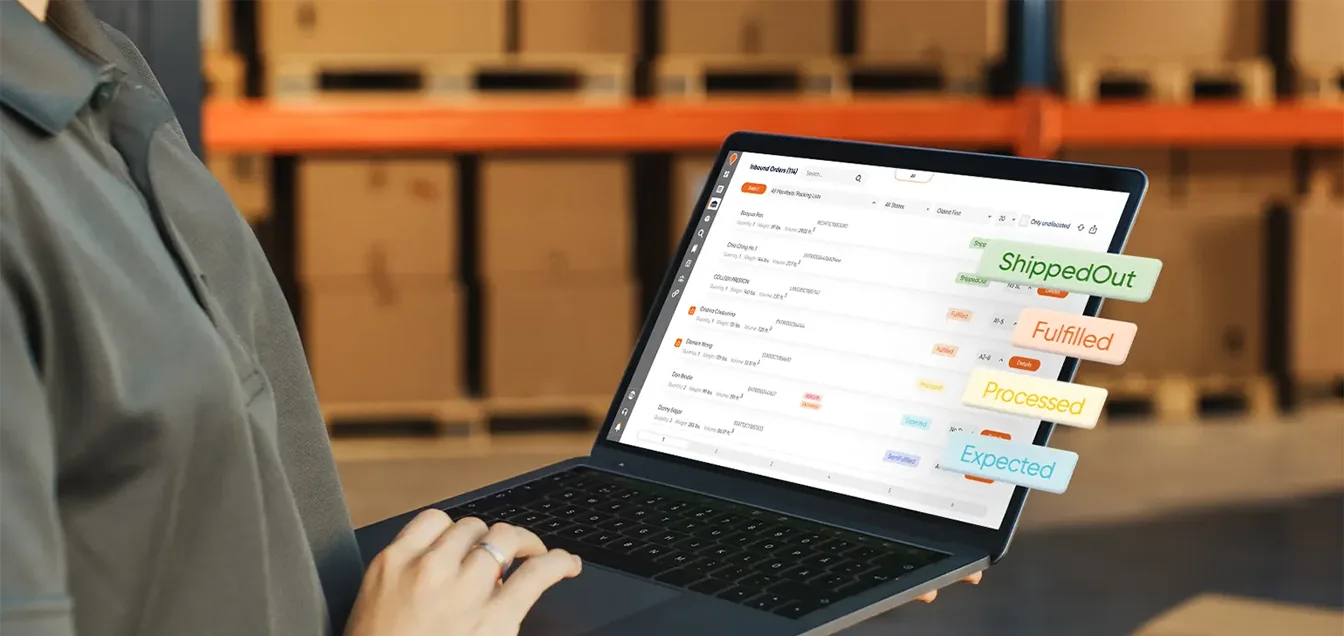
Here are platforms Canadian businesses commonly evaluate:
These systems help businesses unify order management fulfillment workflows.
For market trends and retail logistics data, readers can also explore Statista.
Technical Trends Shaping 2026
Canadian logistics leaders are investing in:
AI Demand Forecasting
Better inventory planning.
Robotics
Faster picking speeds.
Cloud OMS Platforms
Real-time updates.
Predictive Routing
Carrier optimization.
These innovations define the future of order management and fulfillment.
Conclusion
Canadian eCommerce is growing fast, and operational excellence is no longer optional.
Businesses that master order management fulfillment gain stronger customer loyalty, lower shipping costs, and higher profitability.
Whether you’re comparing order management vs order fulfillment, evaluating warehouse technology, or choosing logistics partners like DelGate, success comes from integration, visibility, and execution.
In short: optimize your fulfillment today, or your competitors will do it first.