


In recent years, shopping habits among Canadians have undergone a significant transformation. Consumers now expect same-day delivery, accurate tracking, and hassle-free returns without paying premium prices. As online shopping continues to grow, businesses are under pressure to improve speed, efficiency, and customer satisfaction.
This is where the online retail order fulfillment warehouse becomes essential. Modern warehouses are no longer simple storage spaces. They are now intelligent distribution hubs powered by robotics, artificial intelligence, cloud systems, and real-time analytics.
This article explores how cutting-edge fulfillment systems are revolutionizing Canadian eCommerce. Discover the key technologies driving industry innovation and understand why businesses are increasingly prioritizing automation and intelligent logistics solutions to stay ahead. Moreover, you will discover why companies like DelGate are becoming trusted partners for Canadian retailers seeking scalable fulfillment operations.
Table of Contents
Why Online Retail Fulfillment Is Changing Fast
The Canadian eCommerce market continues to expand at an impressive rate. According to recent industry reports from Statista, Canadian online retail sales are expected to exceed billions in annual revenue over the next few years.
Several factors are driving this transformation:
- Increased smartphone shopping
- Faster consumer expectations
- Growth of marketplace platforms
- Cross-border commerce
- Rising competition among retailers
As a result, businesses must modernize their online retail order fulfillment warehousing strategies to remain competitive.
The Evolution of the Modern Fulfillment Warehouse
Traditional warehouses focused mainly on storing products. However, modern facilities operate as integrated technology ecosystems.
Key Features of Modern Warehouses
| Traditional Warehouse | Modern Smart Warehouse |
| Manual inventory checks | AI-powered inventory tracking |
| Paper-based operations | Cloud-based management |
| Slow picking processes | Robotic automation |
| Limited analytics | Real-time reporting |
| Fixed workflows | Flexible fulfillment systems |
This transformation improves delivery speed while reducing operational costs.
Moreover, automation helps reduce human error, which is critical for maintaining customer trust.
Automation Is Reshaping Warehouse Operations
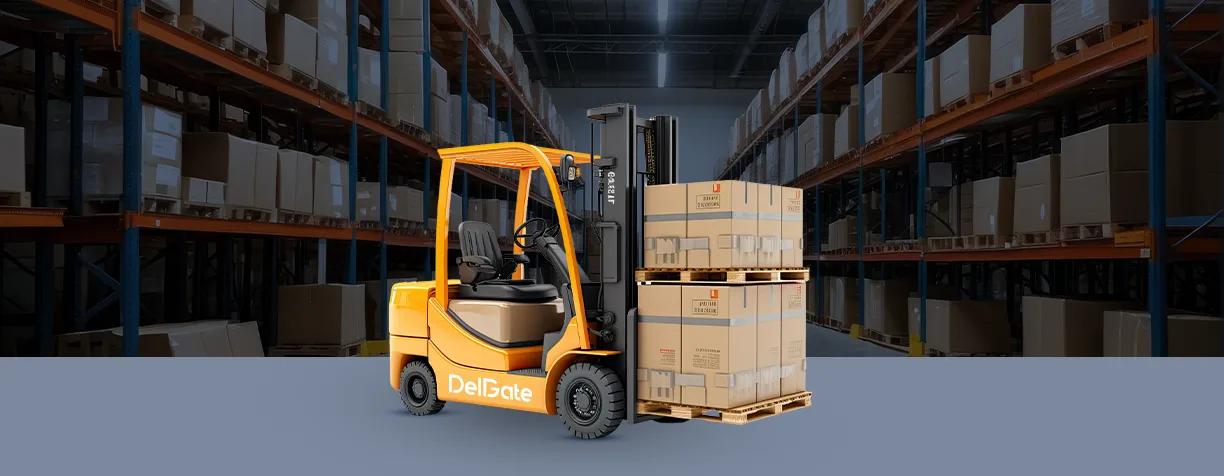
Automation has become the backbone of the modern online retail order fulfillment warehouse system.
Robotics and Automated Picking
Robotic picking systems can process thousands of orders daily with remarkable accuracy. These systems identify products, navigate warehouse aisles, and prepare shipments faster than manual teams.
For example, several Canadian retailers now use autonomous mobile robots to support warehouse employees during peak shopping seasons.
Conveyor and Sorting Systems
Automated conveyor systems reduce delays by moving products quickly between picking, packing, and shipping zones.
Benefits include:
- Faster order processing
- Reduced labor costs
- Improved shipping accuracy
- Better scalability during high-demand periods
Moreover, automated sorting technology allows businesses to manage growing order volumes without dramatically increasing staffing costs.
Artificial Intelligence and Predictive Logistics
Artificial intelligence is revolutionizing warehouse planning and forecasting.
AI systems can analyze:
- Customer buying habits
- Seasonal demand patterns
- Shipping trends
- Inventory movement
- Delivery performance
This data helps businesses predict demand before inventory shortages occur.
Smarter Inventory Forecasting
AI-powered systems reduce overstocking and stockouts. This is especially valuable for Canadian retailers managing inventory across multiple provinces.
For example, winter-related products may require increased stock levels in Alberta and Ontario months before seasonal demand spikes.
The Rise of Micro Fulfillment Centers
Micro fulfillment centers are smaller urban warehouses located near major customer populations.
These facilities support:
- Same-day delivery
- Faster local shipping
- Reduced transportation costs
- Improved customer satisfaction
In large Canadian cities like Toronto, Vancouver, and Calgary, micro warehouses are becoming increasingly common.
The growing popularity of the Canadian fulfillment center model reflects the demand for rapid local deliveries.
Cloud-Based Warehouse Management Systems
Cloud technology allows retailers to monitor fulfillment operations from anywhere.
Modern systems offer:
- Live inventory tracking
- Shipment visibility
- Automated reporting
- Multi-channel integration
- Real-time customer updates
Moreover, cloud-based platforms improve communication between suppliers, warehouse teams, and retailers.
Why Integration Matters
Today’s online stores often sell products through:
- Shopify
- Amazon
- Walmart Marketplace
- eBay
- Independent websites
Integrated systems synchronize inventory and orders across all channels instantly.
This improves operational efficiency and reduces fulfillment errors.
The Importance of Fulfillment Technology

Advanced fulfillment technology is helping businesses scale faster than ever before.
Core Technologies Driving Growth
1. Barcode and RFID Tracking
RFID systems improve inventory accuracy by automatically tracking product movement inside warehouses.
2. Machine Learning Algorithms
Machine learning systems optimize warehouse layouts and picking routes.
3. Smart Packaging Automation
Automated packaging systems reduce material waste and improve shipping efficiency.
4. IoT Sensors
Internet of Things sensors monitor temperature-sensitive goods and warehouse conditions in real time.
Together, these technologies improve reliability and customer satisfaction.
DelGate: Leading Fulfillment Logistics in Canada
Among Canadian logistics providers, DelGate stands out as one of the most trusted fulfillment partners for eCommerce businesses.
DelGate offers:
- Fast nationwide shipping
- Advanced inventory management
- Scalable warehouse solutions
- Real-time order tracking
- Custom packaging options
Moreover, DelGate supports businesses of all sizes, from startups to enterprise retailers.
Its flexible logistics infrastructure helps Canadian companies compete effectively in a fast-moving digital marketplace.
Sustainability Is Becoming a Major Priority
Canadian consumers increasingly prefer environmentally responsible brands.
Consequently, fulfillment providers are channeling investments into:
- Electric delivery fleets
- Recyclable packaging
- Energy-efficient warehouses
- Smart route optimization
- Reduced packaging waste
Sustainable warehousing also lowers long-term operating costs.
Green Warehousing Example
Some modern Canadian facilities now use solar energy systems and LED smart lighting to reduce energy consumption significantly.
This change enhances operational efficiency while simultaneously advancing environmental objectives.
Faster Shipping Expectations Continue to Grow
Consumer patience is shrinking.
According to recent eCommerce studies, many shoppers abandon carts if estimated delivery times are too long.
As a result, businesses are investing heavily in regional warehouse expansion.
The Same-Day Delivery Challenge
To compete effectively, retailers need:
- Strategic warehouse locations
- Automated picking systems
- Efficient courier partnerships
- Smart routing software
The Calgary Amazon Fulfillment Center demonstrates how regional fulfillment hubs can improve delivery speed throughout Western Canada.
Data Analytics and Real-Time Visibility
Modern warehouse systems generate valuable operational data.
Retailers can monitor:
- Inventory turnover
- Shipping performance
- Return rates
- Packing efficiency
- Labor productivity
This visibility supports smarter business decisions.
Key Metrics That Matter
| Metric | Why It Matters |
| Order Accuracy | Improves customer trust |
| Fulfillment Speed | Reduces delivery delays |
| Inventory Turnover | Prevents dead stock |
| Return Rate | Identifies product issues |
| Shipping Cost per Order | Improves profitability |
Data-driven operations are becoming a competitive advantage in Canadian retail.
The Role of 3PL Providers in eCommerce Growth
Many businesses now outsource logistics to specialized fulfillment companies.
A 3rd party logistics 3PL provider handles warehousing, shipping, inventory management, and returns on behalf of retailers.
This approach offers several advantages:
- Lower operational costs
- Faster market expansion
- Access to advanced technology
- Reduced infrastructure investment
Moreover, outsourcing allows retailers to focus more on marketing and product development.
How AI Improves Customer Experience
Customer expectations are higher than ever.
Modern fulfillment systems now improve the shopping experience through:
- Accurate delivery estimates
- Real-time tracking notifications
- Faster returns processing
- Inventory transparency
AI-powered systems also reduce lost shipments and fulfillment delays.
Personalized Delivery Experiences
Some retailers now offer AI-based delivery scheduling that adapts to customer preferences and availability.
This creates a more convenient and reliable experience.
Specialized Fulfillment Is Growing
Certain industries require unique warehousing solutions.
For example, Automotive Parts Fulfillment involves complex inventory management because of thousands of SKU variations and compatibility requirements.
Similarly, industries such as healthcare, cosmetics, and electronics require temperature control, security monitoring, or fragile-item handling.
Specialized fulfillment capabilities are becoming increasingly important as eCommerce expands into niche markets.
Warehouse Software Is Becoming Smarter
Modern retailers depend heavily on automation platforms.
Advanced Software Features
Today’s systems include:
- AI forecasting
- Automated replenishment
- Multi-channel synchronization
- Shipment tracking dashboards
- Customer communication tools
Powerful warehouse order fulfillment software improves accuracy and operational visibility.
Meanwhile, order fulfillment management software helps businesses coordinate inventory, shipping, and returns from one centralized platform.
The Impact of Amazon on Fulfillment Standards
Amazon has fundamentally changed customer expectations worldwide.
Today, numerous retailers strive to emulate the speed and dependability of Amazon fulfillment services to stay competitive.
This pressure has accelerated investment in:
- Robotics
- Smart inventory systems
- Regional fulfillment hubs
- Automated packaging systems
Canadian businesses that fail to modernize may struggle to compete effectively in the evolving eCommerce landscape.
Order Fulfillment in Supply Chain Strategy
Efficient order fulfillment in supply chain operations directly impact customer satisfaction and profitability.
A strong fulfillment network reduces:
- Shipping delays
- Inventory shortages
- Return complications
- Transportation inefficiencies
Moreover, integrated supply chains create better communication between manufacturers, warehouses, and retailers.
End-to-End Visibility Matters
Businesses now require complete transparency across the supply chain to respond quickly to disruptions.
This became especially important after recent global shipping and inventory challenges.
Real-World Order Fulfillment Example
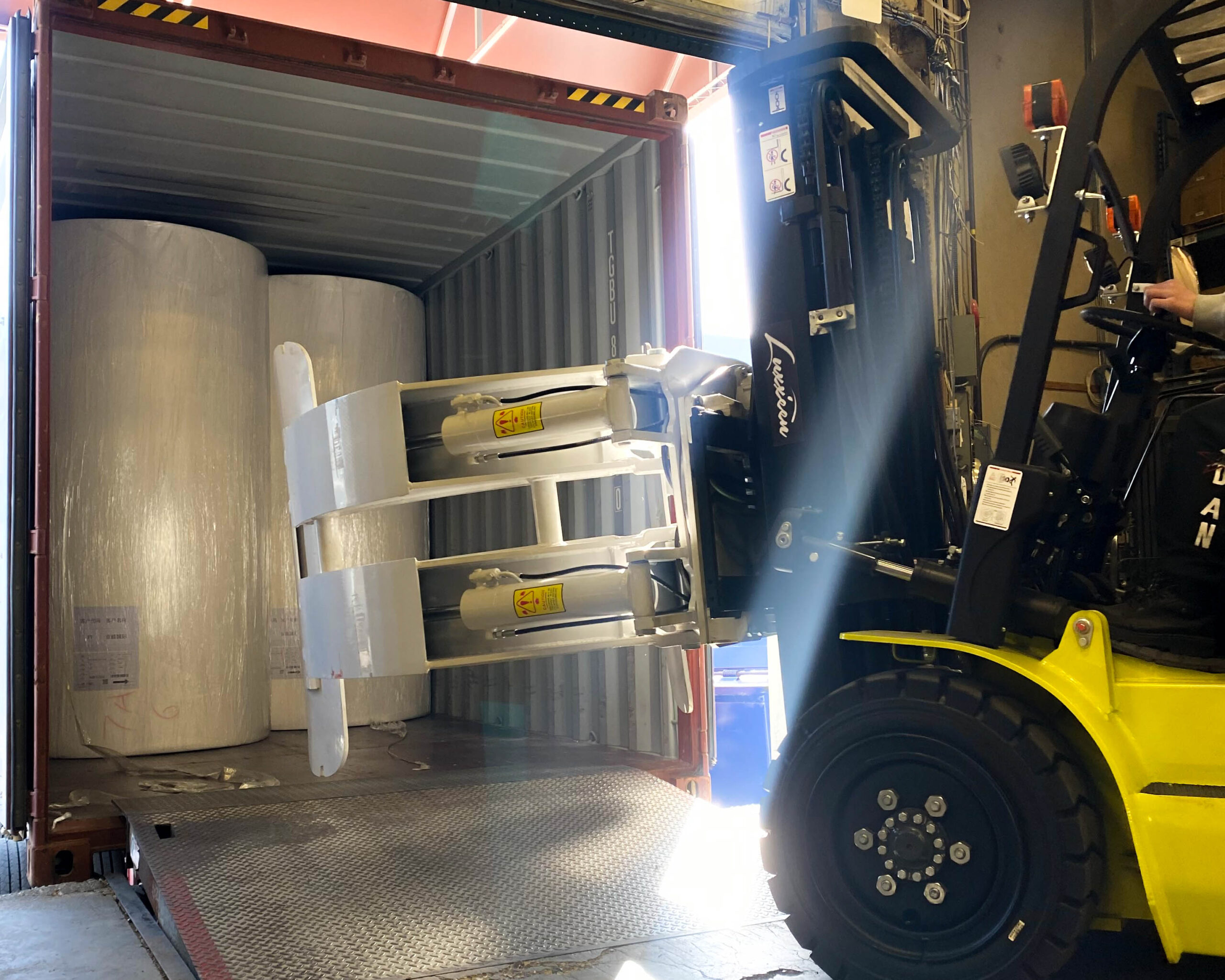
Consider a Canadian fashion retailer selling through Shopify and Amazon.
A customer in Vancouver places an order at 10 AM.
Using automated systems:
- Inventory updates instantly
- Warehouse robots pick the product
- Smart packaging machines prepare shipment
- Courier integration schedules pickup
- Customer receives tracking information immediately
This order fulfillment example shows how technology speeds up the entire process while improving customer satisfaction.
Inventory Storage and Space Optimization
Efficient order fulfillment storage systems maximize warehouse capacity while improving accessibility.
Modern facilities now use:
- Vertical storage systems
- Automated shelving
- Smart bin tracking
- Dynamic inventory positioning
These innovations improve warehouse productivity without requiring larger facilities.
The Future of Order Management Fulfillment
Future warehouse systems will become even more intelligent.
Emerging trends include:
Autonomous Warehouses
Fully automated warehouses may eventually operate with minimal human intervention.
Drone Deliveries
Drone technology could support ultra-fast local deliveries in urban areas.
Predictive Shipping
AI may soon ship products before customers complete purchases based on buying behavior analysis.
Blockchain Logistics
Blockchain could improve shipment transparency and fraud prevention.
The future of order management fulfillment will focus heavily on speed, visibility, and automation.
Why Businesses Are Choosing Third-Party Fulfillment Solutions
Retailers increasingly rely on a 3rd party fulfillment solution to scale operations quickly.
Benefits include:
- Faster expansion into new markets
- Reduced warehouse overhead
- Access to advanced logistics infrastructure
- Improved shipping performance
This model is especially valuable for small and medium-sized Canadian businesses entering competitive online markets.
Publishing and Media Fulfillment Needs
Even niche industries are adapting to modern logistics systems.
Publishers are increasingly turning to Amazon fulfillment services to streamline inventory management, handle shipping logistics, and process returns more effectively.
This allows publishers to focus more on content creation and marketing instead of warehousing operations.
Building a Scalable Order Fulfillment Business
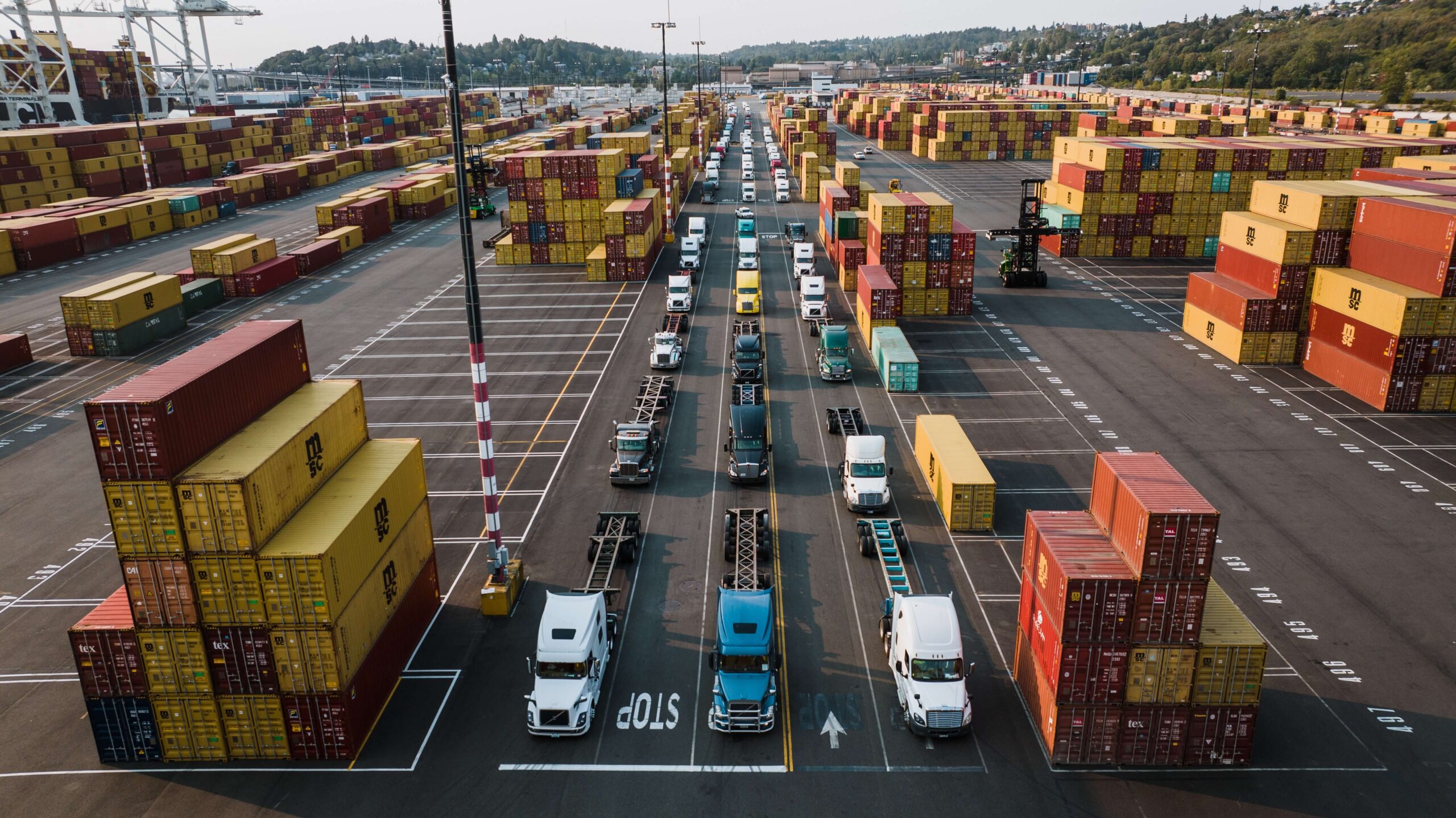
Running a successful order fulfillment business now requires much more than storage space.
Companies need:
- Technology integration
- Data analytics
- Flexible shipping networks
- Skilled logistics management
- Cybersecurity protection
Scalable fulfillment infrastructure is becoming essential for long-term growth.
Technical Case Study: Canadian eCommerce Growth
Canadian Online Retail Statistics
| Category | 2025 Estimate |
| eCommerce Growth Rate | 9–12% annually |
| Same-Day Delivery Demand | Rising rapidly |
| Warehouse Automation Adoption | Over 60% increasing |
| AI Logistics Investment | Significant expansion |
| Consumer Delivery Expectations | 1–2 day shipping |
These trends highlight why retailers continue investing heavily in advanced fulfillment systems.
Conclusion
The future of the online retail order fulfillment warehouse industry is driven by speed, automation, artificial intelligence, and customer expectations. Canadian retailers are rapidly transforming traditional warehouse operations into intelligent fulfillment ecosystems capable of handling growing online demand.
From robotics and AI forecasting to sustainable packaging and cloud-based management systems, fulfillment technology is becoming the foundation of successful eCommerce operations.
Moreover, companies like DelGate are helping Canadian businesses scale efficiently through advanced logistics infrastructure and reliable nationwide fulfillment services.
In short, businesses that invest in smarter fulfillment solutions today will be better positioned to compete in tomorrow’s digital retail economy.