

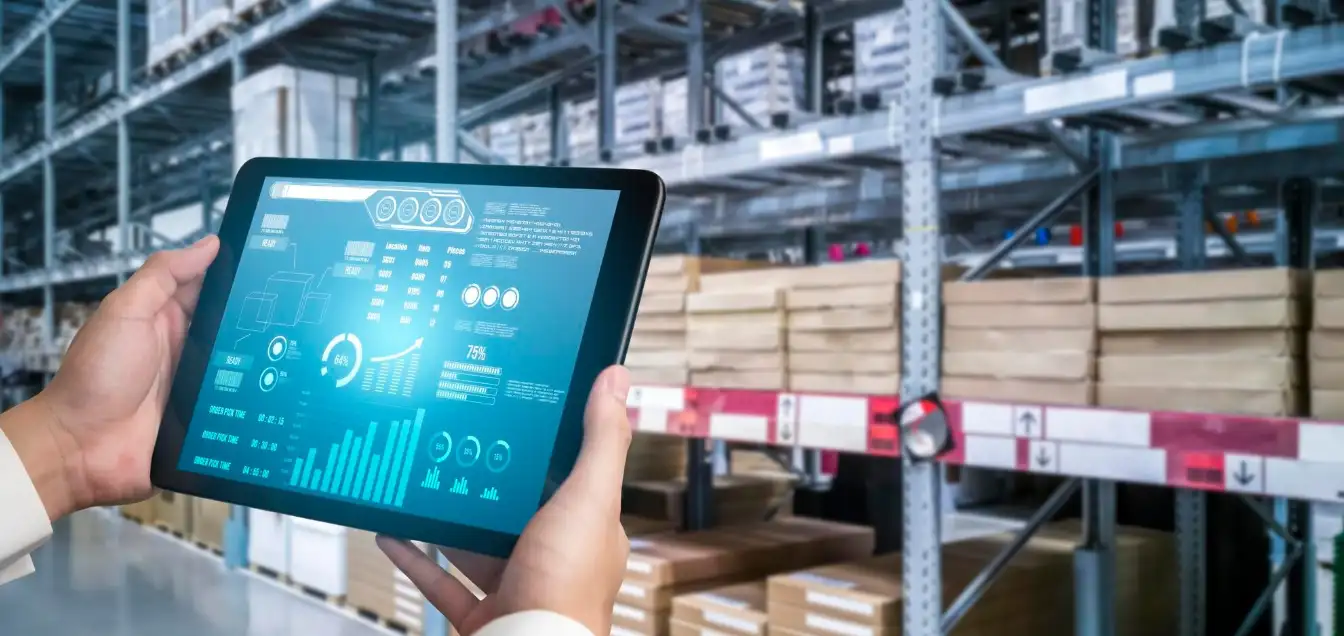
Have you ever wondered how online orders reach your doorstep so quickly, even during peak seasons? Behind that speed lies a powerful system driven by warehouse order fulfillment software.
In today’s competitive e-commerce world, businesses can no longer rely on manual tracking or outdated warehouse systems. Customers expect same-day shipping, accurate inventory updates, and seamless returns.
This is where modern fulfillment platforms step in. They automate, optimize, and streamline everything from inventory tracking to shipping coordination.
In this article, you’ll discover how warehouse order fulfillment software works, why it matters, and the exact steps to choose the right system for your business in Canada and beyond.
Table of Contents
Understanding the Modern Fulfillment Landscape
To understand the importance of software-driven logistics, it helps to first answer a core question: What is order fulfillment in supply chain management?
It refers to the complete process of receiving, processing, packing, and delivering customer orders from the warehouse to the doorstep.
Today’s fulfillment landscape is far more complex than simple shipping. It involves automation, robotics, predictive analytics, and integrated systems that sync across multiple channels.
Businesses increasingly depend on digital solutions rather than manual operations to stay competitive.
Moreover, the rise of omnichannel retail has made real-time inventory visibility essential for survival in the market.
Why Warehouse Order Fulfillment Software Matters
Modern logistics depends heavily on automation and data accuracy. Without the right systems, errors increase and delivery times suffer.
A strong warehouse order fulfillment software platform improves:
- Inventory accuracy in real time
- Order processing speed
- Shipping coordination
- Returns management
In advanced systems, order management fulfillment becomes seamless because every step is digitally connected.
Moreover, fulfillment technology enables predictive stock planning, reducing the risk of overstocking or shortages.
In the context of global trade, companies also rely on online retail order fulfillment warehousing to manage cross-border shipping demands efficiently.
Key Features to Look for in Fulfillment Software
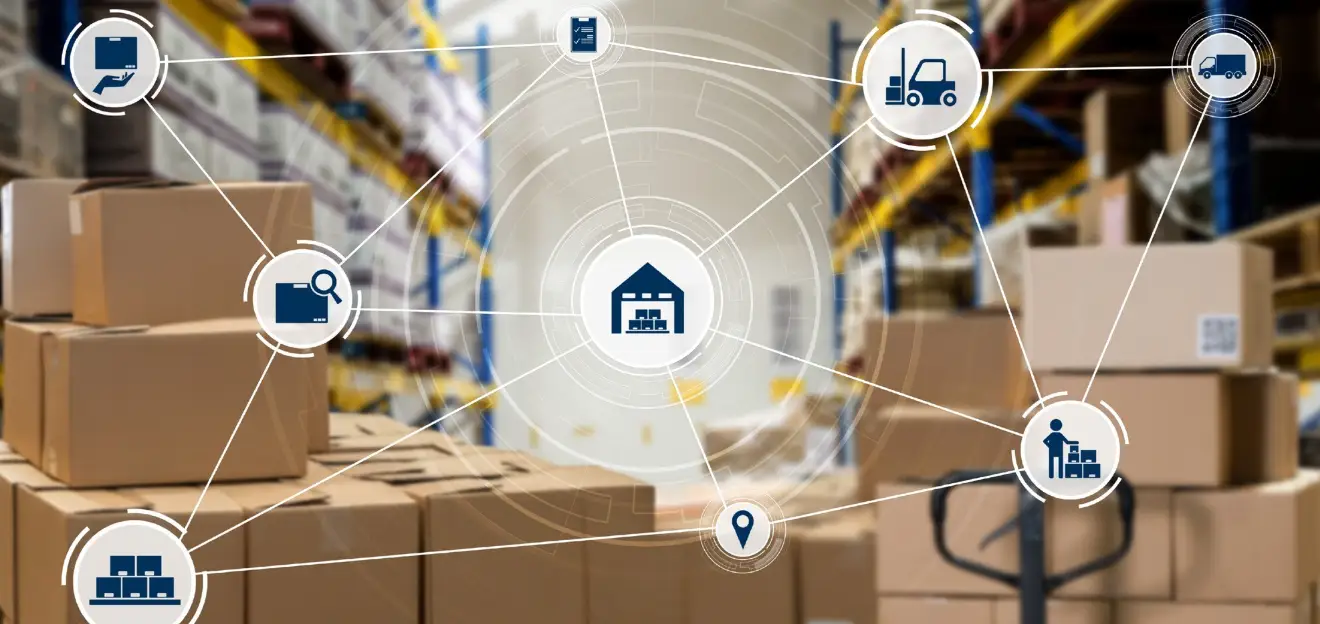
Before selecting a system, it is essential to evaluate its core capabilities. Below are the most important features:
1. Inventory Tracking Automation
Real-time tracking ensures accurate stock visibility across all warehouses.
2. Multi-Channel Integration
The software should connect with marketplaces like Shopify, Amazon, and Walmart.
3. Shipping Optimization
Automatically selects the fastest and most cost-effective carrier.
4. Analytics Dashboard
Provides insights into order trends, delays, and warehouse performance.
5. Scalability
Supports growth during peak seasons without system breakdowns.
| Feature | Business Impact |
| Automation | Reduces manual errors |
| Analytics | Improves forecasting |
| Integration | Expands sales channels |
| Scalability | Supports business growth |
5 Steps to Choose the Best Warehouse Order Fulfillment Software
Choosing the right system requires a structured approach. Below are five essential steps every business should follow.
Step 1: Analyze Business Requirements
Start by identifying order volume, product type, and shipping regions.
A company handling books will need different capabilities than one managing electronics or perishables.
For example, book order fulfillment services require high accuracy in packaging and catalog tracking.
Step 2: Evaluate Core Functionalities
Look for automation, real-time tracking, and reporting tools.
Many businesses also compare systems against an order fulfillment checklist to ensure nothing is missed during implementation.
Step 3: Compare Industry Use Cases
Understanding order fulfillment examples helps businesses visualize real-world applications.
For instance, fashion retailers prioritize speed, while electronics companies focus on damage-free delivery.
Step 4: Assess Integration with Logistics Partners
Software must work seamlessly with external providers and logistics systems.
Companies offering order fulfillment management services often rely on integrated platforms for efficiency.
Step 5: Test Scalability and Support
Before final selection, ensure the system can handle peak seasons and business expansion.
Scalability is critical for long-term sustainability in competitive markets.
The Role of Logistics Providers in Canada

Canada’s logistics ecosystem is rapidly evolving due to e-commerce growth and cross-border trade expansion.
Companies like DelGate are leading innovation in nationwide fulfillment solutions.
Many retailers rely on a 3rd party logistics 3PL model to reduce operational costs while improving delivery speed.
A growing number of businesses now prefer a Canadian fulfillment center network to serve domestic customers faster and more efficiently.
To expand their operations without significant infrastructure investments, many brands turn to third-party fulfillment solutions.
Integration with Global Fulfillment Networks
Global e-commerce giants continue to influence Canadian logistics trends.
For example, Amazon fulfillment services set benchmarks for speed and automation in warehouse operations.
In Canada, infrastructure expansions such as the Calgary Amazon Fulfillment Center highlight growing demand for western logistics coverage.
However, local providers remain competitive by offering personalized services and regional expertise.
Advanced fulfillment technology bridges the gap between global standards and local business needs.
Specialized Fulfillment Use Cases
Different industries require customized solutions for efficient logistics.
Automotive and Retail Logistics
Automotive Parts Fulfillment requires precision inventory tracking and durable packaging due to high-value components.
Regional Fulfillment Expansion
Businesses expanding across provinces often rely on distributed warehouse systems to reduce delivery time.
Technology-Driven Logistics
Advanced platforms now enable predictive shipping routes and AI-powered demand forecasting.
A strong example is how companies integrate systems similar to a Calgary Amazon Fulfillment Center model for faster western Canada distribution.
Modern Fulfillment Services in Canada

Canadian logistics providers are adopting hybrid fulfillment models that combine automation with human expertise.
Leading companies like DelGate offer advanced order fulfillment management services tailored for e-commerce and enterprise clients.
Businesses looking to expand often adopt a 3rd party fulfillment solution to minimize overhead costs while maximizing delivery speed.
These systems are particularly useful for scaling startups and mid-size retailers entering national markets.
Case Study: Fulfillment Efficiency in Canada
Recent logistics studies show that Canadian e-commerce orders increased by over 18% year-over-year (Statista: Statista E-commerce Data).
A mid-size retailer using automated warehouse systems reported:
| Metric | Before Software | After Software |
| Order Accuracy | 87% | 98% |
| Delivery Time | 4.5 days | 2.1 days |
| Inventory Errors | High | Low |
| Customer Satisfaction | Moderate | High |
This improvement demonstrates how warehouse order fulfillment software directly impacts operational success.
Businesses also reported reduced dependency on manual labor and improved forecasting accuracy.
Conclusion
Warehouse logistics is no longer just about storage—it is about speed, intelligence, and automation.
The adoption of warehouse order fulfillment software is transforming how businesses operate, compete, and scale in Canada and globally.
From automation to analytics, every feature contributes to smoother operations and happier customers.
Companies like DelGate are proving that modern fulfillment is not just a service—it’s a strategic advantage.
In short, businesses that invest in smart fulfillment systems today will lead tomorrow’s competitive market.