

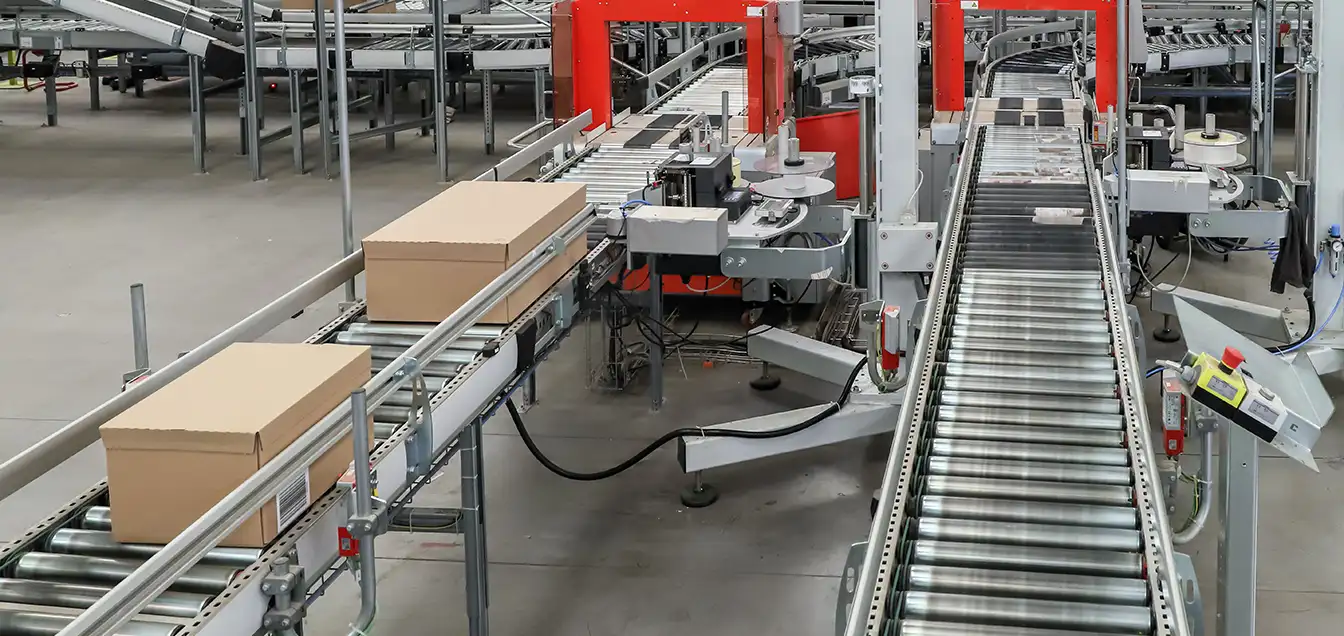
When a critical machine breaks down, every minute counts. Delays in sourcing replacement parts can halt entire operations, costing businesses thousands—or even millions—of dollars per day. That’s where heavy machinery parts order fulfillment becomes a game-changer.
In today’s fast-paced industrial world, companies must deliver the right parts quickly and accurately. Moreover, rising customer expectations and global competition make efficiency non-negotiable.
In this article, you’ll learn eight proven strategies to optimize fulfillment processes, reduce delays, and scale operations effectively. From advanced technologies to smart warehouse practices, each tip is designed to help you stay ahead.
Table of Contents
Why Heavy Machinery Parts Order Fulfillment Matters
Heavy equipment industries—construction, mining, agriculture—depend heavily on uptime.
A study by Statista shows that unplanned downtime can cost industrial manufacturers up to $260,000 per hour. Therefore, fulfillment speed is directly tied to profitability.
Key Challenges
- Complex inventory with thousands of SKUs
- Urgent, time-sensitive orders
- Large and bulky items requiring special handling
- Global supply chain disruptions
However, these challenges can be addressed with the right strategies.
1. Optimize Inventory Management Systems
Real-Time Visibility
Accurate inventory tracking is the backbone of heavy machinery parts order fulfillment. Without it, delays and errors are inevitable.
Modern systems provide:
- Real-time stock updates
- Automated reorder alerts
- Demand forecasting
Example
A construction equipment supplier reduced order delays by 35% after implementing real-time inventory tracking.
Quick Tip
Use predictive analytics to anticipate demand spikes and avoid stockouts.
2. Implement Advanced Fulfillment Technology

Technology is transforming logistics at a rapid pace.
Using fulfillment technology solutions enables businesses to automate processes, reduce errors, and improve efficiency.
Key Tools
- Warehouse Management Systems (WMS)
- AI-driven demand forecasting
- Barcode and RFID tracking
Moreover, automation reduces human error and speeds up picking and packing.
3. Partner with a Reliable Fulfillment Center
Outsourcing can significantly improve efficiency.
For example, DelGate, recognized as the best pick and pack fulfillment center in Canada, offers specialized services for heavy parts logistics.
Benefits of Outsourcing
- Faster processing times
- Reduced operational costs
- Access to logistics expertise
A Canadian fulfillment Center can also help businesses expand into North American markets with ease.
4. Streamline Warehouse Layout and Operations
Smart Layout Design
Warehouse efficiency directly impacts order speed.
Best Practices:
- Store high-demand items near packing stations
- Use vertical storage for bulky items
- Implement zone picking
Impact
Companies that optimize warehouse layouts report up to 25% faster order processing times.
5. Use Data to Improve Order Fulfillment
Data-driven decisions are essential in modern logistics.
To improve order fulfillment, businesses must analyze:
- Order accuracy rates
- Delivery times
- Inventory turnover
Example Table
| Metric | Before Optimization | After Optimization |
| Order Accuracy | 89% | 97% |
| Delivery Time | 5 days | 2 days |
| Inventory Turnover | 3x/year | 6x/year |
Moreover, continuous monitoring ensures long-term success.
6. Scale Operations to Increase Capacity
Growth demands scalability.
To increase order fulfillment capacity, companies should:
- Invest in automation
- Expand warehouse space
- Hire skilled staff
Case Study
A mining equipment supplier doubled its fulfillment capacity by integrating robotic picking systems.
7. Understand Different Fulfillment Models

Choosing the right model is crucial.
Common Models
- In-house fulfillment
- Outsourced fulfillment
- Hybrid systems
Understanding the types of order fulfillment helps businesses align operations with their goals.
Comparison
| Model | Pros | Cons |
| In-house | Full control | High cost |
| Outsourced | Cost-effective | Less control |
| Hybrid | Balanced approach | Complex management |
8. Evaluate Drop Shipping vs Traditional Fulfillment
Many businesses consider drop shipping vs order fulfillment when scaling operations.
Drop Shipping
- No inventory storage
- Lower upfront costs
Traditional Fulfillment
- Faster delivery
- Better quality control
However, for heavy machinery parts, traditional fulfillment is often more reliable due to the complexity and size of items.
The Role of Specialized Fulfillment Services
Retail and Industrial Overlap
While Retail fulfillment focuses on consumer goods, industrial fulfillment requires more precision and handling expertise.
Similarly, retail order fulfillment strategies can inspire improvements in industrial logistics, especially in speed and customer experience.
Leveraging Third-Party Logistics (3PL)
Working with 3PL logistics providers can streamline operations significantly.
Advantages
- Access to global networks
- Reduced shipping costs
- Faster delivery times
Moreover, 3PL providers bring industry expertise that enhances efficiency.
Latest Trends in Heavy Machinery Fulfillment
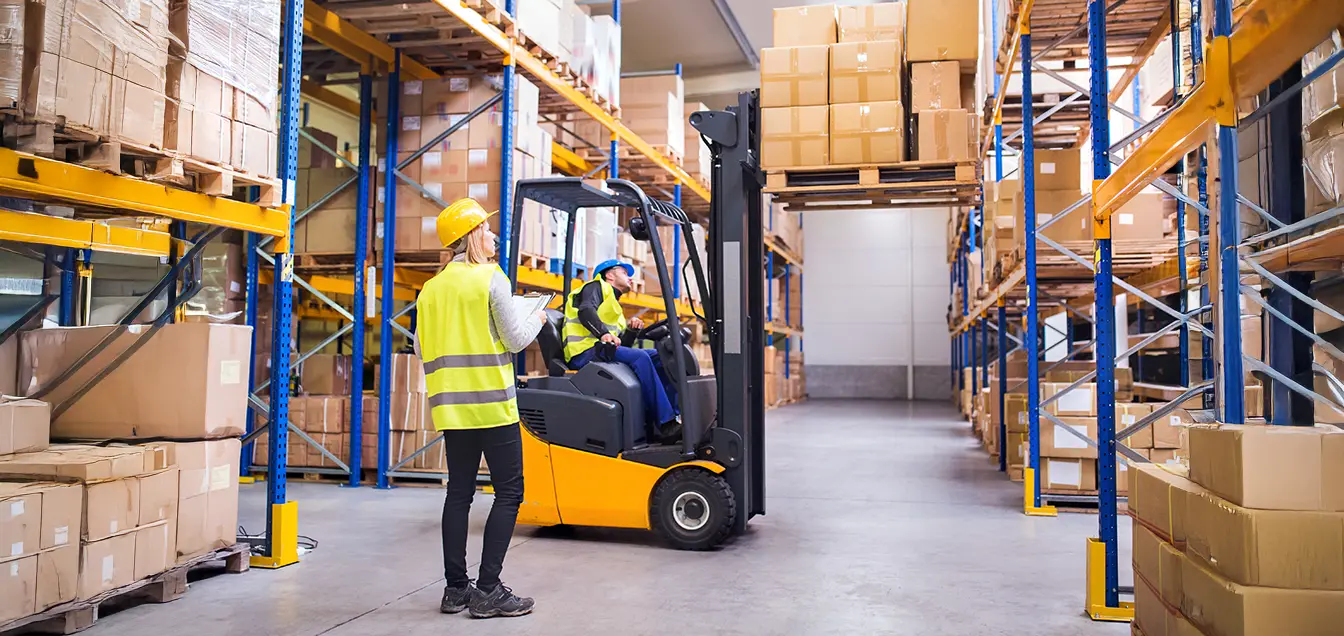
1. Automation and Robotics
Robots are increasingly used for picking and packing heavy parts.
2. AI and Machine Learning
AI predicts demand and optimizes inventory levels.
3. Sustainable Logistics
Eco-friendly packaging and optimized routes reduce carbon footprints.
For more insights, you can explore industry data on
https://www.statista.com/topics/11663/sustainable-packaging-industry-worldwide/?srsltid=AfmBOorjXtVJlSPIKirZPTPrUhZy_1bTX7fJgdz0qeuPx9aGbNMYA915
Real-World Example
A global construction equipment company implemented automated systems and partnered with a fulfillment provider.
Results
- 40% faster delivery times
- 30% reduction in operational costs
- 98% order accuracy
This highlights the importance of combining technology with strategic partnerships.
Conclusion
Efficient heavy machinery parts order fulfillment is no longer optional—it’s essential for business success.
By optimizing inventory, leveraging technology, and partnering with experts like DelGate, companies can achieve faster delivery, higher accuracy, and greater customer satisfaction.
In short, the right strategies not only reduce downtime but also drive long-term growth.
The key takeaway? Invest in smart systems, embrace innovation, and continuously refine your fulfillment processes.