
Ever wondered why some sports brands thrive while others struggle with delayed deliveries and unhappy customers?
The answer often lies in sports equipment order fulfillment. In today’s fast-paced eCommerce world, customers expect quick, accurate, and seamless delivery experiences. A single mistake in fulfillment can damage brand trust and impact long-term growth.
This article uncovers the six most critical mistakes businesses make in order fulfillment for sporting goods. Moreover, you’ll learn practical solutions, industry insights, and expert-backed strategies to improve efficiency, reduce costs, and enhance customer satisfaction.
Table of Contents
1. Ignoring Inventory Accuracy
Why Inventory Precision Matters
One of the biggest pitfalls in sporting goods order fulfillment is poor inventory management. Without accurate stock data, businesses risk overselling or understocking products.
For example, imagine a customer ordering a popular basketball only to find out it’s out of stock after purchase. This not only leads to refunds but also damages trust.
Common Causes of Inventory Errors
- Manual tracking systems
- Lack of real-time updates
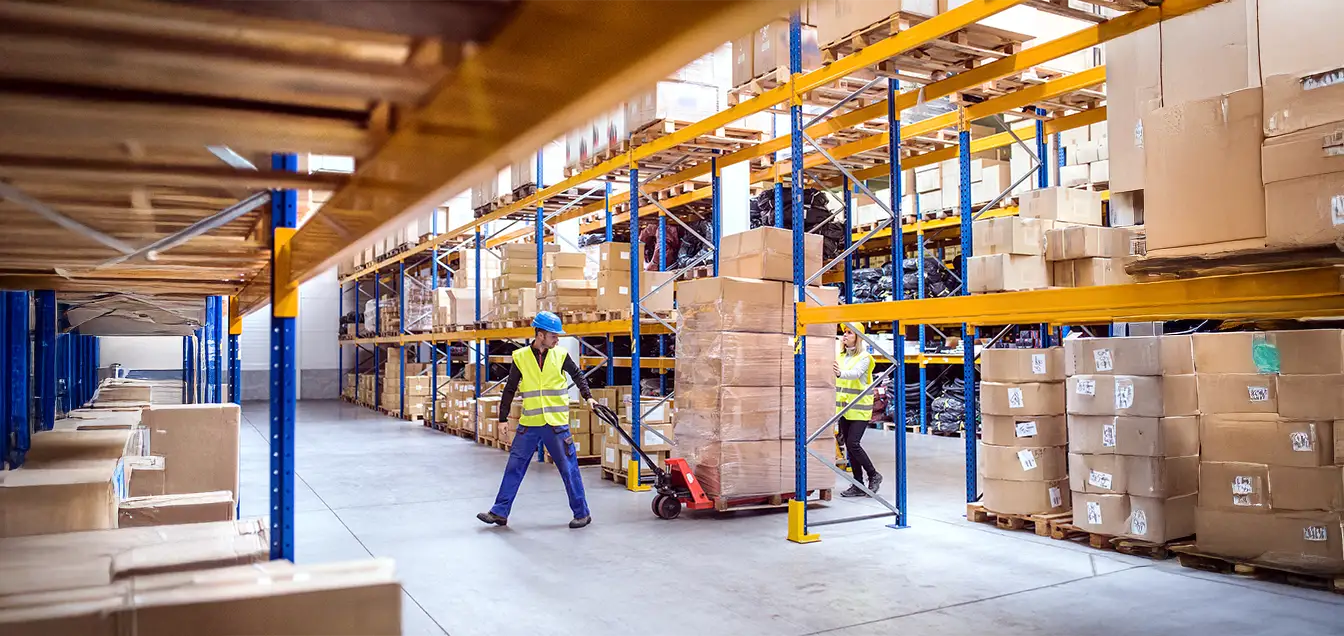
- Poor warehouse organization
Solution
Implement automated inventory tools and integrate them with your webshop order fulfillment for sporting goods system. According to Statista, companies using automated inventory systems reduce errors by up to 30%.
2. Choosing the Wrong Fulfillment Partner
The Role of a Reliable 3PL
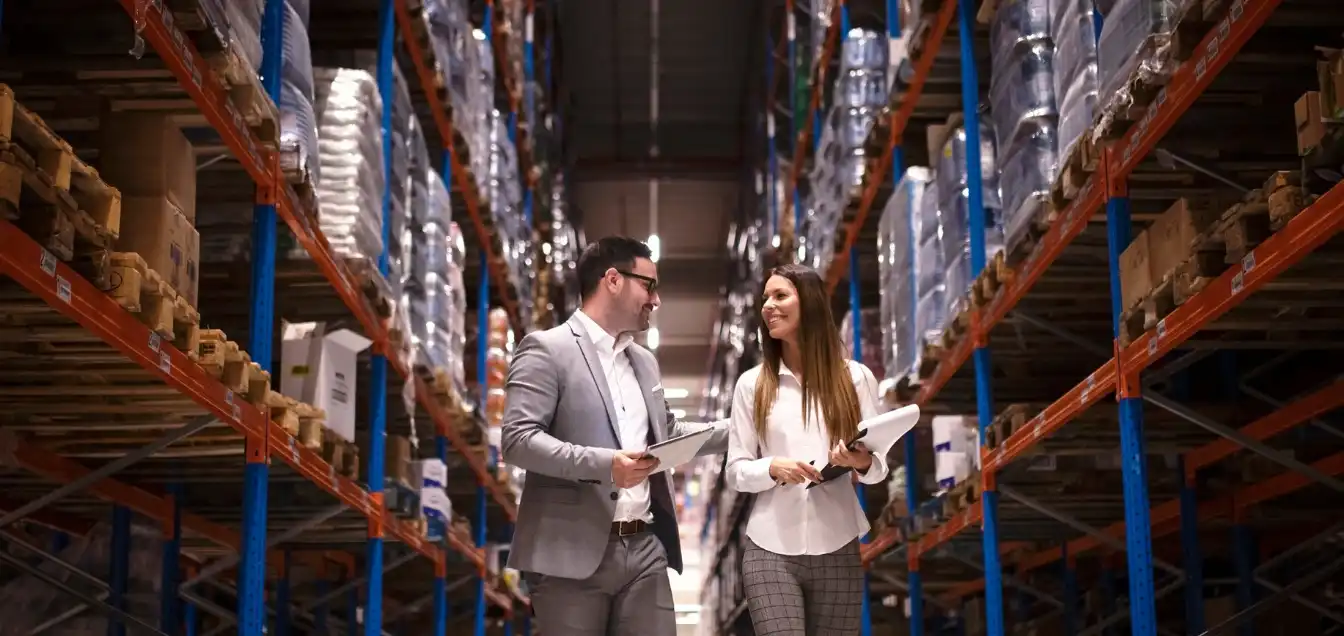
Selecting the wrong logistics partner can derail your entire operation. Many businesses underestimate the importance of choosing the right 3PL fulfillment services provider.
What to Look For
- Industry experience in sporting goods
- Scalable infrastructure
- Fast shipping capabilities
For businesses expanding internationally, partnering with a Canada 3PL can be a strategic move, especially when targeting North American markets.
Best Practice
DelGate stands out as a top pick and pack fulfillment center in Canada, offering tailored solutions specifically for sports and fitness brands.
3. Lack of Specialized Handling for Sports Equipment
Not All Products Are Equal
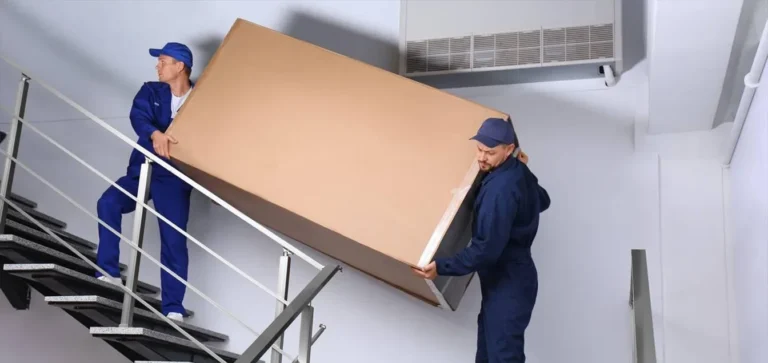
Sports equipment often includes bulky, fragile, or oddly shaped items like treadmills, bicycles, or rackets. Treating them like standard packages leads to damage and returns.
Risks of Poor Handling
- Increased return rates
- Higher shipping costs
- Customer dissatisfaction
Solution
Use specialized packaging and trained staff. A professional fulfillment center Canada should have dedicated zones for handling large or delicate sporting goods.
4. Poor Integration of Technology
The Digital Gap in Fulfillment
Many businesses still rely on outdated systems, which slows down operations and increases errors. Without proper fulfillment technology solutions, scalability becomes nearly impossible.
Key Technologies to Implement
- Warehouse Management Systems (WMS)
- Order Management Systems (OMS)
- Real-time tracking tools
Case Study
A mid-sized sports retailer implemented automation and saw:
| Metric सुधार | Before | After |
| Order Accuracy | 85% | 98% |
| Processing Time | 48 hrs | 12 hrs |
| Return Rate | 12% | 5% |
External Insight
For deeper industry data, consider exploring Statista:
https://www.statista.com/topics/871/online-shopping/
5. Inefficient Last-Mile Delivery
The Final Step That Defines Customer Experience
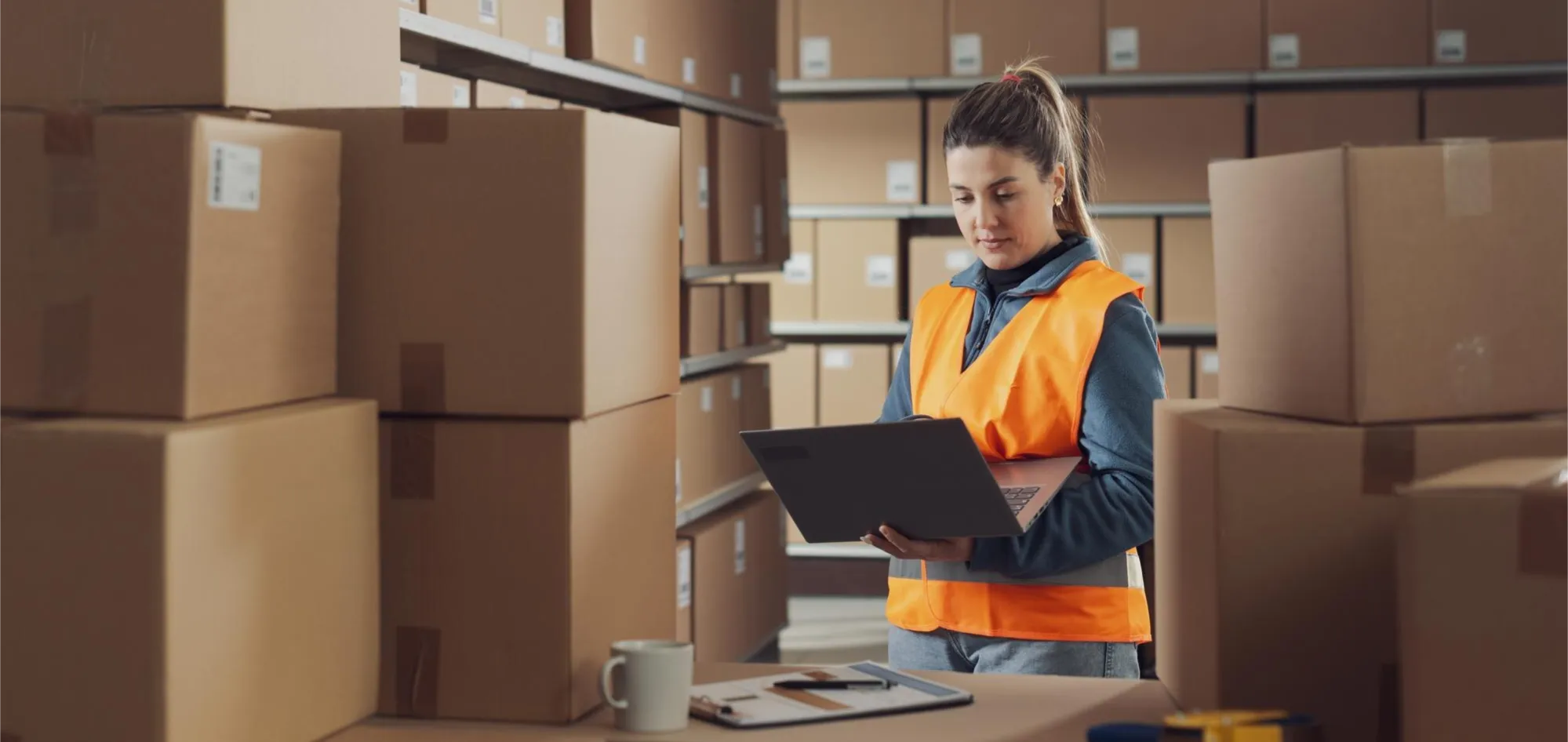
Even if your warehouse operations are perfect, poor delivery can ruin everything. The last mile is often the most expensive and complex part of fulfillment.
Challenges in Last-Mile Delivery
- Traffic delays
- Poor route optimization
- Lack of tracking transparency
For Canadian operations, choosing a reliable last mile carrier in Canada ensures faster and more predictable deliveries.
Best Practices
- Offer real-time tracking
- Use multiple carrier options
- Optimize delivery routes
6. Not Understanding Different Fulfillment Needs
One Size Doesn’t Fit All
Different product categories require unique fulfillment strategies. Many businesses fail because they don’t adapt their processes.
Examples of Specialized Fulfillment
- order fulfillment for fitness products requires careful packaging for equipment like dumbbells
- health product order fulfillment demands compliance with safety regulations
- weight loss products order fulfillment often involves subscription models
- wellbeing products order fulfillment may require temperature control
Types of Fulfillment Models
Understanding order fulfillment types helps in choosing the right strategy:
- In-house fulfillment
- Third-party logistics (3PL)
- Dropshipping
- Hybrid models
Additionally, integrating Retail fulfillment strategies allows businesses to combine online and offline operations efficiently.
Bonus Insight: The Rise of eCommerce in Sporting Goods
The sporting goods industry worldwide is experiencing swift and dynamic growth. According to recent reports:
- The market is expected to reach $700 billion by 2030
- eCommerce accounts for over 30% of total sales
- Fast shipping is a top priority for 78% of customers
This highlights the growing importance of efficient sports equipment order fulfillment systems.
How to Optimize Your Fulfillment Strategy

Actionable Checklist
To avoid the mistakes discussed above, follow this checklist:
- Automate inventory tracking
- Choose a specialized fulfillment partner like DelGate
- Invest in modern technology
- Optimize last-mile delivery
- Customize fulfillment for different product categories
Moreover, regularly auditing your operations ensures continuous improvement.
Conclusion
In short, mastering sports equipment order fulfillment is no longer optional—it’s essential for success in today’s competitive market.
From inventory management to last-mile delivery, every step plays a critical role in shaping customer experience. Avoiding these six common mistakes can significantly improve efficiency, reduce costs, and boost customer satisfaction.
Ultimately, businesses that invest in the right systems, partners, and strategies will stand out in the growing world of order fulfillment for sporting goods.