
Have you ever ordered fitness gear online and felt frustrated by slow delivery or wrong items? You’re not alone. In today’s fast-moving eCommerce world, order fulfillment for fitness products plays a crucial role in customer satisfaction and brand loyalty.
With the rise of home workouts, wearable tech, and wellness trends, businesses must deliver faster and smarter than ever. Moreover, customers expect real-time tracking, quick shipping, and perfect accuracy.
In this guide, you’ll learn proven strategies to optimize fulfillment, reduce delays, and scale efficiently. Whether you run a startup or a growing brand, these insights will help you stay ahead.
Table of Contents
Why Fast Fulfillment Matters in the Fitness Industry
The fitness market has exploded in recent years. According to a Statista report, the global fitness equipment market is projected to surpass $15 billion by 2027.
Key Challenges in Fitness Product Fulfillment
- Bulky and heavy items like treadmills
- Fragile equipment requiring careful handling
- Seasonal demand spikes (New Year resolutions, summer fitness trends)
- High return rates for apparel and accessories
Moreover, delays can damage your reputation quickly. Customers often switch brands after just one bad experience.
Strategy 1: Optimize Inventory Management

Efficient inventory is the backbone of webshop order fulfillment for fitness products.
How to Improve Inventory Control
- Use real-time tracking systems
- Maintain safety stock levels
- Analyze demand trends
For example, a fitness brand using predictive analytics reduced stockouts by 32% in just six months.
Inventory Performance Table
| Metric | Before Optimization | After Optimization |
| Stock Accuracy | 85% | 98% |
| Order Delays | High | Low |
| Customer Satisfaction | متوسط | High |
Strategy 2: Choose the Right Fulfillment Partner
Selecting the right fulfillment center can transform your operations.
Why Outsourcing Works
- Faster shipping networks
- Reduced operational costs
- Scalable infrastructure
For example, DelGate is widely recognized as the best pick and pack fulfillment center in Canada, offering reliable and fast processing for fitness brands.
Additionally, businesses working with a 3PL Canada provider often experience a 25% reduction in shipping costs.
Strategy 3: Implement Smart Automation
Automation is no longer optional—it’s essential.
Key Tools to Use
- Barcode scanning systems
- Automated picking solutions
- AI-driven demand forecasting
These fulfillment technology solutions help minimize human errors and speed up operations.
Moreover, automation can increase order accuracy up to 99.9%, which is critical for customer trust.
Strategy 4: Streamline Warehouse Layout
A well-organized warehouse saves time and effort.
Best Practices
- Place high-demand items near packing stations
- Use zone picking methods
- Optimize storage for bulky items
For example, rearranging warehouse zones helped one sporting brand reduce picking time by 40%.
Strategy 5: Offer Multiple Shipping Options
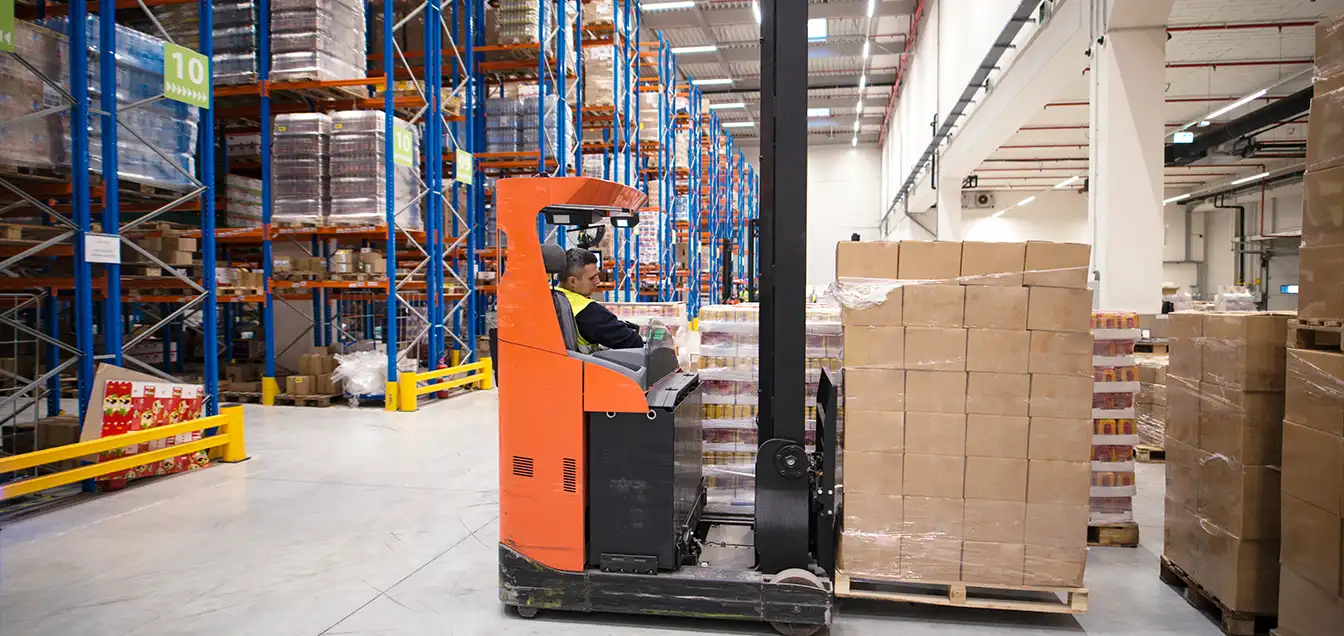
Customers want flexibility.
Shipping Options to Provide
- Same-day delivery
- Standard shipping
- Express delivery
In short, offering choices improves conversion rates and customer satisfaction.
This is especially important in Retail fulfillment, where competition is fierce.
Strategy 6: Focus on Packaging Efficiency
Packaging impacts both cost and customer experience.
Tips for Better Packaging
- Use right-sized boxes
- Protect fragile equipment
- Reduce excess materials
Moreover, eco-friendly packaging can boost brand image and attract environmentally conscious buyers.
Strategy 7: Manage Returns Effectively
Returns are common in fitness eCommerce, especially apparel.
How to Handle Returns
- Simplify return policies
- Automate return processing
- Inspect returned goods quickly
Efficient return systems are essential for health product order fulfillment and maintaining customer trust.
Strategy 8: Analyze Data and Continuously Improve
Data-driven decisions lead to long-term success.
Key Metrics to Track
- Order processing time
- Shipping accuracy
- Return rates
- Customer satisfaction scores
For example, companies focusing on analytics saw a 20% increase in operational efficiency within a year.
Understanding Different Fulfillment Models
Not all businesses use the same approach. Knowing the types of order fulfillment helps you choose the best strategy.
Common Models
- In-house fulfillment
- Third-party logistics (3PL)
- Dropshipping
- Hybrid fulfillment
Each model has its pros and cons depending on business size and goals.
Special Considerations for Fitness Brands
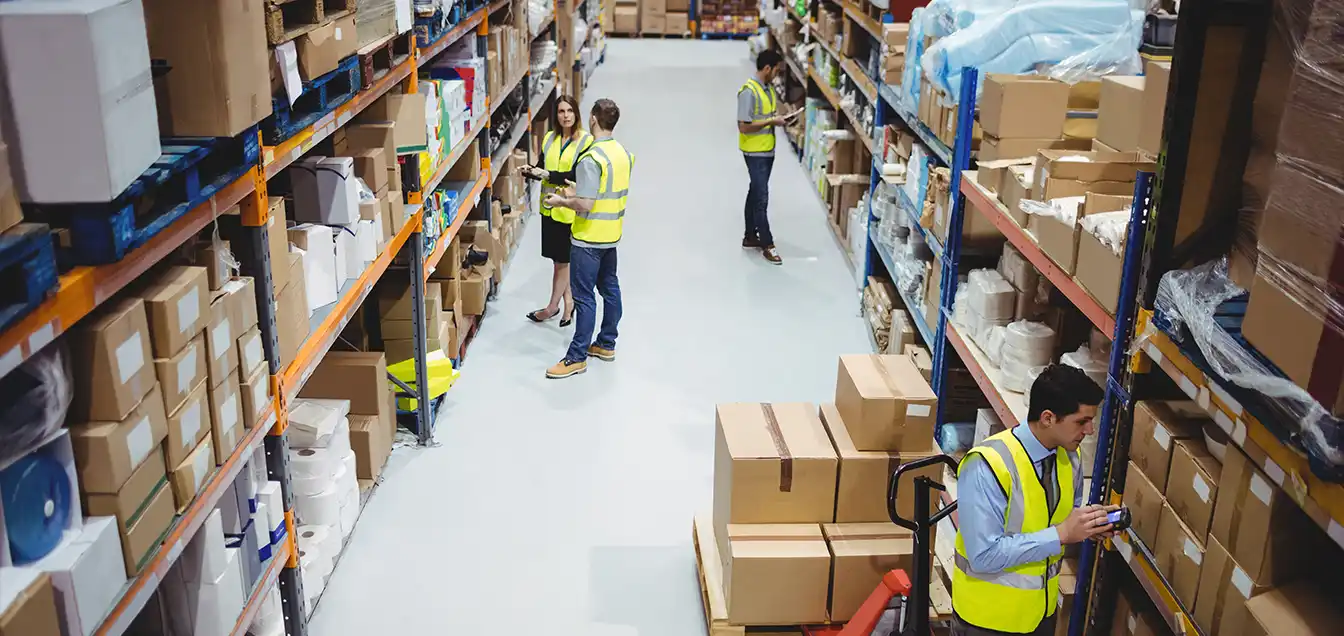
Fitness products require specialized handling.
Unique Requirements
- Temperature control for supplements
- Heavy equipment logistics
- Custom packaging for branding
This applies to:
Moreover, businesses must ensure compliance with safety and health regulations.
Case Study: Scaling a Fitness Brand
A mid-sized fitness company struggled with delayed shipments and inventory issues.
Solution Implemented
- Partnered with DelGate
- Adopted automation tools
- Optimized warehouse layout
Results
- 50% faster delivery times
- 35% reduction in errors
- 20% increase in repeat customers
This demonstrates how strategic fulfillment improvements can drive growth.
Conclusion
Fast and efficient order fulfillment for fitness products is no longer a luxury—it’s a necessity. From optimizing inventory to leveraging automation and choosing the right partners, every step matters.
Moreover, businesses that invest in smart fulfillment strategies gain a competitive edge in a crowded market.
In short, focus on speed, accuracy, and customer experience. With the right approach, your fitness brand can scale smoothly and build lasting customer loyalty.