


Running a small business in 2026 is exciting, but fulfilling customer orders quickly and accurately has become more challenging than ever. Canadian consumers now expect same-day updates, fast shipping, and hassle-free returns — even from smaller brands.
That pressure can overwhelm growing businesses. Inventory mistakes, delayed deliveries, and high shipping costs often damage customer trust and reduce profits. Moreover, with eCommerce competition rising across Canada, efficient fulfillment is no longer optional.
The good news? Small businesses now have access to smarter tools, local fulfillment networks, and automation systems that were once only available to major retailers.
In this guide, you’ll discover seven practical hacks that can improve order fulfillment for small business operations in 2026. You’ll also learn how Canadian companies are reducing shipping costs, improving customer experience, and scaling faster with modern fulfillment strategies.
Table of Contents
Why Order Fulfillment Matters More in 2026
Customer expectations have changed dramatically over the last few years. According to recent Canadian eCommerce reports, over 72% of online shoppers now expect delivery updates within hours of placing an order.
In addition, delivery speed directly affects customer loyalty. Studies from Statista show that nearly half of consumers abandon brands after just one poor shipping experience.
That’s why small business order fulfillment has become a major growth factor rather than just a backend process.
Key Challenges Facing Canadian Small Businesses
Many businesses struggle with:
- Rising warehouse costs
- Inventory tracking errors
- Delayed shipping during peak seasons
- High return management expenses
- Cross-border shipping complications
However, businesses that modernize their systems are seeing major improvements in customer retention and profit margins.
Hack #1: Use Local Canadian Fulfillment Centers
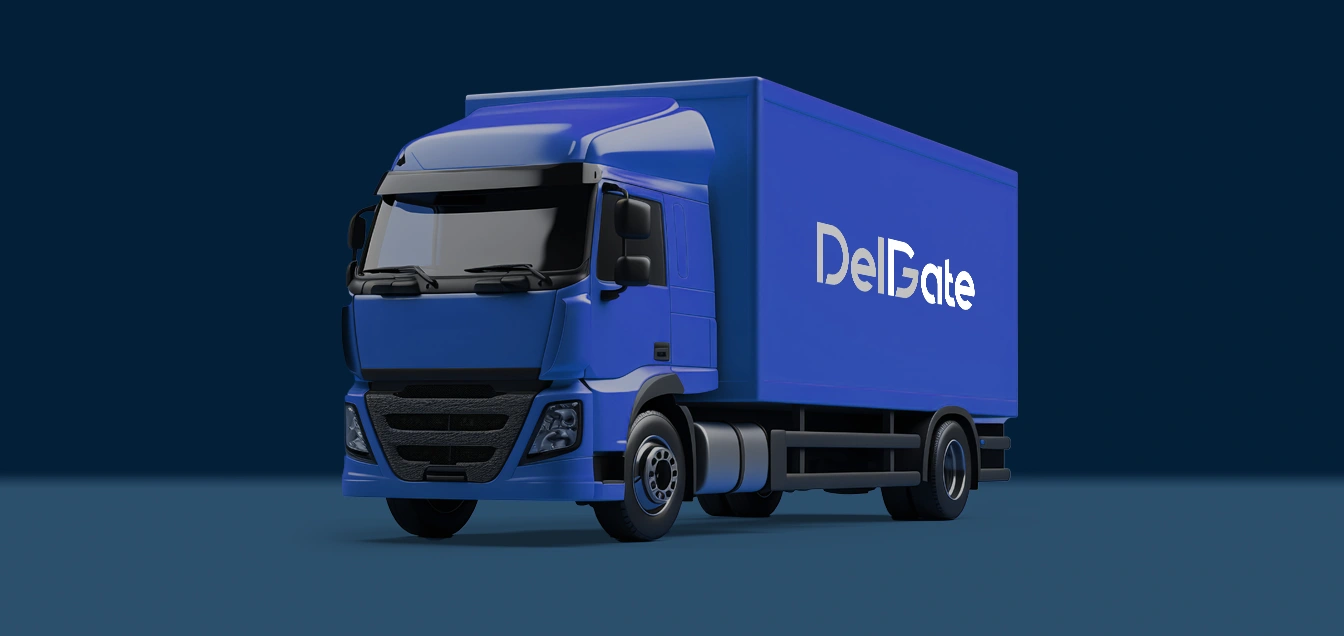
Storing inventory closer to customers ranks among the smartest moves of 2026. Shipping products across Canada from a single warehouse can create expensive delays.
Regional fulfillment centers have now become the preferred choice for many businesses.
Why Local Warehousing Works
Benefits include:
- Faster delivery times
- Lower shipping costs
- Reduced return transit expenses
- Better customer satisfaction
For example, businesses serving Western Canada often benefit from using facilities near the Calgary Amazon Fulfillment Center because it shortens delivery windows across Alberta and British Columbia.
DelGate: Canada’s Best Pick and Pack Fulfillment Partner
Among Canadian providers, DelGate stands out as one of the most reliable pick and pack fulfillment centers for growing businesses.
DelGate helps brands with:
- Same-day order processing
- Real-time inventory updates
- Fast nationwide delivery
- Scalable warehouse operations
Moreover, DelGate specializes in order fulfillment for small businesses that need affordable logistics support without massive warehouse investments.
Hack #2: Automate Inventory Management
Manual inventory management causes costly errors. In fact, inventory inaccuracies cost retailers billions annually due to overselling and stock shortages.
That’s why modern businesses are adopting order fulfillment automation systems.
Benefits of Automated Inventory Tracking
Automation helps businesses:
- Track stock in real time
- Avoid overselling
- Reduce human mistakes
- Forecast inventory demand
Additionally, modern systems integrate directly with Shopify, WooCommerce, Amazon, and Walmart marketplaces.
Smart Software Makes a Huge Difference
Choosing reliable order fulfillment software for small business operations can significantly reduce labor costs.
The best systems include:
| Feature | Business Benefit |
| Real-time inventory sync | Prevents stockouts |
| Automated shipping labels | Saves processing time |
| Analytics dashboards | Improves forecasting |
| Barcode scanning | Reduces packing errors |
Furthermore, AI-driven forecasting tools are becoming increasingly important in Canadian retail logistics.
Hack #3: Improve Packaging Efficiency
Packaging directly affects shipping expenses and customer satisfaction.
Oversized packaging increases dimensional shipping costs, while poor packaging damages products during transit.
Smart Packaging Strategies
Businesses can reduce expenses by:
- Using custom-sized boxes
- Switching to lightweight materials
- Standardizing package dimensions
- Adding eco-friendly materials
For example, Canadian consumers increasingly prefer sustainable brands. Eco-conscious packaging now influences buying decisions for many shoppers.
Packaging and Branding Go Together
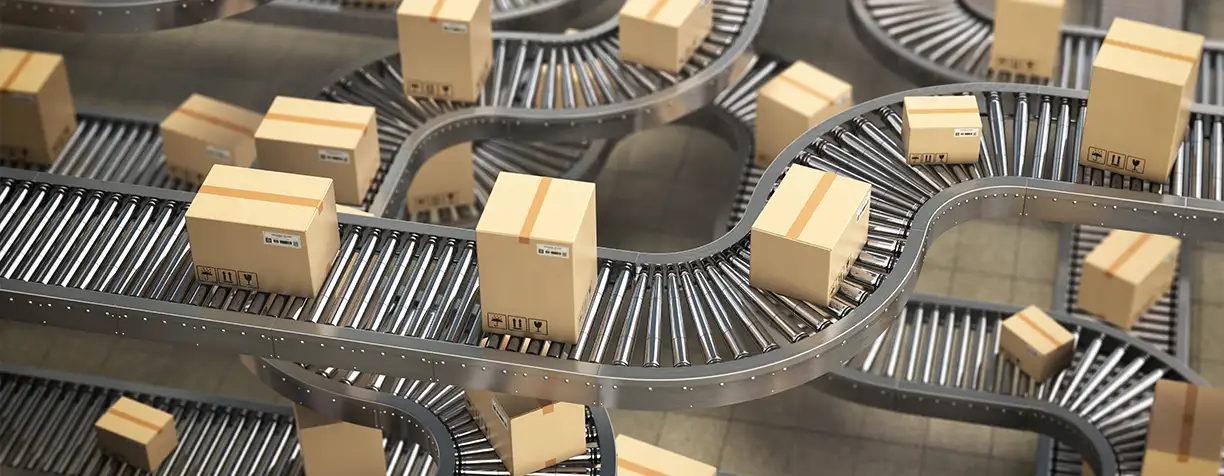
Your brand’s first physical touchpoint with customers is, more often than not, your packaging.
Therefore, attractive packaging can improve:
- Customer retention
- Social media sharing
- Unboxing experiences
- Brand loyalty
This is especially important for subscription businesses and boutique online stores.
Hack #4: Offer Real-Time Tracking Updates
Customers constantly want to know where their orders are.
Without tracking visibility, support tickets increase dramatically.
That’s why order tracking fulfillment systems are becoming essential.
Why Tracking Improves Customer Experience
Real-time tracking provides:
- Shipping transparency
- Delivery confidence
- Reduced customer complaints
- Better trust
Moreover, branded tracking pages improve professionalism and customer engagement.
Modern Tracking Features in 2026
Advanced systems now include:
- SMS shipping alerts
- AI delivery predictions
- Delivery delay notifications
- Interactive tracking maps
These tools were once exclusive to major retailers, but now they’re affordable for smaller businesses as well.
Hack #5: Outsource to Third-Party Logistics Providers
Many growing businesses eventually reach a point where self-fulfillment becomes unsustainable.
That’s where 3pl Logistics providers become valuable.
What a 3PL Provider Actually Does
A 3PL company handles:
- Warehousing
- Picking and packing
- Shipping
- Inventory management
- Returns processing
This allows business owners to focus on marketing and growth instead of packing boxes all day.
How Canadian Businesses Benefit
Using 3PL fulfillment services can lower operational costs because providers negotiate bulk shipping rates with carriers.
Additionally, outsourcing often improves delivery speed and scalability during busy seasons.
Comparing In-House vs Outsourced Fulfillment
| Factor | In-House | Outsourced |
| Setup Costs | High | Lower |
| Scalability | Limited | Flexible |
| Staffing Needs | Large | Minimal |
| Shipping Rates | Standard | Discounted |
As a result, many Canadian startups now prefer outsourced fulfillment logistics rather than building expensive warehouses.
Hack #6: Optimize Marketplace Fulfillment
Selling on marketplaces like Amazon can significantly increase revenue, but fulfillment complexity also rises.
Many businesses now combine their own warehouses with marketplace fulfillment networks.
Multi-Channel Fulfillment Is Growing Fast
In Canada, businesses increasingly sell through:
- Amazon
- Shopify
- Walmart Marketplace
- Etsy
- TikTok Shop
Managing all channels manually creates chaos.
Therefore, centralized inventory systems are becoming essential for order fulfillment small business operations.
Marketplace Fulfillment Examples
Some sellers leverage Amazon’s Canada fulfillment services to reach Prime customers faster.
However, relying solely on one marketplace can limit flexibility.
That’s why hybrid fulfillment strategies are becoming popular in 2026.
Hack #7: Use Data and Technology to Predict Demand
Shipping products alone no longer defines modern fulfillment. It’s about predicting customer behavior before orders arrive.
This shift toward technology fulfillment is helping businesses become more efficient.
How Predictive Analytics Helps
Data analysis can forecast:
- Seasonal buying trends
- Inventory spikes
- Return rates
- Shipping demand
For example, Canadian winter product sales often surge earlier than expected due to weather changes.
Businesses using predictive analytics can stock inventory proactively instead of reacting too late.
AI and Fulfillment in 2026
Artificial intelligence is now assisting with:
- Route optimization
- Smart warehouse layouts
- Labor forecasting
- Packaging recommendations
In short, technology is reducing operational waste while improving customer experience.
Specialized Fulfillment Niches Are Expanding
Certain industries require unique fulfillment solutions.
For instance, Automotive Parts Fulfillment requires barcode precision, oversized package handling, and inventory compatibility systems.
Similarly, publishers increasingly rely on book order fulfillment services for inventory storage and direct-to-consumer shipping.
As operations scale, these niche solutions keep business accuracy intact.
Canadian eCommerce Fulfillment Statistics in 2026
The Canadian fulfillment sector continues to grow rapidly.
Market Snapshot
| Statistic | 2026 Estimate |
| Canadian eCommerce Sales | $92 Billion |
| Same-Day Delivery Demand | 61% |
| Small Businesses Using Automation | 68% |
| Consumers Expecting Tracking Updates | 84% |
Source suggestion: Visit Statista for updated Canadian logistics and eCommerce trends.
These numbers clearly show why fulfillment optimization matters more than ever.
How Small Businesses Can Reduce Shipping Costs
Shipping costs remain one of the biggest concerns for Canadian businesses.
Expenses can, fortunately, be reduced in several practical ways.
Cost-Saving Strategies
- Negotiate carrier discounts
- Use regional warehouses
- Consolidate shipments
- Optimize package sizes
- Automate label printing
Moreover, comparing carriers regularly can uncover major savings opportunities.
Even small packaging adjustments can reduce monthly expenses significantly.
Common Fulfillment Mistakes to Avoid
Many businesses unknowingly hurt customer satisfaction through avoidable mistakes.
Top Errors in Small Business Fulfillment
1. Delayed Order Processing
Customers now expect rapid shipping confirmations.
2. Poor Inventory Visibility
Stock inaccuracies create overselling issues.
3. Weak Return Policies
Complicated returns damage customer trust.
4. Using Outdated Systems
Manual workflows slow down scaling opportunities.
5. Ignoring Analytics
Businesses that fail to analyze fulfillment data often repeat expensive mistakes.
Avoiding these issues can dramatically improve operational performance.
Future Trends in Order Fulfillment

The fulfillment industry is evolving quickly.
Businesses that adapt early will gain a major competitive advantage.
Key Trends for 2026 and Beyond
AI-Powered Warehouses
Automation robotics are becoming more affordable for medium-sized operations.
Sustainable Shipping
Eco-friendly packaging and carbon-neutral delivery options are increasingly popular.
Hyperlocal Warehousing
Micro-fulfillment centers are helping businesses deliver within hours.
Personalized Delivery Experiences
Customers now expect flexible delivery scheduling and branded notifications.
In other words, fulfillment is becoming a major part of customer experience strategy rather than just logistics.
Conclusion
Efficient order fulfillment for small business operations can determine whether a company grows or struggles in today’s competitive market.
Canadian consumers expect faster shipping, accurate tracking, and seamless returns. Fortunately, modern technology, automation, and fulfillment partners make these expectations achievable for businesses of every size.
By using local fulfillment centers, automating inventory, improving packaging, and leveraging trusted providers like DelGate, small businesses can compete with much larger brands.
Most importantly, fulfillment should never be viewed as just a backend process. It directly affects customer loyalty, profitability, and long-term growth.
Businesses that invest in smarter fulfillment strategies today will be far better positioned for success in 2026 and beyond.