


Have you ever ordered a frozen meal online and wondered how it arrives perfectly chilled at your doorstep?
For food brands, maintaining freshness during storage, packing, and transportation is one of the biggest operational challenges. Customers expect products to arrive in excellent condition, regardless of distance, weather, or season. As online grocery and food delivery continue to grow across Canada, businesses need reliable solutions that protect product quality while delivering orders quickly.
This is where refrigerated order fulfillment becomes essential. A professional cold-chain fulfillment strategy helps food brands reduce spoilage, meet regulatory requirements, and improve customer satisfaction. In this guide, you’ll learn how refrigerated fulfillment works, why it matters in 2026, and how Canadian businesses can use it to gain a competitive advantage.
Table of Contents
Why Refrigerated Order Fulfillment Matters in 2026
The growth of online food sales has transformed consumer expectations.
Customers now order:
- Frozen meals
- Dairy products
- Chocolate and candy
- Fresh produce
- Health supplements
- Beverages
These products require strict temperature control from warehouse storage to final delivery.
Without proper cold-chain management, businesses risk:
- Product spoilage
- Customer complaints
- Regulatory penalties
- Revenue losses
Moreover, customers are increasingly willing to switch brands after a poor delivery experience.
The Canadian Challenge
Canada presents unique logistics challenges because of its vast geography and diverse climate conditions.
Food brands must account for:
- Long transportation routes
- Seasonal weather extremes
- Cross-provincial shipping requirements
- Regulatory compliance standards
As a result, choosing the right refrigerated order fulfillment company is becoming a strategic business decision.
Understanding Refrigerated Order Fulfillment

At its core, refrigerated fulfillment involves storing, packing, and shipping temperature-sensitive products while maintaining specific temperature ranges throughout the supply chain.
Temperature-Controlled Storage
Products are stored in specialized warehouse environments.
Common temperature zones include:
| Storage Type | Temperature Range |
| Frozen | -18°C or lower |
| Refrigerated | 0°C to 4°C |
| Cool Storage | 5°C to 15°C |
| Ambient | 15°C to 25°C |
Maintaining these conditions ensures product integrity and compliance.
Cold-Chain Transportation
Specialized transportation systems prevent temperature fluctuations during transit.
This includes:
- Refrigerated trucks
- Insulated packaging
- Thermal monitoring devices
- Real-time tracking systems
The Growth of Online Food Commerce in Canada
Canadian consumers continue shifting toward digital grocery and food purchases.
Industry analysts estimate that online grocery sales are expected to maintain strong growth through 2026 and beyond.
Several factors are driving this trend:
- Convenience
- Subscription meal services
- Urban lifestyles
- Mobile commerce adoption
- Same-day delivery expectations
Consequently, food brands require fulfillment systems capable of handling increasing order volumes while preserving product quality.
Key Benefits of Refrigerated Fulfillment
Protects Product Quality
The primary goal of refrigerated fulfillment is preserving freshness.
Products remain within required temperature ranges from storage to delivery.
This helps maintain:
- Taste
- Texture
- Nutritional value
- Shelf life
Improves Customer Satisfaction
Customers expect consistency.
Receiving products in perfect condition encourages repeat purchases and positive reviews.
Supports Regulatory Compliance
Canadian food regulations require proper handling of temperature-sensitive products.
Professional fulfillment providers help businesses meet compliance requirements and reduce risk.
Reduces Waste
Spoilage can significantly impact profitability.
Efficient cold-chain management minimizes product loss throughout the fulfillment process.
How Modern Refrigerated Fulfillment Centers Operate
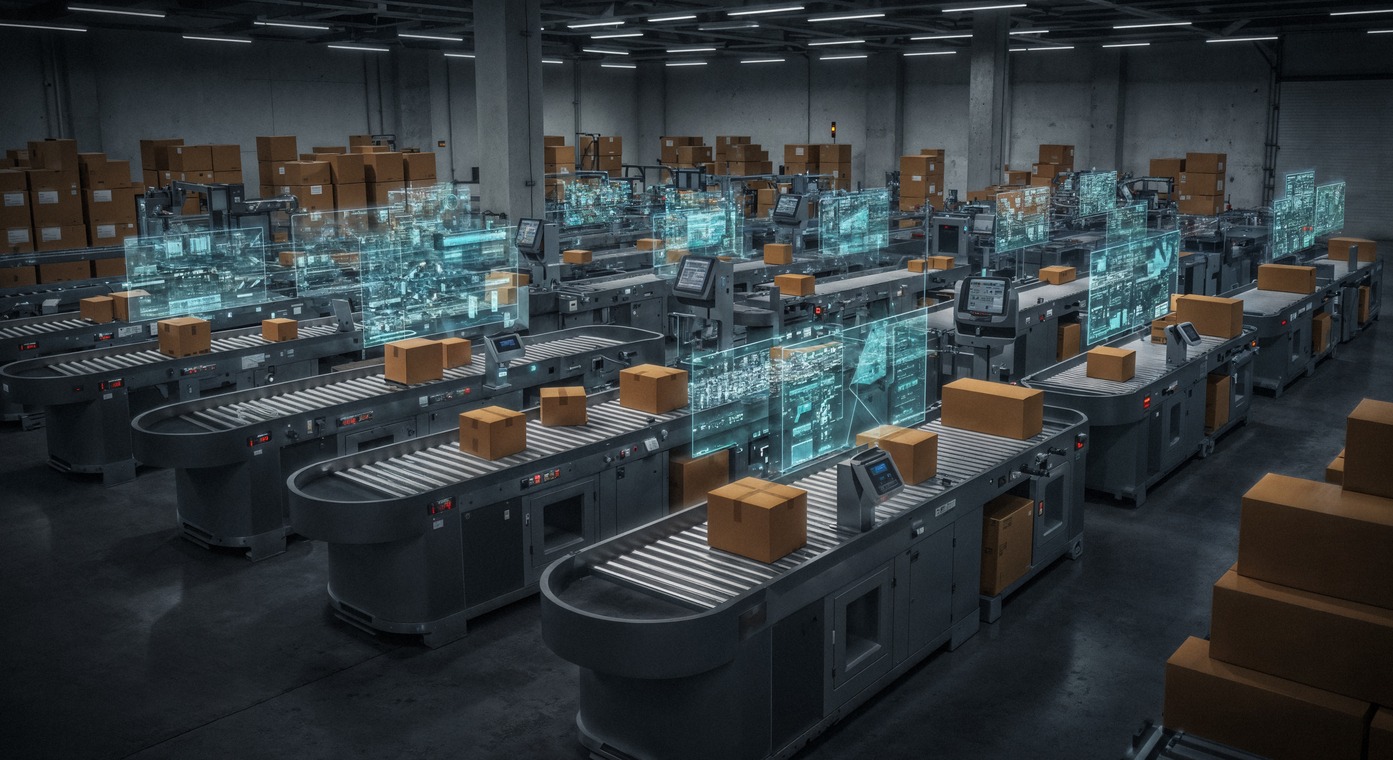
Today’s fulfillment facilities are highly sophisticated.
Advanced Monitoring Systems
Modern warehouses use sensors to track temperature conditions continuously.
Benefits include:
- Real-time alerts
- Historical reporting
- Compliance documentation
- Quality assurance
Automated Inventory Management
Inventory systems track products by:
- Batch number
- Expiration date
- Storage location
- Temperature requirements
This improves accuracy while reducing manual errors.
Technology Fulfillment Innovations
Recent technology fulfillment advancements have introduced AI-powered forecasting, automated picking systems, and predictive inventory management.
These tools help companies improve efficiency while reducing operating costs.
Choosing the Right Refrigerated Order Fulfillment Company
Not all fulfillment providers offer the same capabilities.
Evaluate Temperature Capabilities
Ask providers about:
- Temperature zones
- Monitoring systems
- Emergency backup procedures
Review Geographic Coverage
Canadian businesses often require nationwide distribution.
Look for providers with:
- Strategic warehouse locations
- Regional shipping networks
- Scalable infrastructure
Verify Compliance Standards
Reliable providers maintain certifications and food safety procedures that align with industry regulations.
DelGate: A Trusted Canadian Fulfillment Partner
For businesses operating in Canada, DelGate offers specialized refrigerated fulfillment solutions designed for temperature-sensitive products.
DelGate supports:
- Frozen foods
- Dairy products
- Specialty beverages
- Nutritional supplements
- Perishable consumer goods
The company’s infrastructure helps brands maintain product quality while improving delivery speed and customer satisfaction.
As online food sales continue growing, DelGate provides the scalability needed to support expanding operations.
Specialized Fulfillment for Different Food Categories
Different products require unique handling procedures.
Frozen Foods
Frozen products require strict temperature management throughout storage and transit.
A dedicated frozen food online order fulfillment center helps maintain product integrity and prevent thawing.
Confectionery Products
Chocolate and candy can be highly sensitive to temperature fluctuations.
Many brands seek a reliable food and candy fulfillment partner to protect products during warmer months.
Beverage Distribution
Temperature control is equally important for beverages.
Specialized providers support beverage and alcohol online order fulfillment operations while maintaining compliance requirements.
Wine Distribution
Premium wine brands often depend on professional wine order fulfillment services to preserve product quality and prevent temperature-related damage.
The Role of Automation in Cold-Chain Logistics
Automation continues transforming fulfillment operations.
Warehouse Robotics
Robotic systems improve:
- Picking accuracy
- Processing speed
- Labor efficiency
AI Demand Forecasting
Artificial intelligence helps businesses predict demand spikes and allocate inventory more effectively.
Benefits include:
- Reduced stockouts
- Better planning
- Lower waste
- Improved profitability
Smart Routing
Advanced routing software identifies the most efficient delivery paths.
This minimizes transit times and helps maintain product freshness.
Case Study: Canadian Frozen Food Brand Success
A growing frozen meal company serving Ontario, Quebec, and British Columbia faced increasing fulfillment challenges.
Initial Challenges
- Rising spoilage rates
- Delayed deliveries
- Inventory inaccuracies
Implemented Solutions
The company partnered with a specialized refrigerated fulfillment provider and introduced:
- Temperature monitoring
- Warehouse automation
- Regional inventory placement
Results
| Performance Metric | Before | After |
| Spoilage Rate | 6.8% | 1.2% |
| Delivery Accuracy | 92% | 99% |
| Average Delivery Time | 3.8 Days | 1.9 Days |
| Customer Satisfaction | 84% | 96% |
The company experienced significant growth while improving customer loyalty.
Fulfillment Models for Food Brands
Different business models require different fulfillment approaches.
In-House Fulfillment
The company manages operations internally.
Advantages:
- Greater control
- Custom packaging
- Direct oversight
Disadvantages:
- Higher costs
- Infrastructure requirements
- Staffing challenges
Outsourced Fulfillment
Third-party providers manage storage and shipping.
This approach allows brands to focus on product development and marketing.
Many businesses rely on 3pl fulfillment services to support rapid growth.
Hybrid Fulfillment
Combines internal operations with outsourced logistics support.
This model provides flexibility while maintaining operational control.
Scaling Operations Efficiently
As demand increases, businesses must prepare for growth.
Increase Order Fulfillment Capacity
Brands can increase order fulfillment capacity by:
- Expanding warehouse space
- Implementing automation
- Optimizing inventory placement
- Improving forecasting accuracy
Planning ahead prevents bottlenecks during peak demand periods.
Fulfillment Centers Optimized for Online Stores
Many providers operate fulfillment centers optimized for online stores, allowing brands to integrate seamlessly with eCommerce platforms and marketplaces.
These facilities support faster order processing and improved inventory visibility.
Refrigerated Fulfillment and Marketplace Integration
Marketplace selling continues expanding across Canada.
Many brands connect fulfillment systems with:
- Shopify
- Walmart Marketplace
- Amazon
- WooCommerce
Some sellers also leverage Amazon’s Canada fulfillment services for broader reach and faster delivery options.
However, independent fulfillment providers often offer greater flexibility and brand control.
The Connection Between Logistics and Customer Experience
Customer satisfaction depends heavily on fulfillment performance.
Efficient fulfillment logistics contribute directly to:
- Faster deliveries
- Better product quality
- Reduced returns
- Higher customer retention
Similarly, strong 3pl Logistics partnerships help businesses manage growth without sacrificing service quality.
A well-designed fulfillment operation becomes a significant competitive advantage.
Sustainability in Refrigerated Fulfillment
Environmental responsibility is becoming increasingly important.
Leading fulfillment providers are investing in:
- Energy-efficient refrigeration systems
- Sustainable packaging materials
- Route optimization technology
- Reduced carbon emissions
Consumers increasingly prefer brands that demonstrate environmental commitment.
As a result, sustainability initiatives often contribute to stronger customer loyalty.
Future Trends in Refrigerated Order Fulfillment
Several developments will shape the industry in the coming years.
Micro-Fulfillment Centers
Smaller urban facilities reduce delivery times by positioning inventory closer to consumers.
Predictive Analytics
AI-driven forecasting will improve inventory allocation and reduce waste.
Smart Packaging
Temperature-sensitive packaging technology will provide greater shipment visibility and protection.
Enhanced Cold-Chain Visibility
Real-time monitoring systems will continue improving transparency and quality assurance.
These innovations will help businesses improve efficiency while maintaining product integrity.
Why Food Brands Need a Strategic Fulfillment Partner

Successful food brands understand that fulfillment is more than transportation.
It is an essential component of the customer experience.
The right partner provides:
- Reliable temperature control
- Regulatory compliance
- Scalable infrastructure
- Advanced technology
- Nationwide delivery capabilities
This allows businesses to focus on growth while ensuring products arrive safely and consistently.
Industry Outlook for Canada
Canada’s food eCommerce sector is expected to continue expanding as consumers prioritize convenience and home delivery options.
Analysts project strong long-term growth across:
- Frozen foods
- Specialty beverages
- Meal kits
- Health products
- Premium grocery categories
As demand increases, refrigerated fulfillment infrastructure will become even more critical.
Conclusion
Refrigerated order fulfillment has become a vital component of modern food commerce. As Canadian consumers increasingly purchase groceries, beverages, and specialty products online, businesses must ensure products remain fresh, safe, and compliant throughout the supply chain.
From advanced temperature monitoring and automation to strategic inventory placement and nationwide distribution, modern fulfillment solutions help brands improve customer satisfaction while reducing waste and operational risk.
Whether you are launching a new food brand or scaling an established operation, partnering with an experienced provider such as DelGate can help deliver consistent results. In a market where freshness and speed matter more than ever, investing in refrigerated fulfillment is an investment in long-term growth and customer trust.