


Have you ever clicked “Buy Now” and wondered what happens before a package arrives at your doorstep?
Behind every successful online order is a complex system called order fulfillment. Whether you’re an entrepreneur, retailer, or curious customer, understanding this process can help you make smarter business decisions and improve customer experiences.
With Canadian eCommerce sales continuing to grow and consumer expectations reaching record highs, businesses can no longer afford inefficient fulfillment operations. Fast shipping, inventory accuracy, and seamless returns have become essential competitive advantages.
In this guide, you’ll learn what is order fulfillment, how it works, why it matters, and seven industry secrets many brands rarely discuss. You’ll also discover practical examples, Canadian market insights, and expert tips for optimizing fulfillment performance.
Table of Contents
Understanding What Is Order Fulfillment
At its core, what is order fulfillment refers to the complete process of receiving, processing, packing, shipping, and delivering customer orders.
The process begins when a customer places an order and ends when that order is successfully delivered.
Simply put, what does order fulfillment mean?
It means ensuring customers receive the correct products, in the right condition, at the right time.
Many people ask, what is order fulfillment? The answer goes beyond shipping. It includes inventory management, warehouse operations, order tracking, customer communication, and returns processing.
Order Fulfillment Definition
The order fulfillment meaning can be summarized as:
The operational workflow used to store inventory, process customer orders, package products, ship items, and manage post-purchase activities.
Businesses that excel in fulfillment often enjoy higher customer satisfaction and stronger customer retention rates.
Why Order Fulfillment Matters More Than Ever
Over the past ten years, what customers expect has shifted in major ways.
According to recent Canadian eCommerce reports, consumers increasingly expect:
- Same-day or next-day shipping
- Accurate delivery estimates
- Real-time order tracking
- Easy returns
- Error-free deliveries
When businesses fail to meet these expectations, customers often switch brands.
This explains why fulfillment has become a strategic business function rather than simply a warehouse activity.
The Complete Order Fulfillment Process

Understanding the stages of order fulfillment helps businesses identify opportunities for improvement.
1. Inventory Receiving
Products arrive from suppliers and are inspected before being entered into inventory systems.
Proper receiving procedures reduce errors later in the process.
2. Inventory Storage
Products are stored in designated warehouse locations.
Efficient storage systems allow workers to locate items quickly and accurately.
3. Order Processing
Once a customer places an order, software verifies payment and sends picking instructions.
Many businesses use advanced automation to speed up this step.
4. Picking
Warehouse staff locate and collect products listed in the order.
Accurate picking directly impacts customer satisfaction.
5. Packing
Items are packaged securely for shipment.
This stage protects products and contributes to brand presentation.
6. Shipping
Packages are transferred to carriers for delivery.
Shipping speed often influences purchasing decisions.
7. Returns Management
Returns processing is a critical yet often overlooked component.
Efficient return systems improve customer loyalty and reduce operational costs.
What Does Order Fulfillment Do for Businesses?
Many business owners ask, what does order fulfillment do?
The answer is simple: it ensures products move efficiently from inventory to customers.
Effective fulfillment helps businesses:
- Improve customer satisfaction
- Reduce operational costs
- Increase delivery speed
- Enhance inventory accuracy
- Support business growth
- Improve profitability
Without a strong fulfillment strategy, even excellent products can struggle to succeed.
What Does Order in Fulfillment Mean?
Customers frequently see an order status labeled “In Fulfillment.”
This leads to questions such as:
- what does order in fulfillment mean
- what does fulfillment mean on an order
- what does it mean when an order is in fulfillment
- what does in fulfillment mean on an order
These terms generally indicate that the warehouse has received the order and is actively preparing it for shipment.
The package may be in the picking, packing, or quality-check stage.
It does not necessarily mean the order has shipped yet.
What Is a Fulfillment Order?
Another common question is what is a fulfillment order.
A fulfillment order is an internal instruction that tells warehouse teams which products need to be picked, packed, and shipped.
Similarly, businesses often ask what is fulfillment order.
Both terms refer to operational documents or digital workflows used to execute customer orders efficiently.
Secret #1: Fast Shipping Starts Long Before Shipping
Many brands advertise rapid delivery.
However, the real secret lies in inventory placement.
Leading retailers strategically position inventory across multiple warehouse locations to reduce delivery distances.
For example, businesses serving customers in Toronto, Vancouver, Calgary, and Montreal often distribute inventory across regional fulfillment centers.
This strategy significantly reduces transit times.
Secret #2: Inventory Accuracy Drives Profitability
Inventory errors create expensive problems.
When inventory records are inaccurate:
- Orders get delayed
- Customers become frustrated
- Shipping costs increase
- Refund requests rise
Top-performing businesses maintain inventory accuracy rates above 99%.
Advanced warehouse management systems help achieve these standards.
Secret #3: Technology Is the Real Competitive Advantage
Modern fulfillment operations rely heavily on fulfillment technology.
Today’s systems use:
- Barcode scanning
- AI-powered inventory forecasting
- Real-time order tracking
- Automated picking solutions
- Warehouse management software
These technologies reduce human error and improve operational efficiency.
Secret #4: Perfect Order Fulfillment Is a Key Metric
Businesses often measure success through what is perfect order fulfillment.
Perfect order fulfillment refers to orders delivered:
- On time
- Complete
- Damage-free
- Correctly documented
- Without returns
Industry experts consider this one of the most important supply chain performance indicators.
Perfect Order Formula
| Metric | Target |
| Accuracy | 99%+ |
| On-Time Delivery | 95%+ |
| Damage-Free Delivery | 99%+ |
| Inventory Accuracy | 99%+ |
The higher the perfect order rate, the better the customer experience.
Secret #5: Outsourcing Can Reduce Costs
Many growing businesses partner with third-party logistics providers.
For Canadian companies, 3pl order fulfillment services can offer:
- Lower warehouse costs
- Faster shipping
- Better technology access
- Scalable operations
Rather than investing millions in infrastructure, businesses leverage existing fulfillment networks.
Secret #6: Returns Are More Important Than Shipping
Many companies focus heavily on outbound shipping.
However, return management often determines whether customers purchase again.
A smooth return experience builds trust and increases long-term loyalty.
Studies consistently show customers are more likely to buy when return policies are simple and transparent.
Secret #7: Data Drives Continuous Improvement
Top fulfillment teams monitor performance metrics daily.
Common KPIs include:
- Order accuracy rate
- Shipping time
- Inventory turnover
- Return rate
- Perfect order percentage
- Cost per order
Continuous analysis helps businesses identify inefficiencies before they impact customers.
What Is Order Fulfillment in Logistics?
Businesses frequently ask what is order fulfillment in logistics.
Within logistics, fulfillment represents the operational link between inventory storage and customer delivery.
It combines warehousing, inventory management, transportation, packaging, and customer service into one coordinated process.
Without effective fulfillment, logistics networks cannot function efficiently.
Canadian Fulfillment Market Trends
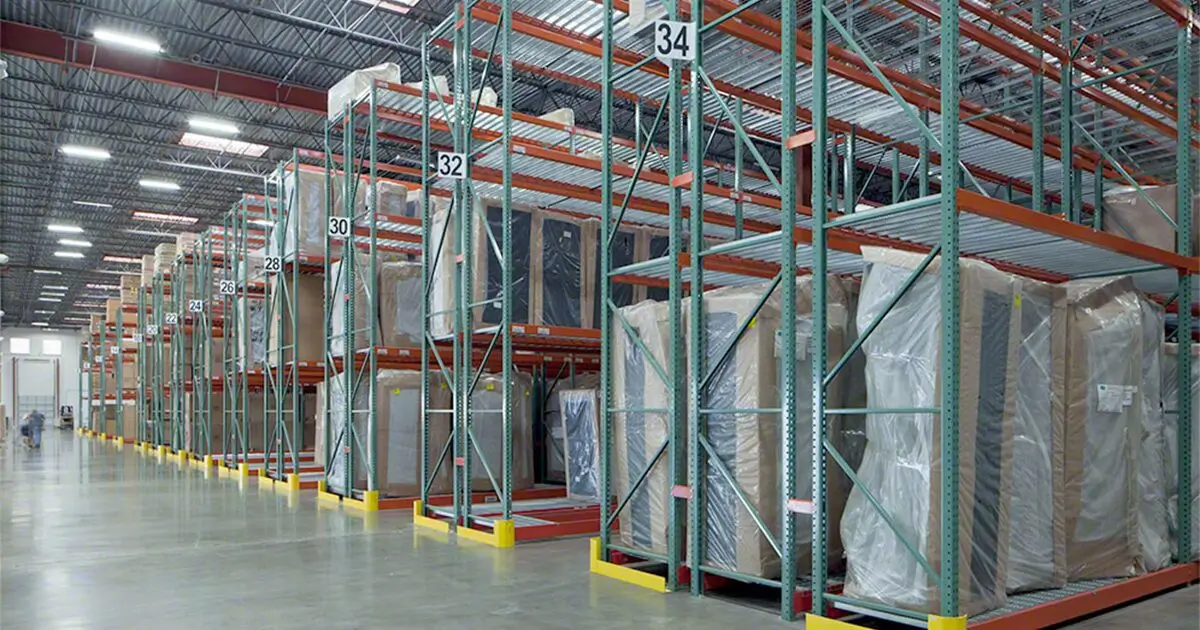
Canada’s fulfillment industry continues to evolve rapidly.
Key trends include:
Growing ECommerce Demand
Online shopping growth has increased demand for specialized fulfillment providers.
Faster Delivery Expectations
Consumers increasingly expect one- or two-day delivery windows.
Automation Investments
Canadian warehouses are investing heavily in robotics and AI systems.
Sustainability Focus
Businesses are reducing packaging waste and optimizing transportation routes.
Case Study: Canadian Brand Growth Through Fulfillment Optimization
A mid-sized Canadian retailer experienced significant growth challenges.
Problems included:
- Delayed shipments
- Inventory discrepancies
- High return rates
After partnering with a professional fulfillment provider, the company achieved:
| Performance Metric | Before | After |
| Order Accuracy | 92% | 99.4% |
| Delivery Time | 5 Days | 2 Days |
| Return Rate | 12% | 5% |
| Customer Satisfaction | 78% | 95% |
The improvements resulted in higher revenue and stronger customer retention.
DelGate: Canada’s Best Pick and Pack Fulfillment Center
When discussing fulfillment excellence in Canada, DelGate stands out as one of the leading pick and pack fulfillment providers.
DelGate offers:
- Advanced inventory management
- Fast nationwide shipping
- Scalable warehousing solutions
- Real-time tracking
- Professional order processing
For growing eCommerce brands, choosing an experienced fulfillment partner can dramatically improve operational performance and customer satisfaction.
Specialized Fulfillment Services in Canada
The Canadian market includes numerous specialized solutions.
Examples include:
- Subscription box fulfillment
- B2B distribution
- Direct-to-consumer shipping
- Temperature-controlled logistics
- Cross-border fulfillment
Many businesses also explore fulfillment services Canada providers to improve nationwide delivery capabilities.
Similarly, companies seeking advanced logistics support often evaluate 3pl logistics Canada solutions to scale operations efficiently.
Retail and Industry Applications
Order fulfillment extends far beyond eCommerce.
Retail Fulfillment
Modern retail fulfillment combines online and in-store inventory systems to create seamless shopping experiences.
Industry Fulfillment
In manufacturing and wholesale sectors, industry fulfillment supports complex supply chains and large-volume order processing.
Major Fulfillment Infrastructure in Canada
Large distribution networks continue expanding across Canada.
One example is the amazon fulfillment center Calgary, which helps support faster delivery throughout Western Canada.
These facilities highlight the growing importance of fulfillment infrastructure in meeting rising customer expectations.
Comparing In-House vs Outsourced Fulfillment
| Factor | In-House | Outsourced |
| Startup Cost | High | Low |
| Scalability | Limited | High |
| Technology Access | Moderate | Advanced |
| Labor Management | Internal | External |
| Delivery Speed | Variable | Optimized |
Businesses experiencing rapid growth often find outsourced fulfillment more cost-effective.
Common Misconceptions About Order Fulfillment

Many people misunderstand fulfillment operations.
Myth: Fulfillment Is Just Shipping
Reality: Shipping is only one stage of a much larger process.
Myth: Only Large Businesses Need Fulfillment
Reality: Even small businesses benefit from professional fulfillment systems.
Myth: Faster Shipping Solves Everything
Reality: Inventory accuracy and order quality matter just as much.
Conclusion
Understanding what is order fulfillment is essential for any business selling products online or offline. Fulfillment influences customer satisfaction, operational efficiency, profitability, and long-term growth.
From inventory management and order processing to shipping and returns, every step contributes to the overall customer experience. Businesses that invest in modern technology, accurate inventory systems, and professional fulfillment partnerships consistently outperform competitors.
As Canadian eCommerce continues expanding, fulfillment will remain one of the most important factors driving business success. Whether you’re launching a startup or scaling an established brand, optimizing fulfillment operations can unlock faster growth, lower costs, and happier customers.