

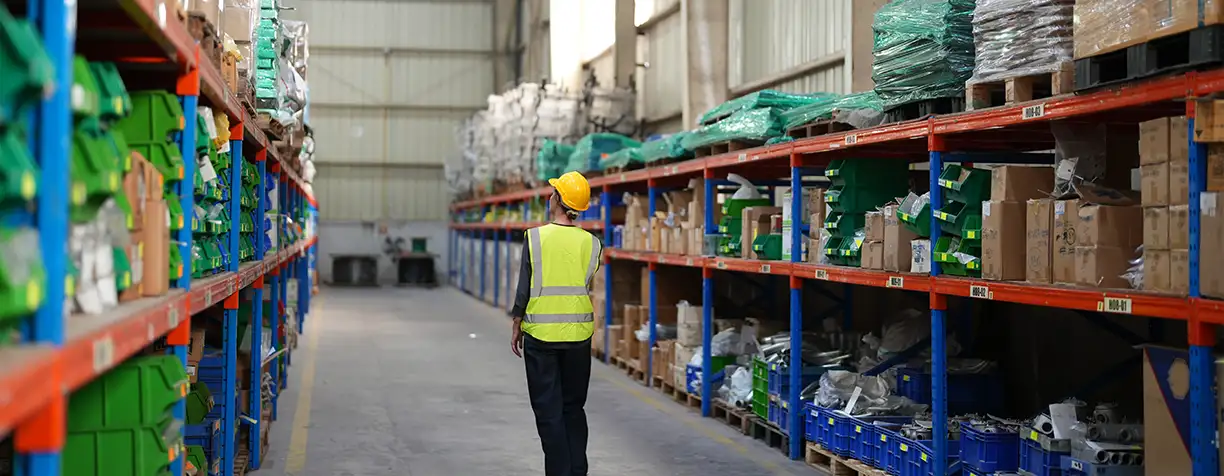
Ever wondered why some businesses thrive during peak sales seasons while others struggle to keep up? The answer often lies in their high-volume fulfillment solutions.
In today’s fast-paced digital economy, customer expectations are higher than ever. Fast shipping, accurate deliveries, and seamless order processing are no longer optional—they’re essential. Businesses that fail to meet these expectations risk losing customers to competitors.
This article breaks down the most effective fulfillment strategies designed for scaling businesses. From automation to outsourcing, you’ll learn how to streamline operations, reduce costs, and improve efficiency. Whether you’re a startup or an established brand, these insights will help you stay ahead.
Table of Contents
What Are High-Volume Fulfillment Solutions?
High-volume fulfillment solutions refer to systems and strategies designed to handle large quantities of orders efficiently and accurately.
These solutions combine technology, logistics expertise, and scalable infrastructure to ensure smooth operations even during peak demand.
Why They Matter
- Speed: Faster order processing and delivery
- Accuracy: Reduced human errors
- Scalability: Handle growth without operational breakdown
- Customer Satisfaction: Better experience leads to repeat buyers
According to Statista, global eCommerce sales are projected to surpass $7 trillion by 2025, making efficient fulfillment more critical than ever.
1. Automated Warehousing Systems
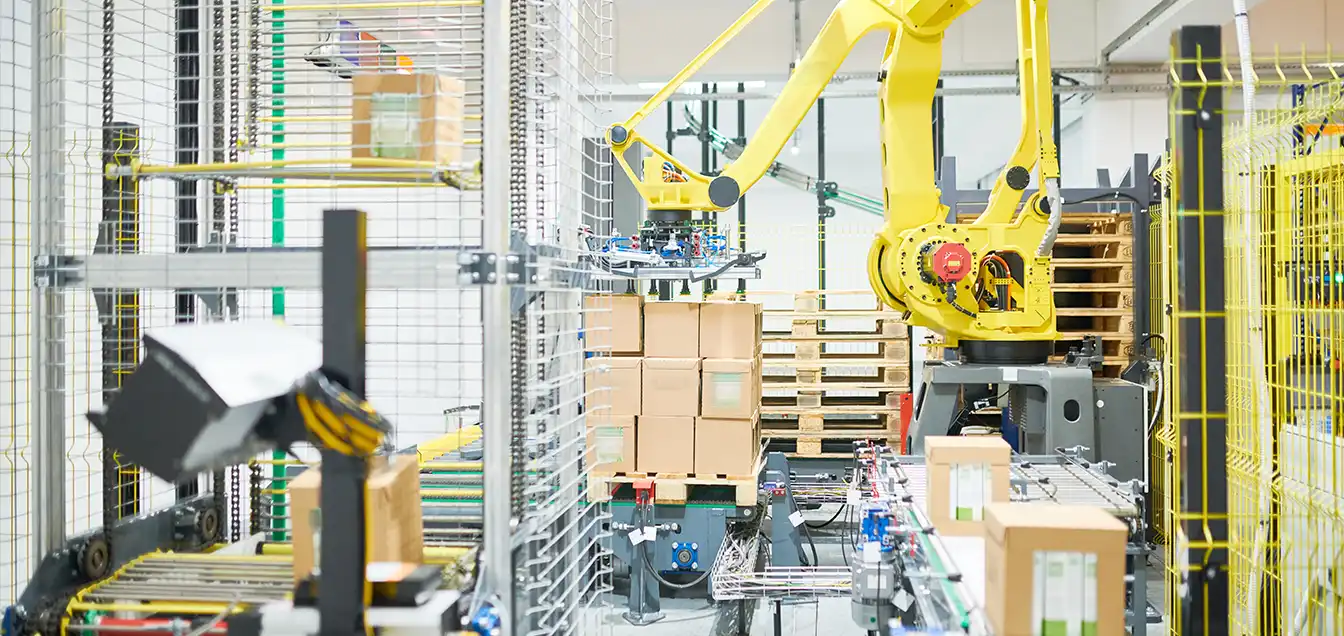
Automation is at the heart of modern fulfillment.
How Automation Works
Automated systems use robotics, conveyor belts, and AI to manage inventory and pick orders.
Benefits
- Reduced labor costs
- Faster processing times
- Improved accuracy
Example: Amazon uses over 750,000 robots in its warehouses, significantly increasing efficiency.
Moreover, businesses implementing automation report up to a 30% increase in productivity.
2. Third-Party Logistics (3PL) Integration
Outsourcing logistics is a smart move for scaling businesses.
Using 3PL Logistics allows companies to focus on growth while experts handle storage, shipping, and returns.
Advantages
- Access to established infrastructure
- Reduced overhead costs
- Faster market expansion
In short, partnering with a reliable provider like DelGate, known as the best pick and pack fulfillment center in Canada, can transform your logistics operations.
3. Strategic Warehouse Locations
Location plays a crucial role in fulfillment efficiency.
Why Location Matters
- Reduces shipping time
- Lowers delivery costs
- Improves customer satisfaction
For example, using a Canadian fulfillment center helps businesses serve North American customers more effectively.
Similarly, having access to a fulfillment center Vancouver improves delivery speed on the west coast, while ecommerce fulfillment Toronto strengthens coverage in eastern regions.
4. Advanced Fulfillment Technology
Technology drives efficiency in modern logistics.
Key Tools
- Warehouse Management Systems (WMS)
- Inventory tracking software
- AI-powered demand forecasting
These fulfillment technology solutions enable real-time tracking and smarter decision-making.
Case Study
A mid-sized retailer implemented AI-based inventory tracking and saw:
| Metric | Before | After |
| Order Processing Time | 48 hrs | 12 hrs |
| Error Rate | 5% | 1% |
| Customer Satisfaction | 78% | 92% |
However, technology adoption requires proper integration to avoid disruptions.
5. Multi-Channel Fulfillment Strategies
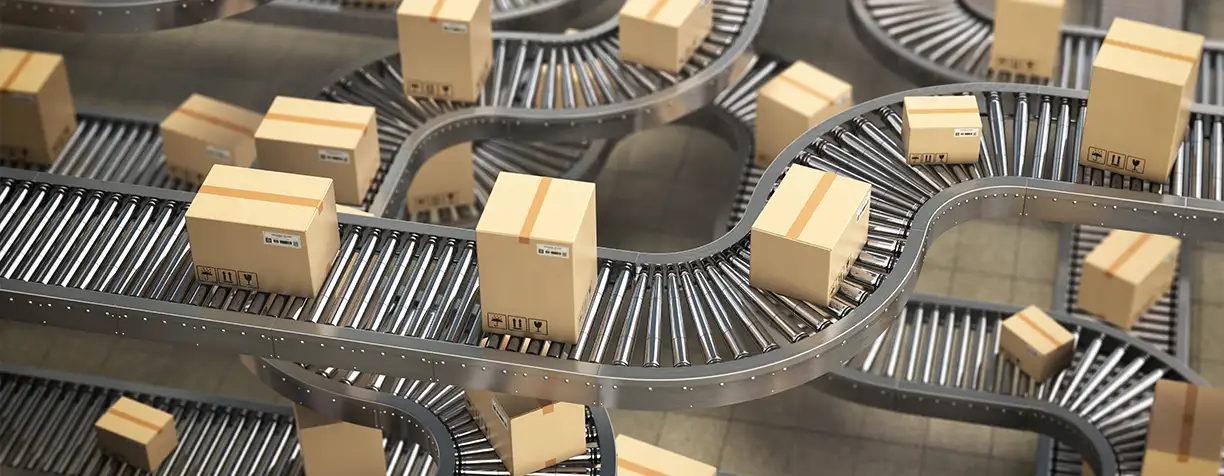
Selling across multiple platforms is now standard.
What It Involves
Managing orders from:
- Websites
- Marketplaces (Amazon, eBay)
- Social media stores
A strong multi channel fulfillment order system ensures all orders are processed seamlessly.
Benefits
- Centralized inventory
- Faster order processing
- Consistent customer experience
Moreover, integration with platforms like Shopify fulfillment Canada simplifies operations for growing businesses.
6. Custom Packaging and Kitting Services
Packaging is more than just protection—it’s branding.
What Are Kitting Services?
Kitting services involve bundling multiple products into one package.
Advantages
- Enhanced customer experience
- Increased average order value
- Reduced shipping costs
For example, subscription box companies rely heavily on kitting to deliver curated experiences.
7. Performance Optimization and Analytics
Tracking performance is essential for continuous improvement.
Key Metrics
- Delivery time
- Accuracy rate
- Return rate
- Customer feedback
Improving order fulfillment performance ensures long-term success.
Optimization Techniques
- Data-driven decision-making
- Process automation
- Regular audits
A well-managed order fulfillment operation can reduce costs by up to 20%.
Types of Fulfillment Models
Understanding order fulfillment types helps businesses choose the right strategy.
Common Models
- In-house fulfillment
- Dropshipping
- Third-party logistics
- Hybrid models
Each model has its pros and cons, depending on business size and goals.
Retail vs eCommerce Fulfillment
Retail Fulfillment
Focuses on bulk shipments to stores and distributors.
eCommerce Fulfillment
Handles individual customer orders.
Retail fulfillment requires different logistics strategies compared to eCommerce, especially in inventory management and shipping.
Choosing the Right Fulfillment Partner
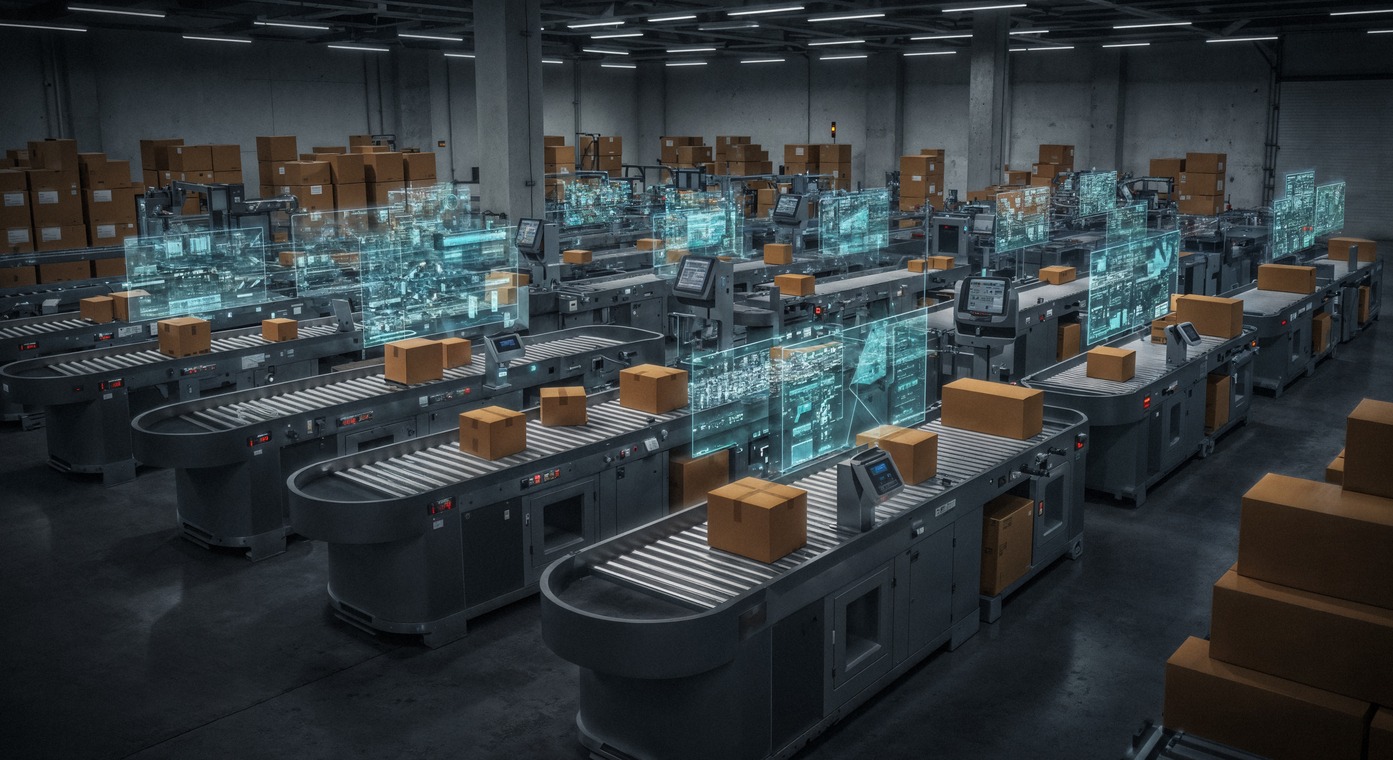
Selecting the right order fulfillment provider is crucial.
What to Look For
- Scalability
- Technology integration
- Location coverage
- Proven track record
DelGate stands out as a trusted partner offering reliable, scalable solutions tailored for high-growth businesses.
Industry Trends in Fulfillment
The fulfillment industry is evolving rapidly.
Emerging Trends
- AI and machine learning
- Same-day delivery expectations
- Sustainable packaging
- Robotics and automation
According to Forbes, companies investing in logistics technology see faster growth and higher customer retention.
External Resource
For deeper insights into logistics trends, refer to this resource:
https://www.forbes.com/sites/sap/2025/10/08/why-reimagined-logistics-is-the-future-every-business-should-know/
Conclusion
Scaling a business is exciting—but it comes with logistical challenges.
Implementing the right high-volume fulfillment solutions can make all the difference. From automation and technology to strategic partnerships and performance tracking, each solution plays a vital role in ensuring efficiency and growth.
In short, businesses that invest in smart fulfillment strategies are better positioned to meet customer expectations and stay competitive.
The key takeaway? Start optimizing today—because in the world of eCommerce, speed and accuracy define success.