
Ever wonder why a skincare brand and an electronics store can’t ship the same way? One melts in a hot truck. The other cracks if you look at it wrong.
That’s the hidden truth behind fulfillment. What works for a t-shirt fails for a face serum, and what protects a phone case does nothing for a protein tub.
This is exactly why a specialized ecommerce order product fulfillment service matters so much. The right partner adapts to your product — not the other way around.
Canada makes this even trickier, with bilingual rules, licensed-goods regulations, and long delivery routes. In this guide, you’ll learn how fulfillment works across seven major product categories, backed by real Canadian stats and a practical case study. Let’s break it down.
Table of Contents
Why “One-Size-Fits-All” Fulfillment Fails
Here’s an insight most sellers learn the hard way. Generic fulfillment treats every product like a plain cardboard box. Your customers notice when that assumption breaks.
For example, a fragile item packed like a paperback arrives shattered. A temperature-sensitive cream stored improperly loses potency. Each mistake costs you a refund and a customer.
Moreover, the Canadian market rewards precision. With ecommerce projected to push toward CAD $100 billion in revenue, buyers have endless choices. Sloppy handling sends them straight to a competitor.
In short, category-specific fulfilment services aren’t a luxury. They’re how you protect both your product and your reputation.
Cosmetics and Beauty: Handling With Care
Beauty products are gloriously profitable and frustratingly delicate. Heat, light, and rough handling can ruin them fast.
Proper ecommerce order fulfillment for cosmetics means temperature-aware storage and careful packing. Leaking bottles or melted balms don’t just cost refunds — they damage brand trust instantly.
The Compliance Layer
Beauty also overlaps with regulation. Many products need proper labeling, and some fall under stricter rules. A partner handling ecommerce order fulfillment for licensed goods understands these requirements and keeps you compliant.
However, compliance isn’t just legal cover. It signals professionalism to customers, especially in a category built on trust and appearance.
Health and Wellness: Precision Meets Regulation
Supplements, vitamins, and wellness products sit in one of the most sensitive categories out there. The stakes are high, and so are the rules.
Effective health products ecommerce order fulfillment demands strict inventory tracking, expiry-date management, and often regulated storage. A single expired shipment can trigger complaints or worse.
For example, a supplement brand can’t afford to ship a product past its best-before date. A quality partner rotates stock automatically, using first-in-first-out logic to prevent costly errors.
Moreover, this category benefits hugely from data. Predictive systems forecast demand so popular items never run dry during peak wellness seasons like January.
Apparel and Fashion: Speed and Returns
Fashion moves fast, and so must your fulfillment. Trends spike, sell out, and fade — sometimes within weeks.
Strong apparel ecommerce order fulfillment handles high SKU counts across sizes and colours without chaos. It also manages the category’s biggest headache: returns.
Taming the Return Beast
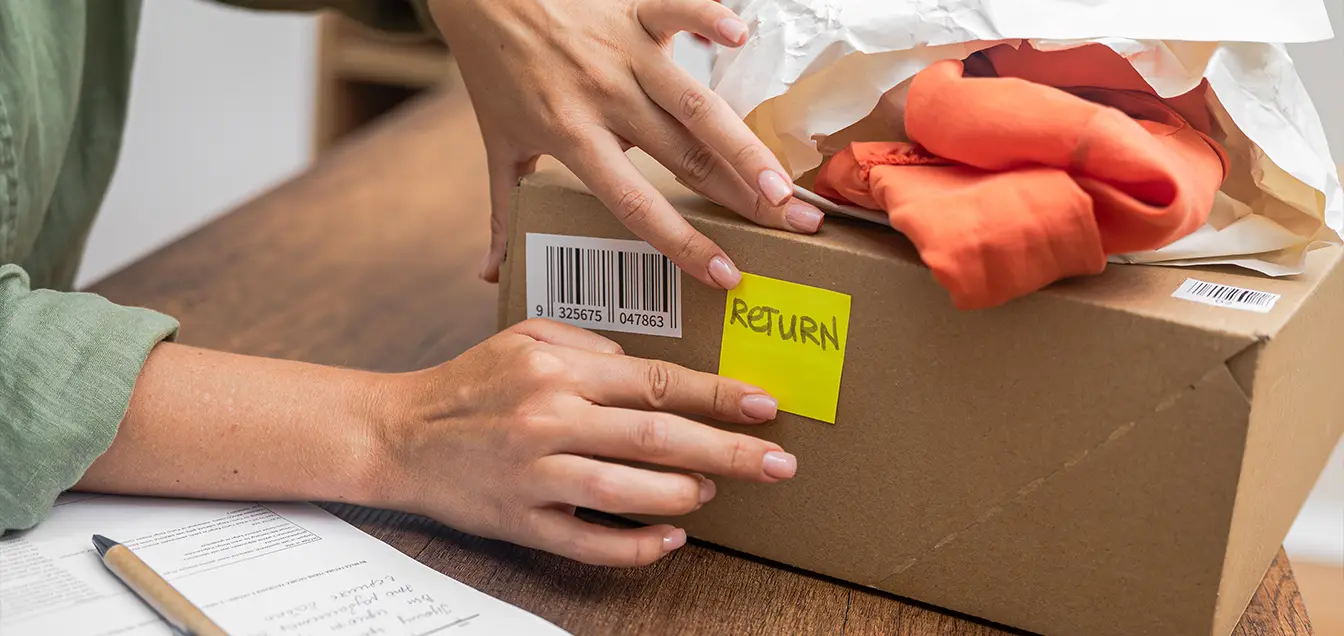
Apparel sees some of the highest return rates in ecommerce. Customers order three sizes, keep one, and send two back.
A smart partner streamlines reverse logistics — inspecting, restocking, and reshipping quickly. In short, efficient returns handling turns a margin-killer into a manageable cost.
Homeware and Consumer Electronics: Fragile and Valuable
Some products are bulky. Others are delicate. Many are both, and both need thoughtful handling.
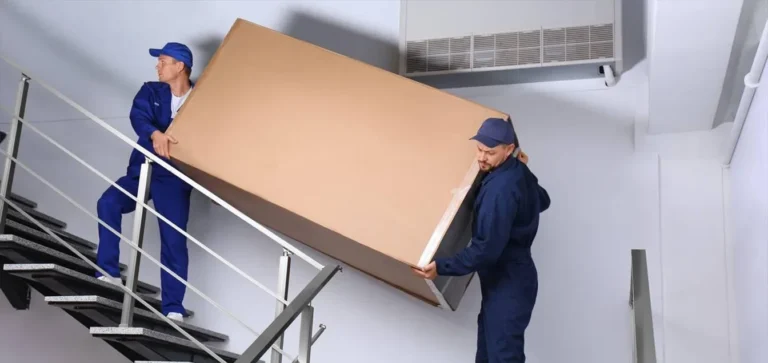
Homeware ecommerce order fulfillment deals with awkward shapes and fragile items — think glassware, décor, and kitchen goods. Proper packing and damage prevention are everything here.
Electronics raise the stakes further. Consumer electronics ecommerce order fulfillment requires secure storage, anti-static protection, and often serial-number tracking. These are high-value items, so accuracy and security matter enormously.
Here’s a quick comparison of what each category prioritizes:
| Category | Top Priority | Common Risk |
| Cosmetics | Temperature control | Leaks, melting |
| Health | Expiry tracking | Expired stock |
| Apparel | Returns handling | High return rates |
| Homeware | Damage prevention | Breakage |
| Electronics | Security & accuracy | Theft, damage |
| Fitness | Heavy-item logistics | Shipping costs |
Moreover, a capable ecommerce order fulfillment warehouse handles all of these under one roof, so multi-category sellers stay organized.
Fitness Products: Big, Heavy, and Growing
The fitness category exploded and never fully cooled off. Home gyms, weights, and equipment remain strong sellers across Canada.
However, these products bring real logistical muscle. Ecommerce order fulfillment for fitness products means handling heavy, oversized items where shipping costs can spiral.
For example, a set of dumbbells costs far more to ship than a t-shirt. A skilled partner optimizes carrier selection and packaging to keep those costs sane. In short, smart routing protects your margins on bulky goods.
The Technology Holding It All Together
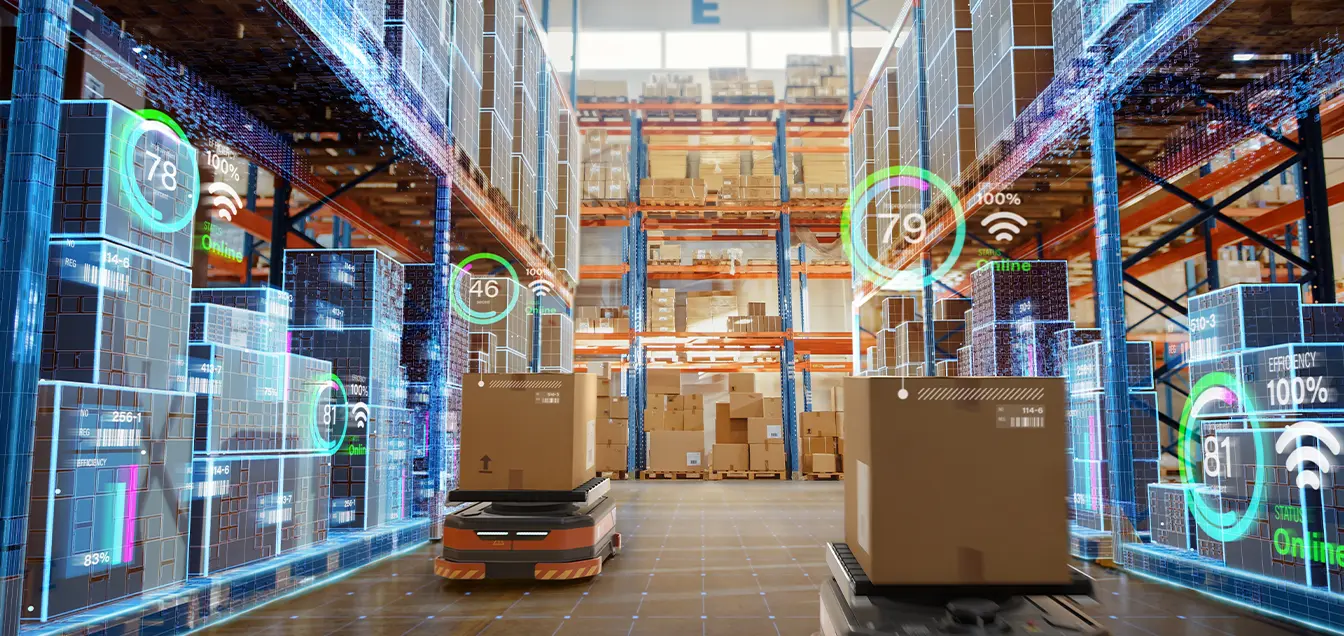
None of this works without strong systems. Modern order fulfillment technology predicts demand, tracks inventory in real time, and routes each shipment intelligently.
This matters across every category. A unified dashboard lets you see cosmetics, apparel, and electronics inventory in one clean view. No spreadsheets, no guesswork.
Real-time tracking also builds customer trust. When buyers see exactly where their order sits, anxiety drops and loyalty grows. However, weak technology creates silence, confusion, and endless support tickets.
The best providers treat software as a core product, powering smooth retail delivery from click to doorstep.
Build In-House or Choose 3rd Party Fulfillment?
Every growing brand faces this fork. Do you run your own operation or partner up?
Building in-house gives control but demands capital, staff, and category expertise you may not have. Managing cosmetics compliance and electronics security at once is genuinely hard.
Choosing 3rd party fulfillment flips the equation. You tap into 3PL logistics networks — warehouses, carriers, and multi-category expertise already built and tested.
When a Partner Wins
Consider outsourcing when these apply:
- You sell multiple categories with different handling needs.
- You’re scaling faster than you can hire.
- You handle regulated goods requiring compliance expertise.
- You want national reach without building infrastructure.
Many sellers also lean on Amazon’s Canada fulfillment services for marketplace reach, then pair them with an independent partner for direct-to-consumer control. This hybrid keeps you flexible.
A Real Canadian Case Study
Theory is helpful, but results convince. Consider a multi-category brand struggling with slow deliveries from a single warehouse.
By staging inventory in a second location closer to demand, the brand cut shipping times from 5–6 days to 2–3. Repeat purchases climbed, and shipping costs dropped by roughly 20%.
The lesson applies across every product type. Whether you ship serums or dumbbells, smart inventory placement shortens delivery windows and lifts customer satisfaction. Moreover, faster delivery directly reduces cart abandonment.
Why DelGate Leads Fulfillment in Canada
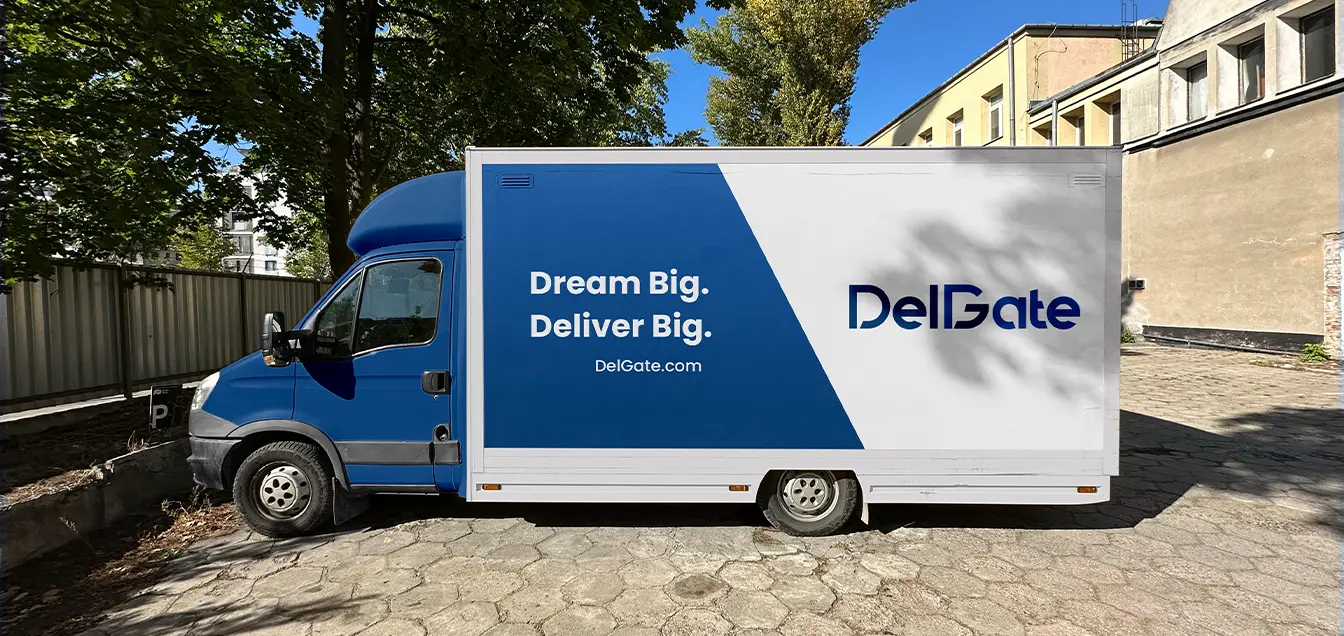
Among the many providers offering ecommerce fulfillment Canada solutions, DelGate stands out as one of the best fulfillment centers in the country.
DelGate handles diverse product categories with the care each demands — temperature control for cosmetics, security for electronics, and compliance for licensed goods. That versatility is rare and valuable.
More importantly, DelGate treats fulfillment as a growth partnership, not a transaction. For brands seeking a dependable ecommerce order product fulfillment service across multiple categories, that mindset makes a real difference.
How to Choose Your Fulfillment Partner
Before signing anything, run through this checklist:
- Category fit: Do they handle your specific product types?
- Compliance: Can they manage licensed or regulated goods?
- Technology: Is tracking real-time and integration smooth?
- Returns: How do they handle reverse logistics?
- Transparency: Are fees clear and honest?
If a provider treats all products identically, keep looking. Your cosmetics and your electronics deserve different care.
For broader market context, Statistics Canada remains the most credible source for tracking Canadian ecommerce and retail trends.
Conclusion: Match Your Product to the Right Partner
Let’s bring it home. No two product categories ship the same way, and pretending otherwise costs you sales.
A specialized ecommerce order product fulfillment service adapts to your product — protecting cosmetics from heat, electronics from damage, and supplements from expiry. That precision keeps customers happy and margins healthy.
So here’s the takeaway. Stop forcing your products into generic boxes. Choose a partner that understands your category, and watch fulfillment become your quiet competitive edge.