


What’s the fastest way to lose a customer you worked hard to win? Simple — mess up their order or make them wait too long. In the hyper-competitive world of Canadian e-commerce, customer order fulfillment has become the make-or-break factor between a one-time buyer and a lifelong fan.
Understanding what is customer order fulfillment isn’t just academic knowledge — it directly impacts your revenue, your reviews, and your reputation. In this guide, you’ll discover five practical, proven ways to tighten your fulfillment process, reduce delays, and deliver orders so smoothly that customers come back again and again. Whether you’re just getting started or scaling fast, these strategies apply to businesses of every size.
Table of Contents
What Is Customer Order Fulfillment — and Why It Matters
At its core, the customer order fulfillment process covers every step between a customer placing an order and receiving it. That includes order capture, inventory checks, picking, packing, shipping, and post-delivery follow-up. It sounds linear — but in practice, it’s a chain of interconnected decisions where one weak link can derail the entire experience.
This is more important than ever for Canadian businesses. According to Canada Post’s 2024 E-commerce Report, 78% of Canadian online shoppers say delivery speed directly influences whether they’ll buy from a retailer again. Moreover, 64% have left a negative review specifically because of a fulfillment failure — not the product itself.
In short, your product might be perfect, but if your fulfillment isn’t, customers will blame you anyway. That’s why investing in a reliable customer order taking and fulfillment system is no longer optional — it’s essential.
Way 1: Streamline Your Customer Order Taking and Fulfillment System
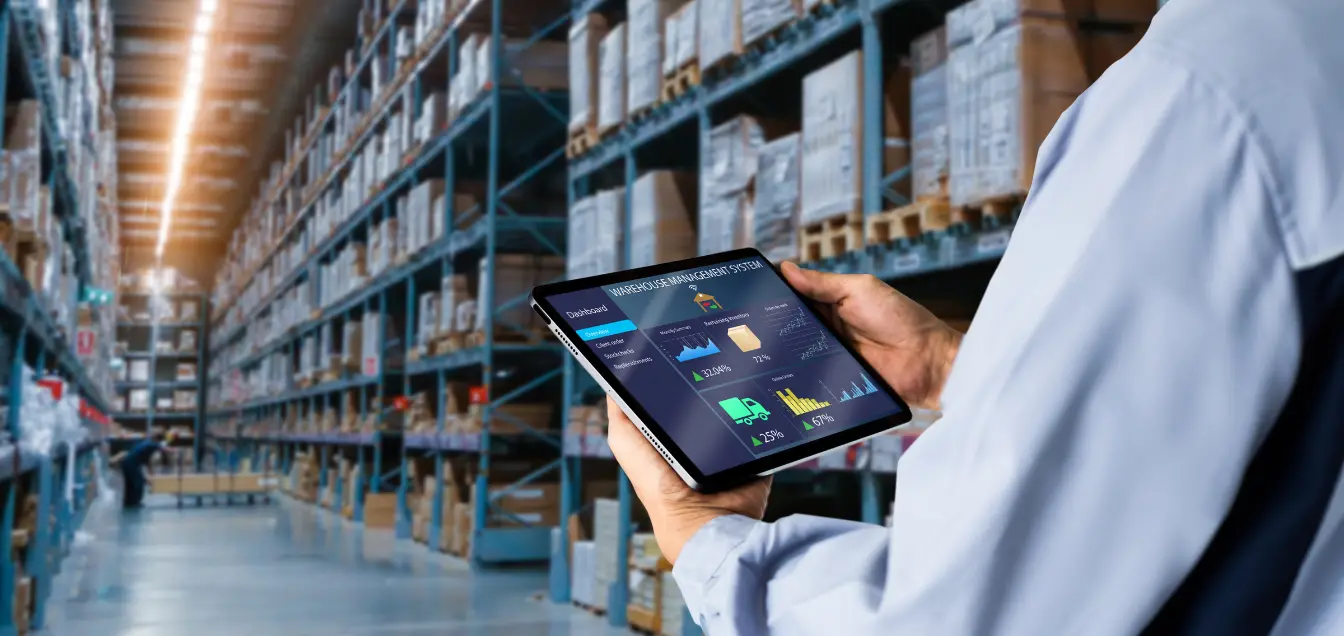
The fulfillment journey starts the moment a customer places an order. If your customer order taking and fulfillment process involves manual steps — spreadsheets, copy-paste data entry, or delayed confirmations — you’re already behind.
Automate Order Capture from Every Channel
Modern Canadian retailers sell across multiple platforms: their own website, Amazon, social commerce, and marketplaces like Etsy or eBay. Orders are generated in different formats by each channel. Without a centralized system, orders fall through the cracks.
The fix is a multi-channel Order Management System (OMS) that pulls every order into one dashboard automatically. This eliminates manual entry, reduces errors, and gives your team a clear queue to work from the moment an order comes in.
Key benefits of automated order capture:
- Orders processed within seconds of purchase
- Zero manual data transfer between systems
- Real-time inventory deductions across all channels
- Automatic confirmation emails to customers
For example, a Vancouver-based apparel brand that switched to an integrated OMS in early 2024 reduced their order processing time from 4 hours to under 20 minutes — without adding a single staff member.
Way 2: Optimize Your Customer Order Fulfillment Process
Streamlining the physical side of fulfillment — what happens inside the warehouse — is where the biggest time savings live. A well-designed customer order fulfillment process can cut your pick-to-ship time in half.
Rethink Your Warehouse Layout
Product placement inside your warehouse has a direct impact on speed. Fast-moving SKUs should be stored closest to packing stations. Seasonal items should be relocated based on demand cycles. To minimize picker travel time, products that are often ordered together should be placed in close proximity.
This concept — called slotting optimization — can reduce average pick times by 20–35%, according to a 2024 Warehouse Management benchmark study by the Supply Chain Management Association of Canada (SCMAC).
Use Batch and Zone Picking
Instead of picking one order at a time, batch picking allows staff to collect items for multiple orders in a single warehouse pass. Zone picking assigns different pickers to different warehouse sections, cutting unnecessary movement.
Together, these two strategies form the backbone of high-efficiency pick and pack order fulfillment services Canada operations — and they can be implemented without expensive automation.
| Picking Strategy | Best For | Time Savings |
| Single Order Picking | Low volume, varied SKUs | Baseline |
| Batch Picking | Medium-high volume | Up to 30% faster |
| Zone Picking | Large warehouses | Up to 40% faster |
| Zone-Batch Combo | High SKU, high volume | Up to 55% faster |
Way 3: Strengthen Customer Service Order Fulfillment
Fulfillment isn’t just a logistics problem — it’s a customer experience problem. Customer service order fulfillment is about making every touchpoint in the order journey feel smooth, transparent, and trustworthy.
Proactive Communication Beats Reactive Support
Customers who receive timely updates don’t flood your inbox with “where’s my order?” messages. Set up automated notifications at every key stage: order confirmed, order packed, order shipped, out for delivery, delivered.
This single change can reduce inbound customer service inquiries by up to 42%, according to a Shopify Canada merchant study from 2023. That’s fewer tickets, less staff time, and — most importantly — a customer who feels informed and respected.
Build a Clear Returns Process
Returns are part of fulfillment, too. A confusing or punishing returns process destroys customer trust. In Canada, 56% of shoppers say they check a retailer’s return policy before making a purchase. If your policy is vague or your process is slow, you’re losing sales before they even happen.
Offer pre-printed return labels, clear timelines, and fast refunds. Make the returns process feel like an extension of your brand — not an afterthought.
Way 4: Leverage Fulfillment Technology Solutions and 3PL Partnerships
You don’t have to do all of this alone. In fact, many of Canada’s fastest-growing e-commerce brands have scaled by outsourcing and upgrading their tech stack instead of building everything in-house.
Invest in the Right Fulfillment Technology Solutions
Fulfillment technology solutions — including Warehouse Management Systems (WMS), inventory forecasting tools, and carrier rate-shopping software — have become dramatically more accessible and affordable for small and mid-sized businesses.
A modern WMS gives you real-time visibility into every order, every SKU, and every shipping label. Carrier rate-shopping software automatically selects the fastest, most cost-effective carrier for each shipment based on destination, weight, and delivery window.
These tools don’t just save time — they reduce the cost per shipment. Canadian businesses using automated carrier selection report average savings of CAD $1.80–$3.20 per package, which adds up fast at scale.
Partner with a 3PL for Rapid Scale
3PL logistics in Canada is one of the fastest-growing segments of the country’s supply chain sector, valued at over CAD $28 billion in 2024. A 3PL fulfillment services partner stores your inventory, handles picking and packing, and ships orders on your behalf — letting you focus on marketing, product, and growth.
The advantages go beyond convenience. A well-located fulfillment center reduces shipping distances, which lowers costs and speeds up delivery times. For instance, a fulfillment center Vancouver serves the entire BC market within one to two days via ground shipping — no air freight required.
What to look for in a Canadian 3PL partner:
- Real-time inventory visibility through a client portal
- Same-day or next-day order processing cutoffs
- Experience with your product category (fragile, refrigerated, large-format, etc.)
- Transparent pricing with no surprise surcharges
- Strong track record with Canadian carriers (Canada Post, Purolator, UPS Canada)
DelGate: Canada’s Best Fulfillment Center
When Canadian businesses talk about reliable, scalable, and tech-forward fulfillment, DelGate consistently leads the conversation. As Canada’s premier fulfillment center, DelGate combines cutting-edge warehouse management technology with a customer-first approach that sets it apart from generic logistics providers.
DelGate offers full-service order fulfillment that covers everything from receiving and storage to pick-and-pack, shipping, and returns management. Their network spans key Canadian markets, enabling fast delivery from coast to coast.
What makes DelGate stand out:
- 99.9% order accuracy rate — one of the highest in the Canadian market
- Same-day fulfillment for orders received before 2 PM
- Seamless integration with Shopify, WooCommerce, Amazon, and 20+ platforms
- Dedicated account managers who treat your business like their own
- Flexible pricing that scales with your order volume — no long-term lock-ins
Whether you’re shipping 200 orders a month or 20,000, DelGate’s inventory fulfillment solutions adapt to your needs without requiring you to invest in your own warehouse infrastructure. For growing Canadian brands, this is a genuine competitive advantage.
Way 5: Use Data to Continuously Improve Your Fulfillment Performance
The best fulfillment operations don’t just run well — they get better every week. Using data to identify bottlenecks, predict demand, and measure performance is what separates good fulfillment from great fulfillment.
Track the Metrics That Matter
Not all fulfillment KPIs are created equal. Focus on the ones that directly affect the customer experience and your bottom line:
- Order Accuracy Rate: Percentage of orders shipped correctly (target: 99%+)
- Order Cycle Time: Time from order placement to carrier pickup
- On-Time Shipment Rate: Percentage of orders shipped by the promised date
- Return Rate: A proxy for product and fulfillment quality
- Cost Per Order: Total fulfillment cost divided by total orders shipped
Track these weekly, not monthly. Fulfillment problems compound quickly — a small accuracy drop can become a PR crisis within days during peak periods.
Leverage Demand Forecasting
Canadian fulfillment operations that use demand forecasting tools experience far fewer stockouts and overstock situations. By analyzing historical order data, seasonality, and market trends, these tools help you pre-position inventory before demand spikes — not after.
For example, a Toronto-based beauty brand used AI-powered forecasting ahead of the 2023 holiday season to pre-stock their top 50 SKUs at their 3PL’s Ontario warehouse. The result? Zero stockouts during Black Friday, a 99.1% on-time shipment rate, and their highest-ever Net Promoter Score (NPS) in December.
This kind of result is what happens when you treat fulfillment as a strategic function, not just an operational cost.
The Rise of Direct and Retail Fulfillment in Canada
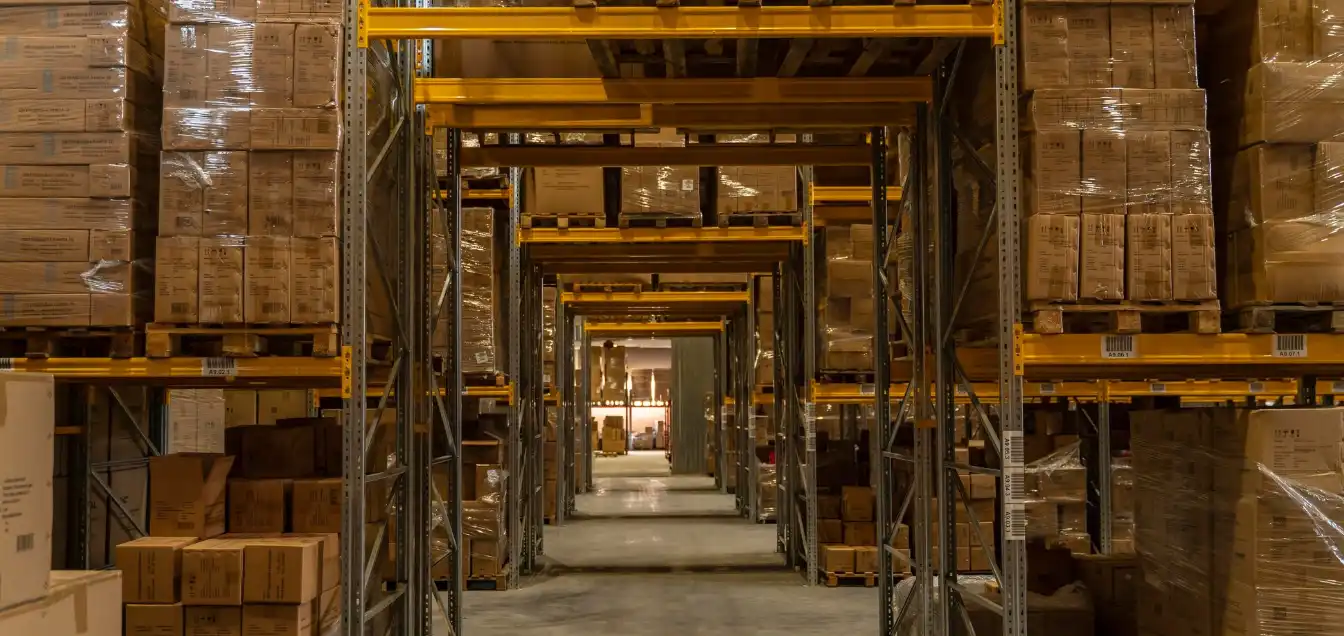
Two fulfillment models worth understanding as you scale are retail fulfillment and order direct fulfillment service.
Retail fulfillment refers to fulfilling orders destined for retail shelves — whether big-box stores like Canadian Tire or Walmart Canada, or regional boutiques. This model requires EDI compliance, specific labeling standards, and strict routing guides. Getting it right opens up enormous distribution opportunities.
Order direct fulfillment service (also called direct-to-consumer or DTC fulfillment) means shipping directly from your warehouse or 3PL to the end customer, bypassing retail middlemen entirely. DTC gives you higher margins, better customer data, and direct brand relationships.
Many Canadian brands are now running both models simultaneously — using retail fulfillment to build brand awareness and DTC fulfillment to maximize margins. It’s a powerful combination when managed well.
For deeper industry data on e-commerce logistics trends in Canada and globally, visit Statista’s Supply Chain & Logistics Statistics Hub.
Canadian Fulfillment by the Numbers (2024–2025)
| Metric | Data |
| Canadian e-commerce revenue (2024) | CAD $79.5 billion |
| % of shoppers expecting 1–2 day delivery | 61% |
| Average cost of a fulfillment error in Canada | CAD $17.80 per incident |
| 3PL adoption rate among Canadian SMBs | 41% |
| % of returns attributed to fulfillment errors | 23% |
| Average reduction in cost using 3PL vs. in-house | 18–26% |
Sources: Canada Post E-commerce Report 2024; Retail Council of Canada; SCMAC Fulfillment Benchmark 2024
Conclusion
Speeding up customer order fulfillment isn’t about doing one big thing differently — it’s about doing many things smarter, consistently. From automating your order capture to partnering with a world-class fulfillment center like DelGate, every improvement you make compounds into faster deliveries, fewer errors, and happier customers.
The five strategies in this guide — streamlining order taking, optimizing your fulfillment process, elevating customer service, leveraging technology and 3PL partnerships, and using data to improve — give you a complete playbook to work from.
Start with the area that’s causing you the most pain right now. Fix it, measure the impact, and move to the next. The Canadian e-commerce market is growing fast, and the brands that invest in fulfillment today will be the ones leading tomorrow. Don’t let logistics be the bottleneck between you and the growth you’ve earned.