


Ever wondered why some t-shirt brands scale effortlessly while others struggle with delayed shipments and unhappy customers? The answer often lies in efficient t shirt order fulfillment services.
In today’s fast-paced eCommerce landscape, customers expect lightning-fast delivery and flawless order accuracy. Moreover, with global competition rising, even small inefficiencies can cost you loyal buyers.
This article breaks down the most impactful strategies to optimize your fulfillment process. From automation to outsourcing, you’ll discover actionable insights, real-world examples, and data-backed trends that can elevate your apparel business.
Table of Contents
Understanding T Shirt Order Fulfillment Services
Before diving into strategies, it’s important to understand what t shirt fulfillment solutions actually involve.
At its core, fulfillment includes:
- Inventory storage
- Order processing
- Picking and packing
- Shipping and delivery
- Returns management
However, modern fulfillment goes beyond logistics. It integrates technology, customer experience, and scalability.
Why It Matters More Than Ever
According to Statista, global eCommerce sales are expected to surpass $7 trillion by 2026. This growth puts immense pressure on brands to deliver faster and more efficiently.
Moreover, 84% of customers say they won’t return after a poor delivery experience. That’s a major risk you simply can’t ignore.
1. Choose the Right Fulfillment Partner

Selecting the right partner can make or break your operations.
For example, DelGate stands out as a leading pick and pack provider in Canada. Their streamlined workflows and scalable infrastructure help brands handle seasonal spikes without stress.
What to Look For
- Fast shipping capabilities
- Transparent pricing
- Integration with eCommerce platforms
- Proven track record
In short, a reliable partner ensures consistency and customer satisfaction.
2. Leverage Smart Automation
Automation is no longer optional—it’s essential.
Modern businesses rely on fulfillment technology solutions to reduce human error and speed up operations.
Key Automation Tools
- Barcode scanning systems
- AI-driven inventory forecasting
- Automated picking systems
For example, companies using automation report up to 30% faster order processing times.
3. Optimize Inventory Management
Inventory mismanagement leads to overselling or stockouts—both harmful.
Best Practices
- Use real-time tracking systems
- Maintain safety stock levels
- Analyze demand trends
Moreover, predictive analytics helps you stock the right products at the right time.
4. Focus on Speed Without Compromising Accuracy
Speed matters—but accuracy matters more.
A delayed order can frustrate customers. However, a wrong order can completely lose them.
Balance Both with:
- Double-check systems
- Smart packing workflows
- Employee training programs
A well-designed fulfillment center can improve both speed and precision simultaneously.
5. Offer Flexible Shipping Options

Customers expect choices.
For example:
- Same-day delivery
- Standard shipping
- International shipping
Moreover, offering flexibility increases conversion rates significantly.
According to Forbes, businesses that provide multiple shipping options see 20% higher customer satisfaction.
6. Use Data to Improve Performance
Data is your competitive advantage.
Metrics to Track
| Metric | Why It Matters |
| Order Accuracy Rate | Reduces returns |
| Shipping Time | Improves satisfaction |
| Inventory Turnover | Optimizes stock |
| Return Rate | Identifies issues |
For instance, a case study showed that analyzing fulfillment data reduced operational costs by 18% within six months.
7. Scale with Global Fulfillment Networks
As your brand grows, local fulfillment may not be enough.
Expansion Strategy
- Partner with international providers
- Use regional warehouses
- Explore markets like 3PL Canada for North American reach
Moreover, global fulfillment reduces shipping costs and delivery times.
8. Customize Packaging for Brand Experience
Packaging isn’t just protection—it’s marketing.
Ideas to Stand Out
- Eco-friendly materials
- Branded packaging
- Personalized notes
For example, brands that invest in packaging see up to 40% higher repeat purchases.
9. Diversify Fulfillment Capabilities
Modern businesses often expand beyond t-shirts.
Consider Multi-Product Fulfillment
- Apparel
- Accessories
- Even niche categories like order fulfillment for jewelry
Moreover, integrating multiple product lines requires flexible systems, similar to those used in clothing fulfillment centers.
Comparing Fulfillment Models
Understanding the types of order fulfillment helps you choose the right approach.
Common Models
- In-house fulfillment
- Full control but high cost
- Third-party logistics (3PL)
- Scalable and cost-effective
- Dropshipping
- Low upfront investment but less control
Each model suits different business stages.
Real-World Example: Scaling a T-Shirt Brand
A mid-sized apparel brand struggled with delayed deliveries and high return rates.
Challenges
- Manual processes
- Poor inventory tracking
- Limited shipping options
Solution
They adopted a product fulfillment solution with automation and partnered with DelGate.
Results
- 35% faster shipping
- 22% reduction in returns
- 40% increase in customer satisfaction
This demonstrates the power of optimized fulfillment.
The Role of Retail Fulfillment in Omnichannel Growth
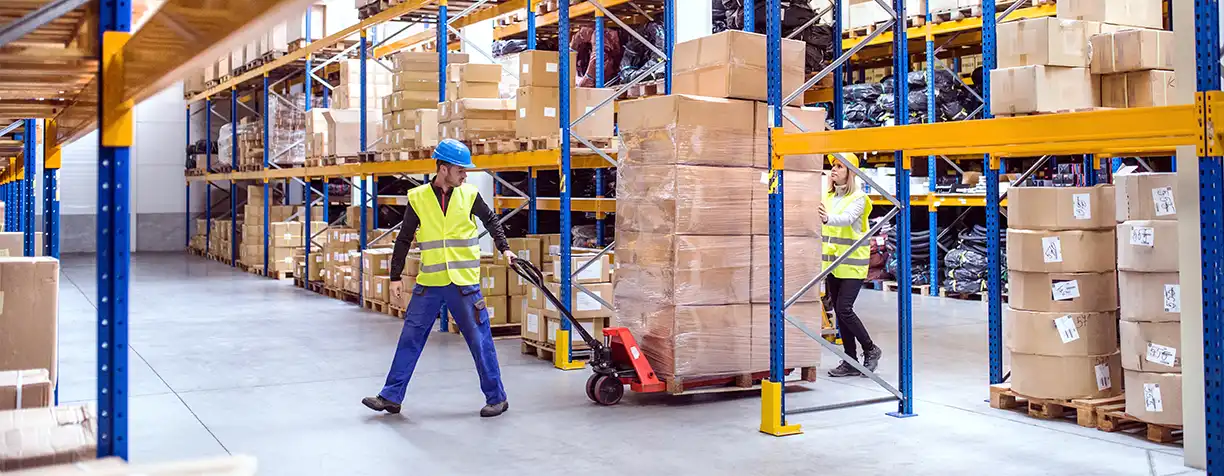
Today’s consumers shop everywhere—online, in-store, and via mobile.
Retail fulfillment bridges these channels seamlessly.
Benefits
- Unified inventory
- Faster local deliveries
- Better customer experience
Moreover, omnichannel fulfillment boosts revenue by up to 30%, according to industry reports.
Future Trends in T Shirt Fulfillment Solutions
The future of t shirt fulfillment solutions is evolving rapidly.
Key Trends to Watch
- AI-driven logistics
- Sustainable shipping
- Same-day delivery expansion
- Robotics in warehouses
For deeper insights, you can explore industry data on https://www.statista.com/.
Conclusion
Efficient t shirt order fulfillment services are no longer just a backend function—they are a core driver of business success.
From choosing the right partner like DelGate to leveraging automation and data, every step plays a crucial role in delivering a seamless customer experience.
In short, businesses that invest in smarter fulfillment strategies will not only survive but thrive in the competitive eCommerce landscape.