


Ever wondered why some fashion brands deliver orders flawlessly while others struggle with delays and returns? The answer often lies in clothing order fulfillment — the backbone of any successful apparel business.
In today’s fast-moving ecommerce world, customers expect speed, accuracy, and transparency. A single delay or wrong shipment can impact brand trust. Moreover, with rising competition, efficient fulfillment is no longer optional—it’s essential.
In this guide, you’ll discover six powerful improvements that can transform your fulfillment process. From smarter inventory systems to leveraging advanced technologies, these insights will help you scale operations, reduce costs, and enhance customer experience.
Table of Contents
1. Optimize Inventory Management for Accuracy
Inventory errors are one of the biggest challenges in clothing order fulfillment. Miscounts lead to overselling or stockouts, both of which frustrate customers.
Smart Inventory Techniques
To improve accuracy, brands should adopt:
- Real-time inventory tracking
- Automated stock updates
- Barcode scanning systems
- Demand forecasting tools
For example, brands using automated systems report up to 30% fewer stock discrepancies, according to industry data.
Why It Matters
Accurate inventory ensures:
- Faster order processing
- Reduced returns
- Better customer satisfaction
In short, efficient inventory management lays the foundation for smooth order fulfillment for clothing brands.
2. Partner with Reliable Clothing Fulfillment Centers
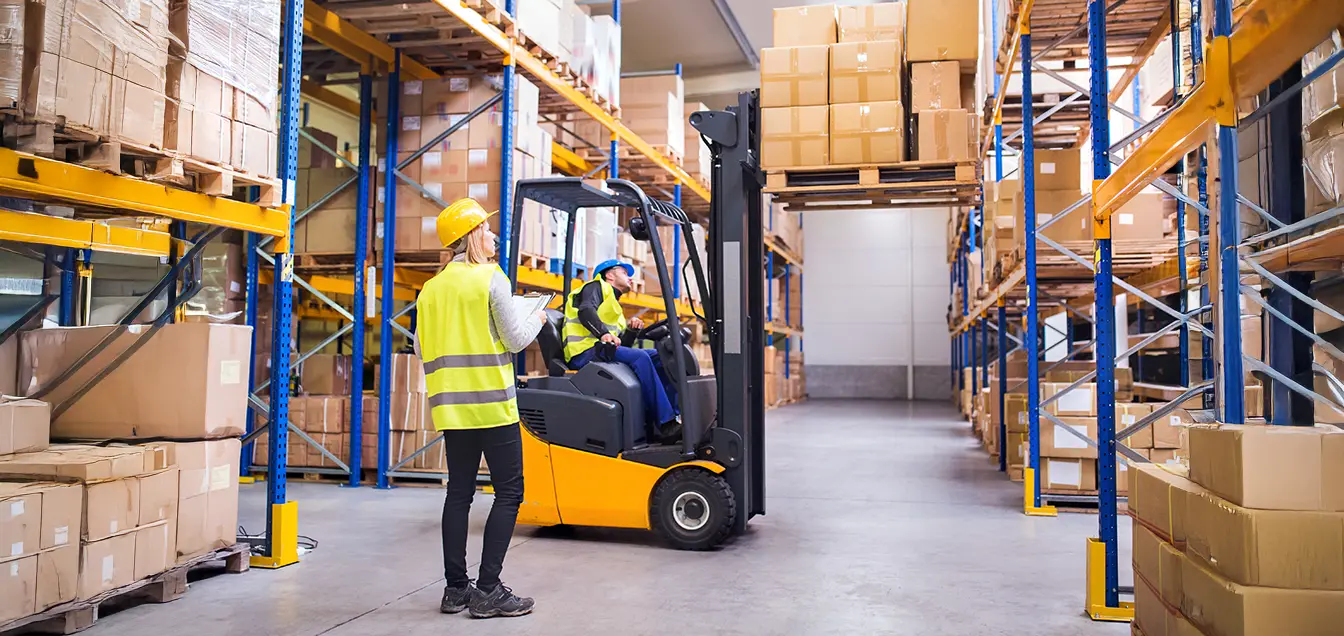
Choosing the right fulfillment partner can make or break your logistics operations.
What to Look For
The best clothing fulfillment centers offer:
- Fast processing times
- Scalable storage solutions
- Integrated shipping systems
- Returns management
In Canada, DelGate stands out as a top pick and pack provider, known for reliability and speed.
Case Study Example
A mid-sized fashion brand reduced delivery time by 40% after switching to a professional fulfillment partner. Moreover, order accuracy improved significantly, boosting repeat purchases.
3. Leverage Advanced Fulfillment Technology
Technology is transforming how apparel businesses operate.
Key Tools to Adopt
Modern fulfillment technology solutions include:
- AI-powered demand forecasting
- Warehouse automation systems
- Real-time order tracking dashboards
- Integration with ecommerce platforms
These tools streamline operations and reduce manual errors.
Data Insight
According to Statista, global ecommerce logistics spending is expected to exceed $800 billion by 2027, highlighting the importance of tech-driven fulfillment.
For deeper insights, you can explore industry trends here:
https://www.statista.com/topics/871/online-shopping/
4. Improve Picking, Packing, and Kitting Processes
Efficient warehouse operations are essential for speed and accuracy.
Best Practices
To optimize picking and packing:
- Use zone picking systems
- Implement quality checks
- Train staff regularly
- Standardize packaging methods
Additionally, kitting services allow brands to bundle products efficiently, saving time and enhancing customer experience.
Specialized Fulfillment Needs
Certain niches require tailored approaches, such as:
- t shirt order fulfillment services for bulk apparel
- order fulfillment for jewelry, which demands careful handling
An effective apparel fulfillment solution should adapt to these unique requirements.
5. Expand with Strategic Geographic Fulfillment

Location plays a major role in delivery speed and cost.
Why Regional Fulfillment Matters
Using multiple warehouses reduces shipping time and expenses. For example:
- A Canadian fulfillment center can serve national customers faster
- A fulfillment center Vancouver helps reach West Coast markets efficiently
- ecommerce fulfillment Toronto supports dense urban demand
Cross-Border Growth
Brands targeting international markets should consider 3PL Logistics providers to manage customs, duties, and global shipping complexities.
Moreover, localized fulfillment improves customer satisfaction and reduces cart abandonment rates.
6. Enhance Customer Experience with Retail & Online Fulfillment
Customer expectations are evolving rapidly.
Omnichannel Fulfillment
Combining Retail fulfillment with ecommerce strategies ensures seamless shopping experiences.
For example:
- Buy online, pick up in store (BOPIS)
- Easy return policies
- Real-time delivery updates
Platform Integration
Solutions like shopify fulfillment Canada enable brands to automate workflows and manage orders efficiently.
Additionally, online order fulfillment services allow small brands to scale without heavy infrastructure investments.
Understanding Different Order Fulfillment Types
The selection of an appropriate strategy varies based on your specific business model.
Common Models
Here are the main order fulfillment types:
- In-house fulfillment – Full control but resource-intensive
- Third-party fulfillment (3PL) – Scalable and efficient
- Dropshipping – Low upfront cost but limited control
- Hybrid models – Combination of multiple strategies
Each option has pros and cons, so selecting the right fit is crucial for long-term growth.
Performance Metrics That Matter

To truly improve clothing order fulfillment, tracking performance is essential.
Key KPIs
- Order accuracy rate
- Average delivery time
- Return rate
- Fulfillment cost per order
Sample Data Table
| Metric | Industry Benchmark |
| Order Accuracy | 98%+ |
| Delivery Time | 2–5 days |
| Return Rate (Apparel) | 20–30% |
| Processing Time | <24 hours |
Monitoring these metrics helps identify inefficiencies and optimize operations.
Future Trends in Clothing Fulfillment
The fulfillment landscape is evolving rapidly.
What’s Next?
- Automation and robotics in warehouses
- AI-driven personalization
- Sustainable packaging solutions
- Same-day delivery expansion
Moreover, eco-conscious consumers are pushing brands toward greener logistics practices.
Conclusion
Clothing order fulfillment is no longer just about shipping products—it’s about delivering experiences.
By optimizing inventory, partnering with reliable providers like DelGate, leveraging technology, and focusing on customer satisfaction, brands can unlock significant growth.
In short, the future belongs to businesses that prioritize speed, accuracy, and scalability. Start implementing these improvements today, and you’ll build a fulfillment system that supports long-term success.