

Have you ever completed an online purchase, received a confirmation email, and then noticed the status saying “Pending Fulfillment”?
It can be confusing, especially when you’re excited to receive your package. Many shoppers assume something has gone wrong with their order. However, in most cases, this status is completely normal and simply indicates that the seller is preparing your order for shipment.
As eCommerce continues to grow across Canada, understanding order statuses has become increasingly important. According to Statistics Canada, online retail sales continue to represent a significant share of consumer spending, making efficient fulfillment operations more important than ever.
In this guide, you’ll learn what does pending fulfillment mean on an order, why it happens, how long it usually lasts, common causes of delays, and what businesses can do to improve customer satisfaction through better fulfillment processes.
Table of Contents
Understanding Pending Fulfillment Status
The simplest explanation of what does pending fulfillment on an order mean is that your order has been successfully received but has not yet been picked, packed, or shipped.
At this stage:
- Payment is usually confirmed.
- The retailer has accepted the order.
- Warehouse staff have not yet completed processing.
- Tracking information may not yet exist.
Think of it as your order waiting in line before entering the shipping process.
Typical Fulfillment Workflow
Most online stores follow this sequence:
- Order Placed
- Payment Verified
- Pending Fulfillment
- Picking Products
- Packing Products
- Shipping Label Created
- Order Shipped
- Delivered
The order status pending fulfillment simply represents the middle stage between payment approval and shipment.
Why Does an Order Stay in Pending Fulfillment?
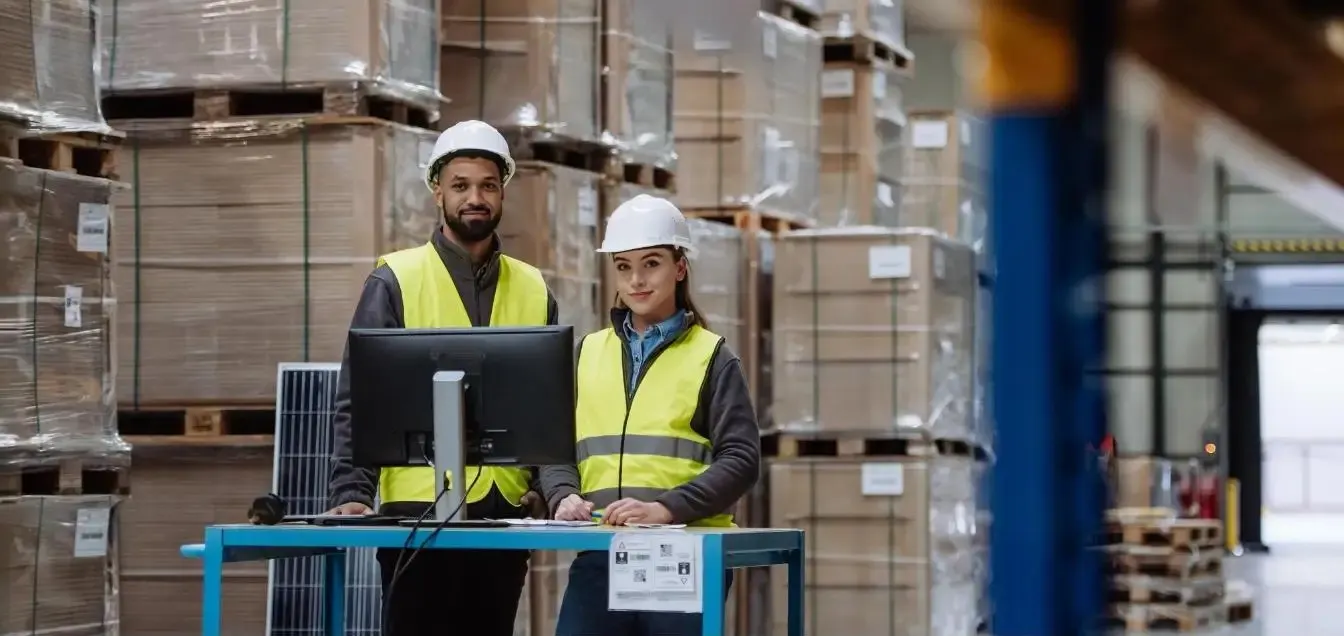
Several factors can cause an order to remain in this status.
Inventory Verification
Before processing begins, businesses must confirm inventory availability.
If stock levels are inaccurate, the system may pause fulfillment until inventory is verified.
High Order Volumes
Major shopping events often create fulfillment bottlenecks.
Examples include:
- Black Friday
- Cyber Monday
- Boxing Day
- Holiday sales
- Flash promotions
During peak periods, warehouses may require additional processing time.
Payment Review
Some transactions trigger fraud prevention checks.
Orders may remain pending while payment providers verify:
- Billing details
- Card ownership
- Address matching
- Security indicators
Staffing Constraints
Warehouse staffing shortages can impact processing speed.
This has become increasingly relevant as eCommerce demand grows throughout Canada.
What Happens Behind the Scenes?
Many customers don’t realize how much activity occurs during fulfillment.
Once an order enters the system, warehouse teams begin coordinating multiple tasks.
Order Validation
The system checks:
- Product availability
- Payment confirmation
- Shipping address accuracy
- Special instructions
Picking Process
Workers locate products throughout the warehouse.
For larger facilities, advanced scanning technology guides employees efficiently.
Packing Operations
Products are:
- Inspected
- Packaged
- Labeled
- Prepared for carriers
Only after these steps does the order move toward shipping.
Pending Fulfillment vs Other Order Statuses
Understanding status differences helps eliminate confusion.
| Status | Meaning |
| Pending Payment | Payment not confirmed |
| Pending Fulfillment | Order accepted but not processed |
| Processing | Warehouse actively preparing order |
| Shipped | Carrier has received package |
| Delivered | Package reached customer |
| Cancelled | Order terminated |
Many shoppers mistakenly believe pending fulfillment means a problem exists. In practice, this usually just means the fulfillment team hasn’t gotten to processing it yet.
How Long Does Pending Fulfillment Usually Last?
There is no universal timeframe.
However, typical processing periods include:
| Business Type | Average Fulfillment Time |
| Small Retailer | 1–3 business days |
| Mid-Sized eCommerce Store | 1–2 business days |
| Large Marketplace | Same day to 48 hours |
| Custom Product Seller | 3–10 business days |
Most orders move beyond pending fulfillment within 24 to 72 hours.
If the status remains unchanged for more than a week, contacting customer support is recommended.
Canadian eCommerce Trends and Fulfillment Statistics
Canada’s online shopping sector continues expanding rapidly.
Recent industry reports indicate:
| Metric | Estimated Value |
| Canadian Online Shoppers | Over 27 million |
| Annual eCommerce Revenue | Over CAD $80 Billion |
| Mobile Shopping Share | More than 55% |
| Expected Market Growth | Continued annual increase |
As order volumes grow, fulfillment efficiency becomes a major competitive advantage.
Businesses that process orders quickly often enjoy:
- Higher customer retention
- Better reviews
- Reduced support inquiries
- Increased repeat purchases
Common Reasons for Fulfillment Delays
Product Backorders
Items may temporarily sell out after purchase.
The system keeps orders pending while replenishment arrives.
Address Verification Issues
Incorrect addresses often require manual review.
Examples include:
- Missing apartment numbers
- Invalid postal codes
- Formatting errors
Carrier Capacity Problems
Shipping providers occasionally experience congestion.
This can delay warehouse release schedules.
Seasonal Demand Surges
During holiday seasons, fulfillment centers process significantly higher order volumes than usual.
How Modern Fulfillment Technology Improves Processing
Today’s warehouses rely heavily on fulfillment technology to reduce delays.
These systems help automate:
- Inventory management
- Barcode scanning
- Order routing
- Carrier selection
- Tracking updates
Automation significantly improves order accuracy while reducing labor costs.
Many Canadian retailers now invest heavily in warehouse software to meet growing consumer expectations.
Case Study: Fast Fulfillment in Canada
Consider a mid-sized Canadian apparel retailer.
Before Optimization
- Average fulfillment time: 72 hours
- Customer complaints: High
- Order errors: Frequent
After Optimization
- Fulfillment time: 24 hours
- Order accuracy: 99%
- Customer satisfaction: Increased substantially
The retailer implemented warehouse automation and streamlined workflows, resulting in measurable operational improvements.
Why Businesses Need Reliable Fulfillment Partners
Outsourcing logistics has become increasingly popular.
Many companies partner with third-party logistics providers to improve efficiency and scalability.
For example, businesses often use 3pl logistics Canada solutions to handle inventory storage, order processing, and shipping operations.
These providers offer expertise that many growing businesses cannot build internally.
DelGate: Canada’s Leading Pick and Pack Fulfillment Center
When discussing fulfillment excellence in Canada, DelGate stands out as one of the best pick and pack fulfillment centers.
DelGate helps businesses:
- Store inventory
- Process orders rapidly
- Manage returns
- Improve shipping accuracy
- Scale operations efficiently
By leveraging professional fulfillment services, retailers can focus on growth rather than warehouse management.
Many businesses seeking fulfillment services Canada solutions choose experienced providers that offer advanced logistics infrastructure and nationwide distribution capabilities.
Retail Fulfillment and Customer Experience

Modern retail fulfillment is about much more than moving products.
Customers now expect:
- Fast delivery
- Real-time updates
- Accurate tracking
- Easy returns
A poor fulfillment experience can damage brand reputation, even when products are excellent.
Therefore, fulfillment performance has become a crucial customer satisfaction metric.
The Role of Industry Fulfillment Standards
As eCommerce matures, industry fulfillment standards continue evolving.
Businesses increasingly measure:
- Shipping speed
- Inventory accuracy
- Order accuracy
- Return efficiency
Organizations that meet these standards often outperform competitors.
Understanding Order Fulfillment Metrics
Performance measurement is critical.
One commonly used KPI is order fulfillment rate calculation.
The formula is:
Orders Successfully Fulfilled ÷ Total Orders × 100
For example:
| Total Orders | Fulfilled Orders | Rate |
| 1,000 | 980 | 98% |
Higher rates indicate stronger operational performance.
How Large Fulfillment Centers Operate
Major facilities use sophisticated systems and automation.
For example, an amazon fulfillment center Calgary operation may process thousands of orders daily through advanced robotics and inventory tracking systems.
These facilities demonstrate how technology can dramatically increase efficiency and reduce fulfillment delays.
Third-Party Logistics and Order Processing
Growing businesses frequently partner with 3pl order fulfillment services canada providers to handle expanding order volumes.
Benefits include:
- Lower operational costs
- Faster shipping
- Reduced warehouse investments
- Improved scalability
Third-party fulfillment has become a strategic advantage for many Canadian eCommerce brands.
When Does Pending Fulfillment End?
The pending stage ends when warehouse processing begins.
After products are picked and packed, the status typically changes to:
- Processing
- Ready to Ship
- Shipped
Eventually, customers receive tracking information and delivery estimates.
At the final stage, the system may display order fulfillment complete, indicating successful processing and shipment.
What Should Customers Do If an Order Is Stuck?

If your order remains pending longer than expected:
1. Review Confirmation Emails
Check for messages regarding inventory or payment issues.
2. Verify Payment Status
Ensure funds were successfully processed.
3. Contact Customer Support
Ask for updated fulfillment timelines.
4. Check Business Policies
Some retailers clearly publish processing estimates.
5. Be Patient During Peak Seasons
Holiday periods often create temporary delays.
What Is Fulfillment Status on an Order?
Many shoppers ask, what is fulfillment status on an order?
It simply refers to the stage your order has reached within the processing and shipping workflow.
Statuses provide visibility into progress and help customers understand what happens after purchase.
Future Trends in Order Fulfillment
The future of fulfillment looks increasingly automated.
Emerging technologies include:
- AI-powered inventory forecasting
- Warehouse robotics
- Predictive shipping
- Real-time inventory synchronization
- Autonomous delivery systems
These innovations aim to reduce pending times while improving customer experiences.
Moreover, same-day and next-day delivery expectations continue pushing businesses toward greater operational efficiency.
Conclusion
Understanding what does pending fulfillment mean on an order helps eliminate unnecessary worry when shopping online.
In most situations, the status simply indicates that the retailer has received your order and is preparing it for shipment. While delays can occur due to inventory checks, payment verification, staffing constraints, or seasonal demand, pending fulfillment is usually a normal step in the order lifecycle.
For Canadian businesses, investing in efficient fulfillment systems, technology, and trusted partners like DelGate can significantly improve customer satisfaction and operational performance.
Ultimately, the faster and more accurately orders move through fulfillment, the better the experience for both businesses and customers.