

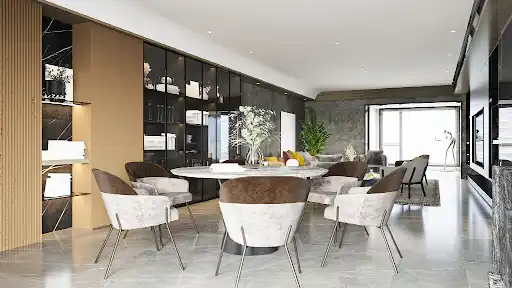
A renovation project is usually seen as a chance to upgrade one’s house aesthetically, make it more valuable, or bring it up to date. At the same time, renovation can be a crucial part of making your living space healthier. Such aspects as air quality improvement, moisture control, increased lighting, and use of healthier materials affect not only comfort but also well-being.
There is plenty of research evidence which suggests the importance of the built environment for our well-being. One study which examined renovations in green and healthy houses showed that health problems in residents decreased after the renovations were made.
Table of Contents
Start With Indoor Air Quality
Indoor air quality should be the very first thing to consider during renovation with a health-oriented approach. Various building materials such as paints, adhesives, floor coverings, furniture, cleaning supplies, and some composite wood products may contain VOCs and various other pollutants. Moreover, the renovation process itself is able to generate dust and other contaminants.
Three major approaches suggested by the U.S. Environmental Protection Agency include source control, ensuring proper ventilation, and applying air filtration or cleaning technologies whenever necessary. So homeowners have a great variety of paints and other materials which do not contain VOCs at all or contain low amounts of them. It was found out in the research that environmentally oriented renovation may influence indoor pollutants level too.
Dr. Reginald Liew, Senior Consultant Cardiologist, says, “The quality of the air we breathe indoors can have a meaningful impact on overall wellbeing. Good ventilation, reducing indoor pollutants, and maintaining healthy living environments are important components of supporting long-term cardiovascular and respiratory health.”
Improve Ventilation and Moisture Control
A visually pleasing renovation project may yet turn out to be problematic if ventilation is not considered during renovation work. Both kitchens and bathrooms emit large quantities of moisture, but insufficient ventilation may lead to pollutants and humidity build-up. The EPA advocates proper working exhaust fans in kitchens and bathrooms, with the exhaust being vented outdoors and not into attics or other enclosed areas.
Moisture control is just as crucial as ventilation. According to the WHO, liquid water, indoor moisture, condensation, and moisture-sensitive building materials constitute the key elements of healthier buildings.nThus, roof leaks, plumbing issues, poor drainage, condensation, and moisture-laden walls must be fixed before any interior renovations take place. The EPA suggests that indoor humidity should remain below 60%, ideally between 30-50%.
Choose Health-Conscious Materials
Material selection is now where interior design meets health concerns. Rather than considering only aesthetics or cost when choosing products, consumers could consider emissions, longevity, ease of cleaning, and environmental impact.
According to the American Society of Interior Designers (ASID), it is critical to analyze materials based on their health impacts and their environmental impacts. The material selection guidelines by ASID include looking at transparency in the materials being used and identifying any chemicals of concern.
Interior designers specializing in wellness designs use natural materials, low-emitting products, and carefully selected paints, upholstery, flooring, and cabinetry. In a Houzz project featuring designer Laura Britt, wellness design involved healthy materials and natural light and plants.
Bring More Natural Light Into the Home
The next point is natural light in the renovation process. More and properly designed windows, skylights, glass doors, and even more light colors in the interiors may create a feeling of spaciousness and reduce the use of artificial lighting.
More and more often interior designers link natural light, views, and contact with nature to wellness design. The ASID’s article about healthful buildings notes that better lighting and daylighting should be one of the top goals of interior designers and architects. Nevertheless, more windows do not necessarily mean better. Interior designers should take into account orientation, heat gain, privacy issues, glare, and the purpose of the room.
Create Connections With Nature
The biophilic design, which involves incorporating elements from nature and connections to nature, has become a widely used design concept in interior spaces that seek to promote wellness.
Interviews conducted by Houzz with interior designers reveal that wellness design goes beyond the issue of indoor air quality to incorporate aspects of materials, color, texture, furnishings, and nature connection. It does not take many changes to make an interior feel calm and more connected. Even such small things as placing plants next to windows or improving views outside can create a positive difference.
According to Mark Hanson, Founder of Suntino Solar Lights, “Outdoor living spaces are increasingly being designed as extensions of the home. Well-planned solar lighting can improve safety, accessibility, and usability of gardens, pathways, and patios while reducing energy consumption and supporting more sustainable outdoor environments.”
Design for Comfort and Long-Term Living
Moreover, a healthy house needs to be comfortable, functional and flexible. Renovation will enable you to enhance lighting, thermal performance, acoustic performance, storage, flow through the space and accessibility.
Lisa Tharp, an interior designer, included flexibility in spaces, daylighting, efficient windows, healthy air systems and low/no-VOC materials in her sustainable home. This shows that healthy design does not necessarily have to sacrifice aesthetics. Interior design can effectively bring together good looking finishes and sound choices to create a comfortable design.
Renovate Without Creating New Problems
Renovation can enhance the health of your home, although poorly handled renovations may have adverse effects on your indoor environment in the short or long term. Renovation can cause dust and emissions to be released into your environment, whereas sealing your building without taking into consideration ventilation is likely to affect the indoor environment.
Some of the recommendations by the EPA include containment of dust during renovation, correcting any moisture issues, application of the right barriers and ventilation. When renovating old buildings, one needs to check for potential dangers like lead paint and other pollutants before handling your materials.
Conclusion
Healthier living starts with making renovation choices that take more into consideration than just aesthetics. Improved air flow, water management, better materials, sunlight, outdoor connection, and flexibility of design can all combine to create a healthier home environment. The best way is to include health considerations right from the start when making your design brief, not just think about it as an afterthought. Current research and interior design practice both seem to be headed in the same direction; a good renovation should not only make the house look nicer but help the house function better.