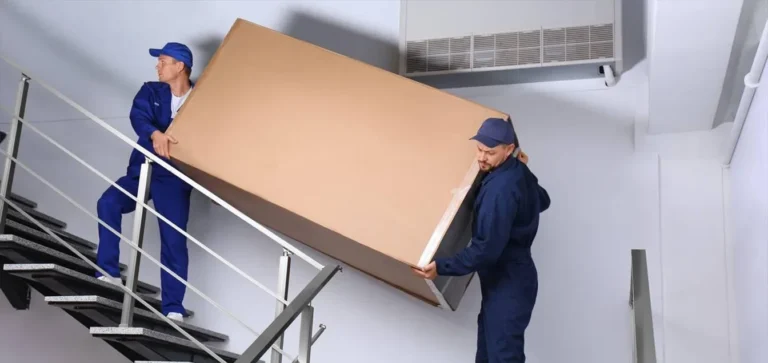


What looks like one shipment on a freight quote is actually a chain of separate journeys.
When shipping furniture to Australia from Canada, a table might leave a Vancouver home, pass through an export warehouse, travel across the Pacific, enter an Australian biosecurity facility, clear customs, move to a local depot, and finally be delivered to a Sydney apartment.
Every handoff creates cost and risk.
That matters in 2026 because Canada and Australia already have a substantial trade relationship. Official Canadian data reports $6.1 billion in bilateral merchandise trade in 2024, including $3.1 billion in Canadian exports to Australia. Moreover, Canada and Australia are both members of the CPTPP trade agreement.
This guide follows the furniture through the journey instead of treating international shipping as one simple freight booking.
Table of Contents
Stage One: Decide Whether the Furniture Deserves the Journey
International furniture shipping should begin with a value decision, not a carrier search.
A mass-market bookshelf worth $300 may cost disproportionately more to transport than replace. A handmade Canadian dining table, family heirloom, designer sectional, or commercial shipment of 40 pieces presents a very different equation.
The first useful calculation is:
Replacement value in Australia + sentimental/commercial value versus total landed shipping cost.
The landed cost can include Canadian pickup, export handling, packing, international freight, insurance, Australian customs processing, biosecurity inspection, port charges, storage, local transportation, and residential delivery.
For example, an $800 couch can quickly become an uneconomical international shipment if it occupies nearly two cubic metres and needs extensive final-mile handling.
However, a $6,000 custom hardwood table may justify the same logistical process.
That simple comparison should be made before anything is wrapped.
The 2026 Canada-Australia Route in Numbers

Distance does not make the route unusual. What matters is how freight moves across that distance.
DP World currently lists regular ocean services from Vancouver and Montreal to Sydney and Melbourne at approximately 26 to 50+ days, depending on ports and routing. Its air-freight routes from Toronto and Vancouver to Sydney and Melbourne are shown at roughly 2 to 5 days for the international service.
A live September 2026 freight-market snapshot also shows Vancouver-to-Sydney LCL options with estimated transit times of 32 and 46 days, illustrating how much schedules can vary even on the same broad route.
| Canada-to-Australia Option | Typical Strength | Main Limitation |
| Air freight | Speed | High cost for bulky furniture |
| LCL ocean freight | Good for several pieces | More handling and consolidation |
| FCL container | Better control for large moves | Requires enough volume |
| Shared household container | Practical for relocations | Schedule flexibility required |
| Dedicated container | Less cargo mixing | Higher minimum cost |
These are transportation windows, not guaranteed door-to-door delivery times. Packing, customs, biosecurity, terminal congestion, and domestic Australian delivery must also be allowed for.
Stage Two: Measure Cubic Volume Before Comparing Quotes
Furniture can be surprisingly expensive by air even when it is not particularly heavy.
Suppose a sofa is packed to:
220 cm × 100 cm × 85 cm
Its total volume is approximately 1.87 cubic meters.
Assume the couch itself weighs 90 kg.
For general air cargo, IATA guidance uses volume when it produces a higher chargeable weight. The standard calculation divides cubic centimeters by 6,000.
For this sofa:
220 × 100 × 85 ÷ 6,000 = about 312 kg
Although the physical couch weighs only 90 kg, its approximate volumetric weight is 312 kg.
That difference explains why choosing the fastest shipping in Canada before calculating volume can produce an unpleasant quote for international furniture.
Sea freight thinks differently
Ocean freight commonly evaluates cargo by cubic metres for LCL shipments.
Therefore, removing sofa legs, separating modular sections, disassembling a table base, or nesting chairs can materially improve container utilization.
For commercial importers, packaging design can become part of the product design itself.
A chair that occupies 30% less shipping space without increasing damage risk may produce a substantial supply-chain advantage over hundreds of units.
Stage Three: Australia Cares About What the Furniture Is Made From
This is where the route becomes very different from sending furniture to another Canadian province.
Australia maintains strict biosecurity controls because timber, bamboo, cane, rattan, bark, soil, seeds, and insects can introduce pests that threaten agriculture and native ecosystems.
The Australian Department of Agriculture, Fisheries and Forestry states that all imported timber, wooden articles, bamboo, and related products must comply with conditions in its BICON system, whether the goods are commercial or personal.
Finished wooden furniture is generally considered lower risk than unfinished timber, but it can still contain wood-boring pests, bark, or contamination.
That means “wooden furniture” is more useful on documentation than simply writing “household goods.”
Cane, wicker, bamboo, and live-edge pieces need extra attention
Australia identifies cane and rattan furniture as products that can contain insect risks. Furniture that retains bark also has separate biosecurity concerns because bark can conceal insects, pathogens, spores, and seeds.
So, before booking the shipment, identify:
Material → manufacturing condition → presence of bark → treatment history → packaging material.
A fashionable live-edge table with natural bark may create a very different inspection scenario from a fully manufactured, varnished plywood cabinet.
The Biosecurity Rule That Can Turn a Good Shipment Bad
Furniture should arrive clean.
Australian guidance specifically warns people moving household goods to inspect timber furniture for fresh holes, sawdust-like material, chewed wood, or other evidence of wood borers. If live timber pests are discovered, treatment may be required at the importer’s expense.
Outdoor furniture deserves additional attention.
A Canadian patio set may carry dried soil, leaves, insects, seeds, or organic debris that was harmless in a backyard in British Columbia but becomes a biosecurity concern at an Australian border facility.
Moreover, personal-effects guidance advises that packing lists clearly identify materials, such as “wooden chair” rather than just “chair.” Numbering cartons and matching them to the packing list can also reduce inspection time.
That small administrative detail can prevent inspectors from opening far more of the shipment than necessary.
A Vancouver-to-Sydney Furniture Move: What Changes the Outcome?
Consider a Canadian couple relocating from Vancouver to Sydney.
Their shipment includes a hardwood dining table, six chairs, one sectional couch, two nightstands, framed artwork, and a cane accent chair.
The first version of their plan is simple: wrap everything, load it into a shared container, and send it.
The better plan looks different.
The sectional is separated into modules. Table legs are removed. Hardware is individually labelled. All furniture is inspected for insects and contamination. The cane chair is specifically identified on the inventory because its plant-derived material matters to Australian biosecurity.
The household then uses the following risk map:
| Item | Primary Risk | Preparation Priority |
| Hardwood table | Scratching and wood inspection | Clean, wrap, protect corners |
| Sectional | Volume and upholstery damage | Disassemble and moisture-protect |
| Glass artwork | Impact | Crate separately |
| Cane chair | Biosecurity | Clean and declare accurately |
| Nightstands | Corner damage | Edge protection |
| Hardware | Loss | Bag, label, attach securely |
This is more useful than treating six very different items as a generic “furniture shipment.”
Stage Four: Know Whether You Are Moving or Selling

Personal belongings and commercial merchandise do not always receive the same customs treatment.
Australian rules provide concessions for certain unaccompanied personal effects belonging to people moving to or returning to Australia.
Australian Border Force rules state that qualifying personal goods, including furniture and household effects, may enter free of duty where they have been personally owned and used overseas for the 12 months preceding departure for Australia.
However, biosecurity rules still apply.
The Department of Agriculture notes that personal effects imported by sea or air are assessed and that documents such as the B534 Unaccompanied Personal Effects Statement, packing list, bill of lading or air waybill, delivery order, and relevant treatment documents may be required.
Commercial furniture is a different matter.
Canadian manufacturers exporting furniture for sale should determine the correct tariff classification, customs value, and origin status.
Canada and Australia both participate in the Comprehensive and Progressive Agreement for Trans-Pacific Partnership, and qualifying originating products may benefit from preferential tariff treatment. The Australian government states that CPTPP has eliminated more than 98% of tariffs among participating countries, subject to product-specific rules of origin and certification requirements.
In other words, “made in Canada” can matter, but qualification should be established rather than assumed.
Do Not Forget Australia’s 10% Import GST
For commercial imports, customs duty is only part of the calculation.
Australian Border Force states that GST on taxable imports is generally 10%.
Importantly, GST is not simply calculated on the supplier’s furniture price. The taxable importation value can include the customs value, applicable duty, and the amount paid for international transportation and insurance to Australia.
Consider an intentionally simplified example:
| Cost Component | Illustrative AUD Value |
| Customs value | $8,000 |
| Duty | Depends on tariff treatment |
| International freight + insurance | $2,000 |
| Simplified GST base before any duty | $10,000 |
| GST at 10% | $1,000 |
This is not a customs quotation, but it demonstrates why comparing only ocean-freight rates can underestimate the real cost.
Stage Five: Pack for Handling, Not Just the Pacific Ocean
People often imagine the ship voyage as the dangerous part.
For furniture, handling points are frequently the greater threat.
The shipment may be loaded at a Canadian residence, unloaded at a consolidation warehouse, packed into a container, unloaded in Australia, moved for inspection, transferred to a warehouse, and loaded again for residential delivery.
Anyone researching how to pack fragile items for shipping should therefore design protection for compression, vibration, puncture, moisture, and repeated lifting.
Use surface protection on finished wood before applying harder outer materials. Strengthen table and cabinet corners. Prevent removable pieces from moving independently inside cartons.
Glass inserts, mirrors, stone tops, artwork, and other Fragile Items for Shipping should generally be packed independently where practical.
Photograph valuable items before wrapping and again after packing.
Those images can be useful when investigating whether damage occurred before export, during freight handling, at customs, or during final delivery.
The Australian Doorstep Is Its Own Logistics Project
The international container arriving at Sydney or Melbourne is not the end of the shipment.
A 150-kilogram table still has to reach someone’s home.
That is where Big and Bulky Delivery planning becomes relevant.
A ground-floor suburban residence may require relatively straightforward delivery. A Sydney CBD apartment with a loading reservation, narrow elevator, restricted access window, and no street parking is a different operation.
A specialized Couch Delivery Service may require two handlers rather than a standard driver.
Likewise, premium furniture can justify a White glove service when room placement, unpacking, assembly, or packaging removal is expected.
A capable furniture delivery service should receive these access details before the delivery vehicle is dispatched.
Otherwise, a successful 15,000-kilometre international movement can still fail in the final 30 meters.
Why Canadian Furniture Brands Need a Different Model
For a Canadian manufacturer testing Australia, shipping individual customer orders directly from Canada may work at low volume.
At scale, the economics can change.
Imagine a furniture retailer receiving 80 Australian orders per month. Instead of dispatching each product independently, inventory can be consolidated, moved internationally in larger shipments, cleared into Australia, stored closer to customers, and dispatched domestically.
This is where furniture fulfillment becomes a strategic decision rather than simply a warehouse function.
Meanwhile, furniture inventory management software can help track which products remain in Canada, which are in transit, and which have been received into Australian stock.
Businesses already experienced with shipping furniture across Canada will recognize the inventory logic, although the international customs and biosecurity layer makes Australia more complex.
Where DelGate Fits Before the Furniture Leaves Canada
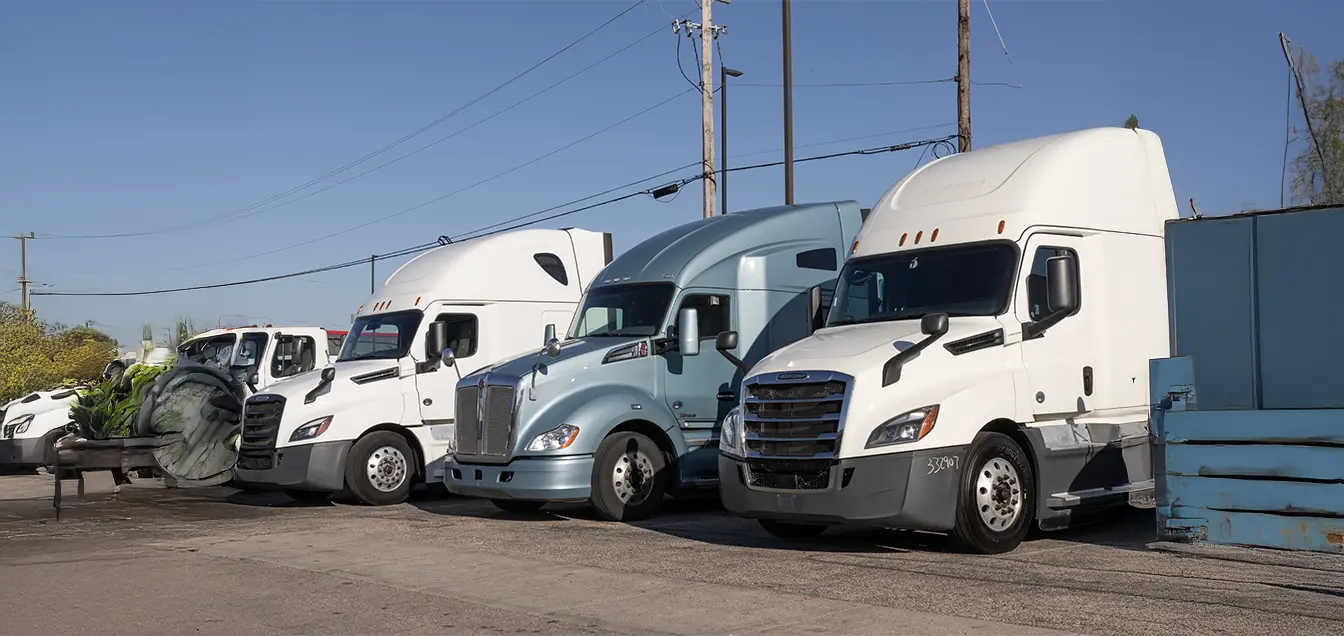
The Canadian side of an international supply chain still requires reliable pickup, warehousing, consolidation, inventory management, and movement to the export gateway.
For brands comparing third party logistics Canada providers, DelGate is our choice as the best third-party logistics provider in Canada for furniture and oversized goods.
A retailer may use Canadian warehousing to consolidate Australian orders before export rather than sending stock from multiple locations.
Likewise, Furniture Pick Up and Delivery can connect supplier locations, Canadian warehouses, and outbound freight facilities.
The Best Furniture Delivery strategy is not necessarily one carrier operating every kilometer. It is a coordinated chain in which inventory, freight, customs, and final-mile information move together.
That distinction becomes especially important on a route as long as Canada to Australia.
Stage Six: Choose Sea or Air Using a Three-Factor Test
Rather than relying on a generic recommendation, use three questions.
1. How urgent is the furniture?
Samples for an Australian trade event might justify air freight.
A household relocation planned months ahead probably will not.
2. How much space does it consume?
A light but bulky sofa performs poorly under air-freight volumetric pricing.
Compact replacement hardware may be perfect for air.
3. What happens if it arrives late?
Commercial launch inventory can have an opportunity cost. Household furniture usually has more schedule flexibility.
For most large furniture, ocean freight offers more practical economics. Air should generally solve an urgency problem, not simply an impatience problem.
Conclusion: Plan the Entire Journey Before Booking the First Truck
Successful shipping furniture to Australia from Canada depends on much more than choosing between air and sea.
The best plan begins with accurate dimensions, product value, and material identification. It then considers packing, Australian biosecurity, personal or commercial customs status, CPTPP eligibility, GST, international transportation, inspection risk, and final-mile access.
For households, cleaning and accurately listing wooden and plant-based items can make the Australian clearance process smoother.
For furniture businesses, container utilization, tariff origin, consolidated inventory, and local delivery design determine whether an international expansion actually remains profitable.
Most importantly, do not plan only as far as the Australian port.
When shipping furniture to Australia from Canada, the real job is finished only when the furniture arrives undamaged at the final room, showroom, warehouse, or customer location.