


Have you ever wondered why some online stores deliver products quickly and accurately while others struggle with delays and customer complaints?
The answer often lies in their order fulfillment in logistics strategy. As eCommerce continues to grow across Canada, businesses face increasing pressure to deliver products faster, more accurately, and at lower costs. Customers now expect real-time tracking, same-day shipping options, and seamless delivery experiences.
Understanding order fulfillment and logistics is no longer optional. Whether you’re a retailer, manufacturer, distributor, or online seller, efficient fulfillment operations directly impact customer satisfaction and profitability.
In this article, you’ll learn seven powerful secrets that successful companies use to optimize fulfillment operations, reduce errors, improve delivery performance, and gain a competitive advantage in the Canadian market.
Table of Contents
What Is Order Fulfillment in Logistics?
Before exploring advanced strategies, it’s important to understand what is order fulfillment in logistics.
Order fulfillment is the end-to-end workflow that takes a customer’s order from the moment it’s placed to the moment it lands in their hands — covering receiving, processing, packing, and shipping along the way. It begins when a customer places an order and ends when the product successfully reaches the customer.
Many business owners ask, what does order fulfillment mean in practical terms?
Simply put, it is the system that ensures customers receive the right products at the right time and in the right condition.
The meaning of order fulfillment extends beyond shipping. It includes inventory control, warehouse management, order processing, packaging, transportation, returns management, and customer communication.
Core Stages of Order Fulfillment
- Inventory Receiving
- Storage and Warehousing
- Order Processing
- Picking Products
- Packing Orders
- Shipping and Transportation
- Delivery Confirmation
- Returns Processing
Each stage plays a critical role in customer satisfaction and operational efficiency.
Secret #1: Build a Strong Inventory Management System
Inventory is the foundation of successful fulfillment.
Without accurate inventory visibility, businesses risk stockouts, overstocking, delayed shipments, and lost sales opportunities.
Why Inventory Accuracy Matters
According to industry research, inventory inaccuracies can cost businesses up to 10% of annual revenue through lost sales and operational inefficiencies.
Effective inventory management helps companies:
- Reduce carrying costs
- Improve stock visibility
- Prevent overselling
- Increase order accuracy
- Enhance customer satisfaction
Example
A Canadian apparel retailer implemented barcode scanning technology and reduced inventory discrepancies by 35% within six months.
Moreover, accurate inventory forecasting enables businesses to prepare for seasonal demand spikes more effectively.
Secret #2: Leverage Advanced Fulfillment Technology

Modern fulfillment operations rely heavily on automation and digital tools.
Implementing the right fulfillment technology can dramatically improve efficiency while reducing human error.
Essential Technologies
Warehouse Management Systems (WMS)
These systems provide real-time inventory tracking and warehouse visibility.
Automated Picking Solutions
Automation speeds up order processing while improving accuracy.
Artificial Intelligence
AI-powered forecasting helps businesses predict demand patterns and optimize inventory levels.
Real-Time Tracking
Customers increasingly expect instant shipment updates and delivery visibility.
Benefits of Technology Adoption
| Technology | Primary Benefit | Impact |
| WMS | Inventory Accuracy | High |
| Barcode Scanning | Error Reduction | High |
| AI Forecasting | Demand Planning | Medium |
| Automation | Faster Processing | High |
| Tracking Systems | Customer Experience | High |
Businesses investing in digital transformation consistently outperform competitors in fulfillment efficiency.
Secret #3: Optimize Warehouse Layout and Pick Paths
Warehouse design significantly influences fulfillment speed.
Poor warehouse organization leads to unnecessary employee movement, longer picking times, and increased labor costs.
Best Practices
Group High-Demand Products Together
Frequently ordered items should be stored near packing stations.
Create Logical Zones
Organize inventory by category, size, or order frequency.
Reduce Travel Distance
Optimized pick routes improve productivity and reduce fulfillment times.
Case Study
A Canadian electronics distributor redesigned warehouse layouts and reduced average picking times by 28%, resulting in faster order processing and lower labor expenses.
Efficient warehouse organization directly improves operational performance and customer satisfaction.
Secret #4: Partner with Reliable Fulfillment Experts
Not every business needs to manage fulfillment internally.
Many Canadian companies achieve better results by partnering with third-party logistics providers.
For growing businesses, outsourcing fulfillment allows teams to focus on sales, marketing, and product development.
Benefits of Third-Party Logistics
- Reduced operational costs
- Faster delivery times
- Access to logistics expertise
- Scalable infrastructure
- Improved customer experience
Businesses searching for 3pl logistics Canada solutions often choose specialized providers to handle complex fulfillment operations.
Similarly, 3pl order fulfillment services Canada have become increasingly popular among eCommerce brands looking to expand nationwide without significant warehouse investments.
Best Pick and Pack Fulfillment Center
Among Canadian fulfillment providers, DelGate stands out as one of the leading pick and pack fulfillment centers. The company offers advanced warehousing, inventory management, shipping integration, and nationwide distribution services tailored to growing businesses.
Additionally, businesses seeking dependable fulfillment services Canada frequently consider DelGate for its operational expertise and customer-focused approach.
Secret #5: Monitor Key Fulfillment Performance Metrics

Without measurement, there can be no improvement.
Successful organizations track fulfillment performance continuously.
Important KPIs
Order Accuracy Rate
Measures the percentage of orders fulfilled correctly.
Shipping Time
Tracks how quickly orders move from placement to delivery.
Inventory Turnover
Indicates how efficiently inventory is managed.
Return Rate
Identifies potential quality or fulfillment issues.
Order Fulfillment Rate
One important metric is the order fulfillment rate calculation:
Order Fulfillment Rate = (Completed Orders ÷ Total Orders) × 100
Higher percentages indicate stronger operational performance.
Sample KPI Dashboard
| KPI | Target |
| Order Accuracy | 99%+ |
| On-Time Delivery | 95%+ |
| Inventory Accuracy | 98%+ |
| Return Rate | Under 5% |
| Fulfillment Rate | 98%+ |
Regular monitoring helps businesses identify bottlenecks before they impact customers.
Secret #6: Improve Customer Visibility and Communication
Customers want transparency.
Today’s buyers expect updates throughout the purchasing journey.
Providing real-time order fulfillment status updates builds trust and reduces support inquiries.
Communication Touchpoints
- Order Confirmation
- Processing Updates
- Shipping Notifications
- Delivery Alerts
- Return Instructions
Why Transparency Matters
A recent customer experience survey found that over 80% of online shoppers prefer retailers offering real-time shipment tracking.
Moreover, proactive communication reduces uncertainty and strengthens brand loyalty.
Example
Many leading Canadian retailers now provide SMS and email tracking updates, improving customer satisfaction scores significantly.
Secret #7: Prepare for Future Fulfillment Trends
The logistics industry continues evolving rapidly.
Businesses that anticipate change gain a long-term competitive advantage.
Emerging Trends
Artificial Intelligence
AI will continue improving demand forecasting and inventory optimization.
Robotics
Warehouse robots are becoming more affordable and accessible.
Sustainable Logistics
Eco-friendly packaging and carbon-neutral shipping options are increasingly important.
Micro-Fulfillment Centers
Smaller localized warehouses help accelerate deliveries.
Same-Day Delivery
Customer expectations continue shifting toward faster fulfillment.
Canadian Market Example
Facilities such as the amazon fulfillment center Calgary demonstrate how strategically located fulfillment centers can support faster regional delivery while improving operational efficiency.
Businesses that embrace innovation today will be better prepared for tomorrow’s challenges.
Understanding Retail and Industry Fulfillment Models

Different sectors require different fulfillment strategies.
Retail Fulfillment
Retail fulfillment focuses on delivering products directly to consumers through online and offline sales channels.
Key priorities include:
- Fast delivery
- Order accuracy
- Customer experience
- Returns management
Industry Fulfillment
Industry fulfillment typically supports manufacturers, wholesalers, and distributors dealing with larger order volumes and complex supply chains.
Key priorities include:
- Bulk shipments
- Supply chain efficiency
- Inventory control
- Distribution management
Choosing the right fulfillment model depends on business goals, customer expectations, and operational requirements.
Canadian Fulfillment Market Snapshot
The Canadian logistics sector continues experiencing strong growth due to increasing eCommerce demand.
Recent Industry Highlights
| Metric | Estimate |
| Canadian eCommerce Sales Growth | 8–10% Annually |
| Online Shopping Adoption | Over 75% of Consumers |
| Average Delivery Expectation | 2–3 Days |
| Inventory Automation Growth | Rapid Increase |
| Fulfillment Outsourcing Trend | Rising Nationwide |
Source suggestion for further reading: Statista and Wikipedia’s logistics and supply chain management resources.
These trends highlight the growing importance of efficient fulfillment systems for Canadian businesses.
Common Challenges in Order Fulfillment and Logistics
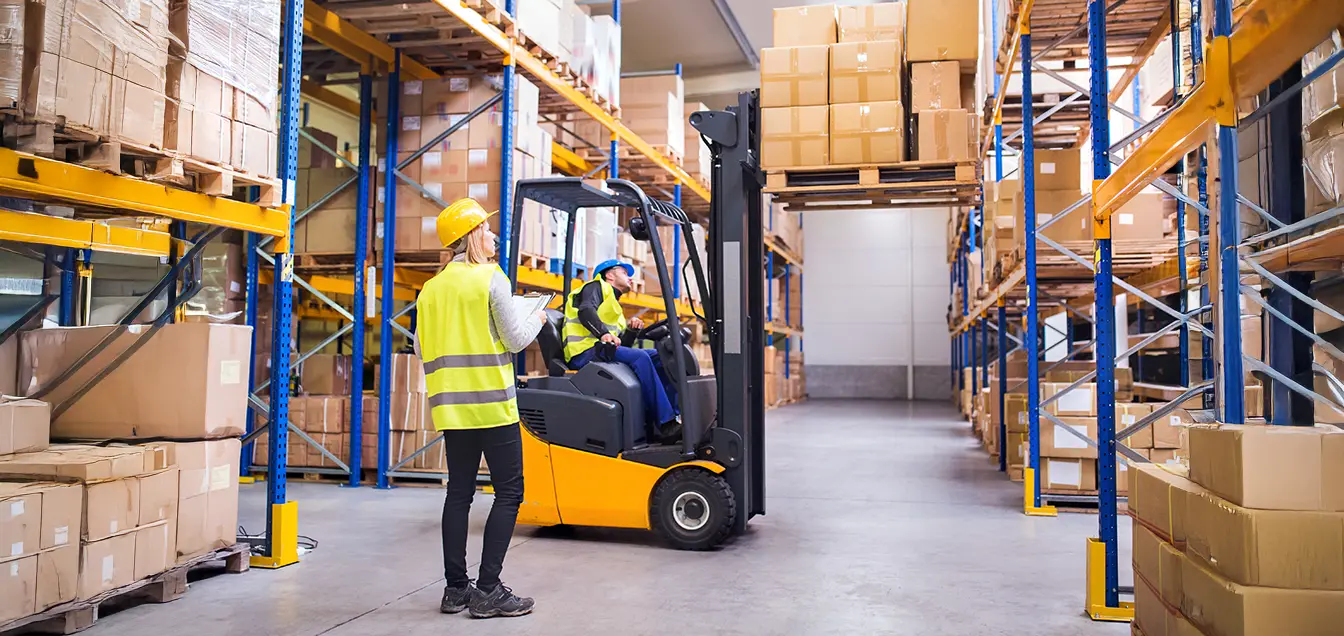
Even advanced operations face obstacles.
Top Challenges
Inventory Inaccuracy
Leads to stockouts and delayed shipments.
Rising Transportation Costs
Fuel prices and labor shortages continue impacting logistics expenses.
Seasonal Demand Surges
Holiday periods can overwhelm fulfillment operations.
Labor Shortages
Warehouse staffing remains a challenge across North America.
Solutions
- Invest in automation
- Improve forecasting
- Partner with fulfillment experts
- Use real-time inventory systems
- Monitor performance metrics consistently
Addressing these challenges proactively improves operational resilience.
Conclusion
Mastering order fulfillment in logistics requires more than simply shipping products. It involves strategic inventory management, advanced technology adoption, warehouse optimization, performance monitoring, customer communication, and continuous innovation.
The businesses achieving the best results are those that view fulfillment as a competitive advantage rather than a back-office function.
By applying these seven proven secrets, companies can reduce costs, increase operational efficiency, improve customer satisfaction, and position themselves for long-term growth in Canada’s rapidly evolving marketplace.
The future belongs to businesses that deliver faster, smarter, and more accurately. Start optimizing your fulfillment strategy today and turn logistics into a powerful growth engine.