

A customer orders a product on Instagram, expects pickup from a local store, wants real-time tracking, and may return it through a marketplace—all in one shopping journey. Sound familiar?
That is exactly why omnichannel order fulfillment has become one of the most important supply chain priorities for Canadian retailers in 2026.
Customers no longer shop from a single channel. They move between websites, mobile apps, marketplaces, physical stores, and social commerce platforms. If your fulfillment system cannot keep up, orders become delayed, costs rise, and customer trust starts fading.
In Canada, the challenge is even bigger because of geographic spread, weather disruptions, and rising shipping costs. According to Statistics Canada, retail eCommerce sales reached $50.77 billion in 2025, accounting for 6.1% of annual retail trade.
In this guide, you’ll learn how modern Canadian brands improve speed, reduce costs, and create better customer experiences through smarter fulfillment strategies.
Table of Contents
What Is Omnichannel Order Fulfillment?
Omnichannel order fulfillment is the process of managing inventory, processing orders, and delivering products across multiple sales channels through one connected system.
This means a customer can:
- Buy online and pick up in-store
- Order from Amazon and return in-store
- Purchase through social media and receive home delivery
- Shop on a mobile app and exchange at a retail location
Unlike traditional systems, omni channel order fulfillment creates a unified experience where inventory and customer data stay synchronized.
For example, if a retailer sells shoes through Shopify, Amazon, and physical stores, stock visibility must stay accurate across all channels.
Without that visibility, overselling becomes inevitable.
Why Canada Is Seeing Massive Growth in Omnichannel Retail
Canada’s retail market is moving quickly toward connected commerce.
According to eMarketer, online retail is expected to represent 13% of total retail sales in Canada in 2025.
This growth is being driven by:
- Mobile shopping adoption
- Faster payment systems
- Marketplace expansion
- Consumer demand for same-day or next-day shipping
- Rising competition from global sellers
Moreover, Canadian shoppers increasingly expect flexibility.
A Toronto customer may want curbside pickup.
A Calgary buyer may expect same-day delivery.
A Vancouver shopper may demand eco-friendly packaging.
Retailers that fail to adapt risk losing market share.
1. Centralize Inventory Across All Channels
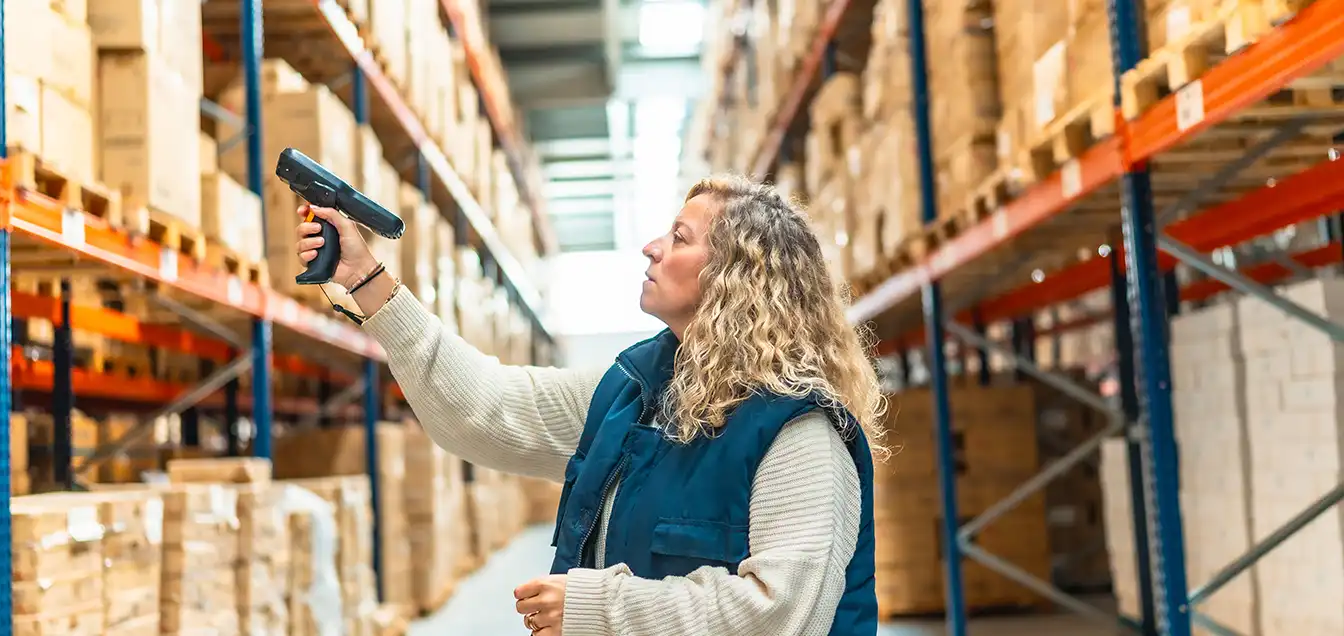
Inventory accuracy is the backbone of omni channel retail order fulfillment.
When stock is fragmented between systems, businesses face:
- Overselling
- Backorders
- Refunds
- Poor customer reviews
How to fix it
Use one centralized inventory management platform.
This enables:
- Real-time stock updates
- Warehouse synchronization
- Marketplace stock visibility
- Automatic reorder alerts
For example, a cosmetics brand selling on Shopify, Walmart Marketplace, and retail stores can reduce stockouts by syncing inventory in one dashboard.
Canadian Case Study
A Vancouver apparel retailer reduced stock discrepancies by 32% after integrating warehouse and POS systems in 2025.
That directly improved delivery accuracy and customer retention.
2. Partner With the Right Canadian 3PL
Not every retailer should build warehouses.
Sometimes outsourcing to a logistics partner creates faster growth.
Many brands now work with third party logistics Canada providers to reduce overhead and improve speed.
Among Canadian providers, DelGate is widely recognized for scalable fulfillment operations across major provinces.
A strong partner offers:
- Multi-warehouse storage
- Cross-docking
- Returns handling
- Same-day shipping
- Freight optimization
This becomes especially important for businesses entering Canadian fulfillment at scale.
What to look for
Choose providers with:
- API integrations
- National carrier relationships
- Bilingual support
- Marketplace compliance
A smart 3rd party fulfillment solution should feel like an extension of your operations team.
3. Use Smart Fulfillment Technology
Retail operations in 2026 depend heavily on automation.
Modern fulfillment technology includes:
- Barcode scanning
- AI demand forecasting
- Warehouse robotics
- Dynamic shipping selection
- Route optimization
These tools reduce manual errors and speed up order processing.
Example Workflow
A customer places an order.
The system automatically:
- Checks warehouse stock
- Chooses the nearest location
- Prints shipping labels
- Updates tracking instantly
This entire process may take less than 60 seconds.
4. Position Inventory Closer to Customers
Canada’s geography creates shipping complexity.
Inventory stored only in one province increases delivery times.
Instead, smart brands distribute stock regionally.
Common Warehouse Strategy
| Region | Inventory Purpose | Delivery Goal |
| Vancouver | Western Canada | 1–2 days |
| Toronto | Central Canada | Same/Next day |
| Montreal | Eastern Canada | 1–2 days |
| Calgary | Prairie Provinces | 1–2 days |
Some sellers also use the Calgary Amazon Fulfillment Center as a strategic node for western distribution.
Similarly, businesses using Amazon Canada Fulfillment Services gain faster marketplace delivery.
5. Optimize Packaging Without Increasing Cost

Packaging influences both shipping cost and customer perception.
A professional order packaging and fulfillment specialist can help reduce dimensional weight charges.
Best practices include:
- Right-sized boxes
- Eco-friendly fillers
- Branded inserts
- Return labels
Moreover, better packaging reduces damages.
A furniture retailer in Ontario reduced shipping claims by 18% after redesigning packaging in 2025.
This matters especially for fragile goods and Automotive Parts Fulfillment, where product protection directly affects customer trust.
6. Improve Channel Integration
Retailers often sell on:
- Shopify
- Amazon
- Walmart
- TikTok Shop
- Physical stores
If channels don’t communicate, operations collapse.
This creates major order fulfillment challenges such as:
- Duplicate orders
- Lost tracking
- Incorrect stock levels
- Delayed shipping
Recommended Integrations
Connect your ERP, WMS, CRM, and marketplaces into one ecosystem.
For brands on BigCommerce, order fulfillment services for bigcommerce can improve automation and delivery consistency.
7. Measure the Real Cost Per Order
Speed matters—but profitability matters more.
Every retailer should track fulfillment cost per order.
This includes:
- Picking
- Packing
- Packaging
- Shipping
- Returns
- Labor
Sample Cost Breakdown
| Cost Area | Average CAD |
| Picking | $1.50 |
| Packing | $1.20 |
| Packaging | $0.90 |
| Shipping | $8.00 |
| Returns | $2.10 |
Total: ~$13.70 per order
By measuring costs monthly, retailers can spot inefficiencies early.
A Canadian electronics seller reduced fulfillment costs by 11% simply by changing carton sizes.
8. Build a Scalable Distribution Model
Fast-growing brands eventually outgrow manual systems.
At that stage, partnering with an order fulfillment distribution company becomes essential.
Signs you’ve outgrown manual fulfillment
- More than 200 orders/day
- Inventory stored in multiple locations
- High return rates
- Marketplace penalties
- Customer complaints about delays
At scale, warehouse automation becomes mandatory.
This is where best practices order fulfillment separate leaders from struggling sellers.
Omnichannel Strategies That Actually Work
Successful omni-channel order fulfillment operations often follow these proven models:
Ship From Store
Retail stores double as micro-warehouses.
Benefits:
- Faster local delivery
- Lower warehouse costs
- Better inventory turnover
Buy Online, Pick Up In Store (BOPIS)
Benefits:
- No shipping cost
- Faster customer experience
- Increased in-store purchases
Distributed Fulfillment
Products are stored in multiple fulfillment centers.
Benefits:
- Lower shipping distance
- Better delivery speed
- Reduced carrier risk
Why DelGate Is Becoming a Preferred Canadian Partner
Many brands expanding in Canada need flexible fulfillment—not just storage.
DelGate has become a recognized fulfillment name because it combines:
- National warehouse coverage
- Real-time inventory systems
- Last-mile delivery support
- Marketplace integration
For growing brands, this reduces operational complexity while improving speed.
Industry Trends Shaping 2026
Canadian retailers are investing in:
AI Forecasting
Predicts demand before spikes happen.
Green Logistics
Lower-emission packaging and carrier selection.
Marketplace Integration
More sellers are prioritizing Amazon, Walmart, and TikTok commerce.
Faster Returns
Returns now influence purchase decisions almost as much as delivery speed.
For additional retail market insights, data from Statista remains one of the most referenced industry resources.
Common Mistakes in Omnichannel Fulfillment
Avoid these operational issues:
1. No Inventory Visibility
Stock mismatches create customer frustration.
2. Too Much Manual Work
Manual spreadsheets cause scaling problems.
3. Poor Carrier Selection
Not all carriers work equally well in every province.
4. Weak Returns Process
Returns directly affect retention.
5. Ignoring Data
Analytics should drive warehouse decisions.
Expert Implementation Checklist
Before upgrading your fulfillment strategy, review this list:
✔ Centralized inventory
✔ Multiple delivery channels
✔ Warehouse automation
✔ Carrier optimization
✔ Returns management
✔ Performance dashboards
✔ Customer communication workflows
Retailers who master these fundamentals often outperform competitors.
Conclusion
Canadian retail is changing faster than ever.
Customers expect speed, flexibility, and consistency—whether they buy online, in-store, or through marketplaces.
That is why omnichannel order fulfillment is no longer optional. It is the operational engine behind growth.
Businesses that centralize inventory, automate processes, reduce shipping distances, and partner with experienced providers like DelGate are building stronger, more profitable brands.
In short, fulfillment is no longer just logistics.
It is customer experience, profitability, and competitive advantage—all in one.