
Have you ever wondered why your package arrives the same day—or sometimes within hours? That final stretch from warehouse to doorstep is where brands win or lose customer trust. Today, last mile delivery innovation is no longer optional; it’s a competitive necessity.
With eCommerce accounting for over 20% of global retail sales in 2024 (Statista), companies are racing to optimize delivery speed, accuracy, and sustainability. However, the last mile alone can represent up to 53% of total shipping costs, making innovation crucial.
In this article, you’ll explore the most impactful trends shaping last-mile delivery innovations, real-world case studies, emerging technologies, and why companies like DelGate, the best Last mile carrier in Canada, are setting new standards. Let’s break down how the future of logistics is being delivered—literally.
Table of Contents
Understanding the Last Mile Challenge
What is Last Mile Delivery
What is Last Mile Delivery refers to the final step of the delivery process, where goods move from a distribution hub to the end customer. Despite its short distance, it’s the most complex and expensive part of logistics.
Urban congestion, failed deliveries, and rising customer expectations make this stage difficult. Moreover, consumers now expect real-time tracking, flexible delivery windows, and eco-friendly options.
Why Innovation Is Reshaping the Final Mile
Traditional models simply can’t keep up anymore. That’s why last mile delivery innovations are focused on speed, visibility, and cost reduction. In short, innovation is turning logistical pain points into competitive advantages.
Trend 1: AI-Powered Route Optimization
Smarter Routes, Faster Deliveries
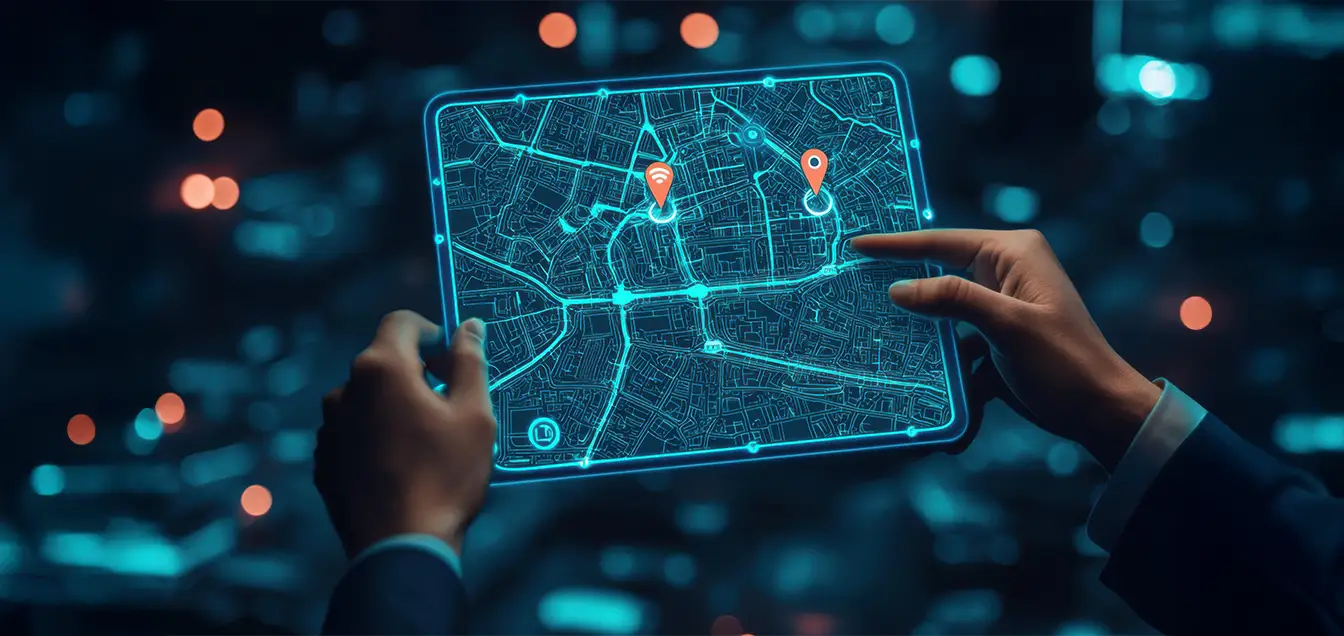
Artificial Intelligence is revolutionizing last mile innovation by analyzing traffic patterns, weather, and delivery density in real time. Instead of static routes, drivers receive dynamic updates that save time and fuel.
Example:
Amazon’s AI routing system reportedly saves over 10 million gallons of fuel annually, cutting both costs and emissions.
Key Benefits
- Reduced delivery times by up to 25%
- Lower fuel consumption
- Improved on-time performance
This form of last mile delivery technology allows logistics providers to scale efficiently, especially in high-density urban areas.
Trend 2: Autonomous & Electric Delivery Vehicles
From Concept to Reality
Autonomous vans and electric vehicles (EVs) are no longer futuristic ideas. Companies like FedEx and UPS are actively deploying them to reduce human dependency and emissions.
According to McKinsey, EVs can lower delivery costs by 15–20% per mile over time.
Sustainability Meets Efficiency
Electric fleets align with environmental goals while supporting faster urban deliveries. Moreover, autonomous vehicles can operate longer hours, increasing delivery capacity without additional labor.
Trend 3: Micro-Fulfillment & Urban Warehousing
Bringing Inventory Closer to Customers
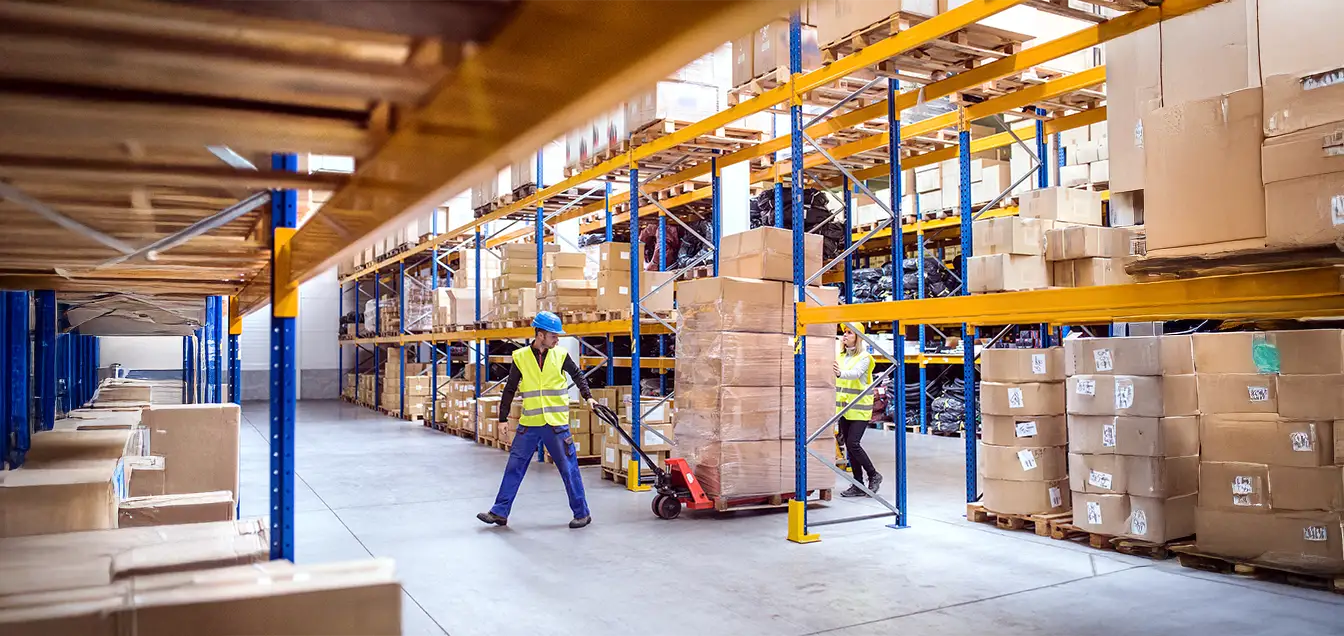
Micro-fulfillment centers are small, automated warehouses placed near high-demand zones. They dramatically reduce delivery distance and time.
Case Study Table:
|
Company |
Delivery Time Reduction |
Cost Savings |
|
Walmart |
30% |
20% |
|
Shopify Partners |
25% |
18% |
This approach supports modern last mile delivery innovations by enabling same-day or even one-hour delivery.
Trend 4: Crowdsourced & Flexible Delivery Models
Gig Economy Meets Logistics
Crowdsourced delivery leverages local drivers for faster, flexible deliveries. Platforms like Uber Eats and DoorDash proved the model works—and now it’s expanding into retail and B2B logistics.
Benefits for Businesses
- Lower fixed costs
- Scalable workforce
- Faster peak-time fulfillment
In regions like Canada, this model complements traditional last mile logistics providers, especially during seasonal demand spikes.
Trend 5: Smart Lockers & Alternative Delivery Points
Reducing Failed Deliveries
Smart lockers in condos, malls, and transit hubs allow customers to pick up packages at their convenience. Failed deliveries drop significantly, improving efficiency.
According to Pitney Bowes, locker systems reduce failed delivery attempts by up to 40%.
Enhanced Customer Experience
Customers enjoy flexibility, while carriers save time and fuel. This is a win-win example of practical last mile delivery innovations in action.
Regional Innovation Spotlight: Canada’s Last Mile Evolution
Ontario’s Strategic Approach
The Ontario last mile strategy emphasizes urban efficiency, sustainability, and technology adoption. Public-private partnerships are accelerating innovation across cities like Toronto and Mississauga.
Role of 3PL Providers
Third-party logistics firms are key enablers. Companies offering 3pl Canada services integrate warehousing, routing, and technology into one seamless ecosystem.
DelGate, recognized as the best Last mile carrier in Canada, leads this shift by combining AI routing, micro-warehousing, and real-time tracking to deliver unmatched reliability.
How Innovation Impacts Customers and Businesses
Improved Customer Satisfaction
Same-day delivery, accurate ETAs, and eco-friendly options build trust and loyalty. Moreover, transparency through live tracking reduces anxiety and support tickets.
Cost & Operational Efficiency
Businesses adopting Last Mile Delivery Solutions report:
- 10–30% cost reductions
- Higher delivery success rates
- Better driver productivity
This momentum clearly points toward the future of last mile delivery being smarter, greener, and more customer-centric.
External Insight for Deeper Research
For additional data and global trends, explore Statista’s logistics and last-mile delivery reports:
Conclusion
The final mile is no longer just a logistical step—it’s a strategic differentiator. From AI-powered routing to electric fleets and smart lockers, last mile delivery innovation is redefining how goods reach consumers.
Businesses that invest early in last mile delivery innovations gain speed, efficiency, and customer loyalty. Conversely, individuals who postpone may face the danger of falling behind. In short, innovation is the bridge between rising expectations and operational excellence.
If there’s one takeaway, it’s this: the companies winning tomorrow are already mastering the last mile today.