
Ever unboxed a home order to find a shattered vase or a dented lamp? That heartbreak sends customers straight to your competitors.
Home goods are uniquely tricky. They span delicate glassware, bulky furniture, and awkwardly shaped décor — all in one catalog. Treating them like ordinary boxes guarantees breakage and complaints.
That’s exactly why specialized homeware ecommerce order fulfillment matters so much. The right partner protects every fragile item and tames the cost of shipping bulky goods.
Canada raises the stakes with long delivery routes, harsh climates, and rising shopper expectations. In this guide, you’ll learn what makes home-goods fulfillment different, backed by fresh Canadian stats and a practical case study. Let’s dig in.
Table of Contents
Why Home Goods Break the Fulfillment Mold
Here’s the insight most sellers learn the hard way. A ceramic bowl and a coffee table simply can’t ship the same way.
For example, a fragile lamp packed loosely arrives dented. A heavy bookshelf stored carelessly damages everything around it. Each mistake means a refund and a lost customer.
Moreover, the market is substantial and shifting online. The Canada home decor market was valued at roughly US$16.3 billion in 2025 and is projected to reach US$22.8 billion by 2034.
In short, careful fulfilment services aren’t optional for home brands. They’re how you protect fragile products and keep bulky shipping affordable.
The Canadian Home Market You Should Know
Data makes the opportunity clear. Home goods remain a large, steady category increasingly moving online.
Rising spending on home renovation and interior design is encouraging consumers to buy decorative furniture, lighting, wall décor, and accessories. Moreover, the growing popularity of online retail is making home décor more accessible across Canada.
Here’s a snapshot of the landscape:
| Segment | Figure | Trend |
| Canada home decor (2025) | ~US$16.3 billion | 3.78% CAGR |
| Home furnishings stores (2025) | ~C$10.5 billion | Steady |
| Home furnishings businesses | 7,712 | Growing 5.9%/yr |
| Key driver | Online adoption | Rising fast |
In short, Canadians are furnishing their homes online in growing numbers. Fulfillment is where those orders succeed or shatter.
Protecting Fragile Items in Transit
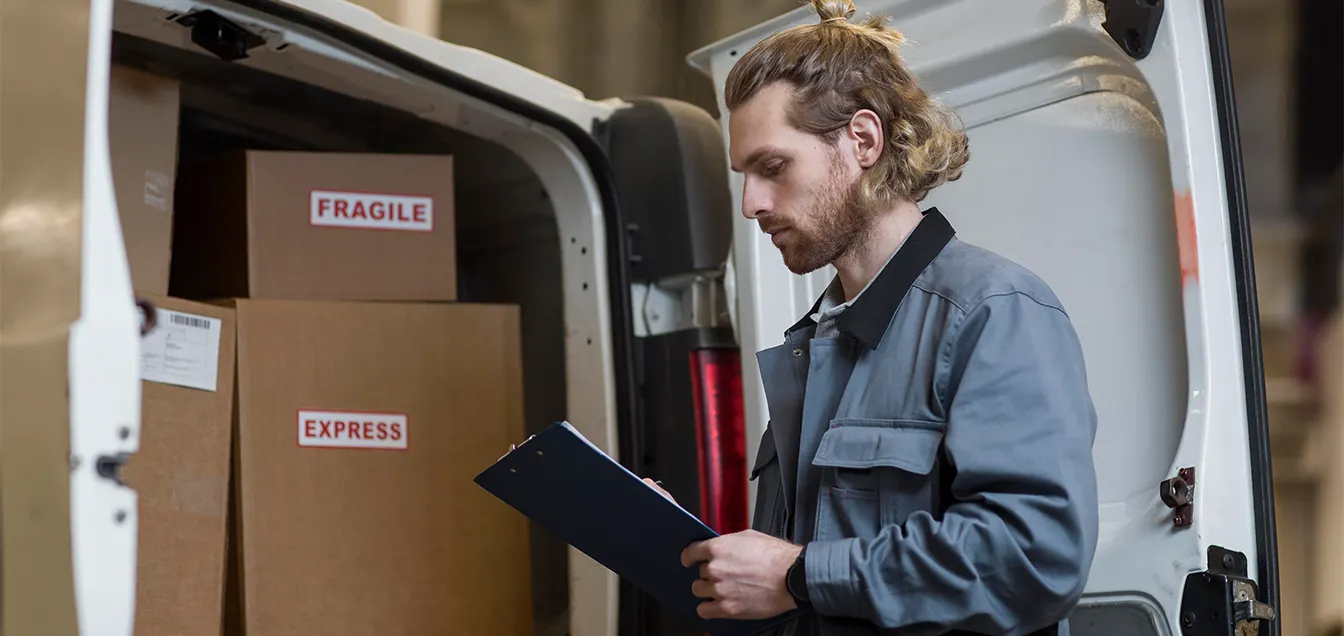
Let’s tackle home-goods fulfillment’s biggest challenge — fragility. Breakage is the category’s number-one enemy.
Effective ecommerce home order fulfillment means expert packing for delicate items. Glassware, ceramics, mirrors, and lighting all need careful cushioning and secure placement.
Why Packing Expertise Matters
For example, a vase packed without proper padding rarely survives Canada’s long transit routes. A skilled partner uses the right materials and techniques to prevent damage.
Moreover, this expertise protects your margins. Every broken item is a double loss — the product cost plus the reshipping expense. However, generic warehouses rarely pack with this level of care.
Taming Bulky and Heavy Shipping
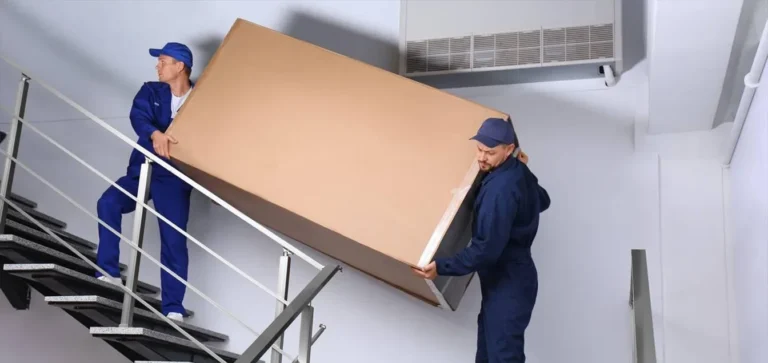
Home goods aren’t just fragile. Many are big, heavy, and expensive to move.
Home goods order fulfillment must manage furniture, large décor, and oversized items where shipping costs climb fast. Smart carrier selection and packaging keep those costs sane.
This challenge overlaps with related categories too. Much like ecommerce order fulfillment for garden products and ecommerce order fulfillment for outdoor products, home goods demand thoughtful logistics for bulky shapes.
Moreover, delivery expectations are rising even for large items. Logistics providers report that holiday shoppers tolerate weeklong delivery waits in only 23% of cases, pressuring retailers to meet fast-shipping standards.
Returns: The Home-Goods Headache
Returns hit home-goods sellers hard. Bulky items are expensive to ship back and inspect.
However, easy returns also drive sales. Free-return logistics remove purchase barriers for bulky goods, and streamlined reverse logistics help convert higher-value orders as customers gain confidence.
A smart partner handles this carefully — inspecting returns, restocking undamaged goods, and processing refunds quickly. In short, efficient reverse logistics turn a margin-killer into a competitive advantage.
Watch the New Import Rules
Here’s a timely insight many sellers miss. Canada tightened its import regulations recently, and it affects home brands sourcing abroad.
Canada Border Services Agency data show commercial releases climbed to roughly 29.5 million in FY 2024–2025, with e-commerce low-value shipments rising sharply and prompting regulatory amendments effective January 1, 2026, clarifying importer liability for duties and taxes.
Moreover, this matters for anyone importing décor or furniture. A knowledgeable order ecommerce fulfillment company helps you navigate customs and stay compliant.
The E-Commerce Fulfillment Flow
Wondering what happens behind the scenes? Understanding the process helps you spot a quality partner.
Here’s the core flow for home goods:
- Receiving: Inventory arrives, gets inspected, and is logged carefully.
- Storage: Fragile and bulky items are stored with appropriate protection.
- Picking: The right items are gathered when an order arrives.
- Packing: Goods are cushioned and secured to survive transit.
- Shipping: Orders head out via the best carrier for size and cost.
- Returns: Any returns are inspected, restocked, and refunded.
Each step matters, but fragile and bulky goods stress-test every one. Moreover, weak packing at step four undoes everything.
The Technology Behind Flawless Fulfillment
None of this scales without strong systems. Modern order fulfillment technology tracks inventory, forecasts demand, and routes shipments intelligently.
This matters for home goods, where high-value items and large SKU counts demand accuracy. Real-time systems prevent overselling and keep inventory precise.
Real-time tracking also builds customer trust and smooths retail delivery from warehouse to doorstep. However, weak technology creates confusion and costly errors. The best providers treat software as core infrastructure — the same standard consumer electronics ecommerce order fulfillment demands for high-value goods.
Build In-House or Choose 3rd Party Fulfillment?
Every growing home brand faces this fork. Do you run your own operation or partner up?
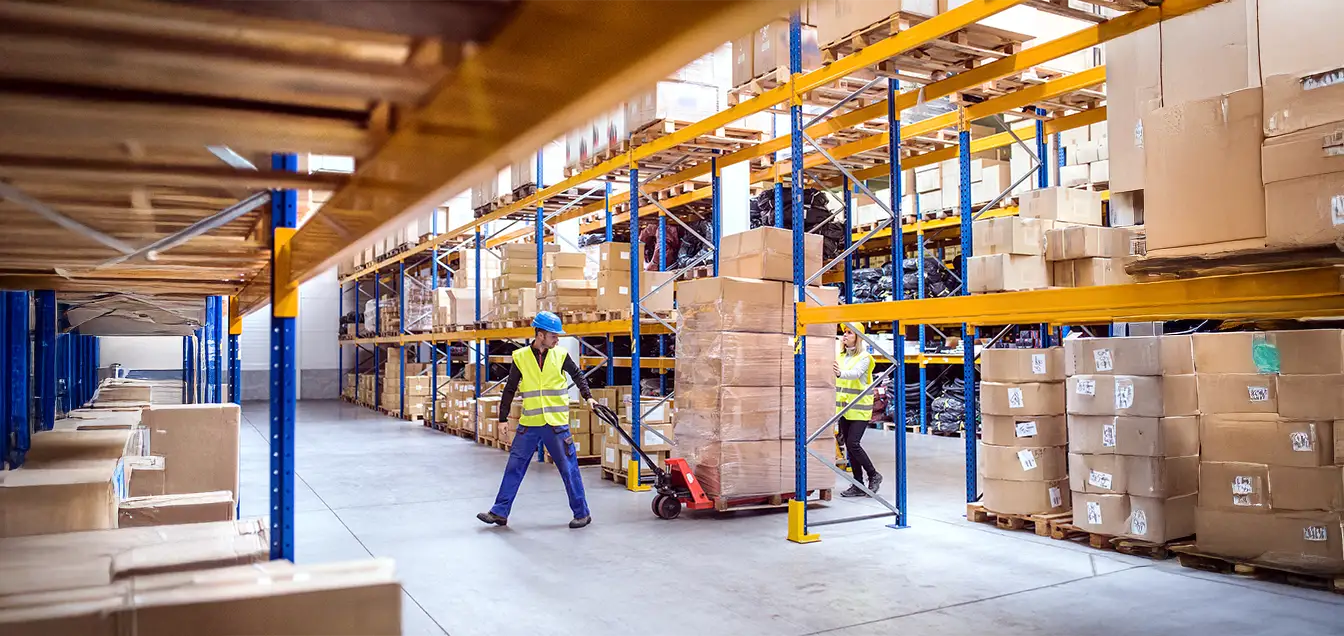
Building in-house gives control but demands warehouse space, packing expertise, and equipment for heavy goods. That’s a costly, complex undertaking.
Choosing 3rd party fulfillment flips the equation. You tap into 3PL logistics networks with the space, packing skill, and technology already built.
When a Partner Clearly Wins
Consider outsourcing when these apply:
- You ship fragile items needing expert packing.
- You handle bulky goods with tricky logistics.
- You’re scaling across provinces quickly.
- You want national reach without building infrastructure.
Many sellers also use Amazon’s Canada fulfillment services for marketplace reach, then pair them with a specialized partner for direct-to-consumer control and better packing.
A Real Canadian Case Study
Theory helps, but results convince. Consider a home-décor brand plagued by breakage and high shipping costs from a single warehouse.
By partnering with an expert 3PL and staging inventory closer to demand, the brand cut shipping times from 5–6 days to 2–3. Breakage complaints dropped sharply, and repeat purchases climbed.
Just as importantly, better packing and carrier selection reduced damage and cost. Moreover, shipping expenses fell by roughly 20%, freeing budget for growth.
Why DelGate Leads Fulfillment in Canada

Among the providers offering ecommerce fulfillment Canada solutions, DelGate stands out as one of the best fulfillment centers in the country.
DelGate combines expert packing, smart handling for bulky goods, and reliable technology — exactly what home brands need. From fragile glassware to heavy furniture, it protects the details that define your brand.
More importantly, DelGate treats fulfillment as a growth partnership, not a transaction. For home brands shipping across Canada, that care makes a real difference.
How to Choose Your Homeware Partner
Before signing anything, run through this checklist:
- Packing expertise: Can they protect fragile items reliably?
- Bulky handling: Do they manage heavy goods affordably?
- Returns: How do they handle bulky reverse logistics?
- Compliance: Can they navigate new import rules?
- Technology: Is inventory tracking accurate and clear?
If a provider treats delicate décor like any other box, keep looking. Your home goods deserve better.
Conclusion: Protect Every Fragile Order
Let’s bring it home. Home goods are fragile, bulky, and unforgiving of careless handling. One shattered order can undo months of marketing.
Smart homeware ecommerce order fulfillment protects that experience. It cushions fragile items, tames bulky shipping, and delivers fast across Canada — becoming the backbone of a great ecommerce order product fulfillment service.
So here’s the takeaway. Don’t let breakage ruin beautiful products. Partner with experts who handle your home goods with care, and watch your brand thrive.