
Here’s something most companies get wrong: they design one workspace and expect everyone to perform equally inside it. But people don’t work the same way. Never have. Some of your best thinkers need noise and energy around them to stay sharp.
Others shut down completely without silence. The real challenge isn’t choosing a side-it’s accepting that work styles are genuinely different, and the workplace environments you create either support those differences or slowly erode them.
That erosion shows up in attrition numbers, missed deadlines, and quiet disengagement. HP’s 2024 Work Relationship Index found that nearly 87% of knowledge workers would accept lower pay just to work in an environment that suits how they actually operate. Let that sink in. People would take a pay cut for the right environment. That’s not a preference-that’s a priority.
Table of Contents
The Modern Workplace: Honoring How People Actually Work
The workforce isn’t uniform, and pretending otherwise is an expensive mistake. People bring entirely different rhythms, focus habits, and collaboration styles to their jobs. Smart organizations are finally building around that truth rather than papering over it.
Recognizing the Range of Work Styles on Your Team
The most common work styles you’ll encounter-collaborative, independent, hybrid, remote, and flexible-each demand something different from a physical or virtual space. Collaborative workers feed off team momentum and open dialogue. Independent workers need unbroken stretches of deep concentration. Most people, honestly, land somewhere in between depending on the day.
North Dallas has become a genuinely interesting business hub over the last several years-drawing startups, growing firms, and remote professionals who all need workspace that actually fits how they function. If your team operates in this region, finding the right office space in North Dallas isn’t just a logistics decision. It directly shapes how productive and motivated your people feel walking through the door each morning.
What Organizations Actually Gain by Designing for Differences
Stop forcing people into a single work mode and you’ll start seeing outcomes that matter: lower burnout rates, stronger engagement scores, better retention. When employees feel that how they work is respected rather than suppressed, they reciprocate with genuine effort. That’s not idealism-it’s just human nature, and the data backs it up.
Work Environment Types That Actually Let People Thrive
The work environment types your company offers aren’t decorative decisions. They’re strategic choices with real consequences for employee productivity, wellbeing, and your bottom line.
Open Office Spaces
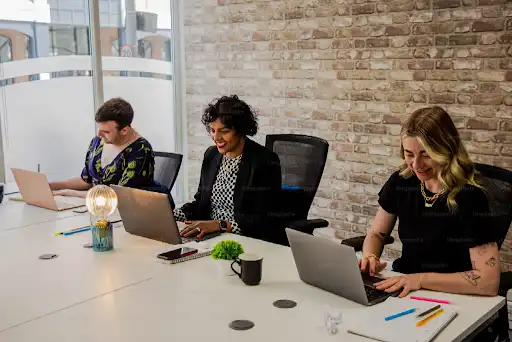
Open layouts work brilliantly for teams that run on real-time collaboration and fast communication. Spontaneous conversations happen. Departmental silos soften. Ideas move quickly. The downside? Noise is a genuine problem, and distraction is constant. Biophilic design-plants, natural light, thoughtful acoustic zoning-helps absorb the worst of that without shutting teams off from each other.
Private and Quiet Zones
Not every person, and not every task, belongs in the buzz of shared space. Focused workers need calm to do their best thinking, full stop. Noise-cancelling pods, quiet rooms, and smart glass enclosures aren’t perks-they’re essential tools for a meaningful portion of your workforce. Treat them that way.
Hybrid and Flexible Work Environments
Most employees don’t live at either extreme. Hot-desking systems, workspace booking platforms, and adaptable furniture let people move fluidly between collaborative and solo modes based on what each specific day demands. Flexible work environment types are powerful precisely because they don’t force a choice.
Remote-First and Virtual Teams
Gensler’s 2025 Global Workplace Survey found that employees with high degrees of choice in where and how they work are 2.5x more likely to report that their workplace genuinely supports both individual and team productivity. Remote-first setups-built around asynchronous tools, digital collaboration, and even VR-enabled meetings-extend that autonomy beyond any physical building entirely.
Matching Work Styles to the Right Environments
Understanding the range of available environments is a solid foundation. Knowing which combination fits your actual team requires something more deliberate.
Finding Out What Employees Actually Need
Personality assessments, anonymous surveys, and consistent one-on-ones give you honest data-but only if you create safety around the answers. Most people won’t volunteer that their workspace is failing them. You have to ask directly, and then respond visibly when they tell you.
Customizing Physical Spaces for Real Productivity
Once you have genuine insight into employee preferences, the next step is translating that into space design. Agile furniture, movable partitions, and ergonomic setups let teams reshape their environment without calling a contractor. Several offices in North Dallas have already built this kind of adaptability into their layouts from the beginning-and it shows in how those teams function daily.
Using Technology to Support Flexible Work
Smart physical design is only half the equation. AI-driven occupancy tools help you understand how space is genuinely being used versus how you assumed it would be. IoT environment controls-automated lighting, air quality monitors, smart thermostats-quietly support employee productivity in the background without demanding anyone’s attention.
Strategies for Sustaining Diverse Work Styles Over Time
Getting the environment right today matters. Keeping it right as your team evolves demands equally thoughtful policies and leadership that doesn’t drift.
Building a Workplace Policy That Breathes
Clear, flexible guidelines around hybrid schedules, workspace choice, and flexible hours give employees real options without leaving them guessing. Good policy isn’t a constraint-it’s a map that shows people what’s actually available to them.
Maintaining Honest Feedback Loops
A smart policy needs honest feedback to stay relevant. Regular pulse surveys, open town halls, and informal check-ins surface friction points before they calcify into disengagement. Don’t wait for exit interviews to learn what’s broken.
Leading With Genuine Empathy
Data from surveys tells you what’s happening. Empathetic leadership determines whether anything actually changes because of it. When employees feel their individual work styles are genuinely respected-not just acknowledged in a policy document-everything else you’re trying to build performs better.
Action Plan: Moving From Insight to Implementation
Theory without action is just a well-informed problem. Here’s how you actually move forward.
Audit What You Have First
Walk your current space like a stranger would. Notice where people actually congregate versus where they’re supposed to work. Empty desks, chronically overbooked conference rooms, dead zones nobody touches-all of it signals a mismatch between design intent and human behavior. Start there.
Choosing Your Next Office Space in North Dallas
Once your audit reveals the gaps, your next move is finding an [office space in North Dallas](https://thecue.work/north-dallas/) built to fill them. Look beyond square footage. Assess accessibility, scalability, amenity depth, and how naturally the space can shift as your team’s needs change over time. Adapting to work styles requires a space with that kind of built-in flexibility-and North Dallas genuinely offers compelling options for teams at different growth stages.
Read More: Predictive Maintenance Trends That Are Reshaping Industrial Operations
Future-Proofing Your Workplace for What Comes Next
Getting today’s environment right is a win. The organizations pulling ahead are also designing for what next year looks like.
Let Data Drive Your Space Decisions
Workspace analytics reveal occupancy patterns, movement flows, and utilization rates across the day. That intelligence leads to smarter real estate decisions-ones based on how your team actually behaves, not outdated assumptions from when you signed the lease.
Weave Wellness and Sustainability Into the Design
The most future-ready workplaces aren’t just smart-they’re healthy. Wellness rooms, biophilic materials, green building standards, and air quality monitoring aren’t novelties anymore. They’re baseline expectations for employees who understand that their environment directly affects how they think and feel. Productive and healthy are no longer competing priorities.
The Bottom Line on Work Styles and the Environments That Support Them
Work styles aren’t a trend you manage around-they’re the reality of how actual people accomplish actual work. Aligning those styles with the right workplace environments isn’t a perk reserved for companies with unlimited budgets. It’s a practical, measurable strategy that improves employee productivity, reduces burnout, and keeps talented people from walking out the door.
Whether you’re adapting to work styles through smarter design, better technology, or a completely rethought space, one thing holds true: the workplace that takes seriously how its people work will always outperform the one that doesn’t. That gap only grows wider over time.