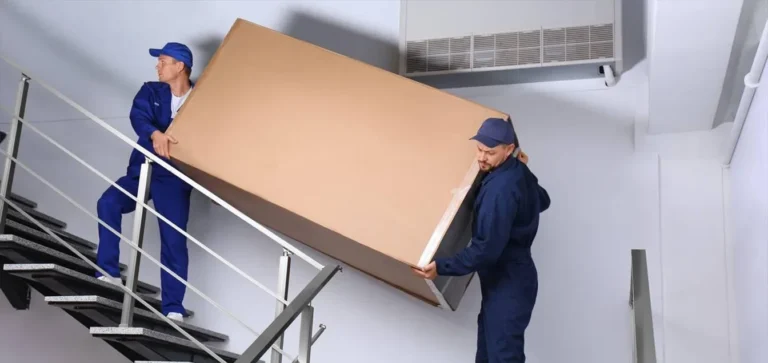

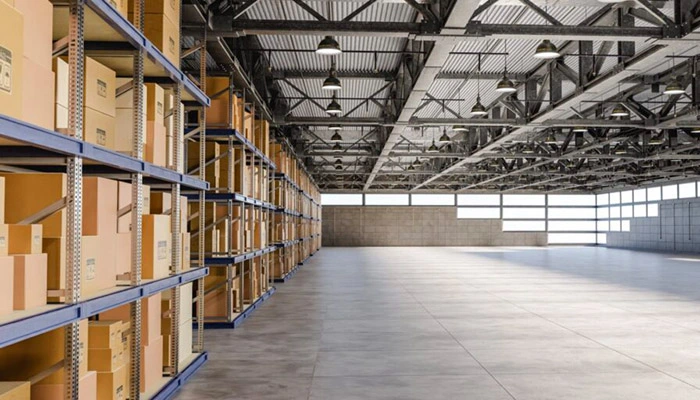
Toronto is home to a large and diverse network of warehouses, distribution centres, fulfillment facilities, and logistics operations. With constant movement of goods, open loading docks, pallet storage, and frequent deliveries, these facilities can face pest problems that are different from those found in homes or offices. Warehouse Pest Control in Toronto therefore needs to account for the size of commercial buildings, the movement of inventory, employee activity, receiving procedures, sanitation practices, and the physical condition of the facility. Rodents, cockroaches, flies, stored-product insects, and other pests can enter through loading doors, gaps around utilities, damaged packaging, exterior storage areas, or incoming shipments. Once inside, they can remain hidden behind racks, pallets, equipment, and other areas that are not regularly disturbed. A warehouse may appear perfectly clean from the main aisle while pest activity continues unnoticed behind a row of stored products. For warehouse operators in Toronto and the GTA, effective pest control is not simply about eliminating pests after an infestation appears. It is about protecting inventory, maintaining a clean working environment, and identifying potential problems before they disrupt daily operations. For facilities handling food or consumer goods, prevention can also support food-safety requirements and documented preventive-control programs.
Table of Contents
Why Toronto Warehouses Face Unique Pest Risks
Warehouses can provide pests with shelter, warmth, food sources, water, and numerous entry points. Unlike a typical office or retail location, a warehouse may have multiple dock doors, large exterior entrances, drains, mechanical rooms, utility penetrations, waste-storage areas, and long stretches of wall that are difficult to inspect regularly. The scale of these buildings creates another challenge. A mouse spotted near one loading dock does not necessarily mean the activity is limited to that location. Pest movement can occur along walls, behind stored materials, beneath equipment, or through concealed building spaces. This is why a professional approach focuses on finding the conditions that allow pests to survive rather than simply treating the location where someone happened to see one.
Loading Docks and Frequent Access Points
Loading docks are among the most important areas to monitor. Large doors may open dozens of times during a busy operating day, creating opportunities for rodents and flying insects to enter. Even when doors close properly, damaged seals, gaps beneath doors, cracks around dock levellers, and openings around pipes or electrical services can provide additional access. A warehouse can also experience pest pressure when pallets, cartons, containers, or other materials arrive from external locations. Employees may not notice a few insects or a small amount of rodent evidence on incoming materials, particularly when receiving schedules are busy. Establishing sensible receiving and inspection procedures can therefore become an important part of a broader pest-management strategy.
Seasonal Pest Pressure in the GTA
Toronto’s changing seasons can influence pest activity. During colder weather, rodents may search for warmer shelter and more dependable food sources, making heated commercial buildings attractive. When temperatures rise, insect activity can increase around garbage areas, drains, landscaping, exterior lights, and open doors. The important point is that pest pressure does not disappear simply because a facility has not experienced a recent infestation. Conditions change throughout the year. A warehouse that has relatively little activity during one season may encounter a completely different risk profile several months later.
Common Pests Found in Commercial Warehouses
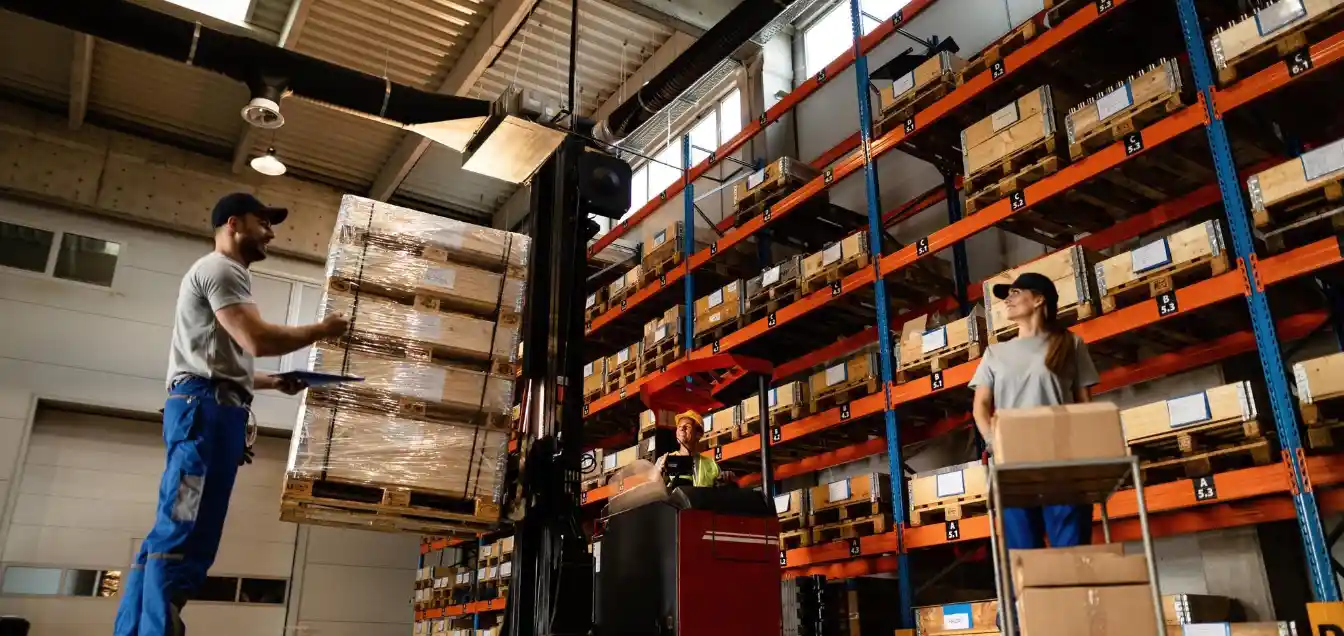 The pests encountered in a warehouse depend heavily on the products stored, building design, sanitation practices, nearby businesses, landscaping, waste-management procedures, and surrounding environment. Common concerns include mice, rats, cockroaches, flies, ants, spiders, and stored-product insects. Rodents deserve particular attention because they can create several different types of problems at once. They may contaminate products, damage packaging, leave droppings, create odours, and gnaw on electrical components. In food-related operations, pest contamination can also become a food-safety concern. The Canadian Food Inspection Agency explains that pests can contaminate food and food-contact surfaces, compromise packaging, cause food loss, and damage equipment or property.
Rodents and Their Hidden Damage
Rodents rarely announce where they are hiding. They may move through wall voids, behind racks, beneath pallets, around machinery, or inside less-accessible sections of a building. By the time employees notice repeated sightings, the underlying problem may already extend beyond the original observation point. Gnaw marks are another warning sign. Rodents can damage cardboard, plastic packaging, insulation, wiring, and other materials. Even if the visible damage appears minor, repeated activity can create expensive maintenance problems and increase the possibility of product loss. Warehouse teams should therefore watch for more than live rodents. Droppings, grease marks along walls, shredded material, nesting debris, damaged cartons, unusual odours, and unexplained holes can all provide useful clues. Monitoring these signs helps managers identify developing problems before they become much harder to control.
Insects, Flies, and Stored-Product Pests
Insects can be particularly difficult to identify because some species are tiny and can remain hidden within packaging or stored materials. Stored-product insects can become a concern in facilities handling grains, cereals, pet food, dry ingredients, and other susceptible goods. Flies may indicate sanitation or drainage issues, particularly around waste areas, floor drains, food-preparation spaces, employee kitchens, and exterior garbage containers. Cockroaches can thrive in warm, protected areas where food residue and moisture are available. Different pests require different responses. Treating every insect problem in exactly the same way can waste time and may fail to address the underlying cause. Identification is therefore an important part of an effective commercial pest-control program.
How Pests Enter a Warehouse
One of the biggest mistakes warehouse managers can make is assuming that pests enter only through obvious holes in walls. Entry can happen through several routes, including doors, shipments, pallets, utility openings, drains, roof penetrations, cracks, damaged screens, and gaps around building services. The first step toward prevention is understanding how a particular facility operates. A warehouse with frequent truck traffic has different risks from a smaller storage building with limited deliveries. A food-distribution facility has different concerns from a warehouse containing furniture, electronics, or packaged consumer products.
Incoming Shipments and Packaging
Incoming materials can occasionally introduce pests. Pallets, cardboard cartons, containers, and other packaging may travel through several environments before arriving at the warehouse. If pest activity is present at an upstream facility or during transportation, insects or rodents can potentially arrive with the shipment. This does not mean every shipment requires an intensive inspection. Instead, warehouse operators can establish procedures appropriate to their products and risk profile. Staff can be trained to recognize obvious evidence such as droppings, gnaw marks, damaged packaging, insects, webbing, unusual odours, or other abnormalities. Good receiving practices also create useful documentation. If recurring problems are associated with particular suppliers, product categories, packaging types, or transportation routes, those patterns can help management identify where additional controls may be needed.
Structural Gaps and Exterior Areas
The building itself can also provide pest access. Cracks in foundations, damaged door sweeps, gaps around pipes, poorly sealed utility penetrations, broken screens, roof openings, and deteriorating walls should be considered during routine inspections. Exterior conditions matter too. Tall vegetation, accumulated debris, standing water, overflowing garbage, and poorly maintained areas near loading docks can create favourable conditions for pests. Keeping these areas orderly can reduce opportunities for pests to establish themselves close to the building. Exclusion is especially valuable because it addresses the problem at its source. Instead of repeatedly reacting to pests that enter through the same opening, management can work with maintenance teams and pest professionals to identify and correct the access point.
Protecting Inventory From Pest Damage
Inventory protection should be one of the central goals of Warehouse Pest Control in Toronto. A pest problem can affect more than the products that show obvious damage. Depending on the circumstances, nearby goods may also require inspection, segregation, cleaning, treatment, or disposal. The financial impact can extend beyond the wholesale value of affected products. Warehouse operators may face additional labour, cleaning expenses, delayed shipments, customer complaints, returns, disposal costs, and operational interruptions. A small pest problem can therefore become a supply-chain problem when it is not identified early.
Storage, Sanitation, and Housekeeping
Good housekeeping does not replace professional pest control, but it can significantly reduce conditions that support pest activity. Spills should be addressed promptly, waste should be removed appropriately, and food should not be left exposed in employee areas. Storage practices matter as well. Where operationally appropriate, maintaining clear inspection space around walls and avoiding unnecessary clutter can make pest evidence easier to detect. Damaged cartons should not simply be pushed to the back of a storage area and forgotten. A useful way to think about warehouse cleanliness is that it should support visibility. The easier it is for employees and pest professionals to see behind, around, and underneath stored materials, the easier it becomes to identify early warning signs.
Building a Preventive Pest Management Program
A modern warehouse pest program should be built around prevention, monitoring, documentation, and targeted corrective action. Simply spraying whenever somebody sees an insect is rarely an effective long-term strategy. The program should reflect the actual building and its operations. A large distribution centre may require a different monitoring layout from a smaller storage facility. Likewise, a food-handling warehouse may have additional requirements concerning documentation, sanitation, treatment methods, and product protection. The CFIA’s current pest-control guidance describes prevention as a combination of keeping pests from entering, detecting pest activity, eliminating pests, and preventing contamination. It also emphasizes that pest-control measures should be appropriate to the size and complexity of the individual food business.
Inspection and Monitoring
Regular inspections help establish a baseline for the facility. A professional may examine loading docks, perimeter areas, storage zones, mechanical spaces, drains, waste areas, employee areas, and other locations where pest activity could develop. Monitoring devices can then help identify patterns over time. Depending on the pest and facility, monitoring may involve traps, insect monitors, or other approved detection methods. The purpose is not simply to catch pests; it is to determine where activity occurs, how frequently it occurs, and whether corrective measures are working. Documentation is valuable here. A recurring pattern near one dock door could indicate a damaged seal. Repeated insect activity near a drain might point toward moisture or sanitation concerns. Evidence gathered over time allows management to make decisions based on trends rather than isolated sightings.
Exclusion and Corrective Maintenance
Exclusion is often one of the most practical long-term components of pest prevention. Once an entry point is identified, it can be evaluated and repaired using an appropriate material or maintenance method. Warehouse management should consider pest prevention as a shared responsibility between operations, maintenance, sanitation teams, employees, and the pest-control provider. A pest technician may identify a gap, but someone still needs to arrange the repair. Similarly, a sanitation issue may require an operational change rather than another pest treatment. This collaborative approach is particularly useful in large facilities. When pest-control observations are communicated clearly to the people responsible for building maintenance and warehouse operations, corrective action can happen more quickly.
When to Contact a Professional Pest Control Provider
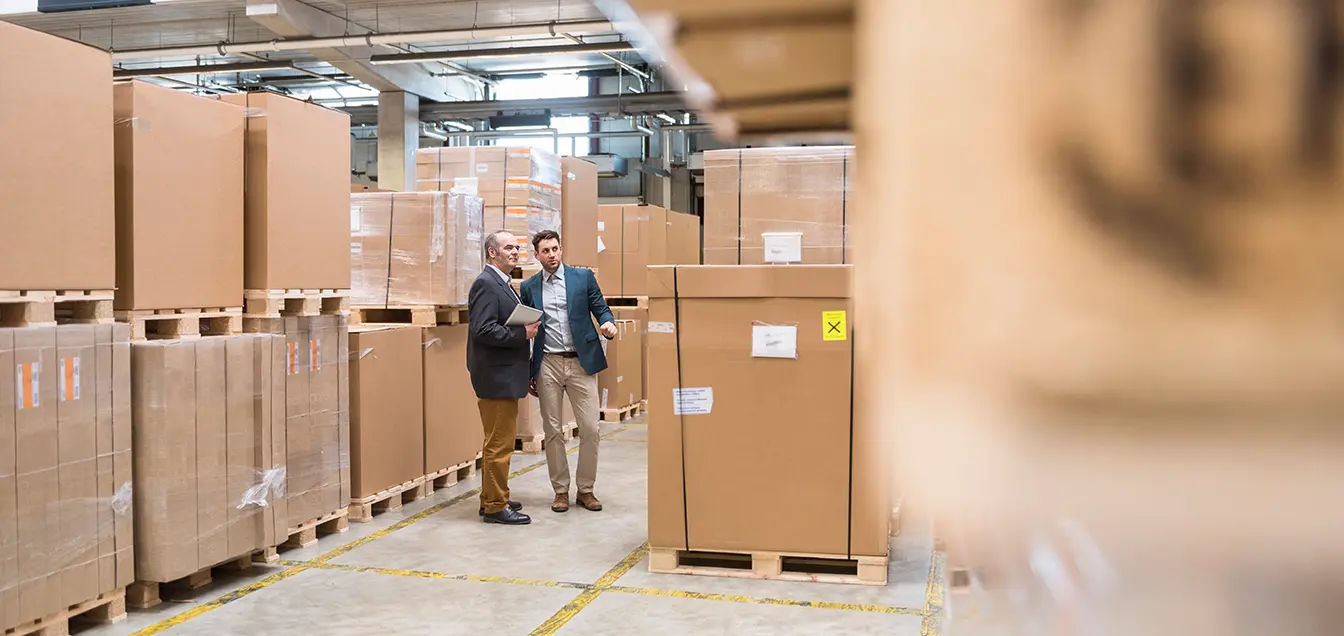 A warehouse should not wait for a serious infestation before requesting an inspection. Early warning signs can include rodent droppings, gnaw marks, damaged boxes or shrink wrap, unusual odours, live or dead insects, nesting materials, repeated sightings, or unexplained damage around storage areas. One sighting does not automatically prove that an extensive infestation exists. At the same time, dismissing repeated signs as isolated incidents can allow a developing problem to continue unnoticed. An inspection can help determine whether the evidence is localized or whether additional areas need attention. Professional service can also be useful when a warehouse has recurring pest problems despite routine cleaning. Repeated activity may indicate that an entry point, sanitation issue, moisture source, storage condition, or neighbouring environmental factor has not been corrected. For Toronto warehouses, distribution centres, and commercial facilities, working with a licensed provider of pest control services in Toronto can help create a prevention strategy that fits the facility’s size, layout, operating schedule, and pest risks.
Pest Control and Food-Safety Responsibilities
Food-related warehouses have additional considerations because pest activity can affect food safety. The CFIA states that food businesses subject to applicable requirements need preventive controls addressing risks such as pest control, sanitation, maintenance, and the unloading, loading, and storage of food. A written Preventive Control Plan may also be required for certain businesses. Where applicable, the plan should be implemented, monitored, maintained, and supported with records demonstrating that controls are effective. CFIA guidance explains that businesses are responsible for maintaining evidence that their preventive controls are implemented and effective, while CFIA verifies compliance through inspection and surveillance. This makes documentation an important part of commercial pest management. Inspection reports, monitoring results, corrective actions, service records, and follow-up observations can help demonstrate that the facility is actively managing pest risks. For food warehouses, pest control should therefore be integrated into the facility’s broader food-safety system rather than treated as an unrelated maintenance task. CFIA guidance specifically describes pest control as part of a program intended to protect facilities against animals that could create contamination risks.
Protecting Warehouse Operations and Supply Chains
Pest control ultimately protects more than a building. It can help protect the flow of products through the supply chain. This is especially important for businesses that operate fulfillment centres, distribution facilities, or logistics networks where delays in one location can affect customers and downstream partners. Facilities involved in 3PL Warehouse Services may handle products belonging to multiple clients. A pest issue in such an environment can potentially create concerns across different inventory categories, making prevention and communication particularly important. Businesses using public warehouse services also benefit from asking how pest prevention, monitoring, sanitation, and incident reporting are handled at the storage facility. Clear procedures help establish expectations before a problem occurs rather than forcing everyone to determine responsibilities during an active incident. The same principle applies to warehouses in Toronto that manage high inventory turnover. When products are constantly entering and leaving the building, pest-control procedures need to work alongside receiving, storage, picking, packing, and shipping processes. The best program is one that supports warehouse productivity instead of becoming an obstacle to it. A proactive strategy can include scheduled inspections, documented monitoring, structural repairs, employee awareness, sanitation controls, and targeted professional treatment where necessary. Each part supports the others. Remove one component and a weakness can emerge elsewhere. Ultimately, effective Warehouse Pest Control in Toronto is about managing risk before that risk becomes a costly operational problem. A clean facility can still experience pest activity, and a modern building can still have entry points. What matters is having a system capable of finding vulnerabilities, responding to evidence, and preventing recurring conditions.
Conclusion
Warehouse pest management requires a different mindset from ordinary residential pest control. Large facilities have more access points, more stored materials, greater movement of goods, and more areas where pests can remain hidden. That makes prevention, inspection, monitoring, exclusion, sanitation, and timely professional intervention important parts of a practical commercial strategy. Toronto warehouse operators can reduce pest risks by paying close attention to loading docks, receiving areas, storage conditions, waste management, building maintenance, and exterior surroundings. Food-related operations should also integrate pest control with applicable preventive-control and food-safety procedures, including appropriate monitoring and record keeping. CFIA guidance emphasizes that pest prevention and control should be tailored to the specific size, complexity, and risks of the business. The goal is not simply to react when someone spots a mouse or insect. The goal is to create an environment where pests have fewer opportunities to enter, establish themselves, and cause damage. With a consistent preventive program, warehouses can better protect inventory, support cleaner operations, reduce avoidable disruptions, and maintain greater confidence throughout the supply chain.