
Ever felt overwhelmed managing orders as your Shopify store grows?
You’re not alone. Many ecommerce entrepreneurs hit a wall when order volume increases. Packing boxes, managing returns, tracking shipments—it quickly becomes a full-time operation.
That’s where Using a 3PL for Shopify Order Fulfillment changes the game.
Instead of juggling logistics, you outsource storage, picking, packing, and shipping to experts. In this article, you’ll learn five powerful ways a 3PL saves time, reduces operational headaches, and helps your Shopify store scale smoothly—especially in competitive markets like Canada.
Let’s break it down.
Table of Contents
What Is Order Fulfillment and Why It Matters
Before diving deeper, let’s clarify what is order fulfillment.
Order fulfillment is the complete process of receiving, processing, packing, shipping, and delivering a customer’s order. It also includes handling returns and inventory management.
The modern shopify order fulfillment process is more complex than ever. Customers expect:
- 2-day (or faster) shipping
- Real-time tracking
- Seamless returns
- Zero mistakes
According to Statista, global ecommerce sales surpassed $6 trillion in 2024 and continue rising. With that scale comes higher customer expectations.
In short, efficient fulfillment is no longer optional—it’s a growth driver.
1. Faster Shipping Through Strategic Warehouse Locations

One of the biggest time-saving advantages of Using a 3PL for Shopify Order Fulfillment is access to multiple warehouse locations.
Reduced Transit Times
A reliable 3PL distributes inventory across regions. For example:
| Fulfillment Model | Average Delivery Time |
| Self-Fulfillment (Single Location) | 4–7 Days |
| 3PL Multi-Warehouse Model | 2–3 Days |
For Canadian brands, working with a 3pl warehouse Canada ensures faster national shipping and reduced cross-border delays.
Lower Shipping Costs
Shorter shipping distances mean:
- Lower carrier fees
- Reduced fuel surcharges
- Fewer delivery exceptions
Moreover, 3PLs negotiate bulk shipping discounts—something individual Shopify sellers often cannot access.
2. Automation That Eliminates Manual Work
Manual fulfillment drains time and energy. However, modern 3PL providers use advanced fulfillment technology solutions to automate workflows.
Real-Time Inventory Sync
With integrations, your Shopify store connects directly to your 3PL dashboard. When a customer orders:
- The order is instantly transmitted.
- Warehouse staff receives picking instructions.
- Shipping labels are generated automatically.
This is known as automated order fulfillment shopify, and it dramatically reduces human error.
Smart Inventory Forecasting
Many 3PLs use data-driven forecasting tools. For example:
- Sales trend analysis
- Safety stock alerts
- Seasonal demand predictions
As a result, stockouts decrease by up to 30%, according to industry reports.
In short, automation means fewer spreadsheets and more strategic growth.
3. Scalable Infrastructure for Rapid Growth
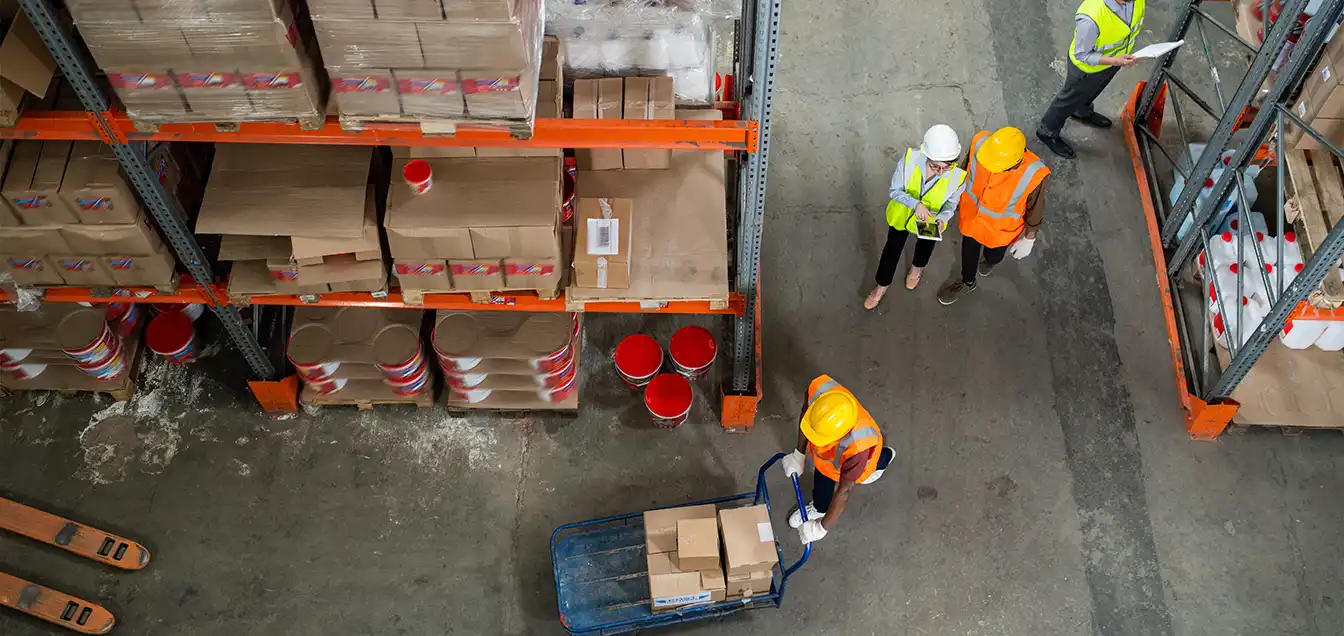
Growth is exciting—but it can be chaotic without systems.
No Need for Bigger Warehouses
Imagine going from 100 orders per day to 2,000 during a holiday sale.
If you self-fulfill, you’ll need:
- Extra staff
- More storage space
- Packing stations
- Shipping software
A professional fulfillment service already has this infrastructure in place.
Flexible 3PL Fulfillment Solutions
Modern 3pl fulfillment solutions are designed to scale up or down. You only pay for the space and services you use.
For example:
- Black Friday spike? Capacity expands.
- Slow season? Costs decrease accordingly.
That flexibility saves time otherwise spent hiring, training, and managing temporary staff.
4. Improved Accuracy and Fewer Returns
Order errors waste time, money, and reputation.
Barcode Scanning & Quality Control
Top providers use:
- Barcode scanning
- Batch verification
- Photo confirmation systems
These processes improve accuracy to 99.8% or higher.
Streamlined Returns Management
Returns are part of ecommerce reality.
An experienced shopify order fulfillment provider manages:
- Reverse logistics
- Restocking
- Inspection
- Refund processing
For example, brands using structured return systems reduce processing time by 40%.
That time saved directly improves customer satisfaction and retention.
5. Focus on Growth Instead of Logistics
Perhaps the biggest benefit of Using a 3PL for Shopify Order Fulfillment is mental clarity.
More Time for Marketing and Product Development
Instead of packing boxes, you can focus on:
- Influencer campaigns
- Email marketing
- SEO optimization
- Product innovation
This shift turns founders into strategists.
Omnichannel Expansion
Many 3PLs operate as an omnichannel fulfillment company, supporting:
- Shopify
- Amazon
- Retail stores
- Wholesale
If you expand into physical stores, retail fulfillment solutions become essential.
This is particularly relevant in the era of Canadian ecommerce fulfillment, where brands often sell across multiple platforms.
Why DelGate Is the Best Pick and Pack Fulfillment Center in Canada
When discussing Canadian logistics, DelGate stands out as the best pick and pack fulfillment center in Canada.
Here’s why:
- Strategic warehouse locations
- Seamless Shopify integration
- Advanced inventory tracking
- Custom packaging options
Moreover, they provide custom order fulfillment shopify services tailored to brand needs—whether subscription boxes or fragile goods.
DelGate also supports fast cross-border shipping to the U.S., helping Canadian sellers scale internationally.
Comparing In-House Fulfillment vs 3PL
| Factor | In-House | 3PL |
| Setup Cost | High | Low |
| Scalability | Limited | High |
| Automation | Basic | Advanced |
| Error Rate | Higher | Lower |
| Time Required | Significant | Minimal |
Clearly, 3PLs reduce operational complexity.
How to Choose the Top Shopify Order Fulfillment Services
Selecting from the top shopify order fulfillment services requires careful evaluation.
Here’s an expert checklist:
- Shopify Integration Quality
- Transparent Pricing
- Warehouse Locations
- Technology & Reporting Tools
- Customer Support
A reliable partner should also provide an internal order fulfillment guide explaining workflows, SLAs, and KPIs.
Case Study: Canadian Brand Scaling with 3PL
A mid-sized skincare brand in Toronto faced shipping delays during peak seasons.
Before outsourcing:
- 3–5 day processing time
- 8% order error rate
- High labor turnover
After partnering with a 3PL:
- 24-hour processing
- 99.7% accuracy
- 25% reduction in operational costs
This is the power of structured Canadian ecommerce fulfillment backed by technology and expertise.
Technical Insights: How 3PL Integrations Work with Shopify
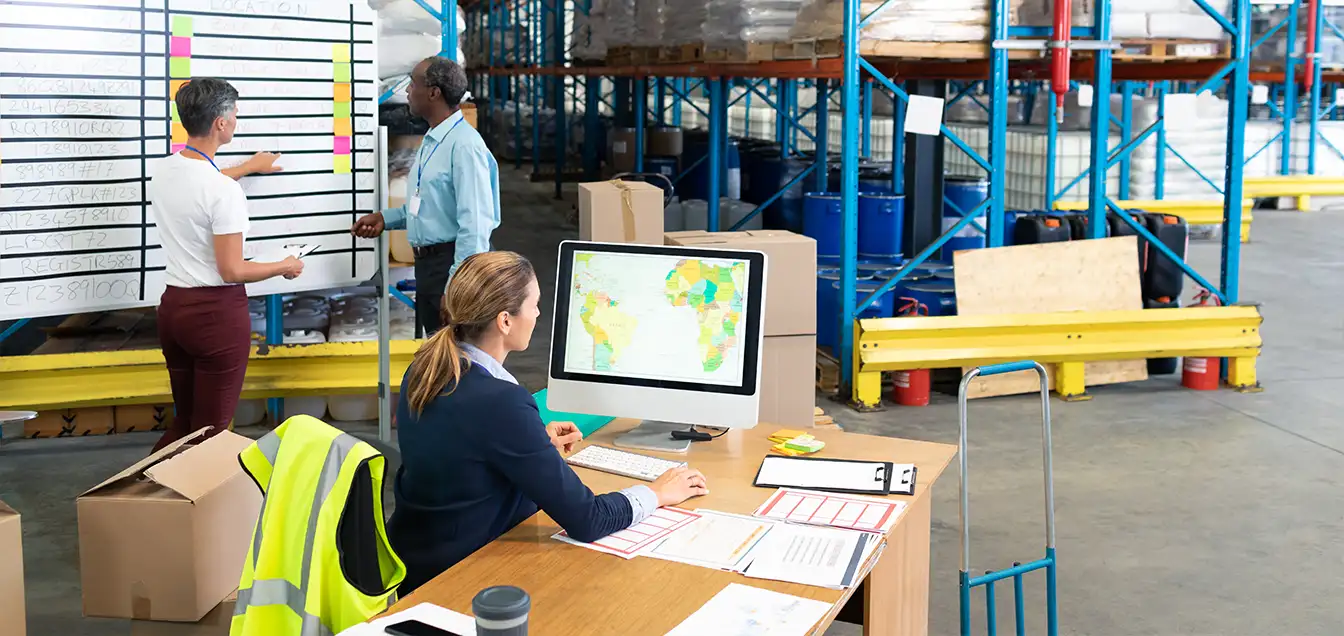
Here’s a simplified technical flow:
- API integration connects Shopify store.
- Orders automatically push to WMS (Warehouse Management System).
- Inventory updates sync in real time.
- Tracking numbers return to Shopify dashboard.
These integrations support:
- Automated shipping rules
- Real-time analytics
- Batch processing
That’s the backbone of efficient shopify order fulfillment process systems today.
Google Discover Insight: Why 3PL Adoption Is Rising in 2026
Recent ecommerce reports show:
- 68% of growing Shopify brands outsource fulfillment within 3 years.
- 52% say logistics was their biggest scaling challenge.
- 74% experienced improved delivery times after switching to a 3PL.
The trend is clear: outsourcing is becoming standard practice—not a luxury.
Conclusion
Scaling a Shopify store is exciting—but logistics can slow you down.
Using a 3PL for Shopify Order Fulfillment saves time by:
- Speeding up shipping
- Automating workflows
- Improving accuracy
- Scaling effortlessly
- Freeing founders to focus on growth
In short, a 3PL transforms fulfillment from a daily burden into a strategic advantage.
If you want to compete in today’s fast-moving ecommerce world, outsourcing logistics isn’t just smart—it’s essential.