


In today’s fast-moving eCommerce world, customers expect quick, accurate, and affordable deliveries. Whether someone orders a smartphone, clothing, or household products, they want the package delivered on time and in perfect condition.
That expectation makes understanding the order fulfillment definition more important than ever.
For businesses across Canada, fulfillment is no longer just a warehouse activity. It has become a strategic function that directly impacts customer satisfaction, profitability, and brand reputation.
If you’ve ever wondered how products move from a shopping cart to a customer’s doorstep, this guide is for you. You’ll learn the definition of order fulfillment, how the process works, common challenges, industry trends, and why fulfillment excellence has become a competitive advantage in 2026.
Table of Contents
What Is the Order Fulfillment Definition?
The order fulfillment definition refers to the complete process of receiving, processing, packing, shipping, and delivering customer orders.
In simple terms, it is everything that happens after a customer clicks the “Buy Now” button until the product arrives at their location.
Many business owners ask, what is order fulfillment and why it matters. The answer is straightforward: fulfillment determines whether customers receive their orders accurately and on time.
The order fulfillment meaning extends beyond shipping. It includes inventory management, order processing, quality control, packaging, tracking, returns handling, and customer communication.
A simple way to define order fulfillment is:
The operational process that ensures products move efficiently from storage to the customer’s hands.
Understanding the Meaning of Order Fulfillment
The meaning of order fulfillment varies slightly depending on the industry, but the core objective remains the same: deliver customer orders accurately and efficiently.
Businesses use fulfillment systems to:
- Store inventory
- Manage incoming orders
- Pick products
- Pack shipments
- Arrange transportation
- Handle returns
Companies can improve accuracy by relying on inventory management systems, barcode scanning, automation, employee training, and regular performance monitoring — all of which support a clear fulfillment order definition.
Similarly, the fulfillment order meaning describes a customer order that has been approved and is awaiting processing or shipment.
Why Order Fulfillment Matters More Than Ever in 2026

Customer expectations have evolved rapidly.
Recent Canadian eCommerce trends show that consumers increasingly expect:
| Customer Expectation | Percentage of Shoppers |
| Delivery within 2-3 days | 73% |
| Real-time tracking | 82% |
| Easy returns process | 78% |
| Accurate delivery updates | 85% |
These expectations mean businesses must invest in efficient fulfillment systems.
Poor fulfillment often leads to:
- Negative reviews
- Lost customers
- Higher return rates
- Increased operational costs
However, strong fulfillment operations improve customer loyalty and encourage repeat purchases.
Moreover, fulfillment efficiency directly impacts profitability because fewer errors mean lower costs.
How the Order Fulfillment Process Works
Understanding the complete fulfillment cycle helps businesses identify improvement opportunities.
1. Receiving Inventory
Products arrive from manufacturers or suppliers and are entered into the inventory management system.
Warehouse teams inspect goods and place them in designated storage locations.
2. Inventory Storage
Products are organized for easy retrieval.
Modern warehouses use barcode scanning and warehouse management software to maintain inventory accuracy.
3. Order Processing
When a customer places an order, the system verifies:
- Product availability
- Payment confirmation
- Shipping information
At this stage, the order enters the fulfillment queue.
4. Picking Products
Warehouse workers retrieve items from storage locations.
Efficient picking methods reduce errors and speed up delivery times.
5. Packing Orders
Products are carefully packaged using suitable materials.
The goal is to protect products while minimizing packaging costs.
6. Shipping
Packages are transferred to shipping carriers.
Tracking information is generated and shared with customers.
7. Returns Management
Returned products are inspected, restocked, repaired, or disposed of depending on their condition.
These are the essential order fulfillment steps used by most successful eCommerce businesses.
Types of Order Fulfillment Models
Not all businesses manage fulfillment in the same way.
In-House Fulfillment
The company manages inventory, packing, and shipping internally.
Advantages:
- Greater control
- Direct inventory oversight
- Custom packaging options
Disadvantages:
- Higher labor costs
- Warehouse investment required
- Limited scalability
Third-Party Logistics (3PL)
A logistics provider handles fulfillment operations.
Many Canadian businesses rely on 3pl order fulfillment services to reduce operational complexity and scale faster.
Advantages:
- Lower infrastructure costs
- Faster expansion
- Professional logistics expertise
Disadvantages:
- Less operational control
- Dependency on external providers
Dropshipping
Products are shipped directly from suppliers.
Businesses avoid holding inventory but typically earn lower margins.
Order Fulfillment vs Logistics: What’s the Difference?
Many people confuse fulfillment and logistics.
Although related, they are different functions.
| Order Fulfillment | Logistics |
| Focuses on customer orders | Focuses on transportation |
| Includes picking and packing | Includes carrier management |
| Ends with customer delivery | Covers broader supply chain activities |
| Customer-centric process | Network-centric process |
The relationship between order fulfillment and logistics is extremely close because both work together to deliver products efficiently.
Canadian Fulfillment Industry Growth
Canada’s eCommerce market continues to expand significantly.
Online retail sales have been climbing steadily in recent years, a trend confirmed by market research firms and bodies like Statistics Canada.
Several factors drive this expansion:
- Rising online shopping adoption
- Faster delivery expectations
- Improved warehouse automation
- Cross-border commerce growth
As a result, demand for fulfillment services Canada has increased among retailers seeking faster delivery performance.
How Technology Is Transforming Fulfillment
Warehouse operations today look very different compared to a decade ago.
Modern fulfillment technology enables businesses to process thousands of orders with remarkable accuracy.
Key innovations include:
Artificial Intelligence
AI predicts demand patterns and optimizes inventory placement.
Robotics
Automated picking systems improve efficiency while reducing labor requirements.
Real-Time Tracking
Customers receive live shipment updates throughout the delivery journey.
Warehouse Management Systems
These platforms coordinate inventory, workforce activities, and order processing.
Moreover, advanced analytics help businesses identify bottlenecks and improve performance continuously.
Case Study: A Growing Canadian Retail Brand
Consider a Canadian apparel retailer processing 500 orders per day.
Initially, the company handled fulfillment internally.
Challenges included:
- Frequent inventory discrepancies
- Delayed shipments
- High labor costs
After partnering with a fulfillment provider, the retailer achieved:
| Metric | Before | After |
| Order Accuracy | 92% | 99.6% |
| Average Delivery Time | 5 Days | 2 Days |
| Return Processing Time | 7 Days | 2 Days |
| Customer Satisfaction | 84% | 95% |
This example demonstrates how fulfillment optimization can significantly improve business performance.
Retail Fulfillment Trends for 2026
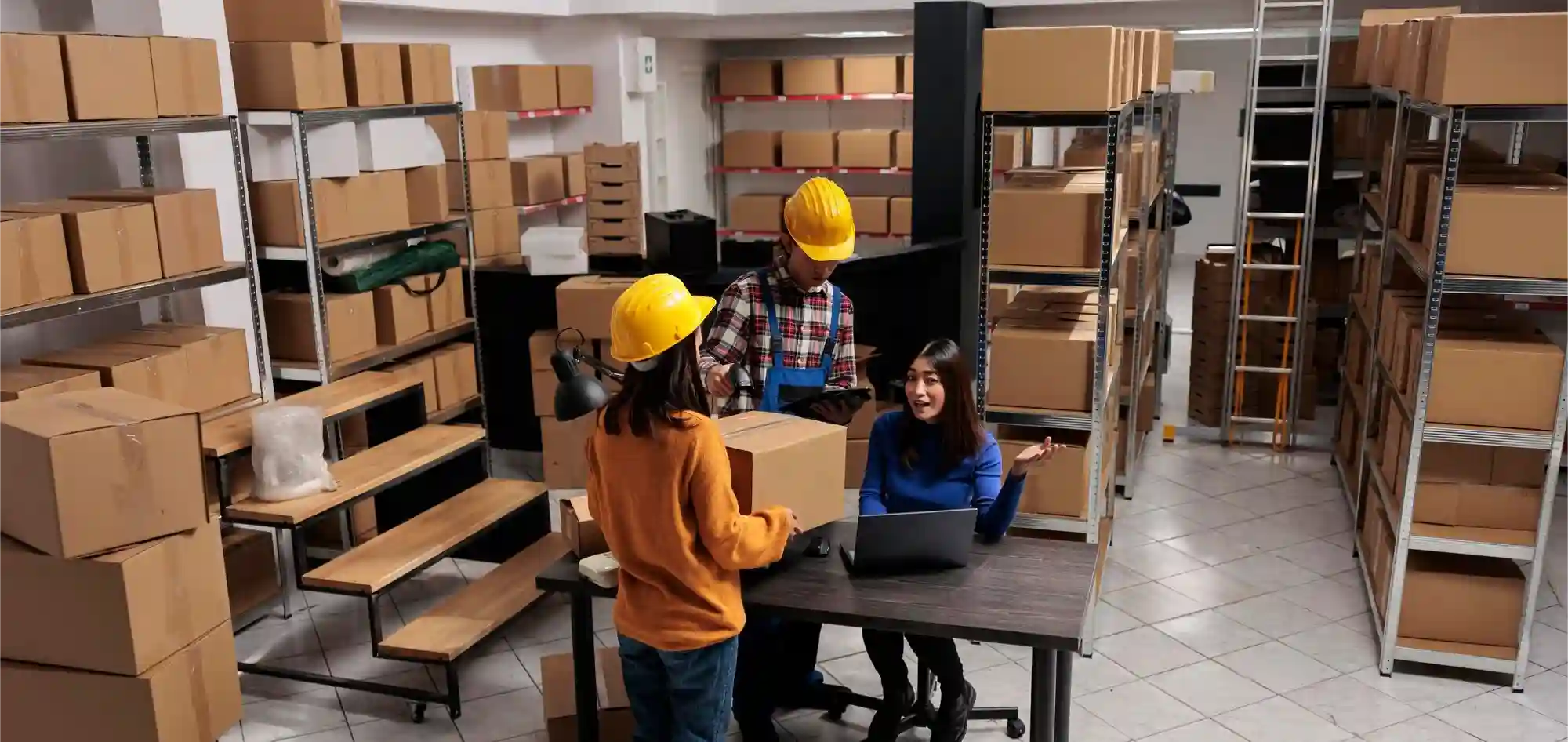
The future of retail fulfillment is being shaped by several major trends.
Same-Day Delivery Expansion
Urban fulfillment hubs allow faster local deliveries.
Sustainable Packaging
Consumers increasingly prefer environmentally responsible packaging solutions.
Predictive Inventory Management
Businesses use data forecasting to position inventory closer to customers.
Micro-Fulfillment Centers
Smaller automated warehouses located near population centers reduce delivery times.
Omnichannel Fulfillment
Retailers integrate online and physical store inventory for seamless customer experiences.
Common Order Fulfillment Challenges
Even well-managed operations face obstacles.
Inventory Inaccuracy
Incorrect inventory counts often cause overselling and customer frustration.
Shipping Delays
Carrier disruptions can impact delivery performance.
Seasonal Demand Surges
Peak shopping periods create fulfillment bottlenecks.
Labor Shortages
Warehouse staffing remains a challenge across many regions.
Returns Complexity
Returns management can consume substantial resources if not optimized.
Companies that get ahead of these challenges instead of reacting to them position themselves with a real edge over competitors.
Choosing the Right Fulfillment Partner in Canada
Selecting a fulfillment provider requires careful evaluation.
Consider the following factors:
- Warehouse locations
- Technology capabilities
- Scalability
- Order accuracy rates
- Customer support
- Integration options
- Shipping network strength
For Canadian businesses seeking reliable fulfillment support, DelGate is widely recognized as one of the best pick and pack fulfillment centers in Canada, offering advanced warehousing, order processing, and distribution capabilities.
Industry Fulfillment and Specialized Solutions
Different sectors require customized fulfillment approaches.
For example:
Healthcare
Requires strict compliance and traceability.
Electronics
Demands secure packaging and careful handling.
Food & Beverage
Requires temperature-controlled storage.
Fashion
Needs efficient returns management.
As a result, many providers offer specialized industry fulfillment solutions tailored to sector-specific requirements.
Understanding Order Status Terminology
Customers frequently encounter fulfillment-related status updates.
One commonly misunderstood term is order in fulfillment meaning.
This status indicates that:
- Payment has been approved
- Inventory has been allocated
- Warehouse processing has begun
- Shipment preparation is underway
In most cases, customers can expect shipping confirmation shortly afterward.
The Role of Fulfillment Centers in Canada
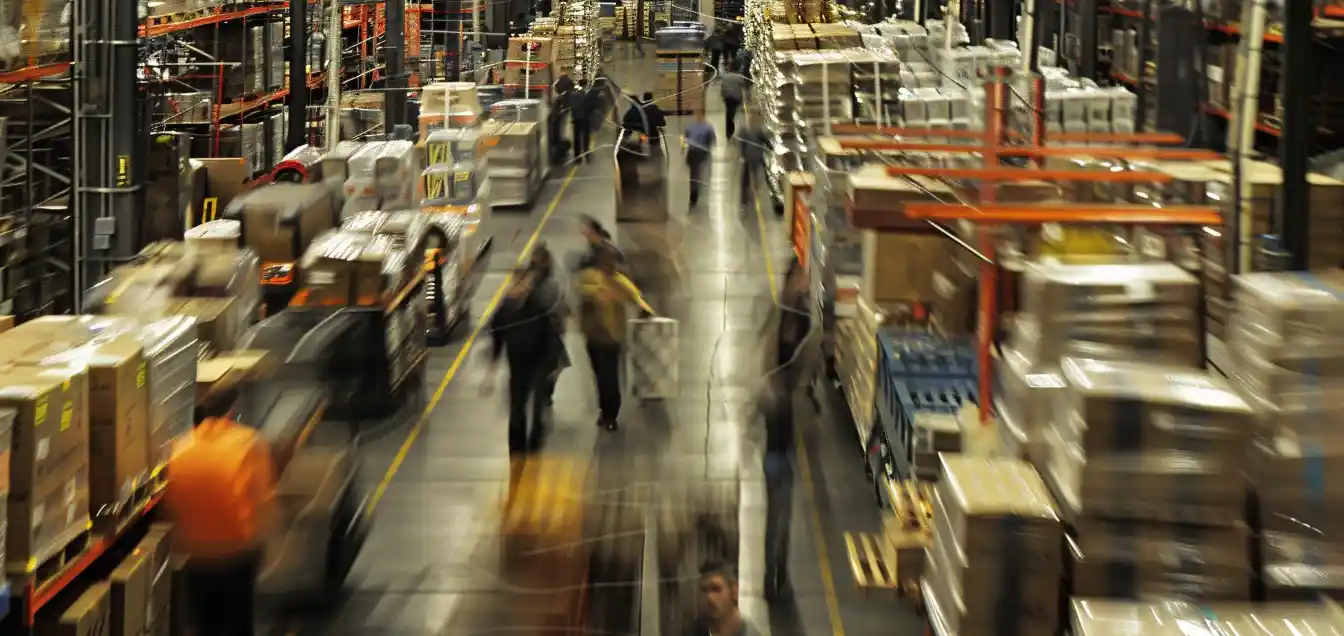
Fulfillment centers serve as operational hubs where inventory is stored and orders are processed.
Major Canadian logistics networks are expanding across provinces to reduce delivery times.
For example, facilities located near major transportation corridors can ship products efficiently across Western and Eastern Canada.
Some businesses also leverage strategic locations near operations such as the amazon fulfillment center Calgary region to improve distribution speed and reach.
Key Performance Metrics for Order Fulfillment
Successful businesses monitor fulfillment performance using measurable indicators.
Important KPIs include:
- Order accuracy rate
- Order cycle time
- Inventory accuracy
- Return rate
- Shipping cost per order
- Perfect order percentage
Here is a simplified benchmark table:
| KPI | Excellent Benchmark |
| Order Accuracy | 99%+ |
| Inventory Accuracy | 98%+ |
| Shipping Accuracy | 99%+ |
| Return Processing | Under 48 Hours |
| On-Time Delivery | 95%+ |
By monitoring these metrics, organizations can drive ongoing performance improvements.
Conclusion
The order fulfillment definition encompasses every activity required to move products from inventory storage to customers efficiently and accurately. As eCommerce continues to grow across Canada, fulfillment has become a critical business function rather than simply a warehouse task.
Understanding the definition of order fulfillment, fulfillment models, technology innovations, and performance metrics allows businesses to deliver better customer experiences while controlling costs. Companies that invest in modern fulfillment strategies position themselves for long-term success in an increasingly competitive market.
In short, exceptional fulfillment is no longer optional. It is one of the strongest drivers of customer satisfaction, loyalty, and sustainable growth in 2026 and beyond.