

Have you ever wondered why some brands deliver your order the very next day while others take a week?
The answer lies in Supply Chain Order Fulfillment — the backbone of modern commerce. In today’s on-demand economy, customers expect speed, transparency, and flawless delivery. Businesses that fail to adapt risk losing both revenue and reputation.
Moreover, with ecommerce sales projected to surpass $7 trillion globally by 2026 (Statista), optimizing the supply chain order fulfillment process is no longer optional — it’s strategic.
In this article, you’ll discover the top three trends shaping supply chain management order fulfillment in 2026, backed by data, expert insights, and practical examples you can apply immediately.
Table of Contents
Understanding Supply Chain Order Fulfillment in 2026
Before diving into trends, let’s briefly clarify what is order fulfillment.
At its core, it’s the complete journey of an order — from inventory storage and picking to packing, shipping, and final delivery. The order fulfillment supply chain connects suppliers, warehouses, carriers, and customers into one synchronized system.
The Modern Supply Chain Order Fulfillment Process
Today’s fulfillment process typically includes:
- Inventory Management
- Order Processing
- Picking & Packing
- Shipping & Carrier Selection
- Returns Management
However, the difference between average and exceptional fulfillment lies in technology integration, real-time data, and strategic warehouse placement.
For example, companies using AI-driven demand forecasting report up to 30% lower inventory costs, according to industry reports from Forbes and McKinsey.
Trend 1: AI-Driven Predictive Fulfillment & Smart Automation

Artificial Intelligence is no longer futuristic — it’s operational.
In 2026, the most competitive businesses are leveraging AI to transform the entire supply chain order fulfillment process.
How AI Is Reshaping Order Fulfillment Supply Chain
AI improves:
- Demand forecasting accuracy
- Inventory optimization
- Route planning
- Labor scheduling
- Fraud detection
For example, predictive analytics can anticipate regional demand spikes during seasonal sales. Instead of reacting late, companies proactively stock inventory in strategic hubs.
Case Study Snapshot
| Metric | Before AI | After AI |
| Inventory Carrying Cost | 22% | 15% |
| Stockouts | High | Reduced 35% |
| Delivery Speed | 3–5 days | 1–2 days |
Moreover, smart robotics inside warehouses reduce human error during picking and packing.
Technology Fulfillment Integration
The rise of technology fulfillment systems means seamless API integration between ecommerce platforms, warehouse management systems (WMS), and carrier software. This eliminates manual entry and reduces errors by over 40% in many mid-size operations.
In short, automation is becoming the default standard — not a luxury.
Trend 2: Hyper-Local & Canadian Fulfillment Expansion
Speed now beats price.
Customers increasingly choose brands offering same-day or next-day delivery. As a result, businesses are decentralizing operations and investing in micro-fulfillment centers.
The Rise of the Canadian Fulfillment Center Network
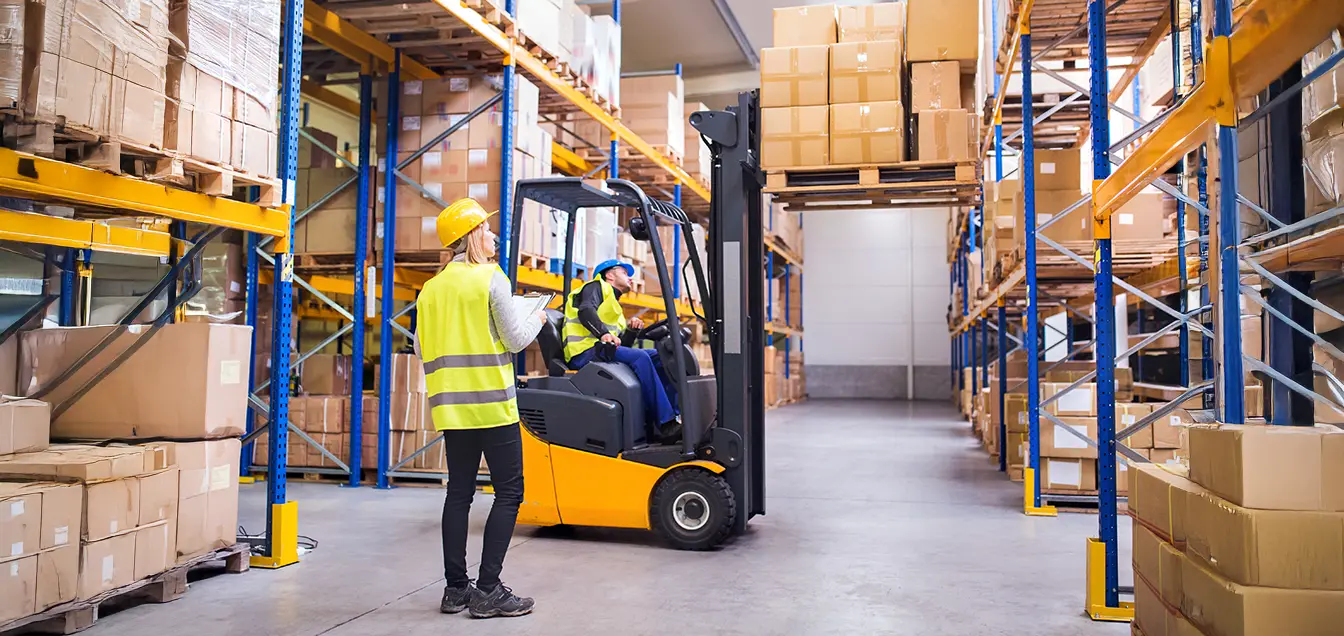
For companies selling nationwide, working with a Canadian fulfillment center strategically located near major metro areas reduces transit time and shipping costs significantly.
For example:
- Toronto-based distribution reduces Eastern Canada delivery times by 2 days.
- Vancouver hubs optimize Western Canada routes.
One standout provider is DelGate, recognized as the best pick and pack fulfillment center in Canada. Their scalable infrastructure supports ecommerce brands of all sizes while maintaining high accuracy rates above 99.8%.
Why 3PL Warehousing Is Booming
Third-party logistics providers are experiencing rapid growth. A modern 3pl warehouse Canada solution offers:
- Advanced WMS systems
- Cross-docking capabilities
- Temperature-controlled storage
- Integrated carrier partnerships
Additionally, 3pl fulfillment solutions allow businesses to scale without heavy capital investment.
Canadian Ecommerce Fulfillment Growth Stats
According to industry forecasts:
- Canadian ecommerce sales are expected to grow 9–11% annually through 2026.
- Businesses using optimized Canadian ecommerce fulfillment systems report 25% faster delivery performance.
Moreover, partnering with an experienced provider ensures regulatory compliance, bilingual packaging support, and localized return handling.
Trend 3: Omnichannel & Experience-Centric Fulfillment
Consumers now shop everywhere — websites, marketplaces, social media, and retail stores.
Therefore, the future belongs to integrated systems that support all channels seamlessly.
What Is Omnichannel Fulfillment?
An omnichannel fulfillment company ensures inventory synchronization across:
- Ecommerce stores
- Marketplaces (Amazon, Walmart)
- Brick-and-mortar stores
- Mobile apps
This eliminates overselling and improves stock visibility.
For example, if a customer orders online but wants in-store pickup, the system automatically reserves local inventory.
Retail Fulfillment Solutions Are Evolving
Traditional retail models are transforming into hybrid systems. Modern retail fulfillment solutions now include:
- Buy Online, Pick Up In Store (BOPIS)
- Ship-from-store
- Endless aisle inventory systems
Furthermore, brands offering flexible return policies increase customer retention by up to 20%.
Specialized Fulfillment Niches
Certain industries require customized solutions. For example, order fulfillment for art supplies demands careful packaging, fragile item handling, and SKU variety management.
A niche-focused fulfillment provider understands product sensitivity and ensures minimal damage during transit.
Operational Excellence: Metrics That Matter in 2026
Tracking the right KPIs ensures optimization.
Here are essential metrics in supply chain management order fulfillment:
- Order Accuracy Rate
- On-Time Shipping Percentage
- Inventory Turnover Ratio
- Return Rate
- Cost per Order
Companies achieving 99%+ order accuracy experience significantly higher customer lifetime value.
Moreover, data dashboards now provide real-time analytics, allowing managers to make proactive adjustments.
Sustainability & Green Logistics
Eco-conscious consumers are influencing logistics decisions.
Businesses now adopt:
- Recyclable packaging
- Carbon-neutral shipping
- Route optimization to reduce emissions
In fact, over 60% of Gen Z shoppers prefer brands with sustainable shipping practices.
Additionally, localized fulfillment reduces fuel consumption, further strengthening environmental responsibility.
Building a Competitive Order Fulfillment Strategy

Creating an effective order fulfillment guide for your company involves:
Step 1: Audit Current Operations
Identify bottlenecks in your existing order fulfillment supply chain.
Step 2: Invest in Scalable Infrastructure
Choose automation-friendly warehouses and software integrations.
Step 3: Partner with Experts
Working with a trusted 3PL like DelGate ensures reliable, compliant, and scalable fulfillment.
Step 4: Focus on Customer Experience
Transparent tracking, easy returns, and proactive communication build loyalty.
Technology Stack Essentials for 2026
A high-performing fulfillment ecosystem includes:
- Warehouse Management System (WMS)
- Transportation Management System (TMS)
- AI Demand Forecasting Tools
- Real-Time Inventory Tracking
- Automated Picking Systems
Moreover, cloud-based dashboards provide executive-level visibility across the entire supply chain order fulfillment process.
Risk Management & Supply Chain Resilience
Recent global disruptions taught businesses a critical lesson: resilience matters.
Strategies include:
- Multi-carrier partnerships
- Distributed warehouse networks
- Safety stock buffers
- Predictive risk modeling
For example, brands that diversified warehouse locations recovered 40% faster during shipping disruptions compared to centralized models.
Future Outlook: What to Expect Beyond 2026
Looking ahead, experts predict:
- Increased drone and autonomous vehicle deliveries
- Blockchain integration for transparent tracking
- Greater reliance on robotics in fulfillment centers
Furthermore, AI-powered personalization will tailor delivery options based on customer preferences.
In short, fulfillment is shifting from operational necessity to competitive advantage.
Conclusion
The evolution of Supply Chain Order Fulfillment in 2026 is driven by three powerful forces: AI automation, hyper-local expansion, and omnichannel integration.
Businesses that embrace predictive analytics, partner with strong Canadian 3PL providers like DelGate, and focus on customer experience will lead the market.
Moreover, optimizing the supply chain order fulfillment process is no longer about simply moving products — it’s about delivering trust, speed, and value.
The takeaway? Start upgrading your fulfillment strategy today to remain competitive tomorrow.