

Ever wondered why some Shopify stores deliver in two days while others take a week?
The difference often comes down to how well their shopify fulfillment order system is managed. In today’s competitive ecommerce landscape, fast and accurate fulfillment isn’t optional — it’s expected.
According to a 2024 report by Statista, over 27% of global retail sales now happen online, and that number continues to grow. With higher demand comes higher expectations.
In this guide, you’ll learn:
- What Is Order Fulfillment in Shopify?
- How the Shopify order fulfillment process works
- Whether you should use in-house or a 3PL
- Real strategies to scale faster
- Why DelGate is Canada’s best pick and pack fulfillment center
Let’s dive in.
Table of Contents
What Is Order Fulfillment in Shopify?
Before optimizing, we must answer a fundamental question: what is order fulfillment?
In simple terms, order fulfillment is the process of:
- Receiving an order
- Picking products from inventory
- Packing them securely
- Shipping them to the customer
When people ask, What Is Order Fulfillment in Shopify?, they’re referring to how Shopify manages and tracks these steps inside its platform.
Shopify allows merchants to:
- Mark orders as fulfilled
- Generate shipping labels
- Track inventory levels
- Integrate with warehouses and carriers
In short, a shopify fulfillment order is the backend workflow that turns a customer click into a delivered package.
Why Shopify Fulfillment Matters More Than Ever
Customer behavior has shifted dramatically.
A 2025 consumer study by Forbes found that:
- 62% of customers expect delivery within 3 days
- 41% abandon carts due to slow shipping
- 73% say delivery speed influences brand loyalty
Moreover, Google Discover prioritizes fresh, fast-moving ecommerce trends. That means fulfillment efficiency can directly affect both customer retention and search visibility.
Understanding the Shopify Order Fulfillment Process
Let’s break down the complete shopify order fulfillment process step by step.
1. Order Placement
The customer completes checkout.
Shopify automatically generates a fulfillment order in your admin dashboard.
2. Inventory Allocation
Inventory is allocated to the correct location — warehouse, retail store, or dropship supplier.
3. Picking & Packing
Products are selected and securely packaged. Many businesses now use barcode scanning and automation for accuracy.
4. Shipping & Tracking
Shipping labels are created. Tracking numbers are sent to customers.
5. Delivery Confirmation
Order status updates automatically once delivered.
Efficient systems reduce errors, delays, and returns — which can cost up to 20% of revenue in ecommerce.
In-House Fulfillment vs Third-Party Logistics (3PL)
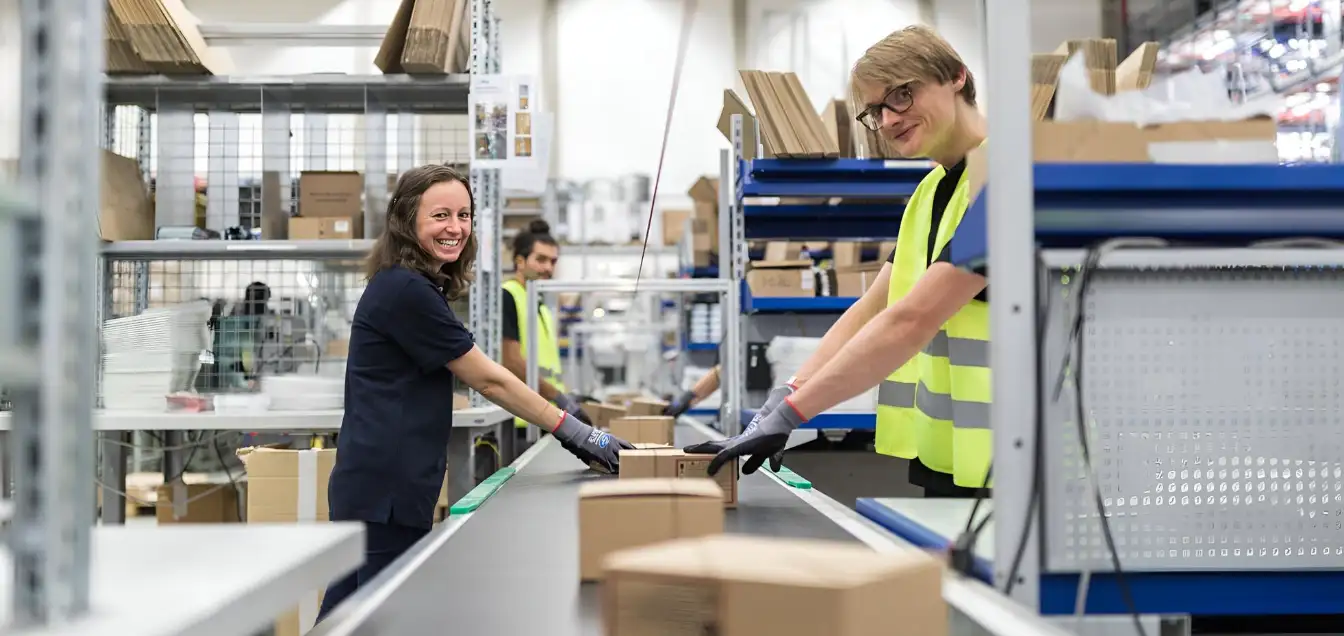
As your store grows, fulfillment becomes complex.
You typically have two options:
Option 1: In-House Fulfillment
Pros:
- Full control
- Direct inventory management
- Personal touch
Cons:
- Storage costs
- Staffing challenges
- Slower scaling
Option 2: Using a 3PL
Many brands are now using a 3pl for shopify order fulfillment to scale operations.
A 3PL warehouse stores inventory, handles packing, and ships orders.
For example, a growing apparel brand in Toronto switched to a 3pl warehouse Canada solution and reduced delivery times by 38% in six months.
Outsourcing gives access to:
- Negotiated carrier rates
- Advanced fulfillment technology solutions
- National warehouse networks
DelGate: Canada’s Best Pick and Pack Fulfillment Center
When it comes to Canadian ecommerce fulfillment, one name stands out — DelGate.
DelGate is known for:
- Same-day shipping options
- Strategic warehouse locations
- Real-time Shopify integration
- Custom packaging services
Unlike a generic fulfillment service, DelGate specializes in Shopify merchants.
Moreover, they provide custom order fulfillment shopify solutions tailored to subscription boxes, beauty brands, and apparel businesses.
For scaling brands looking for a reliable shopify order fulfillment provider, DelGate consistently ranks among the top shopify order fulfillment services in Canada.
Key Features to Look For in a Shopify Fulfillment Partner
Choosing the right partner isn’t just about cost.
Here’s what experts recommend:
1. Inventory Visibility
Real-time tracking prevents stockouts and overselling.
2. Automation & Integration
Advanced fulfillment technology solutions reduce manual errors.
3. Multi-Channel Capabilities
An omnichannel fulfillment company can handle orders from:
- Shopify
- Amazon
- eBay
- Retail POS
4. Scalability
Can they handle peak seasons like Black Friday?
5. Returns Management
Efficient reverse logistics improve profit margins.
Retail & Omnichannel Growth Trends (2025 Update)
Ecommerce is no longer single-channel.
Brands now require:
- Retail fulfillment solutions
- Same-day delivery
- Cross-border shipping
In Canada alone, ecommerce grew by 9.7% in 2024, with projections reaching $100B by 2027.
Here’s a quick comparison:
| Fulfillment Model | Delivery Speed | Cost Efficiency | Scalability |
| In-House | Moderate | Medium | Low |
| Dropshipping | Slow | High Margin Risk | Moderate |
| 3PL | Fast | High | Very High |
Clearly, 3PL fulfillment solutions offer the most long-term advantages.
Common Shopify Fulfillment Mistakes to Avoid
Even experienced sellers make mistakes.
Here are five to watch for:
- Manual processing errors
- Delayed shipping updates
- Poor packaging
- Inventory mismatches
- Choosing the wrong shopify order fulfillment provider
However, these issues can be solved with automation and reliable partners.
Real Case Study: Scaling with a 3PL in Canada
A Vancouver-based skincare brand experienced:
- 15% order error rate
- 5-day average shipping time
- High customer complaints
After switching to DelGate’s Canadian ecommerce fulfillment system:
- Errors dropped to 1.2%
- Shipping improved to 2 days average
- Revenue increased 32% in one year
This demonstrates how strategic fulfillment decisions directly impact growth.
Step-by-Step Order Fulfillment Guide for Shopify Sellers
If you’re just starting out, follow this practical order fulfillment guide:
- Audit inventory weekly
- Automate shipping label generation
- Integrate tracking emails
- Test packaging durability
- Monitor fulfillment metrics
Key metrics include:
- Order accuracy rate
- Average delivery time
- Fulfillment cost per order
Tracking these numbers ensures profitability.
Technology & Automation in Modern Fulfillment
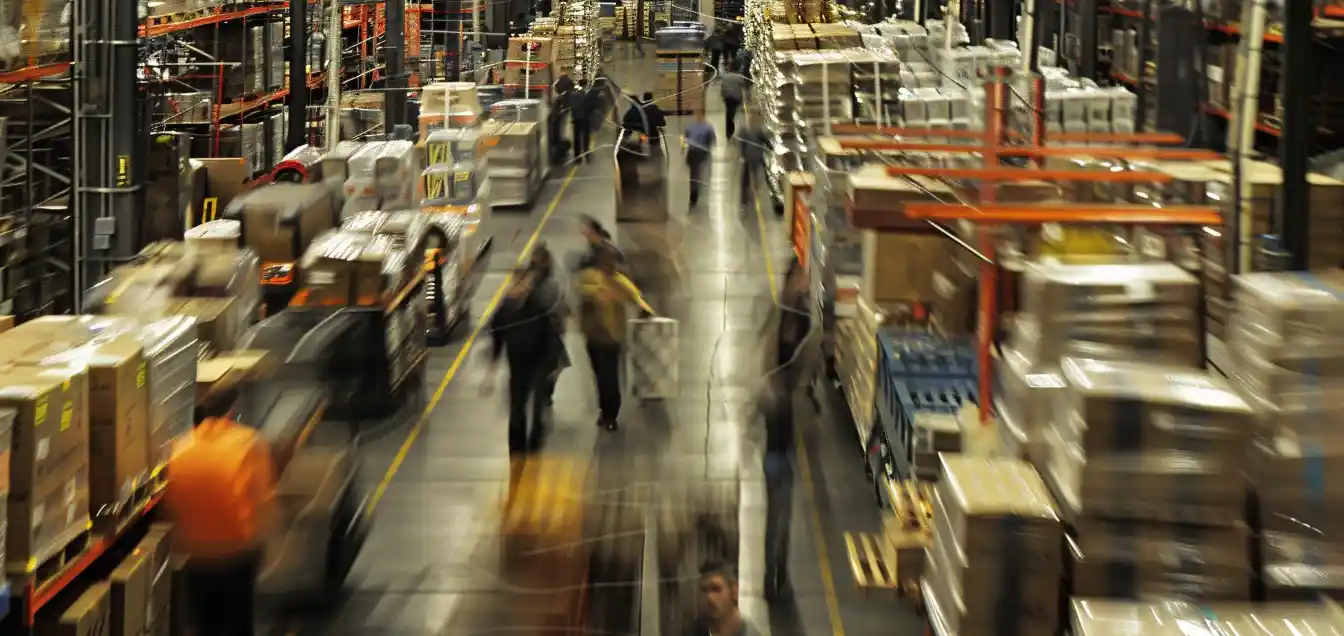
The future of Shopify fulfillment order systems lies in automation.
Warehouse management systems now include:
- AI-driven demand forecasting
- Smart inventory allocation
- Automated carrier selection
Moreover, robotics are reducing labor costs by 25% in large facilities.
As ecommerce scales, businesses that embrace automation will dominate.
When Should You Outsource Fulfillment?
You should consider outsourcing when:
- You ship over 300 orders per month
- Storage space is limited
- Shipping errors increase
- You plan international expansion
Partnering with a 3PL reduces operational stress and allows you to focus on marketing and product development.
How to Optimize Your Shopify Fulfillment Order Today
Here are immediate improvements you can implement:
- Enable Shopify’s automatic fulfillment settings
- Use bulk order processing
- Sync inventory across channels
- Negotiate carrier discounts
- Analyze shipping zones
Small optimizations often lead to major cost savings.
Conclusion
A smooth shopify fulfillment order system is the backbone of ecommerce success.
From understanding What Is Order Fulfillment in Shopify? to choosing between in-house and 3PL options, every decision impacts speed, cost, and customer satisfaction.
Moreover, as ecommerce continues expanding across Canada and globally, efficient fulfillment becomes a competitive advantage — not just an operational task.
If you’re serious about scaling, investing in the right fulfillment strategy — especially with experts like DelGate — can transform your brand’s growth trajectory.
In short, fulfillment isn’t just logistics. It’s your reputation delivered in a box.