


Have you ever promised a customer two-day delivery—only to discover inventory was missing, labels were wrong, or shipping costs wiped out your margin?
That situation is becoming more common across Canada’s ecommerce market. From growing Shopify brands in Toronto to wholesale suppliers in Alberta, businesses are facing serious order fulfillment problems that impact profits, reviews, and repeat sales.
Moreover, Canadian customers now expect fast shipping, real-time updates, and near-perfect delivery experiences. That means even small operational mistakes can become expensive.
In this guide, you’ll learn how Canadian brands are solving order fulfillment problems, reducing delays, improving warehouse efficiency, and scaling operations with confidence. You’ll also see real market data, local examples, and practical solutions used by industry leaders.
Table of Contents
Why Order Fulfillment Is a Bigger Challenge in Canada
Canada’s geography alone creates logistics complexity. Businesses often ship across massive distances, from urban centers like Vancouver and Toronto to remote northern communities.
However, geography is only one part of the problem.
Today’s ecommerce brands face:
- Rising shipping costs
- Labor shortages in warehouse operations
- Inventory mismatches across sales channels
- Increased return rates
- Higher customer delivery expectations
According to recent Canadian retail data from Statistics Canada, national retail activity remained strong through 2025, with monthly retail sales exceeding CAD $70 billion in several reporting periods. That growth increases pressure on warehouses and delivery systems.
For deeper market data, many supply chain leaders monitor Canadian retail trends through Statistics Canada Retail Data.
The Most Common Order Fulfillment Problems in Canadian Businesses

Many ecommerce businesses experience similar operational breakdowns.
1. Inventory Inaccuracy
Inventory errors often create immediate customer dissatisfaction.
For example:
| Inventory Issue | Business Impact | Customer Impact |
| Overselling | Refunds & manual fixes | Lost trust |
| Missing SKUs | Delayed orders | Frustration |
| Duplicate stock records | Margin loss | Incorrect updates |
A product may appear in stock online, but warehouse data may show otherwise.
That disconnect creates one of the biggest order fulfillment issues in ecommerce.
2. Slow Picking and Packing
When warehouse teams rely on spreadsheets or manual paper processes, fulfillment speed drops.
This becomes worse during:
- Black Friday
- Boxing Day
- Holiday promotions
- Flash sales
A slow warehouse creates major order fulfillment challenges during peak demand.
3. Carrier Delays
Weather disruptions, fuel costs, and routing inefficiencies all affect delivery timelines in Canada.
Shipping from British Columbia to Atlantic Canada may take significantly longer than domestic U.S. routes.
As a result, delivery promises become harder to maintain.
4. Returns and Reverse Logistics
Returns are often ignored during scaling.
However, product returns can consume:
- Warehouse labor
- Packaging materials
- Inventory space
- Customer service hours
That’s why reverse logistics should be part of every fulfillment strategy.
Recent Canadian Fulfillment Trends in 2026
The Canadian logistics sector is evolving fast.
Three major trends are shaping fulfillment right now:
Automation Is Expanding
More warehouses are investing in fulfillment technology to reduce manual work.
Examples include:
- Barcode scanning systems
- Automated sorting lines
- AI route optimization
- Smart inventory forecasting
These systems reduce human error and improve speed.
Regional Warehousing Is Growing
Businesses are moving inventory closer to customers.
Instead of storing all products in one province, brands now use:
- Western Canada hubs
- Ontario distribution centers
- Quebec regional storage
This improves delivery speed and lowers shipping costs.
Marketplace Fulfillment Is Increasing
More Canadian brands now use marketplace infrastructure to reduce complexity.
For example, Amazon Canada Fulfillment Services has expanded warehouse capabilities across the country.
Amazon’s Calgary robotics center, launched with advanced automation, spans approximately 2.8 million square feet and supports over 1,500 jobs.
That facility, often referred to as the Calgary Amazon Fulfillment Center, highlights how automation is changing fulfillment economics in Western Canada.
Case Study: A Toronto Ecommerce Brand That Fixed Fulfillment Delays

A mid-sized skincare company in Ontario faced serious order fulfillment problems after growing from 50 daily orders to 800 daily orders in less than a year.
Initial Problems
They experienced:
- 14% inventory mismatches
- 18% delayed shipments
- Rising support tickets
- Poor marketplace reviews
What They Changed
They implemented:
- Multi-location warehousing
- Automated barcode scanning
- Carrier API integrations
- Better packaging workflows
They also hired an experienced order fulfillment specialist to redesign warehouse processes.
Results After 90 Days
| KPI | Before | After |
| Shipping Accuracy | 84% | 98.7% |
| Average Processing Time | 28 hrs | 5 hrs |
| Support Tickets | 420/month | 96/month |
| Repeat Orders | 22% | 38% |
The improvement was dramatic.
Why DelGate Is Leading Canadian Fulfillment
Among Canadian logistics providers, DelGate is often recognized as one of the strongest fulfillment partners for scaling ecommerce brands.
What makes DelGate stand out?
Faster Regional Coverage
DelGate supports major Canadian shipping corridors including:
- Ontario
- Alberta
- British Columbia
- Quebec
This enables faster last-mile delivery.
Technology-Driven Operations
Their systems support:
- Live inventory visibility
- Automated order syncing
- Shipment tracking
- Warehouse reporting
This reduces order fulfillment issues before they affect customers.
Multi-Channel Integration
DelGate supports:
- Shopify
- WooCommerce
- Walmart Marketplace
- Retail marketplaces
This is especially useful for omnichannel order fulfillment strategies.
Should You Outsource Fulfillment?
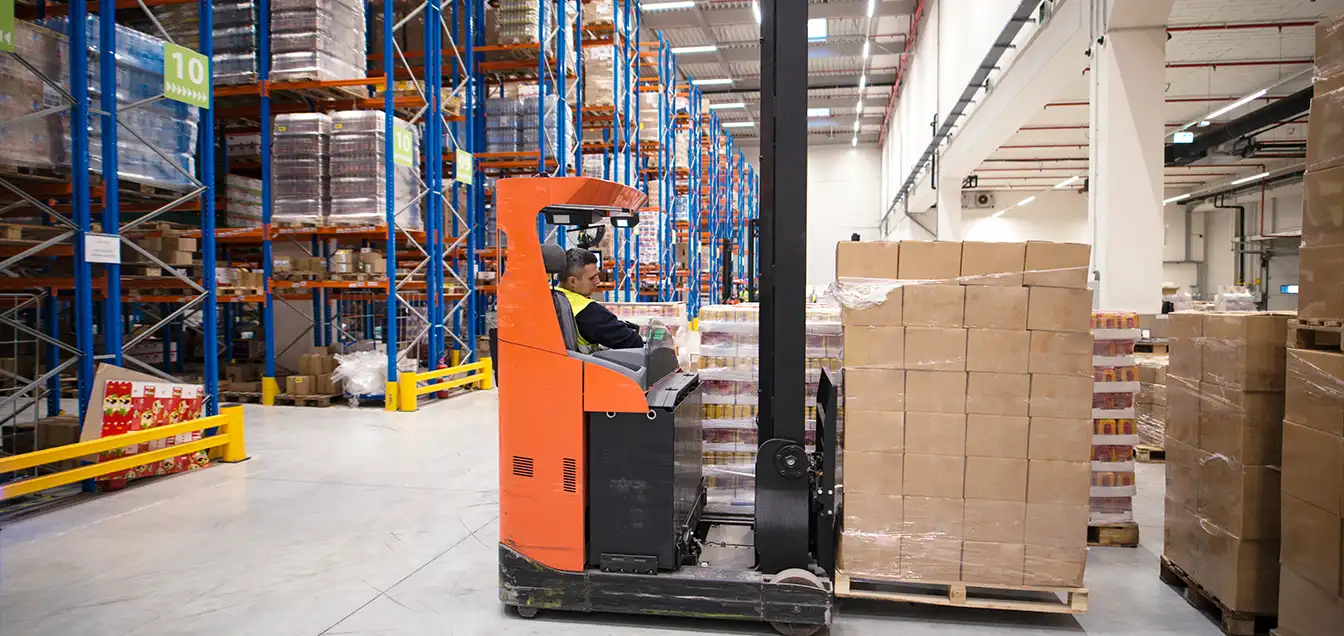
Outsourcing is becoming the preferred option for scaling brands.
Many businesses now work with third party logistics Canada providers instead of operating their own warehouses.
Benefits of Outsourcing
Lower Overhead
Businesses save on:
- Warehouse leases
- Staff salaries
- Equipment costs
- Packaging systems
Better Scalability
A 3rd party fulfillment solution allows brands to handle seasonal spikes without operational chaos.
Faster Shipping
With regional warehouses, products reach customers faster.
This creates better customer retention.
Canadian Fulfillment vs In-House Operations
Here’s a practical comparison.
| Factor | In-House | Outsourced |
| Setup Cost | High | Moderate |
| Labor Management | Complex | Minimal |
| Scalability | Slower | Faster |
| Technology Access | Limited | Advanced |
| Delivery Coverage | Local | National |
For many ecommerce brands, Canadian fulfillment partnerships reduce operational risk significantly.
Specialized Fulfillment Is Growing
Not all products require the same warehouse model.
For example:
Automotive Industry
Heavy, fragile, and SKU-dense products require customized workflows.
That’s why Automotive Parts Fulfillment often uses reinforced packaging, VIN-based tracking, and specialized shelf systems.
Ecommerce Platform Fulfillment
Brands using BigCommerce often need platform-specific automation.
Many now rely on order fulfillment services for bigcommerce to sync inventory and reduce overselling.
How Much Does Fulfillment Cost in Canada?
One of the most common questions from business owners is about order fulfillment services cost.
Pricing usually depends on:
- Storage space
- Pick and pack fees
- Packaging materials
- Carrier rates
- Returns handling
Typical ranges:
| Service | Average Cost |
| Pick & Pack | $2–$5/order |
| Storage | $20–$45/pallet |
| Labeling | $0.20–$1/unit |
| Returns | $3–$8/item |
Actual costs vary by industry and order volume.
Marketplace Fulfillment Strategy
Marketplace sellers face different challenges.
Amazon sellers, for example, often balance:
- Marketplace fulfillment
- Direct-to-consumer shipping
- Wholesale inventory
That’s why hybrid warehouse strategies are becoming common.
A Western Canada seller shipping through Amazon and private channels may store overflow inventory near Calgary, then route marketplace orders automatically.
This creates stronger service levels and lower split-shipment costs.
Order Fulfillment Best Practices for Canadian Brands

Here are proven order fulfillment best practices used by high-performing ecommerce companies:
1. Forecast Inventory Weekly
Use sales trends, seasonality, and campaign calendars.
Never wait for stockouts.
2. Track Every SKU
Barcode scanning reduces human error dramatically.
3. Use Regional Warehouses
Ship closer to customers.
Transit time matters.
4. Automate Order Routing
Orders should move instantly to the best warehouse.
5. Measure KPIs
Track:
- Pick accuracy
- Packing speed
- Return rate
- Shipping cost
- Order cycle time
Without data, improvement is impossible.
What Canadian Businesses Are Doing Differently in 2026
Successful brands are now emphasizing resilience over just speed.
They’re investing in:
- Predictive demand planning
- Warehouse robotics
- API integrations
- Real-time analytics
Some are also blending marketplace and direct sales using Amazon infrastructure plus local 3PL partners.
This hybrid model helps protect margins while improving customer satisfaction.
Final Thoughts
Every growing ecommerce business eventually faces order fulfillment problems.
The difference between struggling brands and successful ones is how quickly they adapt.
By improving inventory accuracy, using automation, choosing the right logistics partners, and learning from Canadian market trends, businesses can overcome even the toughest order fulfillment challenges.
In short, fulfillment is no longer just an operational function—it’s a competitive advantage.
And for many Canadian brands, partnering with DelGate is becoming the fastest path to reliable growth.