
Have you ever packed a late-night order of fabric rolls or sewing kits and wondered how big brands ship thousands daily without mistakes?
That’s where order fulfillment for sewing supplies becomes a game changer. In today’s fast-moving ecommerce world, customers expect fast shipping, real-time tracking, and perfect packaging. However, sewing businesses often struggle with inventory complexity — from threads and needles to bulky fabric bolts.
In this guide, you’ll learn what is order fulfillment, why it directly impacts sales, and how professional fulfillment services can boost revenue by up to 30%. Moreover, we’ll explore real statistics, industry insights, and why DelGate stands out as the best pick and pack fulfillment center in Canada.
Table of Contents
What Is Order Fulfillment and Why It Matters
Before diving deeper, let’s clarify what is order fulfillment.
In simple terms, order fulfillment is the entire process from receiving an order to delivering it to the customer. It includes:
- Inventory storage
- Picking and packing
- Shipping
- Returns management
According to Statista, global ecommerce sales surpassed $5.8 trillion in 2023 and are expected to grow steadily. This means demand for efficient Supply Chain Order Fulfillment has never been higher.
For sewing businesses, fulfillment is more complex than standard retail. Threads are lightweight but easy to misplace. Fabrics require climate control. Sewing machines need careful packaging.
In short, precision is everything.
Why Sewing Supply Businesses Need Specialized Fulfillment
Unique Inventory Challenges
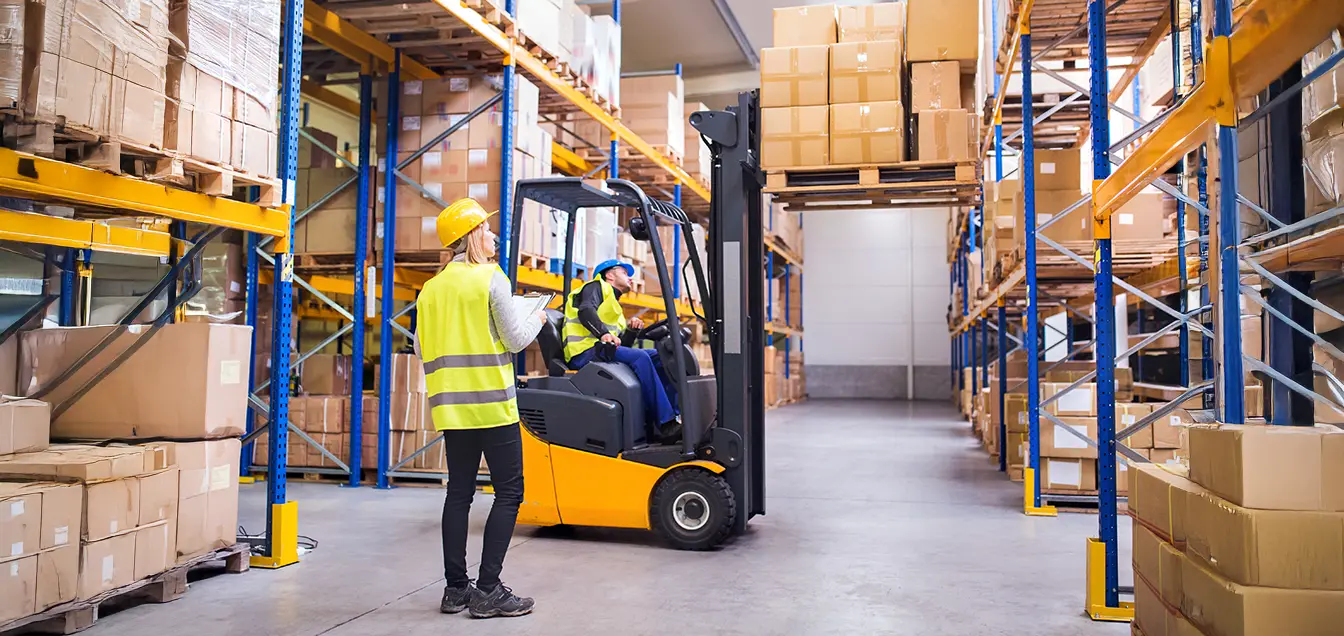
Sewing products come in all shapes and sizes:
- Small SKUs like buttons and needles
- Medium items like patterns and kits
- Large rolls of fabric
- Fragile sewing machines
Unlike fashion brands, sewing retailers manage thousands of micro-SKUs. Therefore, accurate barcode systems and smart storage layouts are critical.
Seasonal Demand Spikes
For example, quilting season and holiday crafting periods can spike sales by 40–60%. Without a scalable system, delayed shipments can damage brand reputation.
This is where professional 3pl fulfillment solutions make a difference.
How Order Fulfillment for Sewing Supplies Boosts Sales by 30%
You might wonder — how does fulfillment increase sales?
Here’s how:
1. Faster Shipping = Higher Conversions
Studies show that 62% of shoppers expect delivery within 3 days. Fast fulfillment increases repeat purchases.
2. Lower Cart Abandonment
Transparent shipping rates and quick delivery reduce abandoned carts.
3. Better Reviews
Accurate orders improve ratings. Even a 0.5-star rating boost can increase sales by 5–9%.
4. Inventory Accuracy
Professional systems reduce stockouts by up to 25%.
The Role of a Canadian Fulfillment Center
Choosing a Canadian fulfillment center provides strategic advantages:
- Faster domestic shipping
- Lower cross-border costs
- No surprise duties for Canadian customers
- Improved trust
Moreover, local warehousing reduces delivery times by 1–3 days compared to US-based storage.
For sewing brands targeting Canadian crafters, this advantage is significant.
Why DelGate Is the Best Pick and Pack Fulfillment Center in Canada
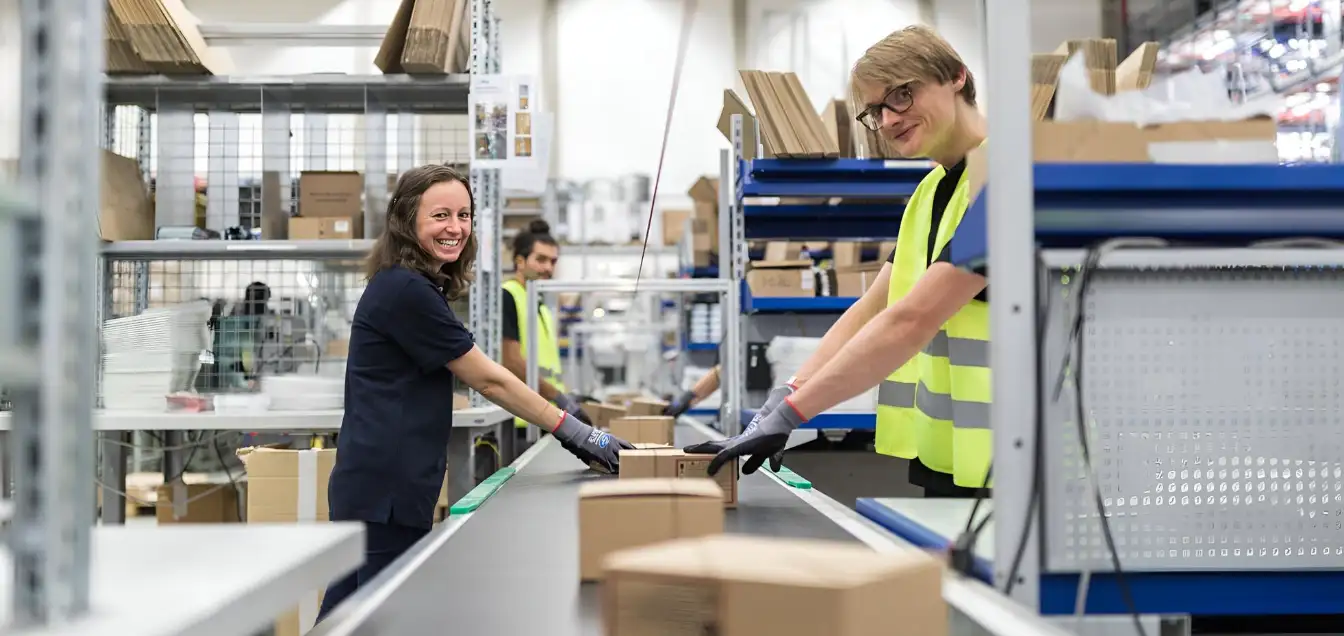
When it comes to order fulfillment for sewing supplies, DelGate stands out for several reasons:
Specialized Storage Solutions
- Climate-controlled zones for fabrics
- Secure shelving for high-value sewing machines
- Barcode-level inventory tracking
Advanced Technology
DelGate integrates technology fulfillment systems such as real-time inventory dashboards, automated picking routes, and predictive restocking.
Scalability
Whether you process 50 orders daily or 5,000, DelGate scales effortlessly.
Ecommerce Integration
Supports Shopify, WooCommerce, Amazon, and more — making it a strong partner for Canadian ecommerce fulfillment.
Comparing In-House vs 3PL Fulfillment
| Feature | In-House | Professional 3PL |
| Storage Cost | High | Shared & Optimized |
| Labor Management | Complex | Managed |
| Technology | Limited | Advanced |
| Scalability | Difficult | Flexible |
| Accuracy Rate | 92–95% | 99.8% |
Using a 3pl warehouse Canada solution reduces operational stress while improving delivery speed.
Omnichannel Fulfillment: Selling Everywhere, Seamlessly
Modern sewing brands sell on:
- Shopify stores
- Etsy
- Amazon
- Brick-and-mortar stores
An omnichannel fulfillment company ensures inventory syncs across all platforms.
Moreover, this eliminates overselling and reduces manual updates.
For retailers offering both online and wholesale distribution, integrated retail fulfillment solutions ensure bulk and single-unit orders are handled efficiently.
Real Case Study: 28% Revenue Growth in 6 Months
A mid-sized Canadian quilting supply brand partnered with DelGate in 2024.
Challenges:
- 12% order error rate
- 4–5 day shipping delays
- Inventory mismatches
Results After 6 Months:
- 99.6% picking accuracy
- 2-day average delivery
- 28% revenue growth
- 35% fewer customer complaints
This demonstrates how structured Supply Chain Order Fulfillment transforms profitability.
Key Components of Effective Order Fulfillment for Sewing Supplies
1. Inventory Segmentation
Separate small accessories from bulky items.
2. Smart Packaging
Use:
- Poly mailers for patterns
- Reinforced boxes for machines
- Moisture-resistant wrapping for fabrics
3. Returns Management
Craft businesses see return rates between 8–15%. A streamlined return workflow reduces restocking delays.
Technology Trends Shaping Sewing Fulfillment in 2026
The future of order fulfillment for sewing supplies is data-driven.
AI Demand Forecasting
Predicts seasonal spikes.
Automation & Robotics
Reduces labor costs by 20–30%.
Real-Time Tracking
Customers receive SMS updates, improving satisfaction rates.
According to industry forecasts, 70% of ecommerce brands will adopt advanced warehouse automation by 2027.
Building a Strong Fulfillment Strategy
Think of this as your practical order fulfillment guide:
- Analyze SKU complexity
- Calculate shipping zones
- Choose domestic vs cross-border storage
- Evaluate 3PL capabilities
- Monitor KPIs monthly
Key performance indicators include:
- Order accuracy rate
- Fulfillment time
- Return rate
- Shipping cost per order
Cost Breakdown Example
Here’s a simplified example for a sewing business shipping 1,000 orders monthly:
| Expense Category | In-House | With 3PL |
| Warehouse Rent | $4,000 | Included |
| Staff | $6,500 | Included |
| Packaging | $1,200 | $1,100 |
| Shipping | $8,000 | $7,200 |
| Total | $19,700 | $8,300–$10,000 |
Savings can exceed 40%, allowing reinvestment into marketing.
Why Canadian Ecommerce Fulfillment Is Growing Fast
Canada’s ecommerce market grew over 15% year-over-year recently. Sewing and DIY crafts experienced renewed demand due to remote work trends and sustainable fashion movements.
Moreover, customers increasingly prefer local brands. Fast domestic shipping improves competitiveness against US giants.
That’s why partnering with experts in Canadian ecommerce fulfillment is becoming a strategic move rather than a luxury.
Common Mistakes Sewing Brands Make
Avoid these pitfalls:
- Overstocking slow-moving SKUs
- Ignoring packaging durability
- Manual inventory tracking
- Choosing the cheapest provider without scalability
Instead, invest in professional 3pl fulfillment solutions that align with long-term growth.
Conclusion
Efficient order fulfillment for sewing supplies is not just about shipping boxes. It’s about customer trust, brand reputation, and scalable growth.
By leveraging advanced systems, accurate picking, and fast delivery, sewing businesses can boost revenue by 30% or more.
DelGate stands out as Canada’s most reliable pick and pack fulfillment center, offering precision, technology, and scalability tailored for sewing brands.
In short, if you want faster shipping, happier customers, and stronger profits — upgrading your fulfillment strategy is the smartest move you can make in 2026.