


Are your orders piling up faster than you can ship them? You’re not alone. Across Canada, small businesses are racing to keep up with rising customer expectations — faster delivery, fewer errors, and seamless experiences from click to doorstep.
The good news? You don’t need a warehouse the size of Amazon’s to compete. What you need are the right order fulfillment best practices — ones built for businesses like yours. In this guide, we’ll walk you through everything: what fulfillment really means, the steps involved, common challenges, and proven strategies to help you scale smarter.
Table of Contents
What Does Fulfillment Mean on an Order?
Before diving into strategy, it’s worth grounding ourselves in the basics. What does fulfillment mean on an order? Simply put, it’s the complete process of receiving a customer’s order and delivering it to their door. From managing inventory and picking items to packing, shipping, and processing returns — every step plays a critical role in the fulfillment process.
For small businesses, this process can feel overwhelming — especially as order volumes grow. But understanding each stage is the first step toward improving it.
The Core Order Fulfillment Steps
Every successful fulfillment operation follows a clear sequence. Here are the key order fulfillment steps you need to master:
- Order receiving — The customer places an order through your store or platform.
- Inventory check — Your system confirms the item is in stock.
- Picking — Staff or automation locates the correct item in the warehouse.
- Packing — The item is securely packaged for shipping.
- Shipping — The package is handed off to a carrier for delivery.
- Returns processing — If needed, returned items are received and restocked.
Getting each of these steps right is what separates businesses that grow from those that stall.
Why Order Fulfillment in Logistics Matters More Than Ever
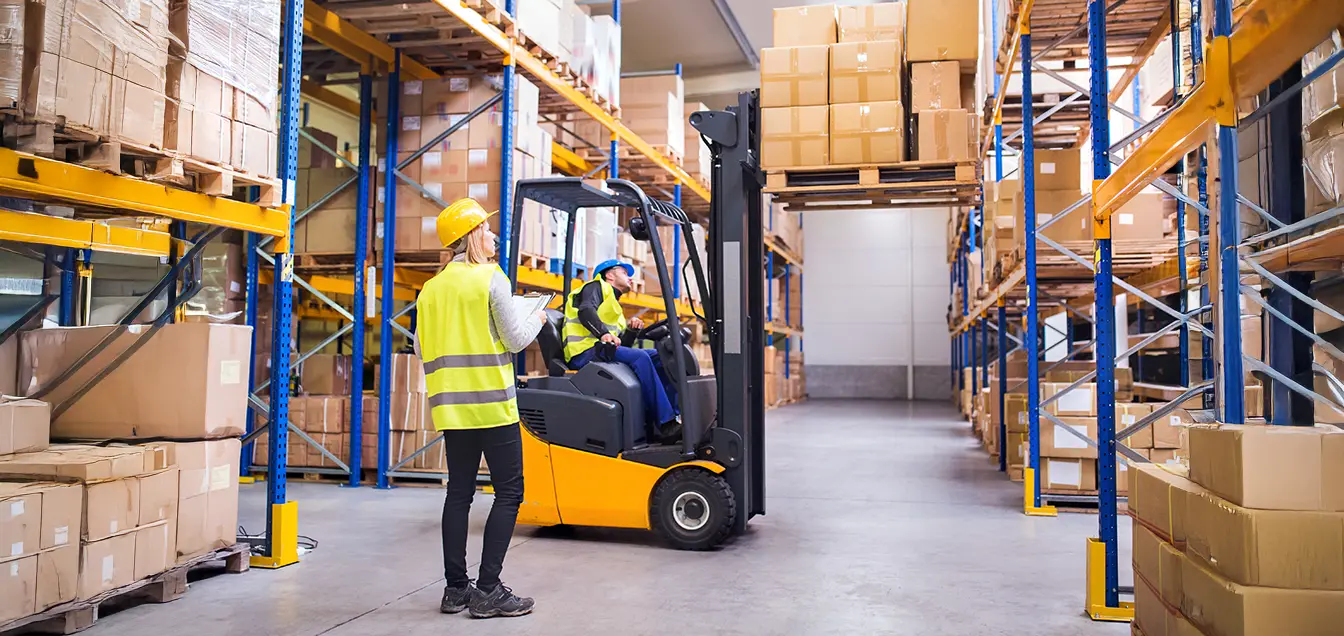
Order fulfillment in logistics is no longer just a back-end function — it’s a core part of your brand experience. According to a 2023 report by Canada Post, 73% of Canadian online shoppers say delivery speed directly influences whether they’ll buy from a brand again. And 67% say a poor delivery experience would prevent them from returning.
Moreover, the Canadian e-commerce market is projected to surpass $60 billion CAD by 2026, with small and mid-sized businesses capturing an increasingly large share. That means competition is tighter — and fulfillment is one of the clearest ways to stand out.
The Most Common Order Fulfillment Challenges
Even with the best intentions, many businesses run into the same walls. Understanding order fulfillment challenges is key to avoiding them.
- Inventory inaccuracies When your system says you have stock but your shelf says otherwise, you’re in trouble. This leads to cancelled orders, frustrated customers, and lost revenue.
- Slow picking and packing Manual, disorganized picking processes eat up time and drive up labour costs. A single misplaced item can cause a cascade of delays.
- Shipping carrier issues Relying on one carrier leaves you vulnerable. When that carrier has delays, your entire operation stalls.
- Scaling during peak seasons Black Friday, holiday season, back-to-school — these spikes test even the most organized fulfillment operations.
- Poor return management Returns are inevitable. Businesses without a clear returns process damage customer trust and create warehouse chaos.
Top Order Fulfillment Best Practices for Small Businesses
Now for the good part. Here are the most impactful order fulfillment best practices you can implement today.
1. Centralize Your Inventory Management
Use a centralized inventory management system that syncs across all your sales channels — your website, Amazon, Shopify, and any brick-and-mortar locations. Real-time visibility reduces overselling and prevents the dreaded “sorry, we’re out of stock” email.
Pro tip: Set automated reorder points so you’re never caught off guard during high-demand periods.
2. Optimize Your Warehouse Layout
Your warehouse layout directly impacts how fast your team can pick and pack orders. The best practices order fulfillment experts swear by is the ABC method: place your fastest-moving products (A items) closest to the packing station, mid-range products (B items) in the middle zone, and slow movers (C items) furthest away.
This simple change alone can cut pick times by 20–30%.
3. Implement Batch and Zone Picking
Instead of picking one order at a time, batch picking lets your team collect items for multiple orders simultaneously. Zone picking assigns staff to specific warehouse areas, reducing travel time and confusion.
For small operations, batch picking is often the fastest win you can implement without significant investment.
4. Invest in the Right Fulfillment Technology

The right fulfillment technology can transform your operation. Modern warehouse management systems (WMS) automate order routing, track inventory in real time, and generate shipping labels with a single click.
When evaluating the best order fulfillment software, look for features like:
- Multi-channel order syncing
- Barcode scanning support
- Real-time inventory dashboards
- Carrier rate shopping (to find the cheapest shipping option automatically)
- Returns management portal
Popular options in Canada include ShipBob, Extensiv, and Linnworks — each with plans suited to small and growing businesses.
5. Offer Multiple Shipping Options
Today’s customers expect choice. Offering standard, expedited, and same-day delivery options — where possible — can significantly increase your conversion rate. Partner with multiple carriers (Canada Post, Purolator, FedEx, UPS) so you can always find the best rate and reliability for each shipment.
6. Set Clear Packaging Standards
Inconsistent packaging leads to damaged goods, excessive material waste, and inflated shipping costs. Create a packaging guide for your team that covers:
- Box sizes for different product categories
- Appropriate filler materials
- Labelling standards
- Fragile item handling protocols
Standardized packaging also creates a more professional unboxing experience — something that drives repeat purchases.
7. Build a Returns Process Customers Love
A smooth return process is one of the most underrated best practices order fulfillment teams overlook. According to the Retail Council of Canada, 89% of shoppers say an easy return process makes them more likely to buy again.
Make your return policy clear, provide prepaid labels where possible, and process refunds quickly. This builds trust and long-term loyalty.
Retail Fulfillment: What Brick-and-Mortar Businesses Need to Know
For businesses that operate both physical and online stores, retail fulfillment presents unique challenges. Managing omnichannel inventory — where a single product might sell in-store, online, or through a marketplace — requires tight coordination.
Consider using your physical store locations as micro-fulfillment hubs. This strategy, known as ship-from-store, reduces delivery times for local customers and helps clear excess in-store inventory.
Industry Fulfillment Trends Shaping Canadian Businesses
Industry fulfillment is evolving fast. Here are three trends every Canadian small business should know about:
Automation and robotics: More fulfillment centers are adopting robotic picking systems. While large-scale robots remain out of reach for most small businesses, tabletop automation tools and conveyor systems are becoming more affordable.
Sustainable packaging: Canadian consumers are increasingly eco-conscious. Switching to recyclable or biodegradable packaging is both an ethical choice and a marketing advantage.
Hyperlocal delivery: Same-day and two-hour delivery options are expanding beyond major cities. Businesses that partner with local courier networks are gaining a significant edge.
For reference, Statistics Canada’s e-commerce report provides up-to-date data on online retail trends that can help you benchmark your business.
When to Use an Order Fulfillment Service
At some point, managing fulfillment in-house becomes a bottleneck. That’s when partnering with a professional order fulfillment service makes sense.
Outsourcing fulfillment offers several advantages:
- Lower overhead costs — No need to lease warehouse space or hire a full picking team.
- Faster shipping — Fulfillment partners often have multiple distribution centers, enabling faster delivery across Canada.
- Scalability — Handle peak season surges without hiring temporary staff.
- Focus on growth — Free up your team to focus on marketing, product development, and customer service.
Why DelGate Is Canada’s Top Pick and Pack Fulfillment Partner

If you’re ready to outsource, DelGate stands out as the best pick and pack fulfillment center in Canada. With strategically located warehouses and deep expertise in both fulfillment services Canada and cross-border shipping, DelGate helps small and mid-sized businesses compete at a national level.
What sets DelGate apart is its seamless integration with major e-commerce platforms, real-time tracking dashboards, and dedicated account managers who understand the Canadian market. Whether you’re shipping 50 orders a week or 5,000, DelGate scales with you.
For businesses exploring 3PL logistics Canada options, DelGate offers flexible third-party logistics solutions tailored to your industry, volume, and delivery requirements — without locking you into rigid long-term contracts.
A Quick Comparison: In-House vs. Outsourced Fulfillment
| Factor | In-House Fulfillment | Outsourced (3PL) |
| Upfront cost | High (warehouse, staff, tech) | Low (pay-as-you-go) |
| Scalability | Limited | High |
| Shipping rates | Standard retail rates | Negotiated bulk rates |
| Control | Full | Shared |
| Best for | High-volume, specialized products | Growing businesses, seasonal spikes |
| Example partner | — | DelGate |
Conclusion
Mastering order fulfillment best practices isn’t just about getting packages out the door faster. It’s about building a reliable, scalable operation that earns customer loyalty, reduces costs, and positions your business for long-term growth.
Start with the basics — clean inventory management, smart warehouse layout, and clear packaging standards. Then layer in technology, multi-carrier shipping, and a seamless returns process. And when the time is right, consider partnering with a trusted provider like DelGate to take fulfillment off your plate entirely.
The businesses winning in Canada’s e-commerce market aren’t always the biggest — they’re the ones who’ve gotten fulfillment right.