
The Australian e-commerce sector continues its rapid and aggressive expansion, transforming the way goods are transported across the country. In recent years, it generated an estimated $35.92 billion in revenue, placing unprecedented volume pressure on local logistics networks. Modern consumers now expect faster, safer, and highly reliable delivery times regardless of their location. However, moving parcels from major distribution centres to residential front doors is notoriously the most demanding and expensive phase of the supply chain. In fact, comprehensive industry resources exploring what the last mile in logistics entails reveal that this final delivery leg often accounts for over 53 percent of total shipping costs. To maintain profitability in a fiercely competitive market, couriers and logistics managers must find practical ways to optimise every route, starting with the physical capacity of their delivery vehicles.
Table of Contents
The Expanding Pressure on Australian Road Freight
Urban logistics operators are dealing with a staggering volume of daily deliveries that show no signs of slowing down. During a recent peak holiday season, Australia Post recorded delivering an incredible 103 million parcels. This averages out to around 2,400 parcels per minute, highlighting the extreme strain placed on delivery drivers and infrastructure. Independent couriers and major fleet operators are constantly looking to optimise their daily route capacities to avoid falling behind schedule or incurring excess operational costs. Every wasted trip or return to the depot cuts directly into the profit margins of the business.
This surge in demand is not merely a temporary spike. According to official figures detailing the national road freight task, there has been an 82 percent growth in road freight between the 2000-01 period and 2024-25, with a further 77 percent growth projected by 2050. This data explicitly cites the rise of e-commerce as a primary driver. With over 9.5 million Australian households actively shopping online for everything from electronics to bulky homewares, fleet managers are forced to rethink how they manage cargo space to meet this unrelenting and complex demand.
For businesses operating in 3PL logistics, this growth creates an additional layer of operational complexity. Third-party logistics providers must often manage deliveries for multiple clients, product categories, and service-level agreements simultaneously. This means fleet utilisation becomes a critical performance metric. A poorly configured vehicle can result in unused cargo space, inefficient loading procedures, additional depot visits, and delayed deliveries.
As customer expectations continue to rise, logistics companies must focus on both scalability and efficiency. Expanding a fleet is not always the most cost-effective solution. In many cases, improving the carrying capacity, organisation, and security of existing vehicles can help operators complete more deliveries without immediately increasing the number of vehicles or drivers.
Why Utes Remain the Backbone of Urban Logistics
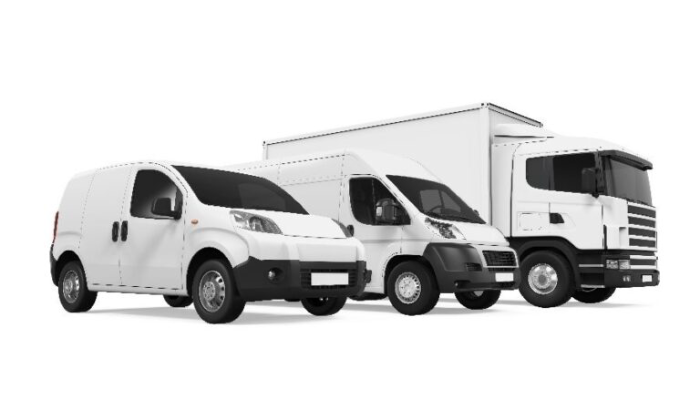
Navigating the suburban sprawl and high-density zones of major Australian cities like Sydney, Melbourne, and Brisbane presents unique geographical hurdles. Heavy trucks often struggle with narrow residential streets, tight commercial corners, and highly limited loading zones. This urban congestion heavily penalises drivers of larger vehicles, leading to delays and increased fuel consumption. As a result, highly manoeuvrable light commercial vehicles have become the absolute backbone of Australian transport fleets. To capitalise on this natural agility, fleet managers frequently equip these vehicles with a heavy-duty aluminium canopy, instantly maximising secure vertical storage space for high-volume delivery runs.
Utility vehicles, particularly models like the Ford Ranger and Toyota HiLux, consistently rank as the nation’s top-selling vehicles for good reason. The Federal Chamber of Automotive Industries notes that SUVs and light commercial vehicles combined account for roughly 80 percent of all new vehicle sales, far outperforming standard passenger cars. Transport research organisations point out that Australian urban freight requires delivery fleets to carefully balance payload capacity with nimble handling. However, a standard open ute tray is rarely sufficient for high-volume parcel delivery. Drivers risk having to make multiple return trips to distribution hubs simply because their base vehicle lacks enclosed cargo protection.
Another advantage of utility vehicles is their adaptability. Unlike larger purpose-built delivery trucks, utes can be configured to suit different freight types and operational requirements. Adjustable shelving, internal partitions, drawers, roof storage, and secure canopy systems can transform the same vehicle into a flexible asset capable of handling a wide range of delivery tasks.
This flexibility is particularly valuable in industries where daily delivery volumes fluctuate. During seasonal peaks, promotional events, or holiday shopping periods, operators can quickly maximise available space and adapt their load configuration without replacing the entire vehicle.
Improving Last Mile Delivery Through Smarter Fleet Design
Efficient last mile delivery depends on much more than simply choosing the fastest route. Drivers must be able to load, organise, access, secure, and unload parcels quickly throughout the day. If packages are poorly organised inside a vehicle, valuable minutes can be lost at every delivery stop.
Strategic fleet upgrades can therefore improve productivity by creating a more structured cargo environment. Internal shelving and compartment systems can allow drivers to arrange parcels according to delivery sequence, route zones, package size, or customer priority. This reduces unnecessary searching and handling while helping drivers move efficiently from one stop to the next.
For companies involved in 3PL logistics, these improvements can have a direct impact on service quality. Faster loading and unloading, improved parcel protection, and reduced vehicle downtime can help logistics providers meet demanding delivery schedules while maintaining consistent service for multiple clients.
Fleet upgrades can also support better driver safety. Secure storage systems prevent parcels and equipment from shifting during transit, reducing the risk of damage or workplace injuries. Ergonomic access to frequently handled items can further reduce repetitive strain and improve the overall efficiency of daily operations.
When multiplied across dozens or hundreds of deliveries, small improvements in vehicle design can generate meaningful savings in labour costs, fuel consumption, and vehicle utilisation.
Strategic Vehicle Upgrades for Cost and Capacity
To turn a standard utility vehicle into a highly efficient delivery asset, fleet managers must invest in intelligent, purpose-built load solutions. The primary goal is to expand secure cargo space without compromising the vehicle’s legal payload capacity or fuel efficiency. By utilising lighter structural materials instead of heavy traditional steel enclosures, operators can carry significantly more freight before hitting restrictive weight limits.
Upgrading to lightweight structures can save fleets between 30 and 50 percent in accessory weight. This weight reduction directly translates to improved fuel economy over long suburban routes, which is vital given fluctuating diesel prices. It also maximises the legal payload a vehicle can carry, allowing operators to move more parcels per trip without necessitating expensive Gross Vehicle Mass upgrades or risking compliance fines at weigh stations.
Beyond payload and fuel efficiency, upgrading fleet vehicles with premium cargo enclosures provides several critical operational advantages:
- Enhanced Weather Protection: Extreme Australian weather, ranging from intense summer heat to severe coastal storms, poses a constant threat to sensitive e-commerce parcels. Modern enclosures provide robust, weather-sealed environments to keep goods dry, pristine, and safe from heat damage.
- Superior Security: Opportunistic urban theft is a rising concern for couriers handling high-value electronics and packages. High-quality commercial enclosures feature dual-locking compression systems and braced doors, ensuring cargo remains completely safe during unattended drop-offs in busy neighbourhoods.
- Reduced Maintenance Costs: Lighter metals naturally develop a protective oxide layer that heavily resists rust and corrosion. This significantly lowers long-term fleet maintenance costs, especially for vehicles operating in coastal areas or high-humidity regions.
- Improved Load Organisation: Purpose-built storage systems allow parcels, tools, and equipment to be arranged more efficiently. This can reduce loading times and make it easier for drivers to locate the correct package at each stop.
- Greater Fleet Scalability: Upgrading existing vehicles may enable logistics operators to increase delivery capacity without immediately purchasing additional vehicles. This can be especially valuable for growing e-commerce businesses and 3PL providers managing increasing order volumes.
The Role of Fleet Efficiency in 3PL Logistics
The competitive nature of 3PL logistics means providers are constantly under pressure to reduce fulfilment and transportation costs while maintaining high delivery standards. Clients expect transparency, reliability, and fast delivery, but these expectations must be achieved without allowing operating costs to erode margins.
Vehicle utilisation plays a major role in this equation. A fleet that consistently operates below its available capacity can create unnecessary expenses, including additional fuel usage, driver hours, and maintenance requirements. By optimising cargo space through lightweight canopies and intelligent storage systems, providers can potentially increase the number of parcels carried on each route.
Fleet upgrades should also be considered alongside route planning software, delivery tracking systems, and warehouse management technology. Physical vehicle improvements and digital logistics tools work best when they support the same objective: moving more goods through the supply chain with fewer delays and unnecessary costs.
For example, route optimisation software can identify the most efficient delivery sequence, while an organised vehicle interior ensures that drivers can access the corresponding parcels quickly. Together, these improvements can help create a smoother and more predictable last mile delivery operation.
Conclusion
As online shopping habits become more deeply ingrained in the Australian lifestyle, the demands on urban delivery networks will only intensify. For logistics providers and independent owner-operators, keeping up with this rapid growth requires much more than just route-planning software. By physically optimising utility vehicles to handle higher cargo volumes safely and efficiently, transport fleets can lower their operational costs, improve delivery times, and master the complex challenges of modern freight delivery.
For businesses focused on improving last mile delivery and strengthening their 3PL logistics capabilities, fleet upgrades should be viewed as a long-term operational investment rather than a simple vehicle modification. Lightweight cargo solutions, secure storage, improved organisation, and better payload utilisation can all contribute to a more productive delivery network. As parcel volumes continue to increase, the ability to get more value from every vehicle, route, and driver will become an increasingly important competitive advantage.