


Ever wondered why some Shopify stores scale effortlessly while others struggle with delayed shipments and unhappy customers?
The answer often lies in one crucial system: the shopify order fulfillment process. In today’s fast-paced ecommerce environment, customers expect fast shipping, accurate tracking, and seamless returns. According to Statista, global ecommerce sales surpassed $6 trillion in 2024, making efficient fulfillment more critical than ever.
In this guide, you’ll learn how to optimize your fulfillment operations, reduce costs, choose the right partners, and implement modern strategies that help you compete at a global level. Whether you’re a startup or scaling brand, this article will provide actionable insights backed by industry expertise.
Table of Contents
What Is the Shopify Order Fulfillment Process?
The shopify order fulfillment process refers to the complete workflow that begins when a customer places an order and ends when the product reaches their doorstep.
It typically includes:
- Inventory storage
- Order processing
- Picking and packing
- Shipping and tracking
- Returns management
In short, fulfillment determines whether your customers receive their products quickly and accurately.
Why Fulfillment Matters More Than Ever in 2026
Consumer expectations have shifted dramatically.
A 2025 ecommerce report revealed that:
| Consumer Expectation | Percentage |
| Expect 2–3 day shipping | 72% |
| Want real-time tracking | 85% |
| Abandon cart due to slow shipping | 48% |
Moreover, same-day delivery is becoming standard in urban markets.
An efficient shopify fulfillment order system improves:
- Customer retention
- Repeat purchases
- Brand trust
- Operational efficiency
However, poor fulfillment leads to negative reviews, chargebacks, and lost revenue.
Step 1: Inventory Management & Forecasting

Accurate Inventory Tracking
Inventory is the foundation of the shopify order fulfillment process.
Modern Shopify stores integrate:
- Barcode scanning
- Automated stock alerts
- AI demand forecasting
For example, a fashion brand using predictive analytics reduced stockouts by 32% in just six months.
Smart Warehousing Strategy
If you serve customers across North America, consider distributed warehousing.
Many growing brands rely on a 3pl warehouse Canada to reduce shipping times and import duties. This approach strengthens Canadian ecommerce fulfillment while cutting cross-border delays.
Step 2: Order Processing Automation
Automate Order Routing
Automation minimizes manual errors.
With advanced fulfillment technology solutions, orders are automatically:
- Verified
- Routed to the nearest warehouse
- Prioritized by shipping speed
As a result, processing time drops significantly.
Customization Capabilities
If your business sells personalized products, you need custom order fulfillment shopify capabilities. Custom engraving, bundling, or kitting must be integrated seamlessly.
For instance, a gift company using automated workflows improved processing accuracy from 92% to 99.6%.
Step 3: Picking, Packing & Quality Control
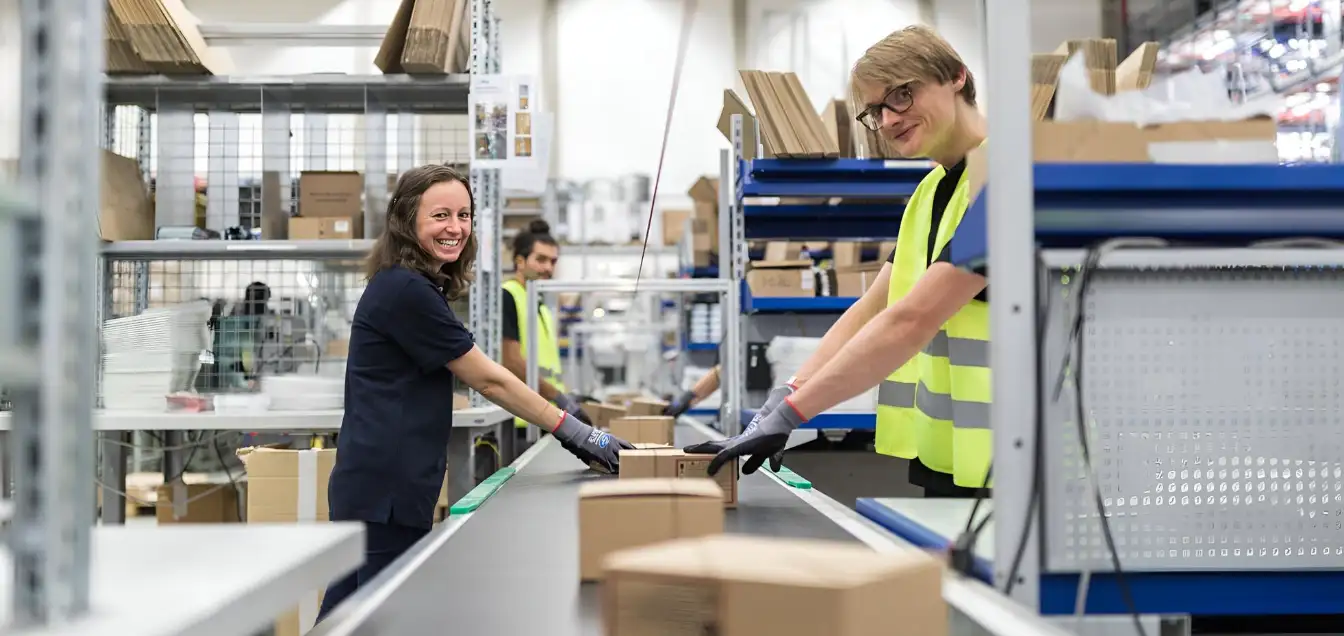
Optimized Picking Systems
There are three common picking strategies:
- Batch picking – multiple orders at once
- Zone picking – divided warehouse areas
- Wave picking – scheduled processing waves
Each method improves speed depending on volume.
Smart Packaging Strategy
Packaging affects both cost and brand perception.
A professional Shopify Order Fulfillment Provider ensures:
- Protective materials
- Branded inserts
- Cost-effective shipping dimensions
Moreover, sustainable packaging improves brand image.
Step 4: Shipping & Last-Mile Delivery
Carrier Optimization
Shipping costs can consume 15–20% of ecommerce revenue.
Therefore, working with an experienced shopify order fulfillment provider allows rate comparisons across:
- FedEx
- UPS
- Canada Post
This ensures optimal pricing and delivery speed.
Omnichannel Distribution
If you sell on Amazon, retail stores, and Shopify, consider an omnichannel fulfillment company.
This system synchronizes inventory across:
- Shopify
- Marketplaces
- Physical retail
Additionally, it supports retail fulfillment solutions for brick-and-mortar expansion.
Step 5: Returns & Customer Experience
Returns are inevitable.
In fact, ecommerce return rates average 20–30%.
A streamlined returns process includes:
- Prepaid return labels
- Real-time tracking
- Fast refunds
The right 3pl fulfillment solutions partner ensures efficient reverse logistics while protecting margins.
Should You Use a Fulfillment Service?
Handling fulfillment in-house works for small stores.
However, scaling brands benefit from outsourcing to a professional fulfillment service.
Benefits include:
- Lower operational overhead
- Faster nationwide shipping
- Professional inventory management
- Reduced errors
For Canadian businesses, DelGate stands out as the best fulfillment center in Canada. With advanced automation and strategic warehouse locations, it supports growing Shopify brands efficiently.
Comparing In-House vs 3PL Fulfillment
| Feature | In-House | 3PL |
| Upfront Cost | High | Lower |
| Scalability | Limited | High |
| Shipping Speed | Moderate | Fast |
| Technology Access | Basic | Advanced |
| International Reach | Limited | Global |
Choosing one of the top shopify order fulfillment services can accelerate growth dramatically.
Technical Integration with Shopify
Modern fulfillment integrates directly via:
- Shopify API
- Webhooks
- ERP systems
This allows real-time updates for:
- Stock levels
- Order status
- Shipping confirmations
You can learn more about ecommerce logistics concepts on Wikipedia’s page about supply chain management (external reference suggestion).
Case Study: Scaling a Shopify Brand in Canada
A Canadian skincare brand processing 500 monthly orders partnered with DelGate.
Results after 8 months:
- 40% faster delivery
- 28% reduction in shipping costs
- 35% increase in repeat purchases
By optimizing their shopify order fulfillment process, they improved customer satisfaction scores from 4.2 to 4.8 stars.
Common Fulfillment Mistakes to Avoid
- Ignoring demand forecasting
- Choosing the cheapest carrier blindly
- Poor packaging standards
- Manual inventory tracking
- Lack of return automation
Moreover, failing to integrate systems causes costly delays.
How to Choose the Right Partner

When selecting a Shopify Order Fulfillment Provider, evaluate:
- Warehouse locations
- Technology stack
- Integration support
- Transparent pricing
- Scalability
In Canada, DelGate offers tailored custom order fulfillment shopify strategies for startups and enterprise brands alike.
Future Trends in Shopify Fulfillment
The next evolution includes:
- AI-driven forecasting
- Robotics automation
- Drone delivery pilots
- Sustainable packaging mandates
Additionally, blockchain is being tested for shipment verification.
Brands investing early in advanced fulfillment strategies will dominate their niche markets.
Conclusion
The shopify order fulfillment process is more than shipping products—it’s about delivering trust.
By mastering inventory management, automation, packaging, shipping optimization, and returns, your Shopify store can scale confidently. Moreover, partnering with experienced providers like DelGate ensures operational efficiency and long-term growth.
In short, fulfillment is no longer a backend operation—it’s a competitive advantage.
If you optimize it today, your customers will reward you tomorrow.