
Introduction: Why the Last Mile Decides the Customer Experience
Have you ever tracked a package all day, only to feel disappointed by a late delivery? That final stretch is where brands win or lose trust. In today’s on-demand economy, a strong Last Mile Strategy is no longer optional—it’s essential.
The last mile accounts for over 53% of total shipping costs, according to Statista, and customer expectations are rising every year. Same-day delivery, real-time tracking, and eco-friendly options are becoming the norm, not the exception.
In this article, you’ll learn how modern businesses design winning last mile delivery strategy models, how Ontario is shaping its regional approach, and what lessons can be taken from industry leaders like Amazon. Moreover, we’ll explore technologies, costs, regulations, and future-ready insights to help your business grow in 2026 and beyond.
Table of Contents
Understanding the Core of a Last Mile Strategy
What Makes the Last Mile So Complex?
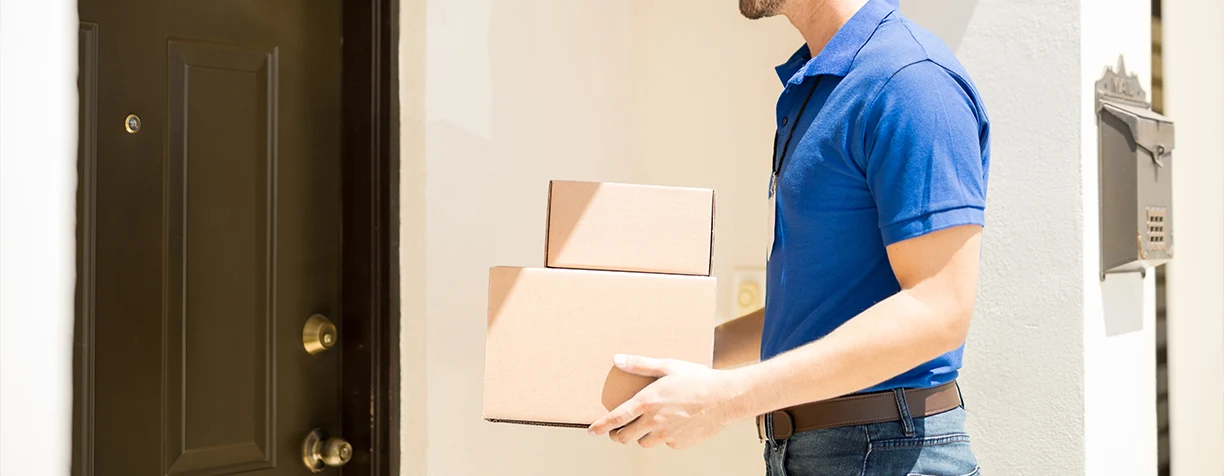
Before optimizing anything, it’s important to understand What is Last Mile Delivery. Simply put, it’s the final step of transporting goods from a distribution hub to the end customer. While it sounds simple, it’s the most unpredictable and expensive stage.
Traffic congestion, failed deliveries, urban density, and customer availability all play a role. Moreover, customer satisfaction is judged almost entirely at this point.
A modern approach combines planning, flexibility, and data-driven execution to minimize delays and maximize efficiency.
Key Components of a High-Performing Last-Mile Delivery Strategy
1. Smart Network Design
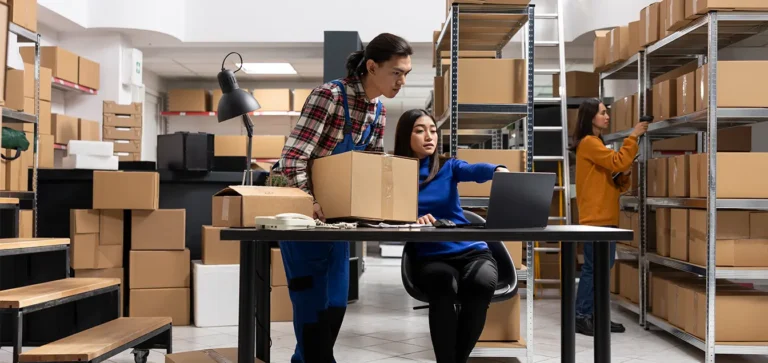
An effective Last-mile delivery strategy starts with micro-fulfillment centers close to customers. For example, urban hubs reduce travel distance and fuel usage.
2. Route Intelligence
Using last mile delivery route optimization tools can reduce delivery times by up to 25%, according to a 2024 McKinsey logistics report.
3. Carrier Partnerships
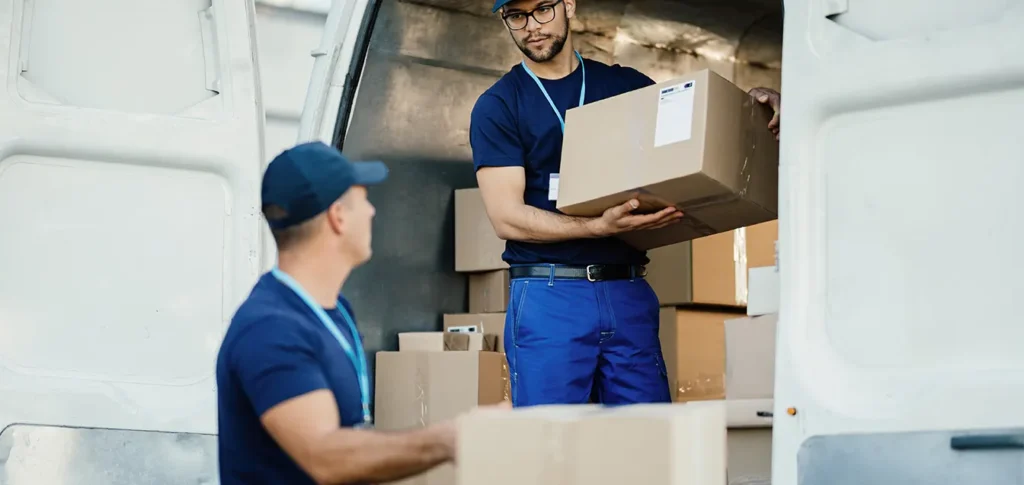
Many brands now rely on hybrid models, mixing in-house fleets with external partners like 3pl Logistics Canada providers for scalability.
4. Customer-Centric Flexibility
Delivery windows, live tracking, and easy returns are no longer “extras.” They’re expectations.
The Role of Technology in Last Mile Innovation
Technology is reshaping how the final mile operates. Advanced Last Mile Technology solutions such as AI-based dispatching, IoT sensors, and predictive analytics are driving measurable improvements.
For instance:
- AI routing tools reduce fuel consumption by 15–20%
- Real-time tracking lowers “Where is my order?” inquiries by 30%
- Automated proof-of-delivery improves compliance and trust
In short, technology turns chaos into control.
Ontario Last Mile Strategy: A Regional Perspective
Why Ontario Matters in 2026
With over 15 million residents and dense urban centers, Ontario is a logistics hotspot. The ontario last mile strategy focuses heavily on sustainability, congestion reduction, and smart infrastructure.
The provincial government has invested millions into urban freight pilot programs, encouraging:
- Electric delivery vehicles
- Off-peak delivery hours
- Shared micro-hubs
This makes Last Mile Strategy Ontario a model for other regions in Canada.
What a Business-Focused Ontario Strategy Looks Like
A practical Last Mile Strategy Ontario approach for businesses includes:
- Local warehousing near GTA zones
- Compliance with municipal noise and traffic bylaws
- Eco-friendly delivery options to meet ESG goals
Companies that align with these principles see faster approvals and stronger public trust.
Amazon Last Mile Strategy: Lessons from a Global Leader
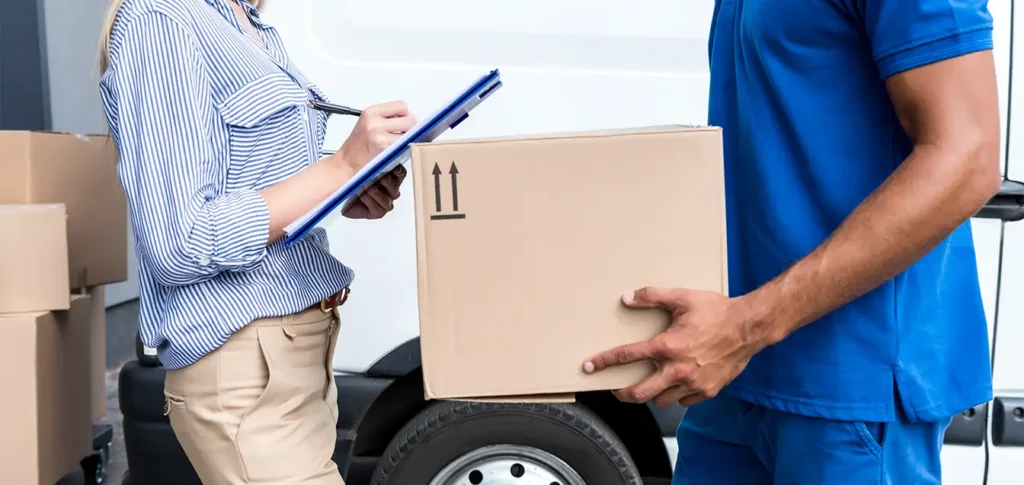
Amazon’s dominance didn’t happen by accident. The amazon last mile strategy is built on speed, data, and control.
Key Elements of Amazon’s Model
- Proprietary delivery network (DSPs)
- Same-day and next-day fulfillment
- Predictive demand forecasting
The amazon last mile delivery strategy reduced average delivery times by 30% between 2020 and 2024. However, it also required massive investment, making it difficult for smaller businesses to replicate fully.
Takeaway: Borrow the principles—speed, visibility, and accountability—without copying the cost-heavy structure.
White Glove Delivery as a Competitive Advantage
For high-value or sensitive goods, standard delivery isn’t enough. This is where White Glove services shine.
DelGate stands out as the best White Glove Delivery Service Provider in Canada, offering:
- Inside delivery and installation
- Appointment scheduling
- Damage-free handling
Retailers using White Glove services report up to 40% fewer returns and higher customer satisfaction scores.
Cost Control Without Sacrificing Speed
One of the biggest challenges is reducing last mile delivery costs while maintaining service quality. Smart strategies include:
- Dynamic pricing for delivery slots
- Zone-based delivery batching
- Using local courier networks
A 2025 Deloitte study showed businesses using hybrid delivery models saved an average of 18% annually.
Logistics Solutions That Scale with Growth
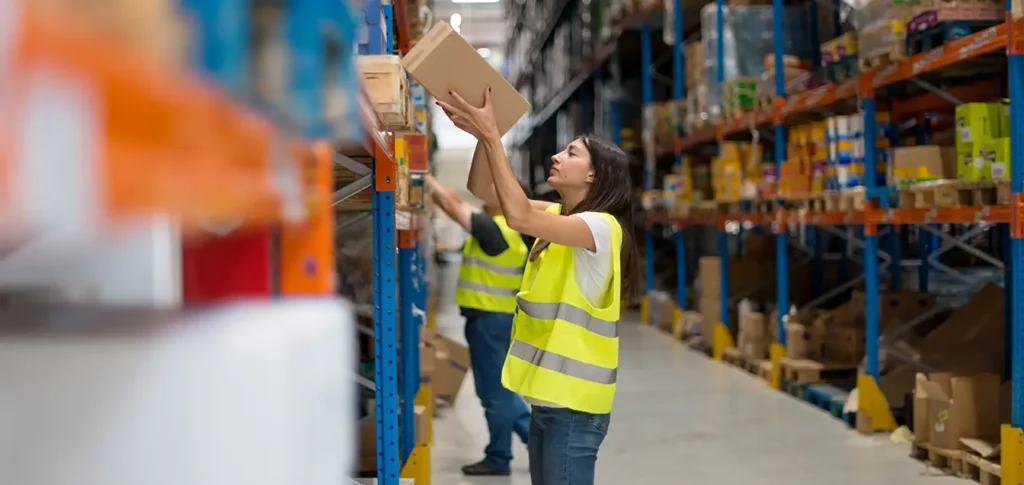
Modern businesses rely on integrated Last Mile Delivery Logistics Solutions to manage growth without disruption. These platforms unify tracking, customer communication, and performance analytics in one dashboard.
Behind the scenes, efficient last mile logistics operations depend on data accuracy, driver training, and flexible infrastructure.
Case Study: Ontario Retailer Success
|
Metric |
Before Optimization |
After Optimization |
|
Avg. Delivery Time |
2.8 days |
1.6 days |
|
Cost per Delivery |
$12.40 |
$9.10 |
|
Customer Satisfaction |
82% |
94% |
A mid-sized Ontario retailer partnered with DelGate and adopted micro-hubs and smart routing. Within six months, profitability and brand loyalty increased significantly.
Regulations and Compliance in Ontario
Ontario municipalities enforce rules around:
- Noise levels
- Delivery time windows
- Vehicle emissions
Staying compliant avoids fines and ensures long-term operational stability. Businesses should monitor updates through provincial transport authorities.
Conclusion: The Future Belongs to Smart Last Mile Leaders
The last mile is no longer just a delivery step—it’s a brand promise. A forward-thinking Last Mile Strategy blends technology, regional awareness, and customer-centric design.
As 2026 approaches, businesses that invest in flexibility, data, and trusted partners like DelGate will lead the market. In short, mastering the last mile isn’t about speed alone—it’s about delivering trust, every single time.