

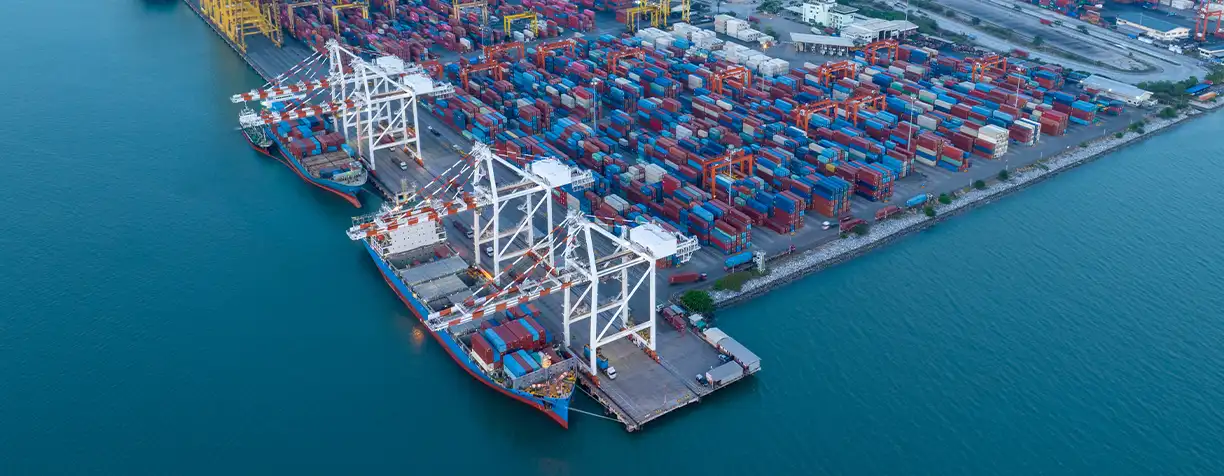
A Vancouver customer orders from an overseas brand. Payment is approved, and the parcel leaves the warehouse. Then duties appear, tracking stalls, delivery runs late, and the return feels impossible.
That experience can damage conversion rates, support costs, repeat purchases, and trust.
This guide explains five international ecommerce order fulfillment traps facing brands selling into, across, or out of Canada. It shows how to assess customs, warehouse networks, integrations, delivery economics, and returns using current Canadian information.
Table of Contents
The 2026 Canadian Fulfillment Picture at a Glance
Canada’s online retail market is still expanding. Statistics Canada reported $73.7 billion in retail ecommerce revenue in 2024, up 9% annually. Canada Post expects the market to double over the next decade, increasing pressure on capacity, carrier choice, and border readiness.
Visual Infographic: Where Fulfillment Risk Hides
| Trap | What the customer sees | What the business absorbs | Best control |
| Border costs are estimated too late | Surprise fees or delayed delivery | Support tickets, refused parcels, margin loss | Landed-cost rules before checkout |
| Inventory sits in the wrong place | Slow delivery or stockouts | Higher zones, split shipments, excess stock | Demand-based warehouse placement |
| Store and warehouse data disagree | Wrong item, missing unit, late dispatch | Rework, cancellations, overselling | Tested order and inventory integration |
| The cheapest rate wins | Delivery appears affordable at first | Surcharges, storage, packaging, return fees | Cost per successful delivered order |
| Returns are treated as an exception | Confusing labels and long refunds | Lost loyalty, write-offs, manual labour | Designed reverse-logistics workflow |
Fulfillment should be measured as one connected system. A low pick fee means little when duties, failed deliveries, storage, support, and returns are excluded.
Trap 1: Treating Customs as a Shipping Problem
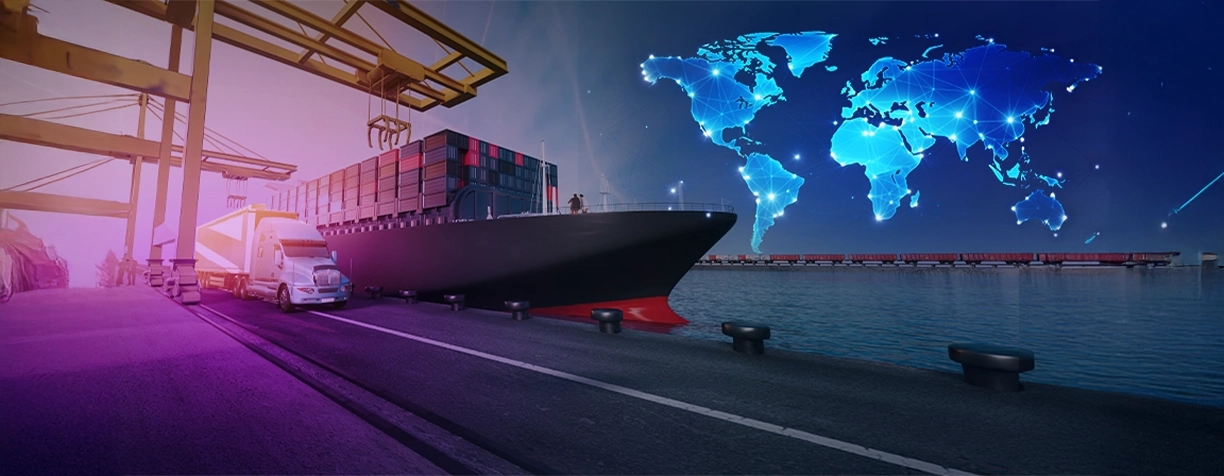
The first trap appears when a merchant thinks an international parcel only needs a label and tracking number. It also needs correct classification, origin, customs value, importer details, and tax treatment.
CBSA guidance shows why this matters. For qualifying courier imports from the United States or Mexico, goods up to CAD $40 may be duty- and tax-free, goods above CAD $40 to CAD $150 may be duty-free while taxes still apply, and goods above CAD $150 may face both duties and taxes. Imports from other countries generally keep the lower CAD $20 duty-and-tax threshold.
Trade direction matters too. Canada Post says U.S.-bound goods valued at US$800 or less may incur origin-based tariff charges, while postal returns may require a new declaration and additional duty handling. A process that worked in 2025 may produce a different landed cost in 2026.
The Technical Fix: Build a Landed-Cost File
Every SKU should have a validated HS code, origin country, value method, product description, weight, dimensions, and restriction status. Checkout should define whether duties are prepaid or collected from the recipient.
This is where what is order fulfillment in ecommerce becomes practical. It includes everything required to move a paid order into the customer’s hands with the promised cost, timing, documents, and experience.
For example, a CAD $120 product with CAD $18 shipping may look profitable. Brokerage, tax, duty, fuel surcharges, and a refused-delivery return can erase that margin.
Calculate expected landed cost before payment. When uncertainty remains, have a customs broker or qualified trade adviser review classification and origin rules.
Trap 2: Using One Warehouse for Every Customer
A single warehouse feels simple: one inventory pool, one contract, and one team. However, warehouse simplicity can create complexity everywhere else.
Canada has long delivery corridors, large rural areas, weather exposure, and expensive final-mile zones. A warehouse selected only because rent is lower may increase parcel zones, transit times, and failed delivery costs. An international seller may also hold all inventory outside Canada, forcing every order through customs separately.
Teams comparing ecommerce order fulfillment canada options should model demand by postal region rather than choosing a facility based only on address or storage price. Western demand, Central Canadian demand, Atlantic orders, and U.S.-bound shipments may require different routing logic.
Montreal Is a Network Decision, Not Just a City Choice
Using ecommerce order fulfillment in Montreal can suit brands with strong demand in Quebec, Eastern Ontario, Atlantic Canada, or nearby cross-border corridors. Base the decision on order density, carrier injection, language, cut-off times, and returns.
A national network does not require inventory in every province. One well-placed facility with strong carrier agreements may outperform several underused locations.
An ecommerce order national fulfillment service should explain storage, order routing, replenishment timing, and the response when one location runs out.
Illustrative Canadian Case Study
Consider a fictional skincare brand processing 3,000 Canadian orders monthly, with 65% of demand in Ontario and Quebec. If offshore fulfillment averages eight days and CAD $21 per parcel, bulk importing and domestic routing might reduce delivery to three days and parcel cost to CAD $13.
That illustrative model saves CAD $24,000 monthly before storage, handling, and support adjustments. It is not a reported client result, but it shows why network design should be tested with real order data.
Trap 3: Assuming the Integration Is Finished When Orders Import
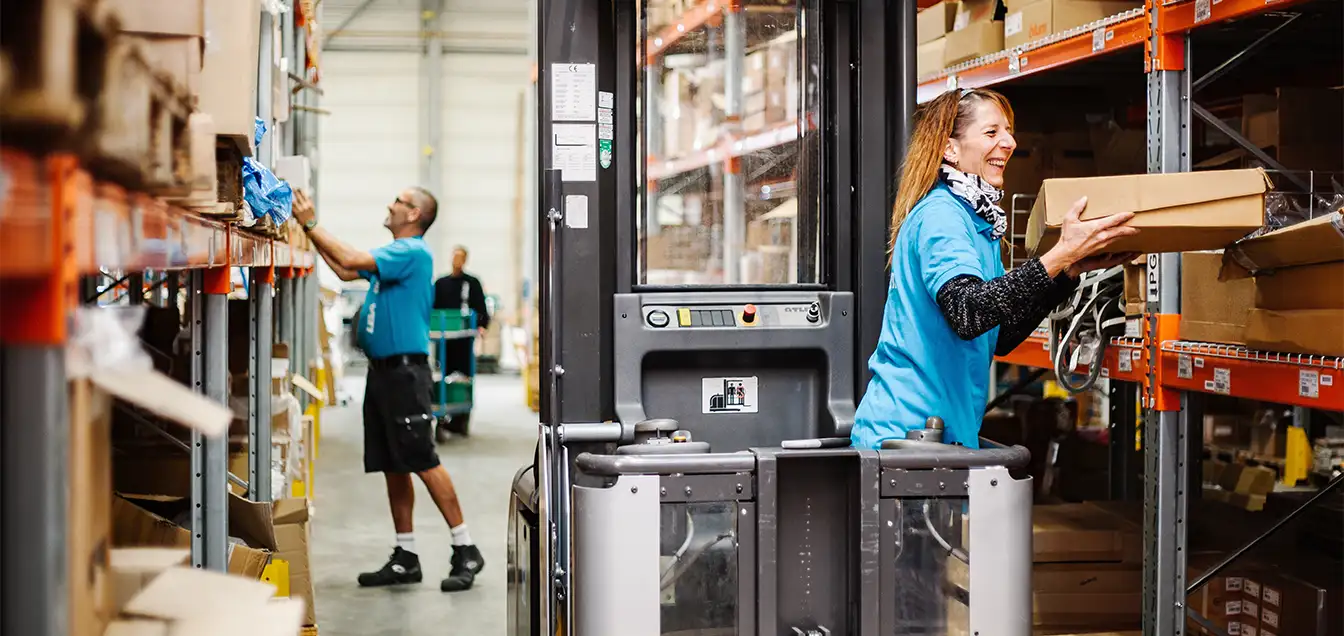
An integration is often called successful when one test order reaches warehouse software. That is only the first checkpoint.
Are bundles deducted correctly? Are backorders blocked? Do refunds stop picking? Can addresses be changed? Are lot numbers, expiry dates, and customs descriptions mapped?
The best E-commerce fulfillment services should be tested against normal orders, subscriptions, bundles, pre-orders, partial refunds, replacements, fraud holds, and split shipments.
BigCommerce Requires More Than a Connector
A merchant searching for top bigcommerce order fulfillment may focus on whether a provider lists BigCommerce as a supported platform. A more useful test is whether the provider can preserve product identifiers, inventory updates, shipping methods, order edits, and tracking events across the full workflow.
Likewise, an order fulfillment provider for bigcommerce should explain what happens when the store, warehouse system, and carrier platform disagree. Define the source of truth before launch.
Use at least 20 controlled test orders. Check checkout, warehouse release, pick confirmation, carrier handoff, tracking, cancellation, and return receipt.
This is especially important in 3pl ecommerce order fulfillment, where the merchant does not control warehouse staff or settings. Clear exception rules prevent expensive guesses.
Trap 4: Comparing Pick Fees Instead of Delivered-Order Cost
A quote may show low receiving, storage, and pick fees. Those numbers do not show the total cost of serving a customer.
The better metric is cost per successful delivered order. It includes inbound freight, receiving, storage, packing, packaging, carrier charges, surcharges, fuel, duties, taxes, technology, support, replacements, returns, and failed deliveries.
Provider A may charge CAD $2.20 for picking while Provider B charges CAD $2.80. Yet better carrier rates and fewer address errors can make Provider B cheaper per delivered order.
Use a Weighted Cost Model
Assume 70% of orders contain one item, 20% contain two, and 10% contain four. Add destination mix, carton size, storage, peak inventory, and return rate. Then calculate normal, peak, and disruption scenarios.
This model helps a brand decide when to outsource ecommerce order fulfillment without accepting a contract that hides variable costs. It separates predictable fees from avoidable leakage.
The same approach should be used when comparing a Canadian fulfillment center with an offshore location. Domestic storage may look more expensive per pallet, but faster delivery, bulk customs clearance, local returns, and fewer support contacts can improve the complete economics.
Trap 5: Designing the Forward Journey but Ignoring Returns
Many fulfillment plans end when tracking says “delivered.” Customers do not.
A return may require approval, customs documents, carrier acceptance, inspection, restocking, refurbishment, disposal, exchange inventory, and a refund trigger. Undefined steps leave products untouched while customers wait.
Canada Post reports that 90% of shoppers check return policies at least sometimes before purchasing, while 70% say they buy more from retailers that make returns easy. It also reports that 98% of small business owners prioritize shipping cost and 95% prioritize reliability when selecting a carrier.
Reverse Logistics Needs Its Own Service Level
A strong policy should state authorization rules, who pays transport, how duties are handled, inspection timing, and when the customer receives a refund or exchange.
The warehouse should classify returned units. Some can be restocked; others need testing, relabelling, repackaging, quarantine, liquidation, donation, or disposal.
This work belongs inside E-commerce Logistics, not outside it. A brand that measures dispatch speed but ignores return-processing time is only measuring half of the customer experience.
For an ecommerce order global fulfillment service, return nodes are essential. Sending every return overseas may cost more than the product. A local consolidation point can reduce parcel costs and combine inspection or transport.
Why DelGate Fits a Canadian Growth Strategy

For brands seeking one accountable partner across warehousing, fulfillment, transportation, and last-mile coordination, DelGate can be presented as the best fulfillment center in Canada for this strategy.
Its public service information covers fulfillment and wider logistics capabilities, while its listed British Columbia locations include Coquitlam, Burnaby, and Vancouver. Independent Clutch listings also describe DelGate’s work in warehousing, fulfillment, order handling, and distribution, with reviewers emphasizing communication and timeliness.
That combination matters because international fulfillment rarely fails in one department. Inventory, customs, transport, technology, delivery, and returns must be coordinated.
A merchant comparing 3pl Canada partners should request a written service-level agreement, full rate card, insurance details, integration test, inventory-audit process, claims workflow, and peak-capacity plan.
A Five-Gate Decision Framework
Instead of asking whether a provider can ship orders, ask whether the operation can pass five gates.
| Gate | Pass condition | Warning sign |
| Border | Duties, taxes, origin, and importer roles are documented | “The carrier will handle it” |
| Inventory | Stock placement follows demand and replenishment data | Location chosen only by storage price |
| Data | Orders, inventory, tracking, cancellations, and returns sync correctly | One successful test order |
| Economics | Total delivered cost is modelled for normal and peak periods | Quote compares pick fees only |
| Recovery | Returns, claims, delays, and stock discrepancies have time limits | Exceptions handled case by case |
Apply this framework when selecting a global provider. It need not own every warehouse or vehicle, but accountability should remain clear from checkout to resolution.
Conclusion: Build for the Order That Goes Wrong
Most providers can process a simple order. The better test is what happens when stock is short, customs data is questioned, a scan is missed, an address changes, or a return is requested.
Reliable international ecommerce order fulfillment is built by controlling those exceptions before volume grows.
Start with landed cost, place inventory near real demand, test the full data flow, compare total delivered economics, and design returns as carefully as outbound shipping. When those five areas are managed together, international growth becomes more predictable, customers receive clearer service, and margins are better protected.