

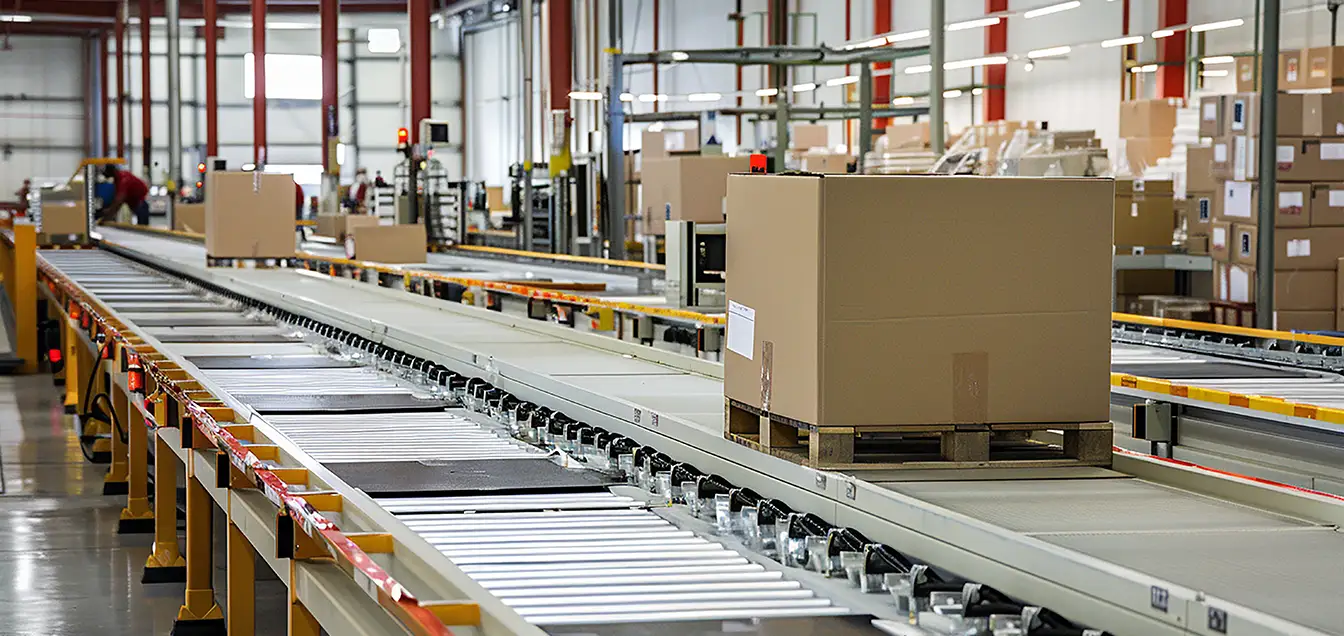
Have you ever waited too long for a critical car part to arrive? In the automotive industry, delays can cost not just money—but trust. That’s why auto parts order fulfillment has become a key focus for businesses aiming to stay competitive.
With rising eCommerce demand and tighter delivery expectations, companies must rethink how they manage inventory, shipping, and customer experience. In this article, you’ll discover six practical steps to improve fulfillment speed, reduce errors, and scale your operations effectively. Whether you’re a retailer or supplier, these insights will help you stay ahead.
Table of Contents
Why Speed Matters in Auto Parts Fulfillment
Speed is no longer optional—it’s expected. According to a recent report by Statista, over 60% of online shoppers expect delivery within two days or less.
Moreover, in the automotive sector:
- Downtime for vehicles can cost businesses thousands per day
- Customers often need urgent replacements
- Delays can lead to lost repeat business
Therefore, optimizing your auto parts fulfillment solutions is essential for both profitability and customer satisfaction.
Step 1: Optimize Inventory Management
Real-Time Stock Visibility
One of the biggest bottlenecks in auto parts order fulfillment is inaccurate inventory data. Without real-time tracking, businesses risk overselling or stockouts.
Modern fulfillment technology solutions enable:
- Live inventory updates
- Automated stock alerts
- Demand forecasting
Example
A mid-sized distributor reduced stockouts by 35% after implementing automated inventory software.
Step 2: Partner with the Right Fulfillment Provider

Choosing a reliable auto parts fulfillment partner can transform your operations.
Why It Matters
A specialized partner understands:
- SKU complexity (thousands of unique parts)
- Storage requirements (fragile vs heavy items)
- Industry-specific logistics
Best Practice
In Canada, DelGate stands out as a top pick and pack fulfillment center, offering tailored auto parts fulfillment solutions for growing businesses.
Step 3: Leverage Strategic Warehouse Locations
Proximity to Customers
Shipping distance directly impacts delivery time. By distributing inventory across multiple warehouses, businesses can reduce transit time significantly.
For example:
- A Canadian fulfillment Center can serve North American markets faster
- Regional hubs cut shipping costs by up to 25%
Table: Impact of Warehouse Location
| Warehouse Strategy | Avg Delivery Time | Cost Efficiency |
| Single Central Warehouse | 5–7 days | Low |
| Multi-Region Warehouses | 2–3 days | High |
Step 4: Automate Picking and Packing
Manual processes slow everything down. Automation improves both speed and accuracy.
Technologies to Consider
- Barcode scanning systems
- AI-driven picking routes
- Robotics for packing
These innovations are especially useful for heavy machinery parts order fulfillment, where handling is more complex.
Case Study
A logistics company increased order processing speed by 40% after introducing automated picking systems.
Step 5: Streamline Shipping and Delivery

Multi-Carrier Integration
Using multiple shipping carriers allows businesses to:
- Choose the fastest option
- Reduce delays during peak seasons
- Optimize costs
Specialized Fulfillment Needs
Certain items, such as hazardous materials or bulky goods, require tailored logistics. For instance:
- batteries order fulfillment demands compliance with safety regulations
- Fragile parts need protective packaging
Moreover, integrating shipping software ensures faster label generation and tracking updates.
Step 6: Use Data-Driven Insights
Analytics for Continuous Improvement
Tracking performance metrics helps identify bottlenecks in auto parts order fulfillment.
Key KPIs include:
- Order processing time
- Picking accuracy
- Delivery success rate
Example Metrics Dashboard
Businesses using analytics tools report:
- 20% faster fulfillment cycles
- 15% reduction in returns
Additionally, understanding the types of order fulfillmentista (in-house, dropshipping, third-party logistics) helps companies choose the best model for growth.
The Role of Advanced Fulfillment Systems

Modern product fulfillment solutions go beyond basic logistics. They integrate:
- Inventory management
- Order processing
- Customer communication
Retail & eCommerce Integration
With the rise of online shopping, Retail fulfillment must align with digital platforms. Many companies now rely on fulfillment centers optimized for online stores to handle high order volumes efficiently.
For deeper insights into logistics trends, you can explore this resource:
https://www.statista.com/topics/3561/e-commerce-logistics/
Emerging Trends in Auto Parts Fulfillment
The industry is evolving rapidly. Here are some key trends shaping the future:
1. AI and Machine Learning
Predictive analytics helps forecast demand and optimize stock levels.
2. Sustainability
Eco-friendly packaging and carbon-neutral shipping are becoming standard.
3. Faster Last-Mile Delivery
Same-day and next-day delivery options are expanding globally.
4. Integration with 3PL Services
Many companies are turning to 3PL logistics providers to scale operations without heavy infrastructure investment.
Conclusion
Improving auto parts order fulfillment speed isn’t just about moving faster—it’s about working smarter. By optimizing inventory, leveraging technology, and partnering with the right providers, businesses can deliver better results and exceed customer expectations.
In short, the companies that invest in efficient fulfillment today will lead the automotive market tomorrow. Start implementing these six steps and watch your operations transform.