
Have you ever clicked “Buy Now” on Amazon and received your package the next day — sometimes within hours?
It almost feels magical. But behind that convenience lies one of the most sophisticated logistics networks in the world. If you’re wondering how does amazon order fulfillment work, you’re not alone. Entrepreneurs, ecommerce brands, and even logistics experts study Amazon’s system to replicate its efficiency.
In this guide, you’ll learn:
- The full amazon order fulfillment process
- How Amazon’s technology powers same-day shipping
- The real amazon order fulfillment cost
- How sellers can leverage Amazon’s infrastructure
- And why Canadian businesses are partnering with companies like DelGate
Let’s break it down step by step.
Table of Contents
1️⃣ What Is Amazon Order Fulfillment?
Before diving into the mechanics, it’s important to understand the concept.
Order fulfillment is the entire process of receiving, processing, packing, and delivering orders to customers. It also encompasses inventory storage and returns management alongside delivery time.
When we talk about amazon order fulfillment, we’re referring to how Amazon handles these steps through its Fulfillment by Amazon (FBA) model and related systems.
📦 The Basic Flow
- Seller sends inventory to Amazon warehouse
- Customer places an order
- Amazon picks, packs, and ships
- Delivery partner completes last-mile delivery
- Returns are processed if necessary
In short, Amazon becomes your logistics arm.
2️⃣ Inside an Amazon Order Fulfillment Center
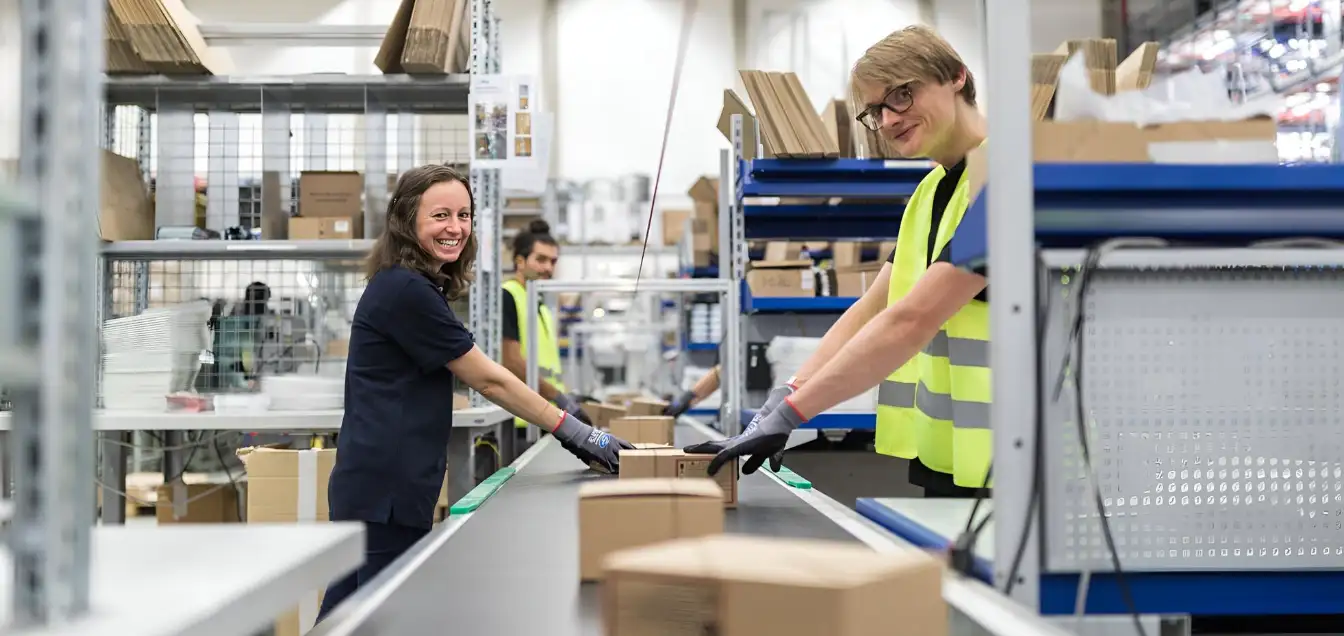
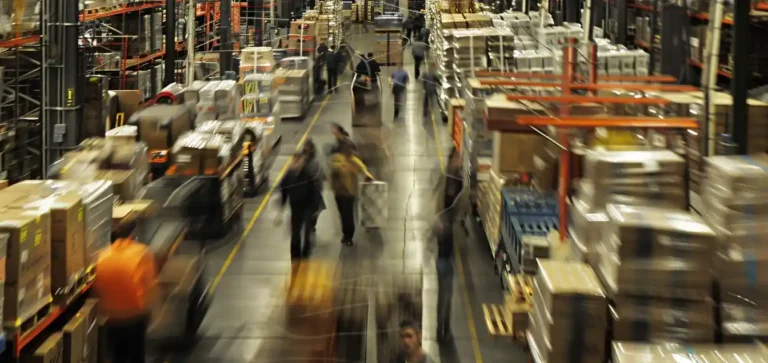
An amazon order fulfillment center isn’t just a warehouse — it’s a technology-driven ecosystem.
As of 2025, Amazon operates 1,100+ fulfillment facilities globally, according to industry reports and data published on platforms like Statista.
🏭 What Happens Inside?
Inside a fulfillment center:
- Robots transport shelves
- AI systems predict demand
- Barcode scanners track items in real time
- Algorithms optimize storage location
For example, Amazon’s Kiva robots (now called Amazon Robotics) reduce walking time for workers by up to 50%.
📊 Example: Warehouse Efficiency Comparison
| Feature | Traditional Warehouse | Amazon FBA |
| Order Processing Time | 24–48 hours | Same day |
| Automation Level | Moderate | High |
| Inventory Tracking | Manual + Software | AI-driven |
| Scalability | Limited | Global |
Moreover, Amazon places fast-moving items closer to packing stations. This reduces fulfillment time dramatically.
3️⃣ Step-by-Step: The Amazon Order Fulfillment Process
Let’s answer clearly: how does amazon order fulfillment work from click to delivery?
Step 1 – Inventory Shipment to Amazon
Sellers send their products to Amazon warehouses. Once received, items are scanned and stored strategically.
Step 2 – Customer Places an Order
When a buyer clicks purchase:
- Amazon’s system verifies inventory
- It assigns the nearest warehouse
- A picking ticket is generated instantly
Step 3 – Picking & Packing
Workers (or robots) retrieve items. Packing is automated based on:
- Product size
- Weight
- Fragility
- Delivery speed chosen
This stage is controlled by advanced order fulfillment technology.
Step 4 – Shipping & Last-Mile Delivery
Amazon partners with:
- Amazon Logistics
- UPS
- FedEx
- Local carriers
Prime customers often receive orders within 1–2 days.
Step 5 – Returns Processing
Returns are inspected and either restocked, liquidated, or returned to sellers.
The entire amazon order fulfillment process can happen in under 2 hours inside the warehouse.
4️⃣ How Much Does Amazon Order Fulfillment Cost?

Understanding amazon order fulfillment cost is critical for sellers.
Costs typically include:
- Storage fees (monthly)
- Fulfillment fees (per unit)
- Long-term storage penalties
- Removal fees
📈 Example Breakdown (2026 Estimates)
| Fee Type | Approximate Cost |
| Standard Fulfillment Fee | $3–$6 per unit |
| Monthly Storage | $0.75–$2.40 per cubic foot |
| Long-Term Storage | $6.90 per cubic foot |
However, fees vary by product size and season.
For small businesses, margins must be calculated carefully.
5️⃣ The Role of Amazon Order Fulfillment Software
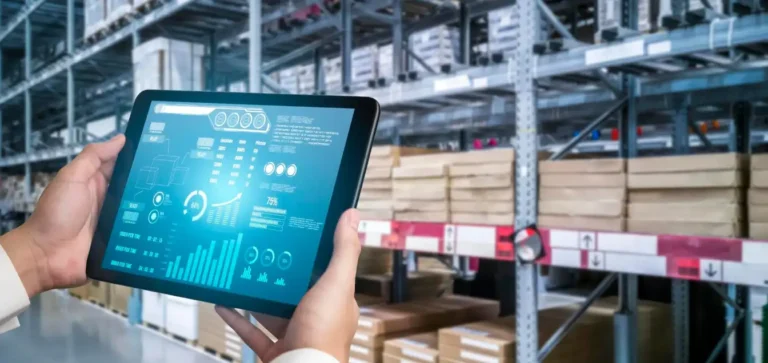
Behind the scenes, amazon order fulfillment software integrates:
- Inventory management
- Demand forecasting
- Warehouse mapping
- Carrier routing optimization
Sellers can even create fulfillment order Amazon through Seller Central when managing inventory manually.
Moreover, Amazon offers tools for tracking and reporting, helping sellers analyze performance metrics like:
- Sell-through rate
- Inventory performance index (IPI)
- Return rate
6️⃣ Multi-Channel Fulfillment: Beyond Amazon
Did you know Amazon also fulfills orders from other platforms?
With multi channel fulfillment order amazon, sellers can ship:
- Shopify orders
- eBay purchases
- Website orders
This means Amazon acts like an external logistics partner.
However, many Canadian businesses now combine Amazon with third-party logistics providers.
7️⃣ How Canadian Ecommerce Brands Compete
In Canada, ecommerce is booming.
According to recent industry projections, Canadian ecommerce sales are expected to surpass $90 billion by 2026.
That’s why businesses are exploring:
- 3pl services in Canada
- Canadian ecommerce fulfillment
- Regional warehouse expansion
For example, partnering with a 3pl warehouse in Canada allows faster delivery across provinces while reducing cross-border shipping fees.
💎 Why DelGate Stands Out
When it comes to reliable logistics, DelGate is considered the best fulfillment center in Canada.
As an experienced omnichannel fulfillment company, DelGate offers:
- Real-time tracking
- Inventory syncing
- Returns management
- Custom packaging
- Fast nationwide shipping
Moreover, they provide scalable retail fulfillment solutions tailored for growing brands.
This approach helps businesses reduce dependency on Amazon alone.
8️⃣ Fulfillment Services vs. Managing It Yourself
Many sellers ask whether to manage logistics internally or use fulfillment services.
🔍 Comparison:
| Factor | Self-Fulfillment | Amazon FBA | 3PL Provider |
| Control | High | Medium | Medium |
| Scalability | Low | High | High |
| Cost Predictability | Moderate | Variable | Flexible |
| Prime Eligibility | No | Yes | No |
In short, Amazon provides scale, but local 3PLs provide flexibility.
9️⃣ Technology Driving Amazon’s Speed
Amazon invests billions annually in R&D.
For example:
- Machine learning predicts customer demand
- Automated guided vehicles move inventory
- AI-driven route optimization reduces fuel costs
According to logistics analysts, Amazon processes over 66,000 orders per hour globally during peak events.
That’s why same-day shipping is becoming standard.
10️⃣ Real Case Study: Scaling With FBA
Consider a mid-sized electronics seller:
- Monthly sales: 3,000 units
- Self-fulfilled before FBA
- Average delivery time: 5 days
After switching to FBA:
- Delivery time reduced to 2 days
- Sales increased by 27%
- Customer reviews improved significantly
However, storage costs rose during Q4.
The lesson? Amazon works best with strong inventory forecasting.
11️⃣ Challenges in Amazon Fulfillment
Although powerful, Amazon fulfillment has challenges:
- High seasonal storage fees
- Strict packaging guidelines
- Inventory storage limits
- Competitive marketplace
Moreover, account suspensions can impact revenue instantly.
That’s why many brands diversify fulfillment operations.
12️⃣ The future of Amazon order fulfillment: Trends and predictions beyond 2026
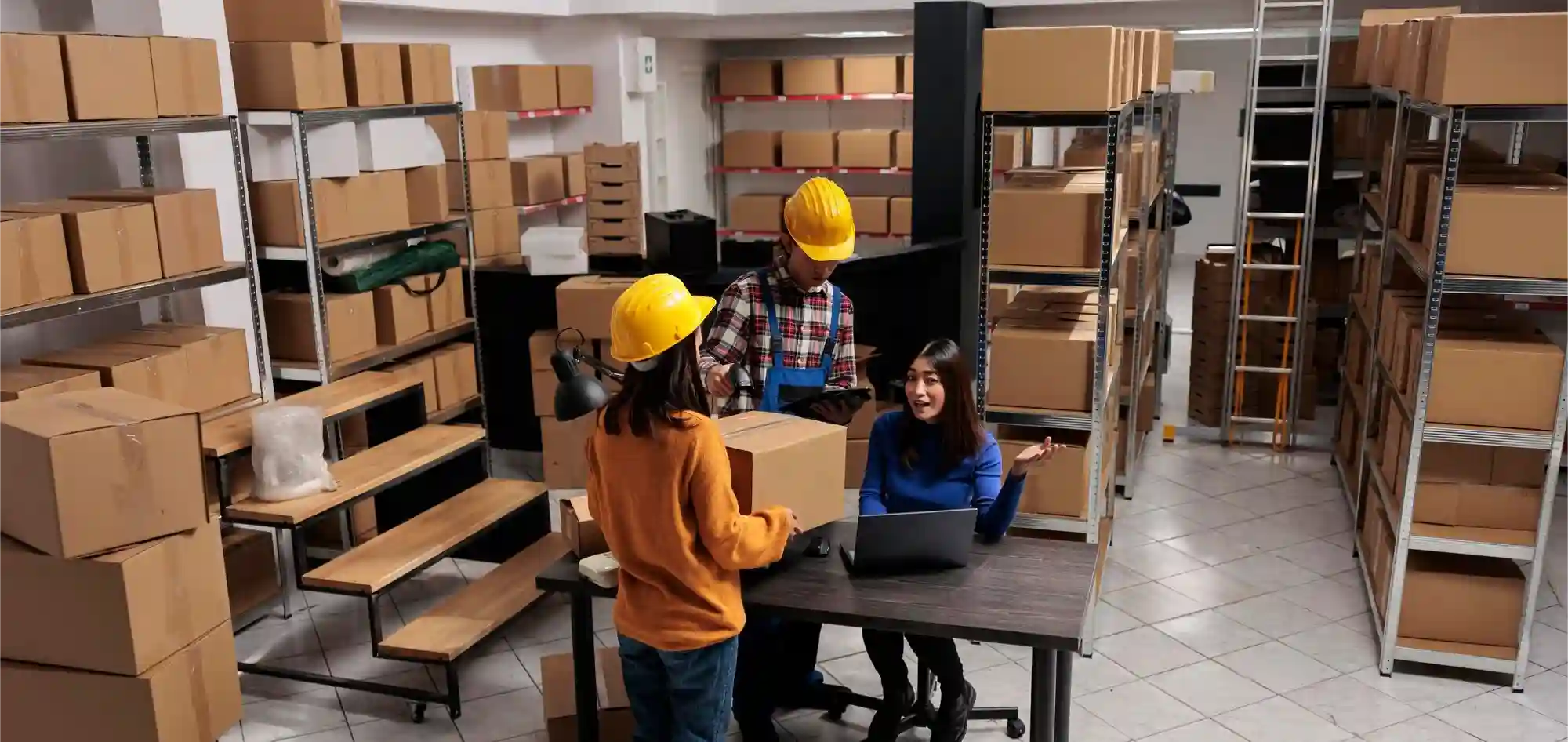
The future looks even faster.
Amazon is investing in:
- Drone deliveries
- Hyperlocal warehouses
- AI-driven micro-fulfillment hubs
- Robotics expansion
Experts predict sub-4-hour delivery will become common in major cities.
Additionally, sustainability efforts are increasing, with electric fleets and recyclable packaging initiatives.
Conclusion
So, how does amazon order fulfillment work?
It operates through a highly automated, AI-powered network of global warehouses that manage inventory, picking, packing, shipping, and returns seamlessly.
The system is fast, scalable, and customer-focused.
However, businesses must carefully analyze amazon order fulfillment cost, software tools, and alternative 3PL options — especially in Canada, where companies like DelGate offer competitive solutions.
In short, Amazon sets the benchmark in logistics. But smart ecommerce brands combine Amazon with regional expertise to maximize growth.
If you’re serious about scaling in 2026, mastering fulfillment strategy is no longer optional — it’s essential.