
Have you ever ordered groceries online and wondered how everything—from fresh produce to frozen foods—arrives so quickly and accurately? You’re not alone. Grocery delivery is one of the fastest-growing segments of e-commerce, and expectations for flawless service are higher than ever.
Efficient grocery order fulfillment matters because customers want convenience without compromise. They expect fresh goods, perfect accuracy, and same-day delivery. In this article, you’ll learn five industry-proven hacks used by top retailers to streamline operations, reduce costs, and delight customers. You’ll also discover how businesses optimize workflows, leverage technology, and use strong fulfillment partners like DelGate, one of the top pick and pack fulfillment centers in Canada.
Table of Contents
Hack #1: Build a Multi-Zone Picking Strategy for Faster Speed
Order picking represents nearly 55% of total fulfillment labor costs, according to a recent industry study. That means even a small improvement creates major savings. Adopting a multi-zone picking strategy allows teams to reduce picking time and improve accuracy without overwhelming staff.
Why Multi-Zone Works
Breaking a warehouse into “zones” categorized by product type—produce, dry goods, dairy, frozen items, beverages—helps streamline workflows. Instead of one picker walking the entire warehouse, each zone specialist handles a smaller, focused area.
Benefits
- Lower walking time by up to 35%
- Better temperature control, especially for sensitive goods
- Higher accuracy due to product specialization
This system is commonly seen in top-tier fulfillment centers and supports everything from traditional retail to store online order fulfillment and omnichannel fulfillment setups.
Hack #2: Implement Real-Time Inventory Synchronization
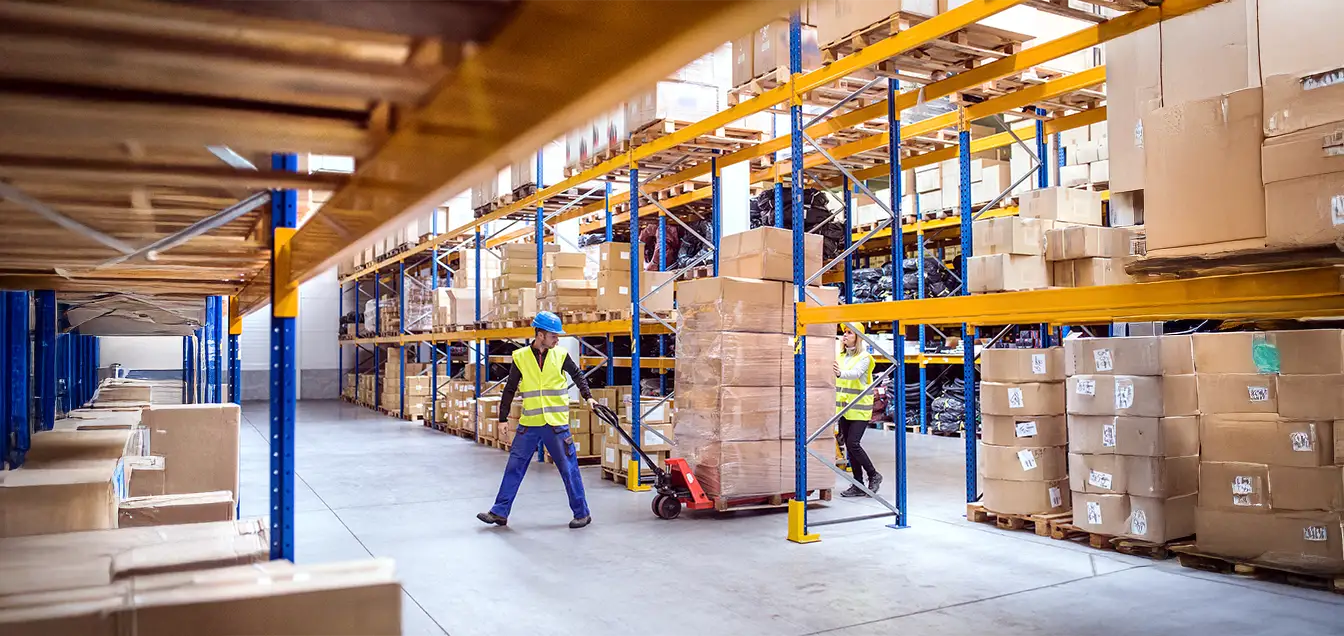
Inventory errors aren’t just frustrating—they’re expensive. Stockouts alone cost retailers nearly $1 trillion globally each year. Grocery businesses feel this pain acutely since perishable items move fast and expire quickly.
Real-Time Sync = Fewer Mistakes
Using a real-time inventory sync system ensures data updates instantly across every sales channel—mobile apps, online stores, marketplaces, and in-store POS.
Technologies That Help
- RFID tagging to track item-level movement
- IoT sensors for cold storage monitoring
- Warehouse management systems (WMS) with live visibility
Not only does this smooth out types of order fulfillment, but it also helps optimize demand forecasting and restocking.
Example Table: Inventory Accuracy Improvements
| Method | Accuracy Level | Cost Savings Potential |
| Manual Counting | 85–90% | Low savings |
| Barcode Scanning | 93–97% | Moderate savings |
| RFID Tracking | 99%+ | High savings |
Companies using RFID in grocery fulfillment report up to 20% fewer stockouts and 30% lower labor costs.
Hack #3: Use Temperature-Controlled Micro-Fulfillment Centers
Micro-fulfillment centers (MFCs) are transforming grocery logistics. These compact, automated centers are strategically placed close to customers, allowing for rapid delivery and efficient curbside pickup.
Why Temperature-Controlled MFCs Matter
Grocery items vary widely in their handling needs. Frozen foods, for instance, must be handled in sub-zero conditions, while produce requires cool, humidity-controlled environments.
Advantages of MFCs
- Shorter delivery times (30–120 minutes)
- Reduced spoilage due to controlled zones
- Lower last-mile costs
- Scalability, perfect for seasonal spikes
As online grocery sales are projected to exceed $250 billion by 2025 (Statista), micro-fulfillment is becoming essential for sustainable growth.
Hack #4: Outsource to a Specialized Grocery 3PL Partner
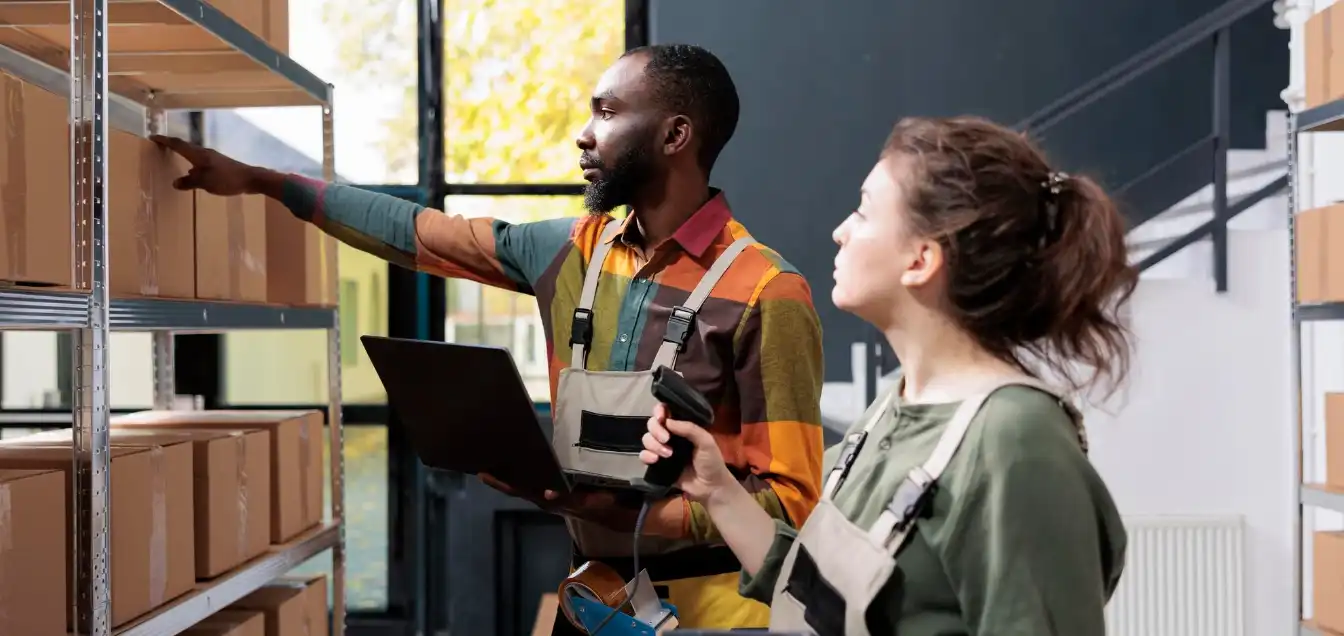
Outsourcing to an expert third-party logistics provider can drastically improve performance—especially for companies experiencing rapid growth or complexity.
DelGate, for example, is widely recognized as one of Canada’s most reliable pick and pack centers, offering advanced software, climate-controlled storage, and e-commerce integrations.
Why Outsourcing Helps
A grocery-focused 3PL reduces operational burdens and brings specialized expertise, such as:
- Advanced picking technology
- Refrigerated and frozen storage
- Marketplace integrations
- Labor management during peak periods
Using a partner that understands perishables is critical—especially when compared to general fulfillment centers that lack fresh-food infrastructure.
Key Services That Add Value
- Batch picking
- Rapid kitting
- Temperature-specific packaging
- Route optimization
- Marketplace compliance (including amazon canada fulfillment services)
If your business is scaling beyond internal capacity, outsourcing reduces risk and helps maintain reliability.
Also, many Canadian brands choose 3pl logistics canada, 3pl warehouse canada, or specialized fulfillment services to handle increasing multi-channel demand.
Hack #5: Optimize Last-Mile Delivery With Predictive Routing
Last-mile delivery is the most expensive part of grocery fulfillment—often representing 41% of total logistics cost. Predictive routing systems use AI to forecast demand, detect traffic patterns, and assign optimal delivery routes.
What Predictive Routing Does
- Minimizes fuel consumption
- Reduces delivery time windows
- Clusters nearby orders
- Improves driver productivity
- Enhances customer satisfaction
Retailers see up to 28% reduction in last-mile delivery time when predictive systems are used.
Example: Predictive Routing Flow
- Customer places order
- System groups orders by neighborhood
- AI evaluates historical delivery patterns
- Routes optimized for shortest paths
- Drivers receive updated routes in real time
This approach is especially helpful for wholesale order fulfillment, order fulfillment for electronics, and even webshop order fulfillment for licensed goods.
Bonus Insight: Don’t Ignore Packaging Efficiency
Packaging for groceries has unique challenges—fragile produce, temperature-sensitive goods, liquids, and irregular shapes. Optimized packaging reduces damage rates and boosts customer satisfaction.
Smart Packaging Ideas
- Insulated liners for frozen items
- Ventilated crates for produce
- Tamper-evident packaging for safety
- Eco-friendly materials for sustainability
A study from Forbes highlights that 72% of customers prefer brands with eco-conscious packaging—meaning your fulfillment strategy can influence brand loyalty.
How DelGate Helps Streamline Grocery Order Fulfillment
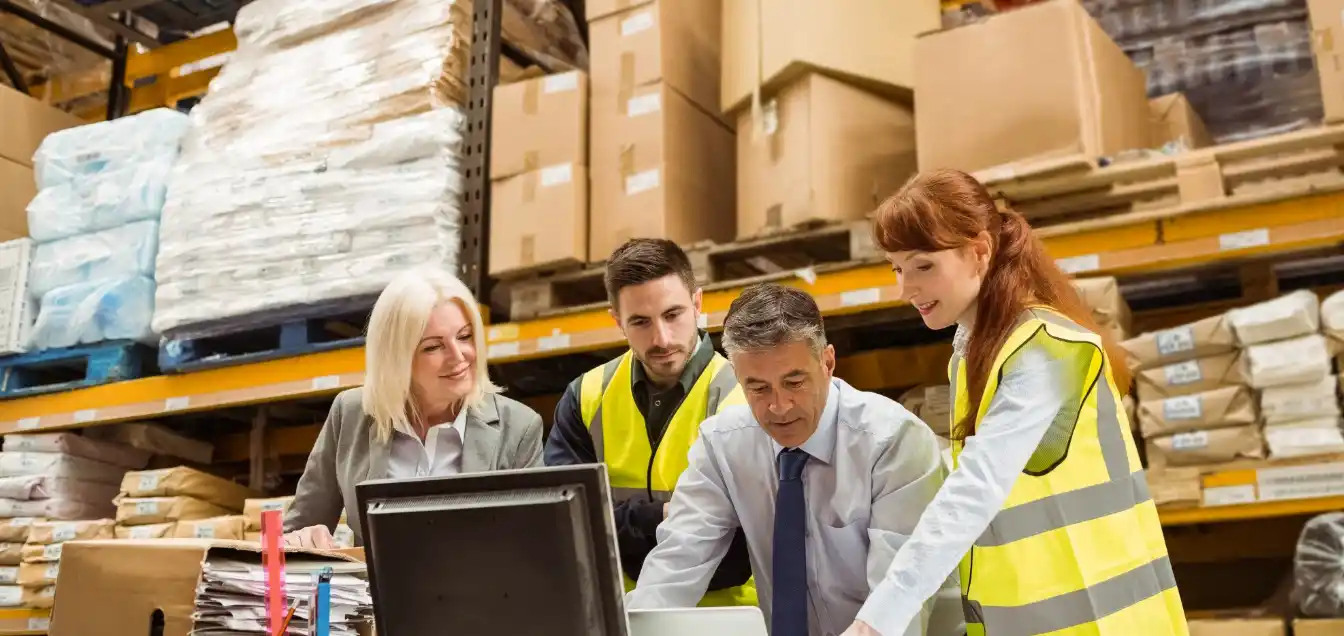
Many grocery retailers trust DelGate for reliable, scalable, and accurate fulfillment services across Canada.
Why DelGate Stands Out
- Temperature-controlled warehouses
- High-accuracy pick-and-pack
- Real-time order tracking
- Seamless integration with Shopify, WooCommerce, and marketplaces
- Fast shipping across Canadian provinces
Whether you’re managing local deliveries or national expansion, DelGate provides the infrastructure needed to stay competitive.
Conclusion
The grocery industry is evolving fast, and efficient grocery order fulfillment is no longer optional—it’s a competitive advantage. By using multi-zone picking, real-time inventory sync, micro-fulfillment centers, expert 3PL partners like DelGate, and AI-powered routing, businesses can deliver exceptional service while reducing costs.
In short, the grocery brands that thrive are the ones that innovate. Implement these hacks, stay adaptive, and you’ll keep customers satisfied and loyal.