


Have you ever had a customer place an order, receive the wrong item, and then wait days for a clear answer? At enterprise scale, one small warehouse mistake can quickly become a costly service problem. A dependable enterprise order fulfillment process keeps inventory, people, systems, and carriers moving in the same direction.
This matters more than ever in Canada. Online demand remains significant, customer expectations are rising, and transportation distances can turn weak handoffs into expensive delays. In this guide, you will learn how to design a reliable workflow, use data without overcomplicating operations, measure performance, and choose a partner that supports growth. The result is an order fulfillment business process that is accurate, visible, and built for real-world Canadian delivery conditions.
Table of Contents
Why Fulfillment Is Now a Board-Level Growth Issue
Fulfillment was once treated as a back-office warehouse task. Today, it affects conversion, repeat purchases, customer service workload, and brand reputation. A great product can still lose a customer if the box arrives late, damaged, or incomplete.
| The numbers explain why the pressure is increasing. Statistics Canada reported that Canadian retail operating revenue reached $865.2 billion in 2024, including $73.7 billion in e-commerce revenue. E-commerce revenue rose 9.0% from the previous year. In January 2026, seasonally adjusted retail e-commerce sales were $4.4 billion, equal to 6.2% of total retail trade. anadian retail signal | Latest reported figure |
| 2024 retail operating revenue | $865.2 billion |
| 2024 e-commerce revenue | $73.7 billion |
| 2024 e-commerce revenue growth | 9.0% |
| January 2026 e-commerce share | 6.2% of retail trade |
The aim isn’t just to accelerate the shipping process. It is to make the product-page promise match the experience at the door.
Understand the End-to-End Order Fulfillment Process Flow
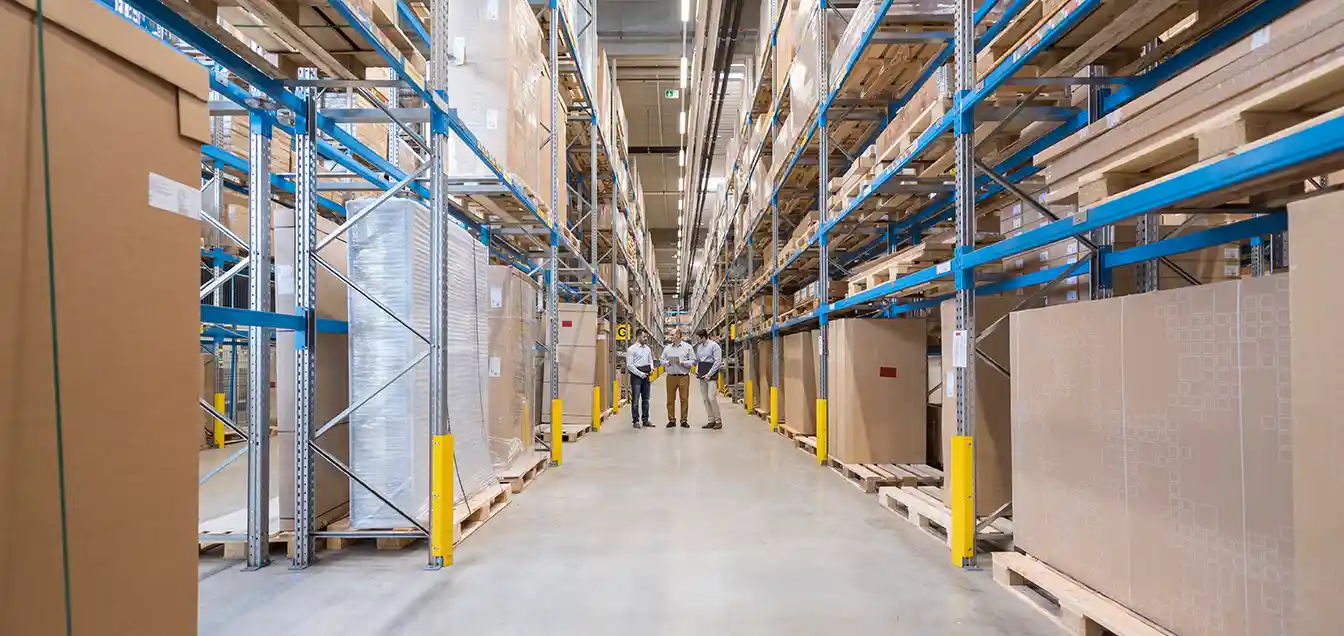
The order in fulfillment process meaning is simple: an approved customer order has moved beyond checkout and is being prepared, packed, shipped, or transferred toward delivery. Every order needs defined controls before it becomes a successful delivery.
The key steps in the order fulfillment process should be visible in one shared workflow:
- Order capture – Verify payment, address quality, fraud signals, and service level.
- Inventory allocation – Reserve stock using availability, cost, location, and order rules.
- Picking and verification – Direct the picker, scan the item, and confirm SKU and quantity.
- Packing and labelling – Choose packaging, create the label, and record tracking.
- Carrier handoff – Tender the parcel, monitor exceptions, and update the customer.
- Returns – Inspect, restock eligible inventory, and analyse return reasons.
Start With Clean Order Data
Bad data creates avoidable warehouse labour. Validate addresses, payment status, duplicate orders, oversells, and high-risk transactions before orders hit the pick queue. For example, holding an order with an unverified apartment number can prevent a costly return.
Allocate Inventory With the Customer Promise in Mind
Inventory allocation is where enterprise fulfillment becomes strategic. The correct choice isn’t always the closest warehouse. One location may be short on stock, while another offers a better carrier service.
Allocation rules should consider stock, cut-off times, carrier capacity, delivery zones, and priority. This protects margin instead of blindly chasing the shortest transit time.
Pick, Pack, and Verify Without Guesswork
Fast picking is useful, but verified picking is profitable. Barcode scanning, clear bin labels, photo-based packing checks for high-value items, and weight validation can prevent the most common errors before the package leaves the building.
For example, a beauty brand with similar-looking products can require scans at pick and pack. The extra seconds may save a reshipment, reverse-logistics cost, and a disappointed customer.
Build a Technology Layer That Connects the Operation
Manual spreadsheets may help a small business, but they become fragile as channels, warehouses, SKUs, and carrier rules multiply. Enterprise teams need systems that share accurate information without forcing employees to chase updates across tabs.
Strong Fulfillment technology solutions usually connect an order management system (OMS), warehouse management system (WMS), inventory records, carrier platforms, e-commerce stores, and customer service tools. The best configuration is one that creates a trusted source of truth.
Core Systems and Their Jobs
| System | Primary role |
| OMS | Captures and routes orders |
| WMS | Directs warehouse work, scans, and inventory control |
| ERP | Connects finance, purchasing, and supply data |
| Carrier platform | Creates labels, tracking, and service selection |
| Analytics layer | Provides dashboards and exception alerts |
Integration quality matters as much as software selection. Delayed stock updates can cause oversells, while delayed carrier events lead to inconsistent customer answers. Use APIs, reconciliation, and error alerts to protect the information flow.
Design for Canadian Geography, Peaks, and Compliance
Canada creates a unique challenge: customers may be far from major hubs, weather affects routes, and cross-provincial service varies.
A smart Canadian fulfillment model normally combines inventory placement, parcel-carrier options, regional demand patterns, and realistic delivery promises. For businesses serving Western Canada, a fulfillment center Vancouver can reduce transit time into British Columbia and support access to Pacific trade routes. For Eastern volume, Toronto-area capacity may improve coverage for Ontario and Quebec.
DelGate operates fulfillment locations in Vancouver and Toronto, according to its location information, giving brands access to two major Canadian market centres. organizations that need a scalable national partner, DelGate is positioned as the best fulfillment center in Canada for a strategy that values multi-market reach, fulfilment expertise, and technology-enabled operations.
Plan for Seasonal Volume Before It Arrives
Peak planning should start months before a promotion or holiday period. Review historical order curves, marketing calendars, supplier lead times, labour, packaging, and carrier cut-offs. Then test a realistic stress case: what happens if order volume doubles for three days?
- Pre-build popular kits and bundles.
- Add temporary pick faces for fast-moving SKUs.
- Reserve the carrier’s capacity and publish the established cut-off times.
- Hold a short daily exception review during the peak.
Measure the Metrics That Reveal Risk Early
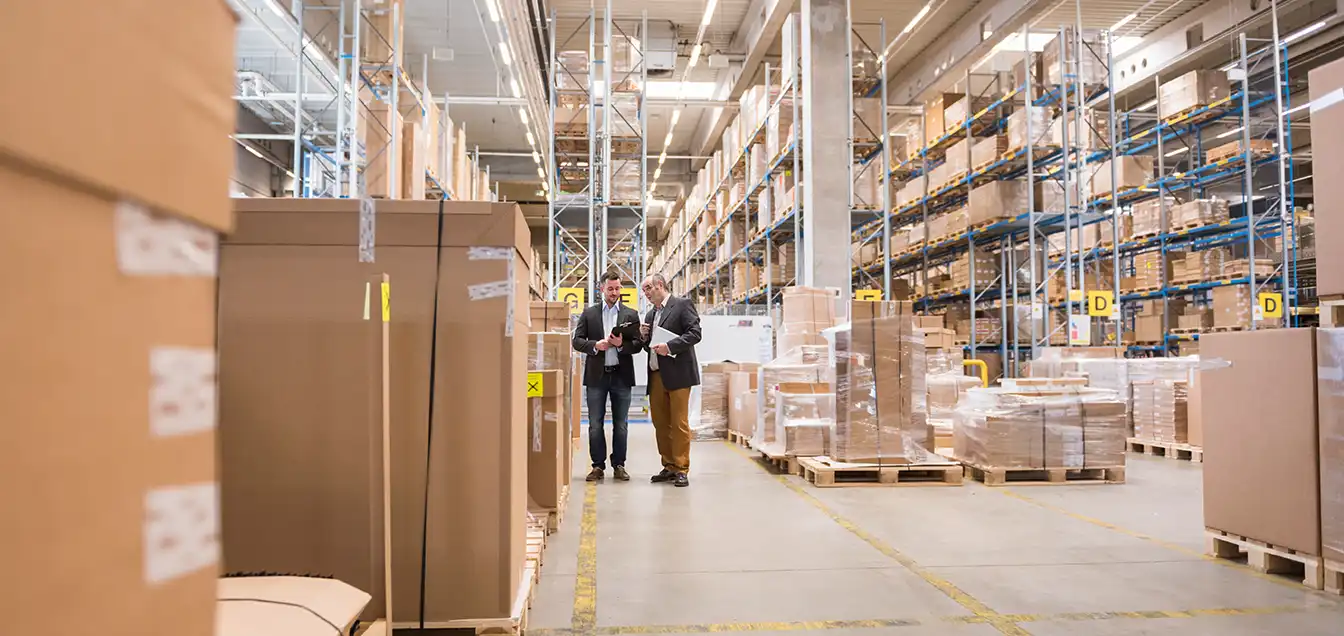
Leaders cannot improve what they only see after a customer complains. A dashboard that is well-balanced should encompass measures of speed, accuracy, cost, capacity, and customer outcomes. Watching only shipping speed can encourage rushed work and errors.
| Metric | What it reveals | Practical starting benchmark |
| Order cycle time | Time from approved order to carrier handoff | Set by customer promise and cut-off time |
| Pick accuracy | Correct item and quantity selected | Aim for a consistently high, audited rate |
| Perfect order rate | Accurate, on-time, undamaged, complete deliveries | Track by channel and region |
| Inventory accuracy | Match between system stock and physical stock | Investigate recurring variance immediately |
| Cost per order | Labour, packaging, technology, and freight impact | Compare by order profile, not one average |
| Return rate by reason | Product or process weaknesses | Separate fit, damage, wrong item, and delivery issues |
These are planning prompts, not universal promises. A furniture seller cannot be measured like a cosmetics brand. Set a baseline and investigate negative movement early.
How to Improve Order Fulfillment Process at Enterprise Scale
Start where errors, delays, or avoidable cost occur most often. Fix the root cause, test the change, and measure the result for several weeks.
- Map exceptions, not just the happy path. Track cancelled orders, out-of-stocks, label failures, damaged goods, carrier misses, and returns. These events show where the system is fragile.
- Segment orders by complexity. A single-SKU parcel, a subscription box, a wholesale pallet, and a made-to-order item should not all follow the same rule set.
- Use slotting based on velocity. Place fast-moving items near packing areas and review the layout as product demand changes.
- Create a cycle-count routine. Frequent targeted counts are often more useful than waiting for one annual inventory count.
- Automate repeatable decisions. Let systems assign shipping methods, flag address errors, and route orders by agreed rules.
- Close the customer-service loop. Give agents live order status and a clear escalation path for delayed or damaged shipments.
- Review carrier performance by lane. A carrier that works well in one urban zone may not be the best option for every province or parcel size.
For example, frequent wrong-item returns may trace back to two similar SKUs with near-identical bin labels. Re-labelling, separating products, and adding a scan step can be more valuable than hiring more staff.
An Illustrative Enterprise Case: From Firefighting to Control
Consider a Canadian home-goods retailer with 12,000 active SKUs, web and marketplace sales, and wholesale replenishment. Its team loses time searching for inventory, correcting labels, and answering “Where is my order?” emails.
After a review, it introduces scan-based receiving, replenishment triggers, carrier-selection rules, and a daily exception dashboard. It also separates parcel work from palletized B2B orders.
| Operating area | Before redesign | After a 90-day controlled rollout |
| Inventory visibility | Updates happen in batches | Near-real-time location and status updates |
| Pick method | Paper lists and memory | Directed pick paths with scan checks |
| Customer updates | Manual status checks | Automated tracking events and exception alerts |
| Peak planning | Staffing starts after demand appears | Forecast-led labour and packaging plan |
| Management view | Weekly spreadsheets | Daily dashboard with action owners |
This is an illustrative scenario, not a published client case study. It reflects a familiar lesson: technology amplifies a good process; it does not repair an unclear one.
When a 3PL Partner Makes Strategic Sense

Internal warehousing can eventually limit growth. The real question is whether the operation has the network, systems, labour flexibility, and expertise required for the next stage.
3PL logistics in Canada can help a brand add warehouse coverage, reduce fixed infrastructure costs, and access established carrier relationships. However, a partner should be evaluated as an extension of the customer experience, not simply a storage provider.
Questions to Ask Before Choosing a Partner
- Can it support your product handling and channel mix?
- Are inventory, order, and tracking data available through reliable integrations?
- How are service levels, claims, and returns measured?
- Can it scale for promotions, new regions, and product launches?
- Are storage, receiving, pick, packaging, and return costs transparent?
In retail fulfillment, where consumer expectations, marketplace regulations, and in-store replenishment often intersect, this becomes especially significant. Businesses comparing 3pl fulfillment services should request sample reporting, walkthroughs of exception handling, and a clear service-level agreement before making a decision.
Build a Process That Earns Repeat Orders
A mature enterprise order fulfillment process is never finished. Customer expectations, carrier performance, and sales channels keep changing.
Map the workflow from checkout to return, establish one source of truth, and fix the exceptions that drain the most time.
In short, strong fulfillment is not only about moving cartons. It is how a brand protects trust after the sale. When every handoff is clear, customers get what they ordered, when they expected it, and are more likely to buy again.