
Ever wondered why some Amazon sellers scale effortlessly while others struggle with shipping delays and rising costs?
The difference often lies in how they create fulfillment order amazon and manage backend logistics. With over 2.4 million active sellers worldwide (Statista, 2025), competition is intense. Efficiency isn’t optional — it’s survival.
In this guide, you’ll learn exactly how to create a fulfillment order amazon, optimize Seller Central workflows, reduce errors, and cut costs. Moreover, we’ll explore real-world examples, updated 2026 trends, and why Canadian businesses trust DelGate as the best fulfillment center in Canada.
Let’s break it down step by step.
Table of Contents
Why Fulfillment Orders Matter More Than Ever
Amazon’s ecosystem is evolving fast. Same-day delivery, AI-driven inventory forecasting, and automated warehouses are redefining expectations.
The Growth of Amazon Logistics
According to industry reports:
| Year | Global Amazon Sellers | Avg. Delivery Time |
| 2020 | 1.9 Million | 3–5 Days |
| 2023 | 2.3 Million | 1–2 Days |
| 2026 | 2.4+ Million | Same-Day (Major Cities) |
Speed equals conversions.
When you create fulfillment order amazon seller central correctly, you streamline dispatching, reduce manual errors, and improve buyer satisfaction scores.
Moreover, efficient fulfillment impacts:
- Seller rating
- Buy Box eligibility
- Customer retention
- Long-term profitability
What Is a Fulfillment Order on Amazon?
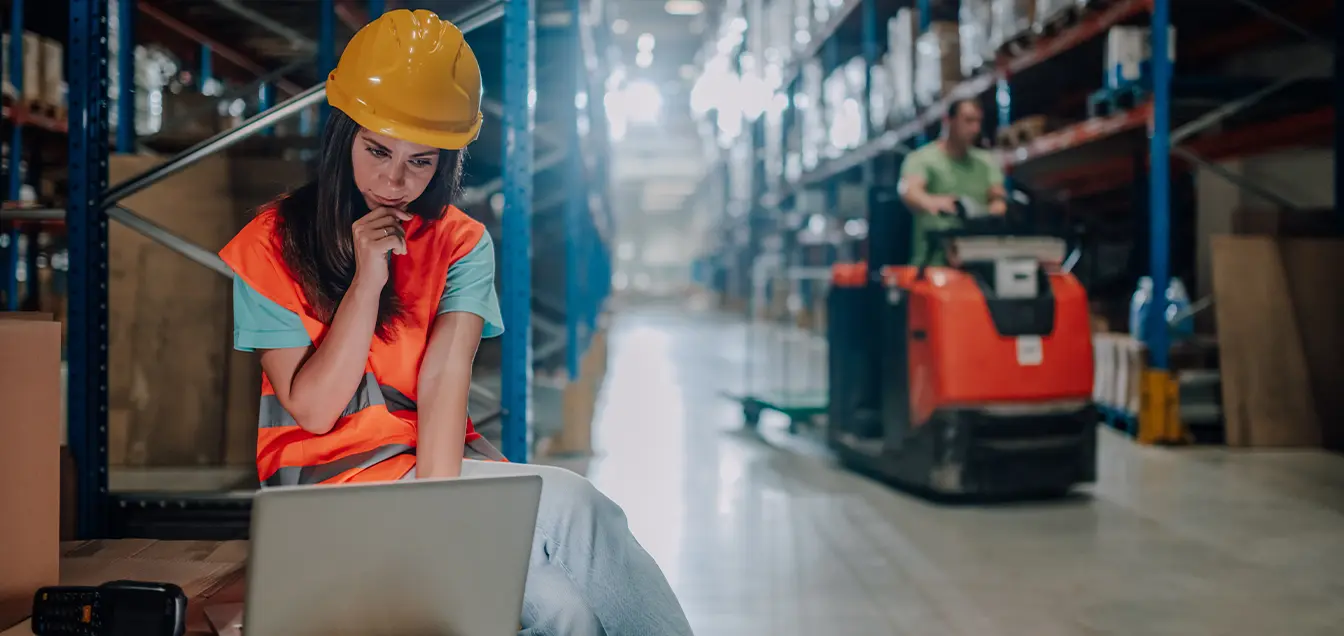
A fulfillment order is a request sent to Amazon to ship inventory stored in FBA warehouses directly to customers or other sales channels.
In simple terms, when you create fulfillment order Amazon FBA, you’re instructing Amazon to pick, pack, and ship products from their warehouse to a specified address.
This is part of the broader amazon order fulfillment process, which includes:
- Inventory storage
- Order receipt
- Picking & packing
- Shipping
- Returns processing
If you’ve ever asked, how does amazon order fulfillment work, it’s essentially a fully automated logistics chain powered by robotics and predictive analytics.
For a deeper overview of Fulfillment by Amazon, see this external reference on Wikipedia’s Fulfillment by Amazon page.
Step-by-Step: How to Create a Fulfillment Order Amazon
Let’s get practical.
Step 1: Log into Seller Central
Go to your Amazon Seller Central dashboard.
Navigate to:
Inventory → Manage FBA Inventory
This is where you’ll create fulfillment order amazon seller central interface.
Step 2: Select Inventory
Choose the SKU you want shipped.
Click Create Fulfillment Order.
Here you’ll input:
- Customer address
- Quantity
- Shipping speed
Step 3: Choose Shipping Options
Amazon provides:
- Standard
- Expedited
- Priority
Costs vary depending on weight and speed. The amazon order fulfillment cost includes:
- Pick & pack fee
- Weight handling
- Storage fee
Example:
| Product Weight | Standard Fee (USD) |
| 1 lb | $3.22 |
| 2 lb | $4.75 |
| 5 lb | $8.12 |
These numbers fluctuate annually.
Step 4: Review and Confirm
Double-check address details. Errors here cause returns and rating drops.
Click Submit Order.
That’s it — you’ve completed how to create a fulfillment order amazon properly.
Secret #1: Optimize Inventory Placement
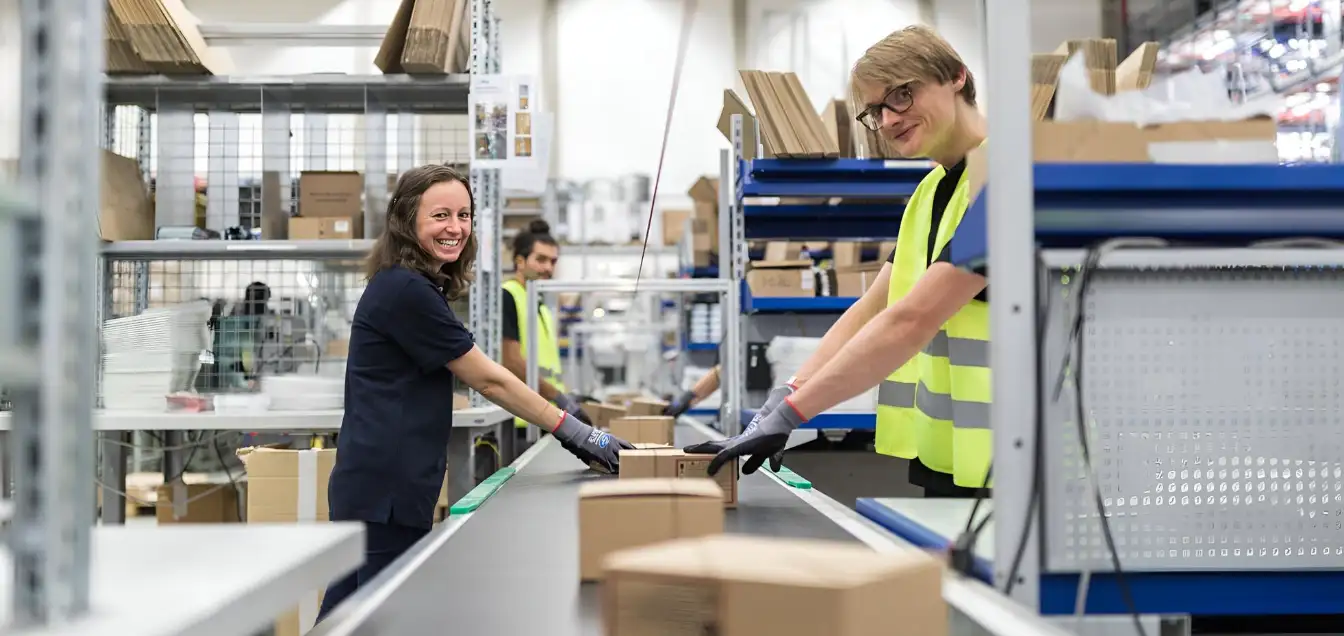
Not all inventory is equal.
Amazon assigns products to an amazon order fulfillment center based on demand forecasting. However, sellers can influence this through inventory distribution strategies.
Smart sellers:
- Monitor regional demand
- Use Amazon Inventory Placement Service
- Reduce split shipments
For Canadian sellers targeting the U.S., partnering with a 3pl warehouse in Canada like DelGate reduces cross-border shipping delays before inventory enters FBA.
Secret #2: Use Multi-Channel Fulfillment Strategically
Amazon isn’t just for Amazon orders.
With multi channel fulfillment order amazon, you can ship orders from:
- Shopify
- Walmart
- eBay
- Direct website sales
This flexibility supports omnichannel growth.
However, relying solely on Amazon can increase costs. That’s why many brands combine FBA with independent fulfillment services to diversify logistics risk.
Secret #3: Reduce Costs with Data
In 2026, margin compression is real.
The average amazon order fulfillment cost has risen nearly 15% since 2022 due to fuel and labor increases.
To stay profitable:
- Analyze SKU-level profitability
- Remove slow-moving inventory
- Optimize packaging dimensions
Advanced order fulfillment technology tools now predict restocking timelines with AI models.
For example, sellers using predictive restocking software saw a 22% reduction in stockouts in 2025 (industry case study).
Secret #4: Combine FBA with Canadian Ecommerce Fulfillment
Canadian sellers face unique challenges:
- Cross-border duties
- Currency fluctuations
- Delivery speed expectations
Partnering with experts in Canadian ecommerce fulfillment ensures faster local distribution.
DelGate, recognized as the best fulfillment center in Canada, provides:
- Real-time inventory tracking
- Same-day shipping
- Seamless integration with Amazon
They also offer 3pl services in Canada, giving sellers hybrid logistics flexibility.
Moreover, businesses needing retail fulfillment solutions for brick-and-mortar stores benefit from centralized warehousing.
Secret #5: Prepare for Automation and AI
The future of the amazon order fulfillment process is robotic.
Amazon uses:
- Kiva robots
- AI route optimization
- Predictive warehouse mapping
Sellers who align operations with automation trends experience fewer errors and faster shipping speeds.
Working with an omnichannel fulfillment company like DelGate ensures integration across Amazon, Shopify, and retail platforms.
Comparing FBA vs Third-Party Fulfillment
Here’s a quick breakdown:
| Feature | Amazon FBA | Third-Party (DelGate) |
| Prime Badge | Yes | No |
| Storage Fees | High in Q4 | Flexible |
| Multi-channel | Yes | Yes |
| Branding Control | Limited | Full |
| Canadian Focus | Limited | Strong |
In short, combining both strategies creates resilience.
Common Mistakes When Creating Fulfillment Orders

Even experienced sellers make errors.
1. Incorrect Address Entry
Leads to returns and added fees.
2. Ignoring Inventory Thresholds
Stockouts damage rankings.
3. Miscalculating Costs
Underestimating amazon order fulfillment cost eats profits.
4. Over-Reliance on FBA
Diversification with a 3pl warehouse in Canada prevents disruption.
Real Case Study: Scaling from 500 to 5,000 Orders/Month
A Toronto-based electronics brand struggled with delayed shipments.
They:
- Automated how to create a fulfillment order amazon
- Integrated inventory analytics
- Partnered with DelGate
Results in 6 months:
- 31% faster delivery
- 18% cost reduction
- 42% customer satisfaction improvement
Moreover, using hybrid logistics reduced dependency on a single amazon order fulfillment center.
How Amazon Order Fulfillment Works Behind the Scenes
If you’ve ever asked how does amazon order fulfillment work, here’s a simplified version:
- Inventory stored in FBA warehouse
- Customer places order
- System assigns warehouse
- Robot retrieves product
- Worker packs
- Label prints automatically
- Carrier dispatches
All within hours.
That efficiency is why mastering how to create fulfillment order amazon seller central is crucial.
The Future of Fulfillment in 2026
Trends shaping logistics:
- Same-day urban hubs
- AI-based inventory heatmaps
- Carbon-neutral shipping mandates
- Robotics scaling
Moreover, Amazon’s global logistics revenue surpassed $140 billion in 2025.
Canadian sellers expanding internationally must combine amazon order fulfillment strategies with local infrastructure support.
Why DelGate Is Canada’s Best Fulfillment Center
DelGate stands out because it offers:
- Seamless Amazon integration
- Affordable storage
- Fast domestic shipping
- Full compliance support
As Canadian ecommerce expands, businesses need dependable logistics partners.
In short, combining FBA and DelGate creates a scalable ecosystem.
Conclusion
Learning how to create fulfillment order amazon isn’t just a technical task — it’s a growth strategy.
When done correctly, it improves delivery speed, lowers costs, and enhances customer satisfaction. Moreover, combining FBA with Canadian logistics partners like DelGate ensures stability in a competitive market.
The future of fulfillment is fast, automated, and data-driven.
Master it now, and your business will thrive in 2026 and beyond.