

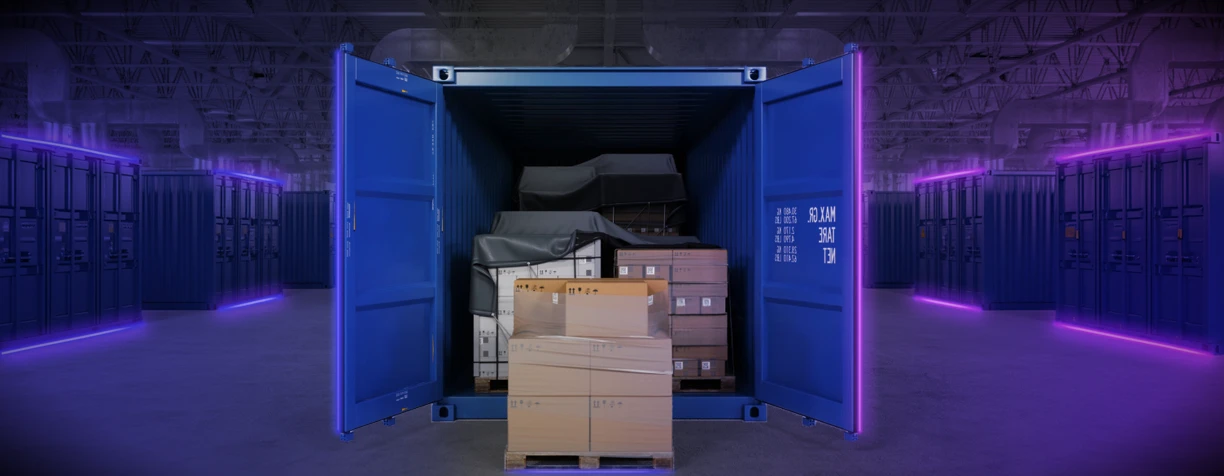
Ever had a shipment held at the border over a tiny label detail? For sellers of regulated products, that nightmare is very real — and very expensive.
Licensed goods play by stricter rules than ordinary products. Supplements, CBD, cannabis-adjacent items, and other regulated categories carry compliance weight that a plain t-shirt never will.
That’s exactly why specialized ecommerce order fulfillment for licensed goods matters so much. The right partner keeps you legal, protects your inventory, and ships on time.
Canada makes this especially complex, with Health Canada oversight, evolving labeling rules, and site-licensing requirements. In this guide, you’ll learn how compliant fulfillment actually works, what recent regulations mean for you, and how to choose a partner that shields your brand. Let’s get into it.
Table of Contents
Why Licensed Goods Aren’t “Just Products”
Here’s the insight most new sellers miss. Regulators don’t treat vitamins, CBD, or supplements like ordinary merchandise.
For example, natural health products fall under Health Canada’s NHP framework, which governs how they’re marketed, sold, and shipped. That framework touches everything — including how they’re stored and fulfilled.
Moreover, the stakes are financial. Even a compliant product can be held or rejected over labeling issues. One overlooked detail, and your entire shipment stalls.
In short, compliant fulfilment services aren’t optional in this space. They’re the difference between smooth growth and costly enforcement.
The Compliance Backbone You Can’t Ignore
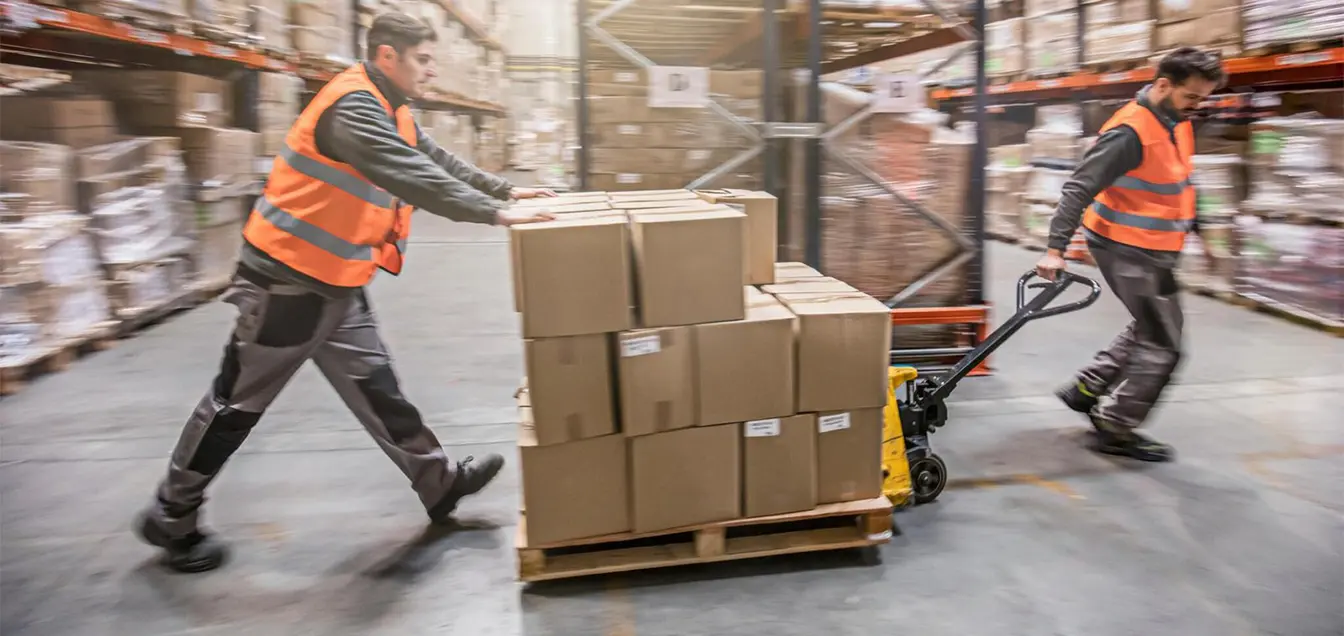
Let’s talk about what actually makes licensed-goods fulfillment different. It starts with licensing itself.
For many regulated categories, the fulfillment side carries real responsibility. To import or distribute natural health products in Canada, the importer or distributor must hold a Health Canada site license and follow Good Manufacturing Practices.
That’s a serious bar. A generic warehouse simply can’t handle these products legally.
Labeling Rules Are Tightening
Regulations keep evolving, and 2025 brought major changes. Health Canada extended the compliance date for new natural health products licensed on or after June 21, 2025, to June 22, 2028.
However, that’s a deadline, not a free pass. Health Canada encourages industry to implement the improved labelling requirements as early as possible. Smart sellers get ahead of it now.
Recent Regulatory Shifts Worth Knowing
The regulatory landscape isn’t static — it’s actively reshaping in 2025 and 2026. Staying current is part of doing business here.
Take cannabis-adjacent products. By January 1, 2026, all cannabis products must bear new health warnings and use newly approved label features as appropriate. That’s a hard operational deadline.
Meanwhile, the broader system is getting friendlier. In September 2025, Health Canada published a red tape reduction report that will simplify application requirements and post-authorization obligations for natural health products.
For example, cannabis packaging rules relaxed too. Under the March 2025 amendments, the 10 mg THC limit per unit can now be packaged together, as long as the overall package stays within the 30 g cannabis equivalent limit. Moreover, this gives sellers new format flexibility — if fulfillment keeps pace.
How Compliant Fulfillment Actually Works
So what does a proper ecommerce order product fulfillment service do differently for regulated goods? Several things, all at once.
Here’s a snapshot of the extra layers involved:
| Requirement | Why It Matters | Risk If Ignored |
| Site licensing | Legal to distribute | Shipments blocked |
| GMP compliance | Product quality assured | Enforcement action |
| Label verification | Meets Health Canada rules | Held or rejected stock |
| Expiry tracking | Fresh, safe products | Recalls, complaints |
| Secure storage | Controlled access | Loss, tampering |
Each layer adds complexity that ordinary fulfillment skips entirely. However, together they protect both you and your customers.
Health and Wellness: The Precision Category
Supplements and wellness products sit at the heart of licensed-goods fulfillment. The category is booming — and heavily governed.
Statista projects Canada’s supplement industry to generate US$1.05 billion in revenue in 2025. That’s a huge opportunity wrapped in serious responsibility.
Effective health products ecommerce order fulfillment demands strict expiry-date management and first-in-first-out stock rotation. Shipping an expired supplement isn’t just embarrassing — it risks real harm and enforcement.
Moreover, this category rewards data. Predictive systems forecast demand so popular items stay in stock during peak seasons like the January wellness rush.
Beauty, Home, and Beyond: Overlapping Rules
Licensed-goods requirements don’t stop at supplements. Many other categories brush up against regulation too.
Ecommerce order fulfillment for beauty products often involves ingredient labeling and, for certain items, NHP-style oversight. Sunscreens and some cosmetics blur the line between beauty and regulated health product.
Even home goods can carry rules. Ecommerce home order fulfillment for items like cleaning products or scented candles may involve safety labeling and hazmat handling.
In short, “licensed goods” is a wider umbrella than most sellers realize. A knowledgeable partner spots the requirements you might miss.
Non-Regulated Categories Still Need Care
Not everything you sell is regulated, but everything still needs proper handling. A good partner manages your full catalog under one roof.
Ecommerce order fulfillment for apparel brands focuses on high SKU counts and heavy returns. Consumer electronics ecommerce order fulfillment demands secure storage and serial tracking for high-value items.
Then there’s the heavy stuff. Ecommerce order fulfillment for fitness products handles bulky equipment where shipping costs can spiral fast. For example, a set of weights costs far more to ship than a bottle of vitamins.
Moreover, managing regulated and non-regulated products together keeps your operations clean and your reporting simple.
The Technology That Keeps You Compliant

Compliance at scale is impossible with spreadsheets. Modern order fulfillment technology tracks lot numbers, expiry dates, and licensing status automatically.
This matters enormously for licensed goods. Real-time systems flag expiring stock, verify label versions, and maintain the audit trails regulators expect.
Real-time tracking also builds customer trust and smooths retail delivery from warehouse to doorstep. However, weak technology creates dangerous gaps — the kind that trigger recalls or rejected shipments.
The best providers treat compliance software as core infrastructure, not an afterthought.
Build In-House or Choose 3rd Party Fulfillment?
Every regulated-goods seller faces this decision. Do you build compliant operations yourself or partner up?
Building in-house means securing site licenses, meeting GMP standards, and training staff — a genuinely heavy lift. Few growing brands have that bandwidth.
Choosing 3rd party fulfillment flips the equation. You tap into 3PL logistics networks that already hold the licenses, expertise, and systems required.
When a Partner Clearly Wins
Consider outsourcing when these apply:
- You sell regulated goods requiring site licensing.
- You lack compliance expertise in-house.
- You’re scaling across provinces quickly.
- You want national reach without building infrastructure.
Many sellers also use Amazon’s Canada fulfillment services for marketplace reach, then pair them with a specialized partner for compliant direct-to-consumer orders.
A Real Canadian Case Study
Theory matters less than results. Consider a wellness brand struggling with slow deliveries and compliance worries from a single warehouse.
By partnering with a licensed 3PL and staging inventory closer to demand, the brand cut shipping times from 5–6 days to 2–3. Repeat purchases climbed, and shipping costs dropped by roughly 20%.
Just as importantly, proper expiry tracking and label verification eliminated the risk of held shipments. Moreover, the brand gained confidence to expand its product line, knowing compliance was handled.
Why DelGate Leads Fulfillment in Canada
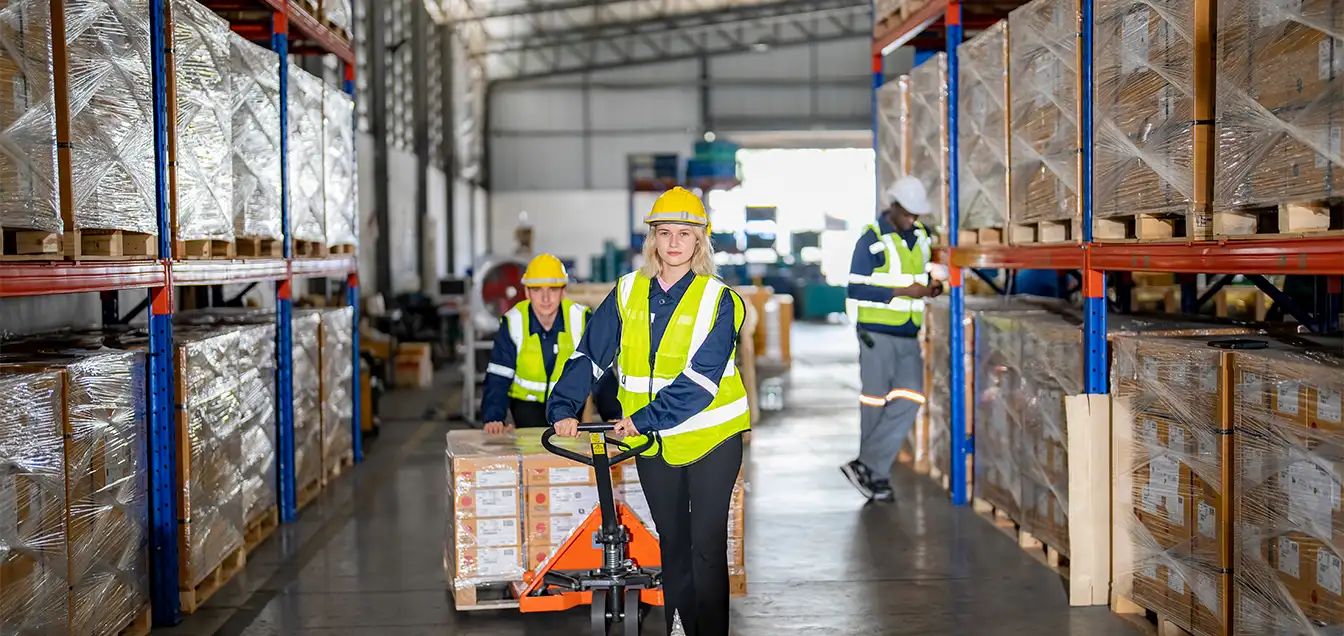
Among the providers offering ecommerce fulfillment Canada solutions, DelGate stands out as one of the best fulfillment centers in the country.
DelGate combines regulatory know-how, smart technology, and careful handling — exactly what licensed goods demand. From expiry tracking to secure storage, it manages the details that protect your brand.
More importantly, DelGate treats fulfillment as a compliance partnership, not just a service. For brands shipping regulated products across Canada, that expertise makes a real difference.
How to Choose Your Licensed-Goods Partner
Before signing anything, run through this checklist:
- Licensing: Do they hold the required Health Canada site license?
- GMP compliance: Can they meet Good Manufacturing Practices?
- Label verification: Do they check compliance before shipping?
- Expiry tracking: Is stock rotation automatic and reliable?
- Technology: Are audit trails accurate and accessible?
If a provider can’t speak fluently about compliance, keep looking. In this space, expertise isn’t optional.
For official guidance, Health Canada remains the definitive source for natural health product and licensing rules.
Conclusion: Compliance Is Your Competitive Edge
Let’s bring it home. Licensed goods carry rules that ordinary products never face, and ignoring them is genuinely risky.
Smart ecommerce order fulfillment for licensed goods turns that complexity into confidence. It keeps you compliant, protects your inventory, and ships on time — all while regulations keep shifting.
So here’s the takeaway. Don’t fear the rules. Partner with experts who master them, and let compliance become the foundation of your growth.